(888) 245-5155
Call Now 24/7
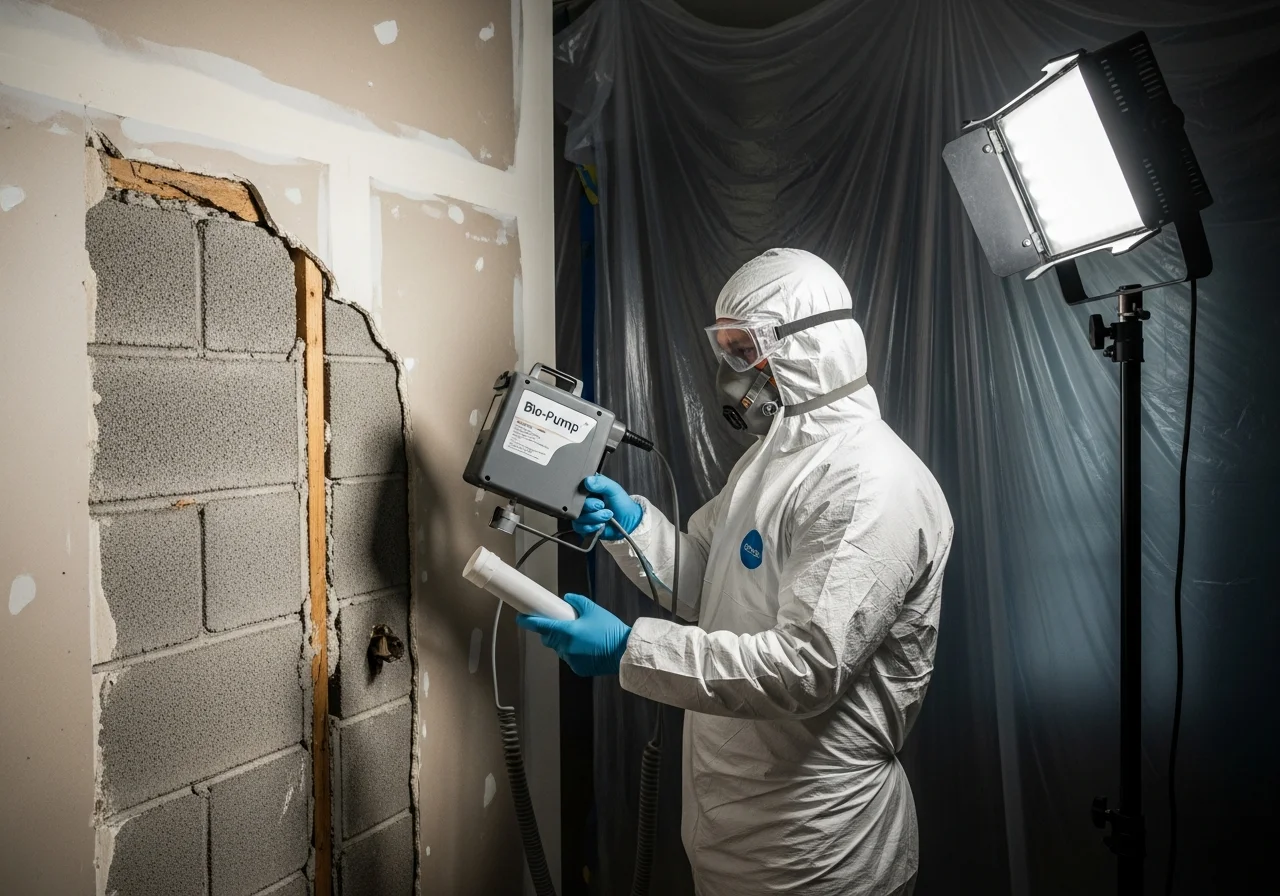
Palm Build technician in full PPE performing mold remediation in a Jupiter Florida home with containment barriers and HEPA filtration
JUPITER FL — CERTIFIED MOLD REMEDIATION

Mold Remediation in Jupiter, Florida

With 61.75 inches of annual rainfall, year-round HVAC condensation from AC systems running 12 months, and CBS stucco construction that traps moisture inside block cavities, Jupiter homes face some of the highest mold risk in Palm Beach County. Mold colonizes wet building materials within 48-72 hours in Jupiter's subtropical climate. Palm Build holds Florida DBPR mold remediation licenses and deploys IICRC-certified technicians from our Deerfield Beach hub with full containment, HEPA filtration, and the post-remediation verification that Florida's licensing framework requires.

Deerfield Beach — Rapid Response to Jupiter Under 60 min Response IICRC Certified

Under 60 min

Emergency Response

24/7

Dispatch Available

IICRC

Certified Technicians

Why Mold Thrives Here

Why Jupiter Homes Are Mold Magnets

Jupiter's specific combination of extreme rainfall, year-round HVAC operation, CBS stucco construction, and a high water table creates some of the highest baseline mold risk of any community in Palm Beach County. Understanding these four risk factors is the first step toward permanent remediation — not just cosmetic cleanup.

61.75" Annual Rainfall

61.75"

Annual rainfall

Jupiter receives 61.75 inches of rain annually — nearly 20 inches above the national average — with roughly 70% concentrated in the May-October wet season. This relentless moisture saturation penetrates stucco hairline cracks, overwhelms drainage systems, and keeps building envelopes perpetually damp. After heavy afternoon thunderstorms, driving rain pushes water behind stucco facades where it pools in CBS block cavities for days.
Year-Round HVAC Condensation

12 mo

AC runs per year

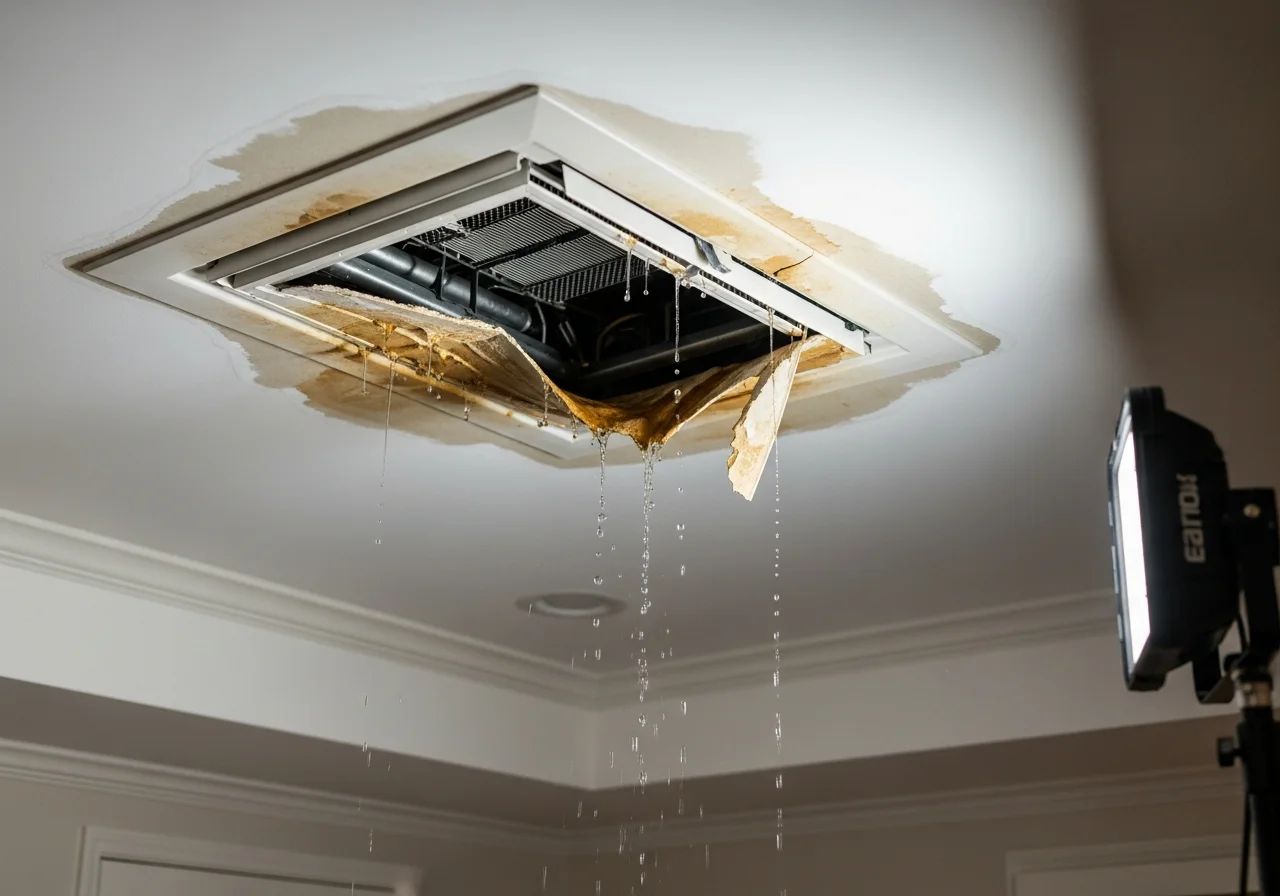
Unlike northern cities where AC runs seasonally, Jupiter's air conditioning operates 12 months per year. This constant operation generates persistent condensation on evaporator coils, drip pans, and inside ductwork. Clogged condensate drain lines — the #1 hidden moisture source in Jupiter homes — back water into drip pans that overflow into air handler closets, feeding mold colonies that the blower fan then distributes to every room.

CBS Stucco Traps Moisture

85%+

Homes are CBS

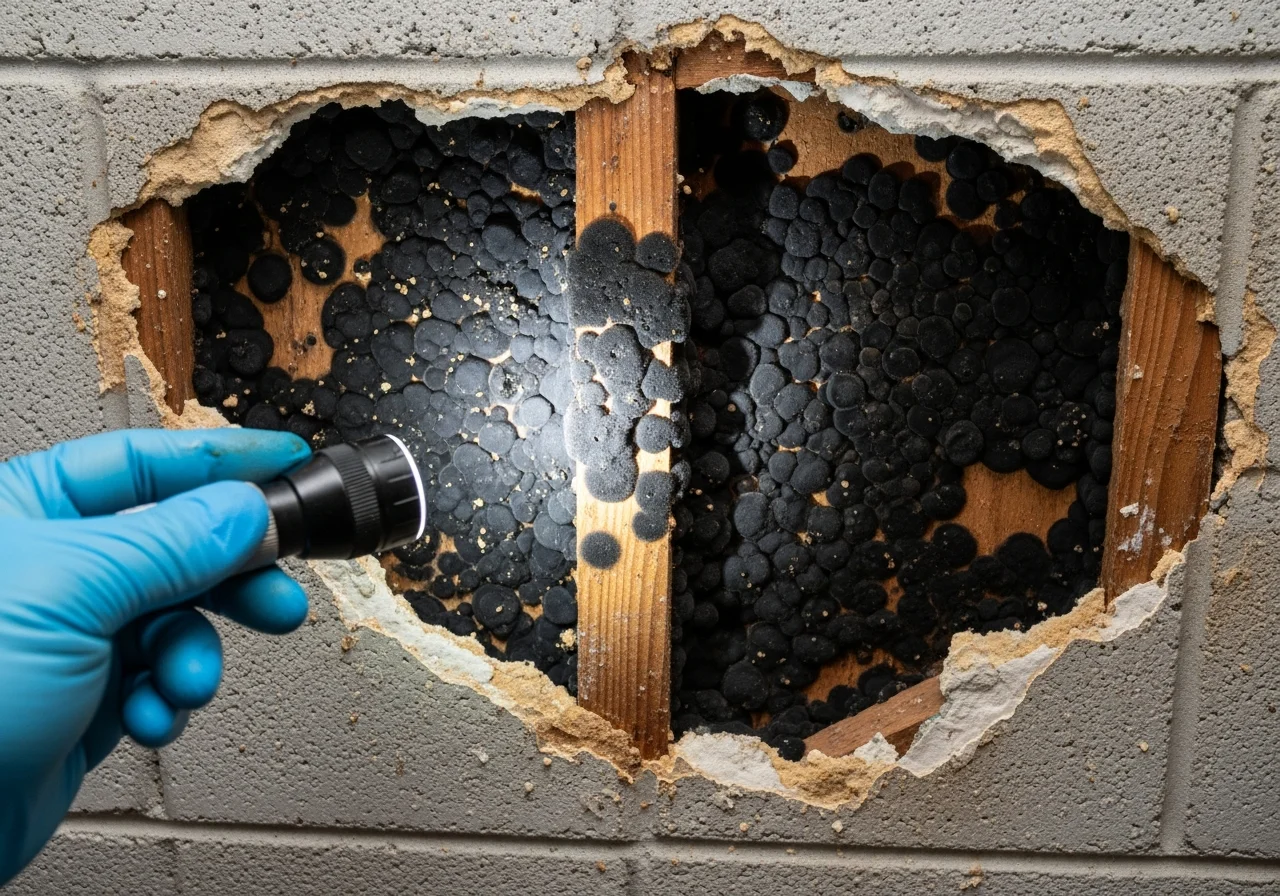
Jupiter's predominant CBS (concrete block and stucco) construction creates a moisture trap by design. Stucco develops hairline cracks from thermal expansion, settling, and hurricane vibration. Water enters through these micro-cracks and becomes trapped between the exterior block wall and interior drywall in the furring cavity. This hidden moisture feeds mold colonies that grow for weeks or months before any visible sign appears inside the home.

High Water Table (3-6 ft)

3-6 ft

Water table depth

Jupiter sits on South Florida's high water table, with groundwater typically just 3-6 feet below grade. During the wet season, the water table can rise to within inches of slab foundations. This upward moisture pressure drives water vapor through concrete slabs and up through CBS block walls via capillary action — creating persistent dampness in floor coverings, baseboards, and lower wall sections that fuels hidden mold growth.

HVAC condensation damage causing mold growth inside a Jupiter FL home air handler unit
HVAC condensation mold inside an air handler — Jupiter's year-round AC operation makes this the most common hidden mold source in local homes.

Neighborhood-Level Intelligence

Jupiter Neighborhood Mold Risk Assessment

Mold risk across Jupiter follows predictable patterns based on housing age, proximity to waterways, construction era, and HOA maintenance standards. Here is what our remediation crews encounter most frequently in each community.

Abacoa

Moderate

Built: 1990s-2010s

Primary risk: HOA-governed mixed-use, HVAC condensation in newer construction, limited owner modification rights

Common damage: HVAC duct mold, bathroom exhaust failures, inter-unit moisture migration in townhomes

Admirals Cove

Critical

Built: 1980s-2000s

Primary risk: Waterfront estate community, salt air accelerates stucco degradation, aging plumbing on canal lots

Common damage: CBS wall cavity mold, corroded HVAC drip pans from salt exposure, stucco base moisture intrusion

Jonathan's Landing

High Risk

Built: 1986-present

Primary risk: Original 1986 plumbing in older sections, hidden leaks behind remodeled finishes, Intracoastal humidity

Common damage: Hidden mold behind renovated drywall, aging copper pipe failures, HVAC mold in original air handlers

Jupiter Country Club

Moderate

Built: 2008-2019

Primary risk: Newer CBS construction with high-efficiency AC systems that short-cycle in shoulder seasons

Common damage: AC condensation mold, improperly sealed duct connections, bathroom vent condensation

The Bear's Club

High Risk

Built: 2001-2013

Primary risk: Complex multi-zone HVAC systems, large square footage increases condensation points, luxury finishes mask early signs

Common damage: Multi-zone duct contamination, wine room humidity failures, pool bath mold behind marble

The Bluffs

Critical

Built: Mid-1980s

Primary risk: Coastal location, 40-year-old stucco with extensive cracking, original windows with failed seals

Common damage: Deep CBS wall cavity mold, window frame rot, stucco base moisture wicking from ground level

Egret Landing

High Risk

Built: 1994-2000s

Primary risk: Aging roof underlayment, original HVAC approaching 25+ years, tile roof moisture trapping

Common damage: Attic mold from roof leaks, air handler contamination, soffit moisture intrusion

Jupiter Bay Condos

Critical

Built: 1984-1990

Primary risk: 35+ year CBS construction, shared plumbing risers, inter-unit moisture migration, aging flat roofs

Common damage: Inter-unit leak mold spread, bathroom stack pipe failures, common-area HVAC contamination

Chasewood Condos

Critical

Built: 1983-1989

Primary risk: Aging ductwork with deteriorating insulation, shared condensate lines, limited owner access to building envelope

Common damage: Duct condensation mold, shared wall moisture migration, mold behind kitchen cabinetry from plumbing leaks

Jupiter Farms

High Risk

Built: 1989-present

Primary risk: Rural lots with standing water after storms, septic systems, well water, oversized parcels with poor drainage

Common damage: Foundation moisture wicking, crawl space and slab edge mold, post-storm standing water mold blooms

Black mold growth discovered behind drywall on CBS concrete block wall in a Jupiter FL home
Hidden mold colonization behind drywall on CBS block wall — a common discovery in Jupiter's older waterfront communities during renovation or after water damage events.
IICRC S520 Protocol

Our 8-Step Mold Remediation Protocol

Professional mold remediation follows a strict sequence defined by the IICRC S520 standard and Florida DBPR regulations. Here is exactly what happens when Palm Build's licensed team arrives at your Jupiter home.

01

Initial Assessment & Air Sampling

Day 1

Comprehensive visual inspection, infrared thermal imaging, and air quality sampling throughout the home. We identify the moisture source — HVAC condensation, stucco intrusion, plumbing failure, or high water table — and classify contamination level per IICRC S520. Florida law requires a separate licensed mold assessor for the initial assessment report.

02

Containment Setup

Day 1-2

Sealed polyethylene containment barriers isolate affected areas, including CBS wall cavities and HVAC system components. HEPA air scrubbers create negative air pressure within the containment zone to prevent spore migration to unaffected areas. All HVAC registers in the containment zone are sealed.

03

HEPA Air Filtration

Continuous

HEPA filtration runs continuously throughout the project, capturing airborne spores down to 0.3 microns. In Jupiter homes with HVAC contamination, the entire duct system is isolated and filtered separately to prevent recontamination of cleaned areas during the remediation process.

04

Antimicrobial Treatment

Days 2-3

EPA-registered antimicrobial agents are applied to all treated surfaces before removal begins. For Jupiter's CBS construction, this includes interior block wall faces, window bucks, and areas where stucco moisture intrusion was identified. Pre-treatment reduces spore release during demolition.

05

Mold Removal

Days 3-5

Contaminated materials are removed using controlled demolition techniques. Affected drywall on CBS walls, contaminated HVAC components, and impacted insulation are removed. Salvageable surfaces are cleaned with HEPA vacuuming and media blasting. Non-salvageable materials are double-bagged for disposal per Florida regulations.

06

Cavity Drying

Days 5-7

CBS wall cavities and structural components are dried to target moisture levels using commercial dehumidification and directed airflow. Jupiter's high ambient humidity means drying takes longer than in drier climates — we monitor moisture readings daily and do not proceed until materials reach acceptable equilibrium moisture content.

07

Post-Remediation Testing

Day 7-8

An independent DBPR-licensed mold assessor conducts clearance testing — air sampling and surface sampling — to verify spore counts have returned to acceptable levels. Florida law requires this clearance come from a different licensed assessor than the remediator. Palm Build does not perform our own clearance testing.

08

Reconstruction

Days 8-12+

Once clearance is achieved, we rebuild affected areas: new drywall, baseboards, cabinetry, paint, and flooring as needed. For CBS homes, we install moisture barriers behind new drywall where stucco intrusion was identified. All reconstruction matches existing finishes and meets current Florida Building Code.

Post-remediation air quality testing being performed in a Jupiter FL home after mold removal
Post-remediation air quality verification testing — Florida law requires independent clearance by a separately licensed DBPR mold assessor.

FL Regulatory Framework

Florida Mold Licensing: What Jupiter Homeowners Must Know

Florida has one of the strictest mold regulatory frameworks in the country. Under Chapter 468, Part XVI of the Florida Statutes, the DBPR (Department of Business and Professional Regulation) requires separate licenses for mold assessment and mold remediation — and explicitly prohibits the same company from performing both on the same project within 12 months.

This separation of assessment and remediation prevents conflicts of interest: the company that identifies the mold cannot be the same entity that profits from removing it. Florida mold assessors must carry $1 million in general liability insurance, and mold remediators must demonstrate proof of financial responsibility. Both licenses require examination, background checks, and continuing education. This framework protects Jupiter homeowners from unqualified operators.

Mold Assessor vs. Mold Remediator

Mold Assessor

  • Inspects and identifies mold
  • Collects air and surface samples
  • Writes remediation protocol
  • Performs post-remediation clearance
  • Must hold DBPR Assessor license
  • $1M liability insurance required

Mold Remediator

  • Removes mold contamination
  • Sets up containment barriers
  • Operates HEPA filtration
  • Applies antimicrobial treatment
  • Must hold DBPR Remediator license
  • Financial responsibility proof required
Verify DBPR mold remediator license before hiring any company
Assessor and remediator MUST be separate licensed entities
Same company cannot assess and remediate within 12 months
Post-remediation clearance must come from a different licensed assessor
Check license status at myfloridalicense.com

Palm Build Credentials

  • DBPR-licensed mold remediator — Florida compliant
  • IICRC S520 certified remediation protocols
  • CBS construction and HVAC mold expertise
  • Full liability insurance and workers' comp coverage
  • Works with independent FL-licensed assessors for clearance

Red Flags to Watch For

  • No DBPR mold license or refuses to provide license number
  • Same company offers to assess AND remediate your mold
  • Offers to "spray and seal" without removing contaminated materials
  • Will not set up containment barriers or HEPA filtration
  • Claims "no license needed" for mold work in Florida (false)

Jupiter's #1 Hidden Mold Source

The HVAC-Mold Connection in Jupiter Homes

Unlike northern states where crawl space moisture or basement flooding drives mold growth, Jupiter's primary mold vector is the air conditioning system itself. With AC units running 12 months per year — far more than even other South Florida cities — Jupiter homes generate constant condensation that feeds mold inside air handlers, evaporator coil housings, and ductwork long before any visible sign appears.

The four most common HVAC mold failure points in Jupiter homes: clogged condensate drain lines that back up water into drip pans, cracked or corroded drip pans from salt air exposure on coastal properties, oversized AC units that short-cycle and never properly dehumidify interior air, and dirty evaporator coils that trap organic material where mold feeds. Once mold establishes inside the air handler, the blower fan distributes spores to every room through the duct system — turning a localized problem into whole-home contamination.

Prevention Tips for Jupiter Homeowners

Schedule AC maintenance every 6 months — not annually
Install a condensate drain line safety switch (float switch)
Replace AC air filters monthly during wet season (May-Oct)
Keep indoor humidity between 45-55% with a standalone hygrometer
Have drip pans inspected for corrosion — especially on coastal properties
Ensure your AC system is properly sized — oversized units short-cycle and under-dehumidify
Indoor humidity (AC failure) 75-85% RH
Safe indoor humidity target <60% RH
Properly maintained AC 45-55% RH
Water Restoration Services
HVAC condensation damage causing mold growth inside air handler unit in Jupiter FL home
HVAC condensation mold inside an air handler — the #1 hidden mold source in Jupiter homes where AC runs 12 months per year.
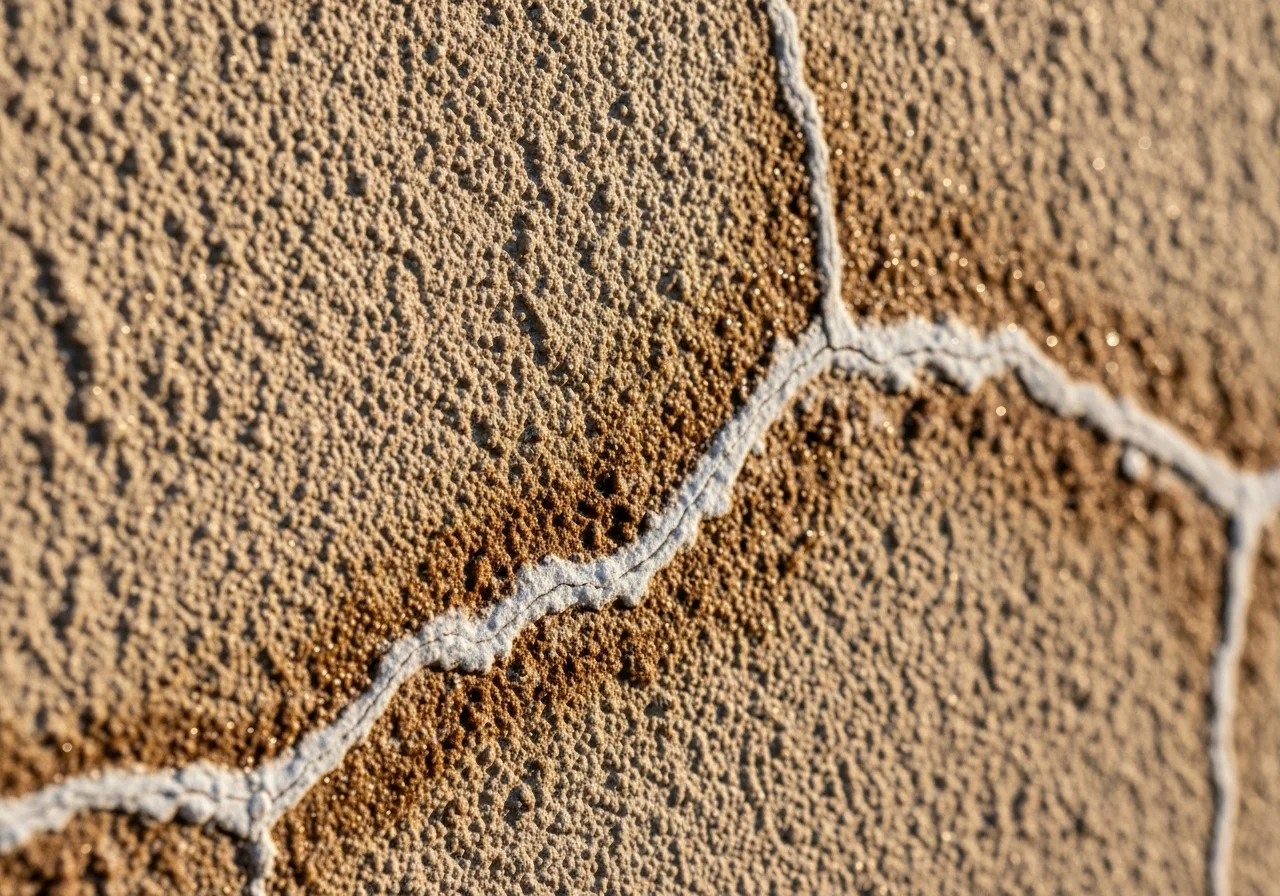
Stucco crack moisture intrusion detail showing water pathways into CBS wall cavity on Jupiter FL home
Stucco hairline cracks allow driving rain into CBS wall cavities — combining with HVAC condensation to create dual moisture sources in Jupiter homes.

Jupiter Pricing Guide

Mold Remediation Costs in Jupiter, FL

Costs vary by contamination size, materials affected, and whether HVAC system work is needed. Jupiter's CBS construction complexity and Florida's mandatory separate-assessor requirement add to baseline costs compared to national averages.

Small Area

Under 10 sq ft — single spot, window frame, small closet

$500 - $1,500

Single Room

Bathroom, bedroom wall, laundry room, one CBS wall section

$1,500 - $4,000

Multiple Rooms

Multi-room spread, CBS wall cavities, structural involvement

$4,000 - $12,000

Whole Home

Extensive contamination, multiple wall cavities, HVAC, structural

$10,000 - $30,000+

HVAC System Mold

Air handler, evaporator coil, ductwork, drip pan contamination

$3,000 - $8,000

Why Jupiter Mold Remediation Costs Run 15-25% Higher

Jupiter mold remediation costs typically exceed national averages due to three factors specific to the area: CBS (concrete block and stucco) construction requires specialized demolition, cavity access, and restoration techniques that wood-frame remediation does not; HVAC system contamination from year-round AC operation adds air handler and ductwork scope to many projects; and Florida's mandatory separate-assessor requirement adds independent testing costs at both pre-remediation and post-remediation stages. However, proper remediation prevents far more expensive structural damage, health consequences, and property value loss.

Insurance Coverage Note

Most Florida homeowners insurance policies cap mold coverage at $10,000-$50,000. For Jupiter's larger homes and multi-room remediation projects, out-of-pocket costs frequently exceed these sublimits. Palm Build provides detailed cost breakdowns and works with your adjuster to maximize covered amounts. We also offer financing for costs that exceed insurance coverage.

Insurance Navigation

Florida Insurance & Mold Coverage for Jupiter Homeowners

Mold coverage in Florida is limited and has become more restrictive following recent insurance reforms, including AOB (Assignment of Benefits) legislation. Understanding your coverage limitations, filing deadlines, and documentation requirements can save Jupiter homeowners thousands of dollars.

Mold resulting from a covered sudden water event (burst pipe, appliance failure) is typically covered up to your policy mold sublimit

Some Florida carriers offer mold endorsements for additional premium — ask your agent about expanded coverage before you need it

Florida policies typically cap mold coverage at $10,000-$50,000 — multi-room CBS wall remediation and HVAC work frequently exceed these limits

Mold from gradual humidity, HVAC condensation, long-term stucco intrusion, or deferred maintenance is almost always excluded

Flood damage mold requires separate flood insurance — standard homeowners policies exclude flooding entirely

Florida's claim filing deadline under Fla. Stat. 627.70132 is strictly enforced — delayed reporting can void otherwise valid mold claims

Citizens Property Insurance — Jupiter Considerations

Citizens Property Insurance covers many Jupiter homes in high-risk coastal zones

Citizens mold sublimits are typically lower than private carrier limits

Citizens requires prompt notice of water damage — delays jeopardize mold coverage

Citizens claims process may differ from private carriers — document everything from day one

AOB Reform Impact on Jupiter Mold Claims

Florida's AOB reform legislation changed how restoration companies can work with insurance claims. Under current law, homeowners retain more control over the claims process, but also bear more responsibility for documentation and communication with their carrier. Palm Build works directly with Jupiter homeowners — never through AOB agreements — providing transparent pricing and detailed documentation that your adjuster needs to process the claim.

Palm Build's Approach to Jupiter Mold Claims

When mold results from a covered water event, our documentation connects the mold to the original loss — moisture maps, timeline photos, contamination scope, and remediation protocols all formatted for your adjuster. We understand Florida's strict filing deadlines and post-AOB reform requirements. For non-covered mold situations, we provide transparent pricing and can discuss financing options.

Insurance Claims Guide

Seasonal Risk Guide

Jupiter Mold Risk by Season

Jupiter's mold risk follows a predictable seasonal pattern driven by rainfall, humidity, hurricane activity, and HVAC stress. Peak risk runs May through October, but year-round HVAC condensation means Jupiter homes are never truly mold-free territory.

Low
Moderate
High
Critical

January

3.1"

Lowest humidity of year. HVAC condensation still active. Dry season maintenance window.

February

2.8"

Driest month. Ideal time for mold inspections and preventive HVAC maintenance.

March

3.5"

Humidity begins climbing. Spring break visitors often notice musty odors in seasonal homes.

April

3.4"

Transition month. AC systems ramp up. Condensate drain line clogs begin increasing.

May

6.2"

Wet season begins. Dramatic humidity increase. Mold growth accelerates across all building materials.

June

9.7"

Peak rainfall month. Daily thunderstorms drive rain into stucco cracks. HVAC under maximum stress.

July

6.5"

Sustained high humidity. AC condensation at peak levels. Highest mold remediation call volume.

August

7.5"

Hurricane season peak begins. Storm damage + power outages = rapid mold blooms within 48-72 hours.

September

8.5"

Peak hurricane month. Post-storm mold emergencies. Extended power outages disable AC dehumidification.

October

6.3"

Wet season winding down but still heavy. Late-season hurricanes possible. Post-storm remediation continues.

November

3.5"

Humidity dropping. Good window for inspections. Seasonal residents returning often discover mold in closed homes.

December

2.6"

Dry season. HVAC condensation ongoing. Snowbird arrivals trigger mold discovery in vacant properties.

Peak Season Alert: June through September

Jupiter's four critical-risk months — June through September — account for over 50% of annual rainfall, the highest sustained humidity, and the peak of hurricane season. Power outages during storms disable AC dehumidification, and indoor humidity can spike above 80% within hours. Mold blooms can appear throughout a home within 48-72 hours of a storm event. If you experience any water intrusion or extended power loss during this period, contact a licensed mold professional immediately.

Our Work in Jupiter

Jupiter Mold Remediation Gallery

From hidden CBS wall cavity mold to HVAC system contamination, here is what professional mold remediation looks like in Jupiter homes — from initial containment through final restoration.

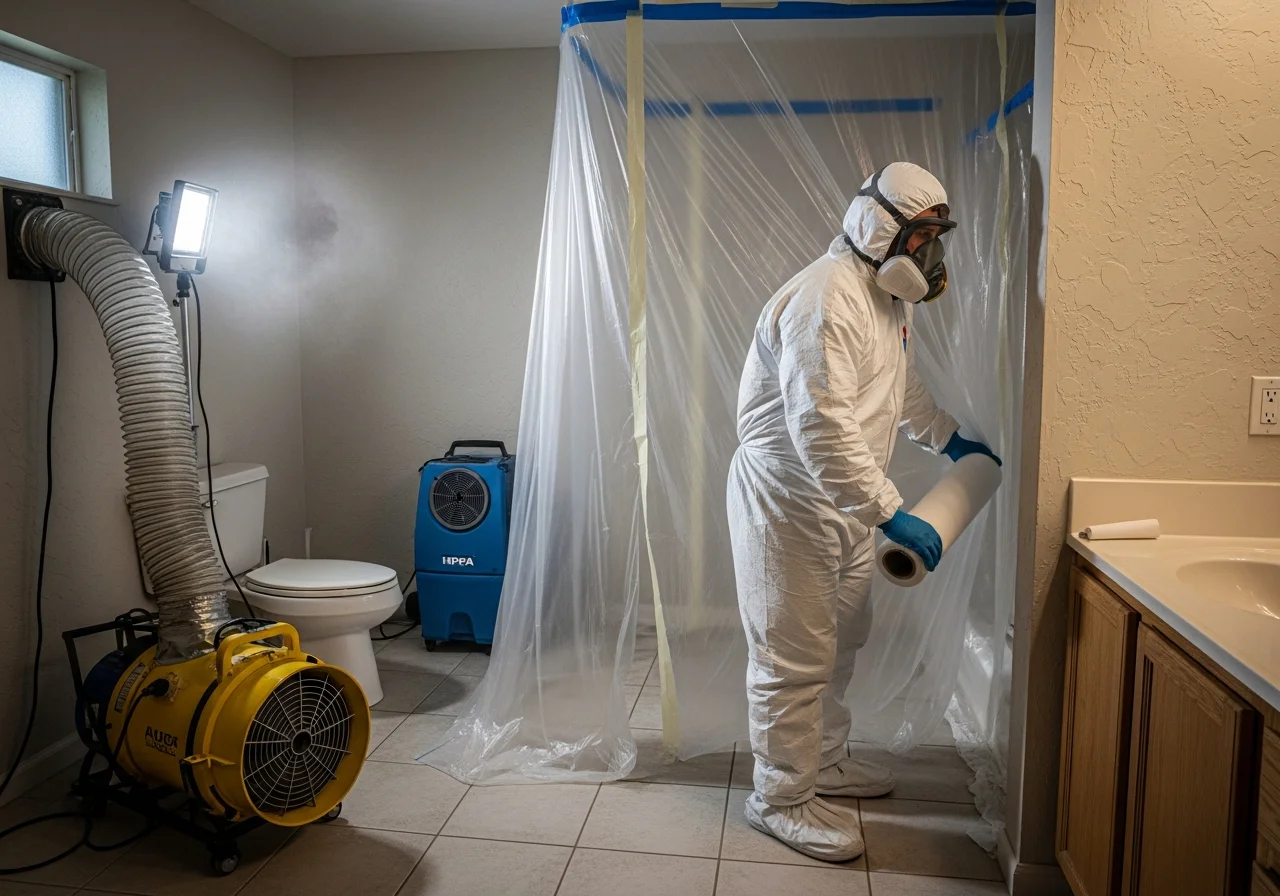
Professional mold remediation containment barrier with HEPA air scrubber setup in Jupiter FL home
Full containment setup with HEPA-filtered negative air pressure — preventing spore migration during CBS wall mold removal in a Jupiter home.
Post-remediation air quality testing and mold spore sampling being performed in Jupiter FL residence
Independent post-remediation air quality verification — Florida law requires clearance testing by a separately licensed DBPR mold assessor.
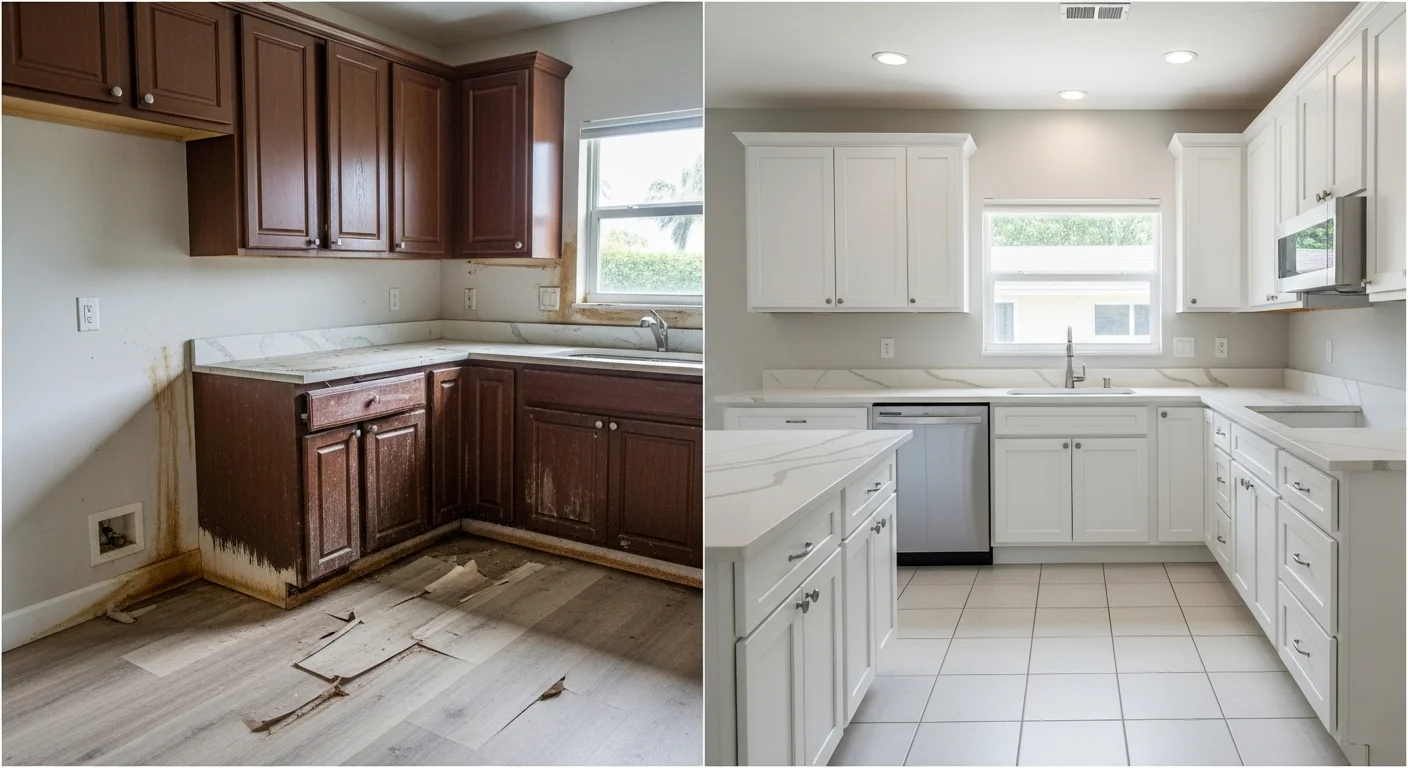
Before and after mold remediation and kitchen restoration in a Jupiter Florida home
Complete kitchen restoration after mold remediation — from hidden CBS wall cavity mold to fully rebuilt and finished space.

The Palm Build Difference

Why Jupiter Homeowners Choose Palm Build for Mold

IICRC Certified & FL DBPR Licensed

Palm Build holds a Florida DBPR mold remediation license and every crew lead carries current IICRC Mold Remediation Specialist (MRS) certification. We comply with Florida's strict separation of assessment and remediation requirements under Chapter 468, Part XVI.

Florida Licensed Mold Remediator

We maintain current Florida DBPR mold remediation credentials — verified at myfloridalicense.com. Unlike general contractors who may offer mold work without proper licensing, Palm Build operates fully within Florida regulatory requirements.

24/7 Emergency Response

Mold emergencies do not wait for business hours. Post-storm mold blooms, burst pipe mold spread, and HVAC failures that cause rapid contamination all require immediate response. Our Deerfield Beach hub dispatches to Jupiter within 60 minutes, day or night.

Insurance Documentation Experts

We understand Florida's post-AOB reform claim requirements, the filing deadlines under Fla. Stat. 627.70132, and mold coverage sublimits. Our documentation connects mold to the original water event with moisture maps, timeline photos, and scope details formatted for your adjuster.

CBS Wall Cavity Drying Specialists

Jupiter's CBS construction requires specialized remediation techniques. We understand stucco crack moisture intrusion patterns, block cavity mold colonization, and the specific drying protocols required for concrete block walls — expertise that wood-frame remediation companies lack.

Free Post-Remediation Verification

Florida law requires post-remediation clearance from a separate DBPR-licensed assessor. We coordinate with independent assessors for unbiased verification at no additional cost to the homeowner — giving you and your insurance carrier confidence the remediation meets Florida standards.

Common Questions

Jupiter Mold Remediation FAQ

Mold Problem in Jupiter?

Florida-licensed mold remediation from Palm Build. We eliminate mold at the source with full containment, HEPA filtration, and independent clearance testing. Serving Abacoa, Admirals Cove, Jonathan's Landing, Jupiter Country Club, The Bear's Club, and all Jupiter communities.

Under 60 min Response IICRC Certified