Fire & Smoke Damage Cleanup in Fort Mill, South Carolina
From Historic Downtown's aging electrical systems in textile-era buildings to Massey's $800K+ new construction, Palm Build's IICRC-certified team handles structural fire damage, soot removal, toxic vinyl fume decontamination, and full reconstruction — with HOA approval coordination and insurance documentation from the first call.
Charlotte, NC — Minutes from Fort Mill 30-45 min Response IICRC Certified
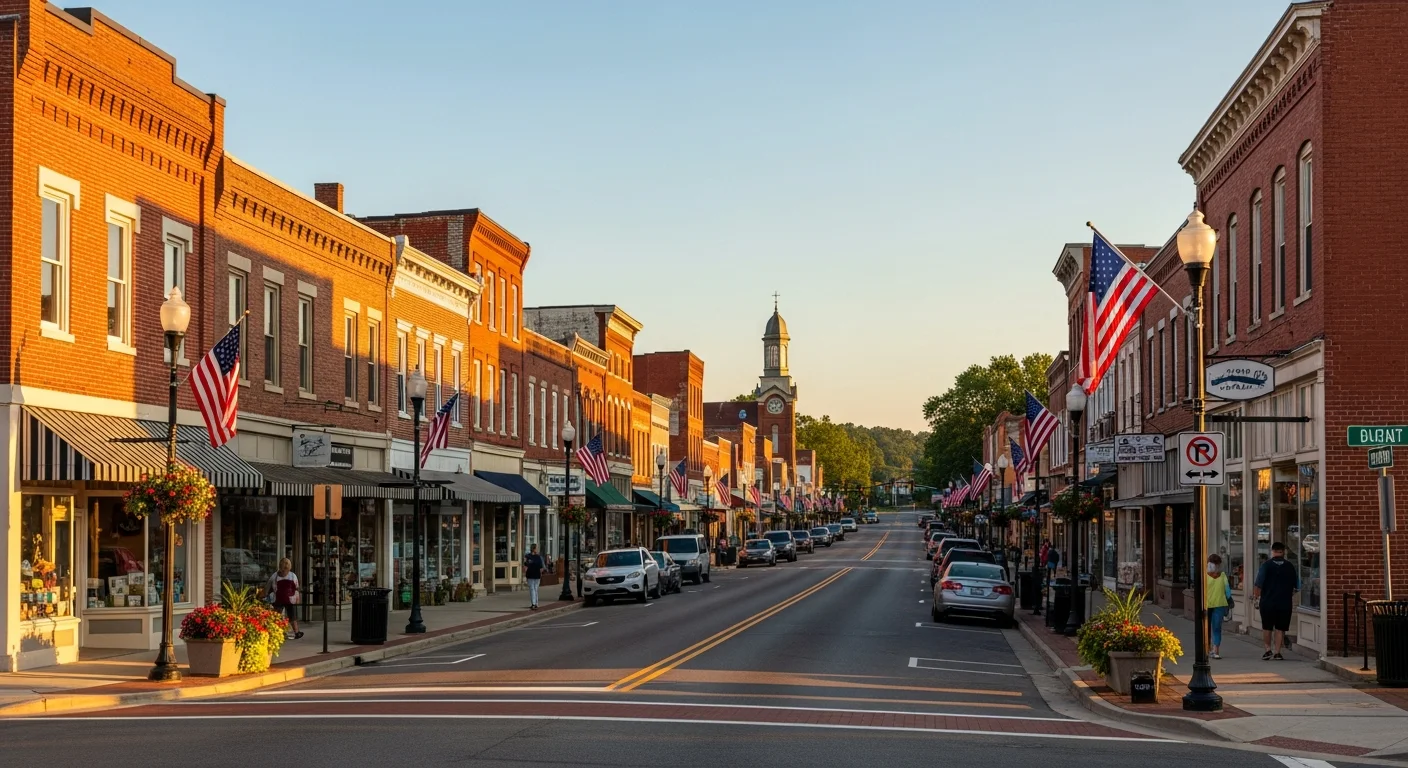
Fort Mill's distinct building stock — aging textile-era structures in Historic Downtown,
rapidly built vinyl-sided subdivisions like Massey and Baxter Village, and a mix of
construction eras that few other York County communities match — creates fire risks that
require local expertise to properly assess and restore.
Fort Mill's Historic Downtown — aging electrical systems in textile-era buildings create
elevated fire risk compared to newer construction neighborhoods
Historic Downtown Aging Electrical Systems
High
Fort Mill's Historic Downtown and Whiteville Park neighborhoods contain homes and commercial buildings with original or minimally updated electrical systems — knob-and-tube wiring from pre-1940 construction, aluminum branch circuits from the 1965-1975 era, and undersized service panels that were never upgraded for modern appliance loads. These fire risks are compounded by the absence of modern fire suppression systems in most of these structures. When fires start behind walls in these older buildings, they smolder undetected for hours — meaning smoke penetration into original plaster and hardwood is deep and extensive by the time fire crews arrive.
Peak season: Year-round
Rapid Growth Mixed-Construction Risk
Moderate
Fort Mill's explosive growth since 2010 — one of South Carolina's fastest-growing cities — has created a unique problem: new vinyl-sided subdivisions like Massey, Masons Bend, and Baxter Village sit adjacent to older construction neighborhoods, often sharing access roads and fire hydrant infrastructure that wasn't designed for this density. Quickly built production homes in boom-era subdivisions have occasionally had electrical and HVAC installation shortcuts that surface as fire risk within 10-15 years of construction. The York County fire district services a larger geographic area with longer average response times than municipalities — making rapid fire spread more common.
Peak season: Year-round
Vinyl Siding Fire Behavior
Specialized
Vinyl siding — the dominant exterior cladding on Fort Mill's post-2000 construction — behaves very differently from brick, fiber cement, or wood siding in a fire. Vinyl melts and deforms at temperatures as low as 165°F, long before flames reach it. As it burns, it releases hydrogen chloride gas — a toxic compound that creates a chemical contamination zone throughout the home beyond the visible fire and smoke damage. Affected areas require air quality testing, chemical neutralization, and complete siding replacement. Restoration scopes on vinyl-sided homes always include full cladding replacement in the fire zone, which significantly affects both cost and timeline.
Peak season: Year-round
Winter Heating Season Fires
High
Fort Mill's heating season — November through February — drives a consistent spike in residential fire calls. Space heaters placed too close to combustibles in the many Fort Mill homes without natural gas (propane is common in outer subdivisions), overloaded electrical circuits from holiday lighting, and chimney fires in the older brick homes near Historic Downtown all contribute. Fort Mill's newer construction homes typically have all-electric HVAC systems with heat strips — these trip breakers rather than catch fire, but older resistance heating elements can fail dangerously in properties with deferred maintenance. The combination of cold weather and fire-damaged structures creates challenging restoration conditions.
Peak season: Nov – Feb
Why Speed Matters
After a Fire in Fort Mill, Every Hour of Delay Costs You
The fire department puts out the flames — but that's when the real damage clock starts.
Soot, smoke residue, and fire-suppression water are all actively damaging your Fort Mill
home right now. Fort Mill's premium home values — median $519K, with Massey and Masons
Bend properties routinely over $800K — mean the stakes of slow response are higher than
almost anywhere in York County.
CRITICAL FACTOR 1
Soot Becomes Permanently Damaging in Hours
Acidic soot residue begins etching into surfaces within hours of a fire. Fort Mill's high-value finishes — hardwood floors throughout Massey and Masons Bend homes, stone and quartz countertops, stainless appliances, tile grout — are particularly vulnerable to soot acid. The chemical reaction accelerates when moisture is present, which is common after fire suppression. Stainless steel begins pitting within 48 hours. Stone countertops develop permanent etching. Chrome fixtures corrode. Every hour without professional neutralization treatment is irreversible.
CRITICAL FACTOR 2
Smoke Penetrates Deeper Every Day
Smoke odor molecules continue migrating into porous materials for days after the fire is out. Fort Mill's brick veneer homes — common throughout the city — absorb smoke differently than all-vinyl construction. Brick mortar joints, original hardwood floors, and the blown-in insulation typical of Fort Mill's newer subdivisions all trap smoke molecules that become progressively harder to eliminate as they penetrate deeper. A one-day delay can double the odor elimination scope.
CRITICAL FACTOR 3
Secondary Water Damage Drives Mold in 24-48 Hours
Fire suppression saturates homes with water — 150 to 250 gallons per minute per hose line. In Fort Mill's newer slab-on-grade homes, that water spreads across hardwood and tile floors with nowhere to drain. In older crawl-space homes near Historic Downtown, suppression water collects beneath the structure on soil and drives mold growth on wooden sill plates and floor joists within 24-48 hours. The fire damage and water damage must be addressed simultaneously — not sequentially.
30-45 Min Response to Fort Mill
Palm Build dispatches from our Charlotte office — just minutes from Fort Mill across
the state line. We begin emergency board-up, soot stabilization, and water extraction
simultaneously, stopping all three damage clocks at once. HOA coordination and
insurance documentation start from the first call.
The Science of Soot: How Fort Mill's Construction Materials Affect the Restoration
Fort Mill's building stock spans nearly a century of construction techniques — from
original hardwood and plaster in Historic Downtown to vinyl, engineered wood, and PVC
trim in Massey and Masons Bend. The materials that burned determine the soot type, the
cleaning chemistry required, and the total scope of restoration. Using the wrong
approach can permanently set stains and compound contamination.
Protein Residue (Kitchen Fires)
Kitchen fires are the most common fire type in Fort Mill's newer homes, where open-concept layouts connect kitchens directly to living areas. Protein residue from cooking fires is nearly invisible — a yellowish, greasy film that spreads throughout the home through HVAC circulation before it's even noticed. Fort Mill's upscale homes in Massey and Baxter Village often feature high-end cabinet finishes, custom tile, and natural stone that are especially vulnerable to protein residue discoloration over time. The residue bonds chemically to surfaces, and standard cleaning products not only fail to remove it — they can permanently set the stain.
Professional Cleaning Approach
Enzymatic cleaners and specialized degreasing agents matched to the surface type. Thermal fogging with protein-specific solutions for odor elimination throughout the open floor plan.
Natural Material Soot (Wood, Paper, Cellulose)
Fires in Fort Mill's older Historic Downtown buildings — with original wood framing, hardwood floors, plaster walls, and cellulose insulation — produce dry, powdery, gray-black soot. This type spreads via air movement and HVAC systems throughout the entire structure, coating every horizontal surface in rooms far from the fire origin. Fort Mill's brick veneer homes present a unique challenge: the brick itself absorbs this soot deeply into the mortar joints, requiring specialized media blasting or chemical treatment to fully clean without damaging the masonry. Original hardwood floors in pre-1970 construction also require careful hand-cleaning techniques to avoid driving soot deeper into the grain.
Professional Cleaning Approach
HEPA vacuuming first — never wipe dry soot, it smears. Chemical sponge treatment on all surfaces, followed by wet cleaning with appropriate detergents. Specialized masonry cleaning for brick veneer areas.
Synthetic Soot (Vinyl, Plastics, Polymers)
Fort Mill's newer subdivisions — Massey, Masons Bend, Sun City Carolina Lakes, Regent Park — are predominantly vinyl-clad with engineered flooring, PVC trim, foam insulation, and synthetic carpeting. When these materials burn, they produce thick, oily, black soot with a distinctly chemical smell. More critically, burning vinyl releases hydrogen chloride gas, which dissolves in moisture to form hydrochloric acid — creating a chemical contamination layer that requires air quality testing and specialized neutralization beyond standard soot cleaning. Synthetic soot smears aggressively on contact, meaning improper cleaning attempts can spread contamination to areas unaffected by the original fire.
Professional Cleaning Approach
Solvent-based cleaners formulated for petroleum-based residues. Air quality testing for hydrogen chloride. Multiple cleaning passes required. Full PPE for technicians. Affected vinyl siding must be replaced, not cleaned.
Odor Elimination
Permanently Eliminating Smoke Odor in Fort Mill Homes
Smoke odor is the most persistent aspect of fire damage — and the hardest to eliminate
in Fort Mill's diverse building stock. Masking agents and consumer-grade products do not
work. Fort Mill's brick and hardwood homes require combination odor elimination
approaches because different materials absorb and hold smoke at different rates and
depths. Professional treatment must reach the source, not just the surface.
Thermal Fogging
Heated deodorizing agents are converted into a fine fog that penetrates porous materials the same way smoke did — through microscopic pores, mortar joints, and wall cavities. This is the primary method for Fort Mill's brick veneer homes, where smoke embeds deeply into the masonry itself. The fogging agent chemically neutralizes odor molecules rather than masking them with fragrance. For Fort Mill's older homes with original hardwood floors and plaster walls, multiple fogging applications across several days are standard to reach smoke that has migrated into older, denser materials.
Best for: Brick veneer, original hardwood floors, plaster walls, older Historic Downtown homes
Ozone Treatment
Ozone generators produce O3 — a highly reactive oxygen molecule that breaks down smoke odor compounds at the molecular level. Ozone is extremely effective for sealed, unoccupied spaces. We use ozone treatment in enclosed areas like attics, crawl spaces, closets, and sealed rooms where concentrated treatment reaches maximum effectiveness. Fort Mill's newer homes with finished attic spaces are well-suited to ozone treatment because the foam board insulation and sealed thermal envelope concentrate the treatment. The space must be completely vacated — including pets and plants — during treatment.
Best for: Sealed attics, finished basements, enclosed rooms, unoccupied areas
Hydroxyl Generation
Hydroxyl generators produce hydroxyl radicals — naturally occurring molecules that purify outdoor air via sunlight — to break down odor compounds without requiring the space to be vacated. We deploy hydroxyl generators in occupied restoration zones where workers or homeowners need access. This method is particularly valuable during Fort Mill HOA projects where the property owner may need on-site access to coordinate with architectural review committees while restoration is in progress. Hydroxyl generation also provides continuous air quality improvement during the multi-week restoration process.
Best for: Occupied spaces, active restoration zones, ongoing treatment during project
The Hidden Damage
Fire Suppression Water Damage: Fort Mill's Second Wave
Most Fort Mill homeowners are unprepared for how much water the York County Fire
Department uses to suppress a residential fire. A single attack hose line delivers 150
to 250 gallons of water per minute. A two-hose response — standard for any room fire —
deposits 300 to 500 gallons per minute directly into your home. Over a 30-minute
suppression operation, that's 9,000 to 15,000 gallons soaking drywall, subfloors,
insulation, and everything in lower floors.
Fort Mill's housing stock creates two distinct suppression water scenarios. In newer
slab-on-grade homes throughout Massey, Masons Bend, and Baxter Village, fire water
spreads across hardwood and tile floors with nowhere to drain — pooling under
cabinetry, behind baseboards, and beneath LVP flooring where it feeds mold within
24-48 hours. In older crawl-space homes near Historic Downtown, suppression water
collects under the structure on soil and drives mold growth on sill plates and floor
joists that may already have elevated moisture from Fort Mill's seasonal humidity.
Palm Build handles fire and water damage as one integrated project. Our technicians
are cross-trained in both disciplines — beginning water extraction and structural
drying while performing soot stabilization, so both damage types are addressed from
day one without the cost and delay of separate contractors. Learn more about our Fort Mill water damage restoration services.
Fire restoration in Fort Mill involves multiple simultaneous damage types — structural
fire damage, soot contamination, smoke odor, water from suppression, and often HOA
coordination. Our 6-step process addresses all of these in a coordinated sequence
designed to minimize your total restoration timeline.
01
Emergency Board-Up & Securing
Hours 1-4
We secure your Fort Mill property against weather, theft, and further structural exposure immediately. Board-up covers damaged windows and doors; roof tarping prevents rain intrusion through fire-compromised areas. Fort Mill's afternoon thunderstorm season means an unsecured fire-damaged home can take on thousands in additional water damage overnight — this step is not optional.
02
Damage Assessment & Documentation
Day 1-2
Our IICRC-certified team performs a comprehensive walk-through documenting every affected area with photos, video, and moisture readings. We classify the soot type present, assess structural integrity, and identify vinyl or synthetic material fire zones requiring special handling. For HOA communities like Massey and Baxter Village, we document all exterior damage in the format required for architectural review committee submissions.
03
Water Extraction & Structural Drying
Days 1-5
Fire suppression water is extracted and structural drying begins simultaneously with soot stabilization — not after. Commercial dehumidifiers and air movers are positioned throughout affected areas and monitored with daily moisture readings. In Fort Mill's slab-on-grade homes, special attention is given to flooring assemblies, cabinetry bases, and wall bottom plates. In crawl-space homes, we inspect and dry beneath the structure to prevent mold growth on framing members.
04
Soot & Smoke Removal
Days 3-10
Professional soot removal uses chemistry matched to the specific soot type identified in assessment. HEPA vacuuming removes loose particulate from all surfaces without spreading it. Chemical sponges lift embedded dry soot; specialized degreasers address protein residue; solvent-based cleaners handle synthetic soot from vinyl and polymer materials. Fort Mill's brick veneer surfaces require specialized masonry cleaning to fully remove smoke from mortar joints without etching the brick face.
05
Smoke Odor Elimination
Days 5-14
Odor elimination uses a combination of thermal fogging, ozone treatment, and hydroxyl generation matched to Fort Mill's specific material mix. Brick homes typically require thermal fogging to penetrate masonry. Vinyl and synthetic-heavy newer construction needs ozone treatment for chemical odors. Hydroxyl generation maintains air quality during the multi-day process. For Massey and Masons Bend premium homes, we verify odor elimination with before-and-after air quality testing.
06
Reconstruction & Full Restoration
Weeks 2-8+
Once cleaning and odor treatment are verified complete, full reconstruction begins: drywall, flooring, cabinetry, painting, electrical, plumbing, and all finish work. We coordinate SC LLR permits through York County, handle all required inspections, and submit HOA exterior approval documentation for communities requiring architectural review. For Historic Downtown properties, we source period-appropriate materials and techniques to preserve the building's character while meeting modern code requirements. Call (704) 464-0121 to schedule your assessment.
Fort Mill Pricing
Fire Damage Restoration Costs in Fort Mill, SC
Fort Mill's combination of premium home values, vinyl-dominated newer construction, HOA
exterior requirements, and SC LLR permitting complexity pushes restoration costs above
state averages in most fire scenarios. The good news: fire is one of the most
comprehensively covered perils under South Carolina HO-3 homeowners policies.
Kitchen / Contained Fire
Smoke and soot cleanup, minor repairs
$5,000 – $25,000
Fort Mill's premium kitchen finishes — quartz countertops, custom cabinetry, high-end appliances — push cleanup costs above national averages even for contained kitchen fires.
Moderate Residential Fire
Structural damage, full-room restoration
$15,000 – $50,000
Room-level fires with smoke spread to adjacent areas. Vinyl siding replacement, hardwood floor restoration, and HOA exterior approval coordination add scope versus other markets.
Major Structural Fire
Multi-room, roof damage, full reconstruction
$50,000 – $200,000+
Premium communities like Massey and Masons Bend — with $800K+ homes and high-end finish packages — regularly exceed the upper range. Historic Downtown properties add SC LLR permitting complexity.
Fort Mill Cost Factors That Affect Your Estimate
Vinyl siding fire zones require full replacement, not cleaning
HOA approval adds 1-3 weeks to exterior work timelines
Fort Mill median home value $519K — premium finishes drive higher restoration costs
SC LLR permitting required for all structural work in York County
Massey and Masons Bend luxury finishes at the higher end of every tier
Historic Downtown properties: material matching and preservation requirements
Insurance Coverage
Fire Insurance in Fort Mill: What Your SC Policy Covers
Fire damage is one of the most comprehensively covered perils under South Carolina
homeowners insurance (HO-3). Fort Mill homeowners pay an average of $2,430 per year for
coverage that covers virtually all fire-related damage — structural, contents, smoke
cleanup, water from suppression, and temporary living expenses. With median home values
at $519K and $800K+ properties in communities like Massey and Masons Bend, maximizing
your claim settlement matters significantly.
Structural repair and reconstruction to pre-loss condition
Professional soot and smoke cleaning of all affected surfaces
Water damage from fire suppression — extraction and structural drying
Vinyl siding replacement in fire-affected zones (not cleanable)
Contents restoration or replacement — furniture, electronics, clothing
Additional Living Expenses (ALE) for temporary housing during restoration
Debris removal and hazardous material disposal including toxic vinyl fire residue
SC LLR code upgrades required during reconstruction (with ordinance-and-law endorsement)
Palm Build Manages Your Fort Mill Fire Claim
We work directly with your insurance adjuster from the first inspection. Our fire damage
documentation — structural assessments, soot type classification, vinyl hazmat zones,
moisture readings, photo evidence, and detailed scopes of work — is formatted exactly
how SC carriers and York County adjusters expect to receive it. For HOA communities, we
simultaneously handle insurance coordination and architectural review committee
submissions so your timeline isn't delayed by either process.
Fort Mill Fire Restoration: From Emergency Response to Reconstruction
Every Fort Mill fire restoration project follows a complete arc — from same-night
emergency securing through final reconstruction, HOA approval, and insurance closeout.
These images represent the scope of work Palm Build handles on Fort Mill properties.
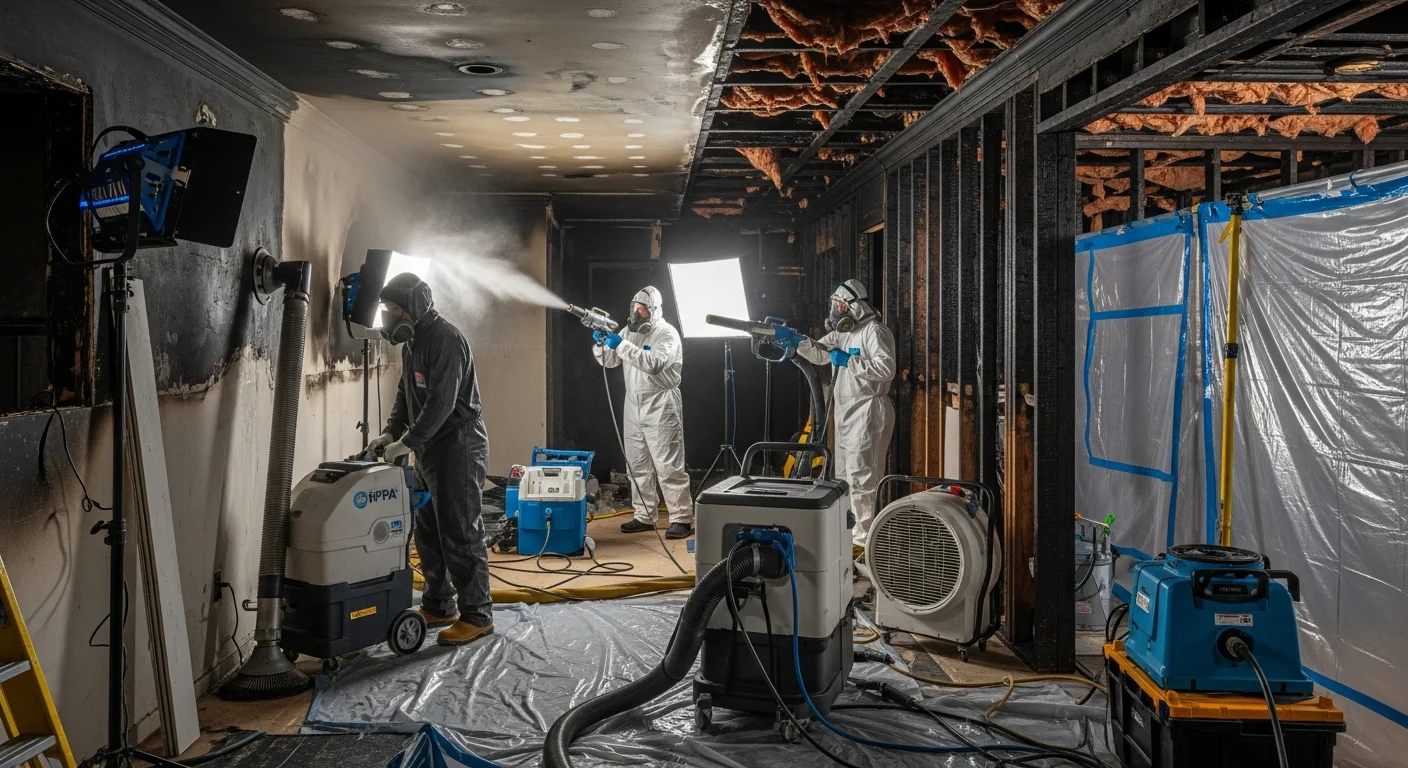
Active fire and smoke restoration — soot stabilization and structural assessment in progress
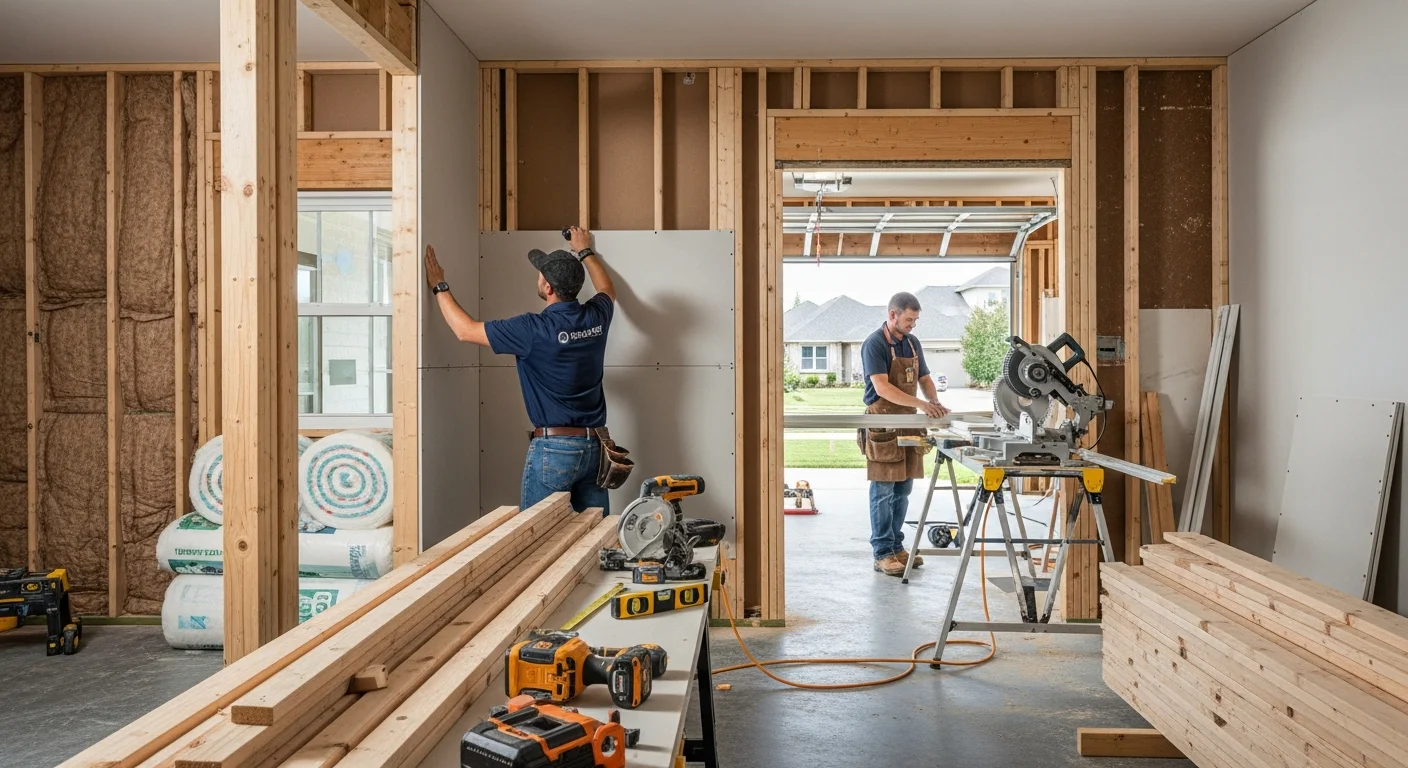
After reconstruction — fully restored to pre-loss condition with matching finishes and materials
Every Fort Mill Project Gets the Same Commitment
From a contained kitchen fire in Baxter Village to a major structural fire in Historic
Downtown, every Palm Build project in Fort Mill receives the same IICRC-certified
restoration process, SC LLR licensed reconstruction, HOA coordination, and full insurance
documentation from day one.
The Palm Build Difference
Why Fort Mill Homeowners Choose Palm Build After a Fire
Fort Mill fire restoration requires a contractor who understands the local building
stock, SC LLR licensing requirements, HOA exterior approval processes, and the premium
property values at stake — not a national franchise unfamiliar with York County's
specific challenges.
30-45 Minute Response to Fort Mill
Our Charlotte operations hub on Crompton Street puts us 30-45 minutes from every Fort Mill neighborhood — not 2-3 hours like regional franchises based in Columbia or Charlotte suburbs. Board-up, tarping, soot stabilization, and water extraction begin the same evening as the fire.
IICRC Fire & Smoke Restoration Certified
Every crew lead holds current IICRC Fire and Smoke Restoration Technician (FSRT) certification. We follow S540 standard procedures for all Fort Mill fire projects regardless of property size or value.
SC LLR Licensed for York County
South Carolina requires an SC LLR licensed general contractor for all structural repair and reconstruction work in Fort Mill. Palm Build holds the required licenses for York County — ensuring full legal compliance, valid permits, and insurance documentation that isn't voided by unlicensed contractor issues.
Fire + Water + Reconstruction: One Team
Fort Mill fire projects always involve water damage from suppression and often involve mold risk in crawl-space homes. Our technicians are cross-trained across all three disciplines — fire, water, and mold — so one team manages the entire scope without handoffs that add weeks to your timeline.
HOA Expertise in Fort Mill Communities
Baxter Village, Massey, Regent Park, Sun City Carolina Lakes, and Masons Bend all require HOA approval letters before exterior restoration work begins. Palm Build prepares and submits all required HOA documentation, coordinates with architectural review committees, and ensures all materials and colors meet community standards.
Insurance Documentation from Day One
Fire claims involve the most comprehensive insurance documentation of any restoration type. Our soot classification reports, structural assessments, vinyl hazmat zone documentation, and scope-of-work packages are formatted exactly how SC carriers and York County adjusters expect to receive them — accelerating claim approval for Fort Mill homeowners.
Common Questions
Fort Mill Fire & Smoke Damage FAQ
Answers to the most common questions Fort Mill homeowners ask after a fire — covering
response time, insurance, HOA coordination, SC licensing, and restoration timelines.
How quickly should fire damage restoration begin in Fort Mill?
Immediately. Soot becomes increasingly acidic within hours and begins permanently etching hardwood floors, stone countertops, and tile grout common in Fort Mill's high-value homes. Smoke odor penetrates deeper into materials with every passing hour — especially the brick veneer and vinyl siding prevalent throughout York County. Palm Build responds within 30-45 minutes from our Charlotte office to begin emergency board-up, soot stabilization, and water extraction before secondary damage compounds the loss.
Does homeowners insurance cover fire damage in Fort Mill?
Yes — fire damage is one of the most comprehensively covered perils under standard South Carolina homeowners policies (HO-3). Fort Mill homeowners pay an average of $2,430 per year for coverage that typically includes structural repair, contents restoration, smoke and soot cleanup, temporary living expenses (ALE), and debris removal. With median home values at $519K and $800K+ in communities like Massey and Masons Bend, maximizing your claim settlement is critical — Palm Build provides detailed documentation from the first emergency call.
How does vinyl siding affect fire and smoke damage restoration?
Vinyl siding — the dominant exterior material in Fort Mill's newer subdivisions — melts at relatively low temperatures and releases toxic hydrogen chloride fumes when burning. This creates a chemical contamination layer beyond the visible fire and smoke damage. Affected areas require air quality testing, specialized chemical neutralization, and full siding replacement rather than cleaning. We identify all vinyl-affected zones and include them in your insurance documentation.
Do HOA communities require approval before restoration work can begin?
Yes. Fort Mill's major HOA communities — including Baxter Village, Massey, Regent Park, and Sun City Carolina Lakes — require HOA approval letters before exterior restoration or reconstruction work begins. Palm Build prepares and submits all required HOA documentation, coordinates with your association's architectural review committee, and ensures all materials match community standards. We handle this alongside insurance coordination so your restoration timeline is not delayed by paperwork.
What SC licensing is required for fire restoration contractors?
South Carolina's Department of Labor, Licensing and Regulation (SC LLR) requires a licensed general contractor for any structural repair or reconstruction work. Palm Build holds all required SC LLR contractor licenses for York County and Fort Mill, ensuring full legal compliance for every project. Unlicensed contractors working on fire damage in South Carolina expose homeowners to voided insurance claims and permit violations — verify licensing before signing any restoration contract.
Why are older Historic Downtown buildings at higher fire risk?
Fort Mill's Historic Downtown and Whiteville Park neighborhoods contain homes and commercial buildings with original or minimally updated electrical systems — knob-and-tube wiring, aluminum branch circuits, and undersized panels — all associated with significantly elevated fire risk. These structures also lack modern fire suppression systems. When fires do occur in these buildings, smoke penetrates deeply into older plaster walls and original hardwood floors, requiring careful restoration to preserve historic character while eliminating contamination.
How long does fire damage restoration take in Fort Mill?
Timeline depends on severity and property type. A contained kitchen fire in a new Fort Mill subdivision home may take 1-2 weeks. Moderate residential fires with smoke spread throughout the structure typically require 4-8 weeks. Major structural fires in older Historic Downtown buildings — where material matching and SC LLR permitting add complexity — can take 3-6 months. HOA approval timelines in communities like Baxter Village and Massey are factored into project scheduling from day one.
What about water damage from firefighting in Fort Mill homes?
Fire suppression is the leading cause of secondary water damage in house fires — a single fire hose delivers 150-250 gallons per minute. In Fort Mill's newer slab-on-grade homes, suppression water pools across hardwood and tile floors with limited drainage. In older crawl-space homes common near Historic Downtown, water collects beneath the structure and drives mold growth within 24-48 hours. Palm Build handles fire and water damage simultaneously, beginning water extraction and structural drying while performing soot stabilization.
What areas of Fort Mill does Palm Build serve for fire restoration?
We serve all of Fort Mill and York County including Baxter Village, Sun City Carolina Lakes, Regent Park, Massey, Masons Bend, Historic Downtown Fort Mill, Whiteville Park, and surrounding communities including Indian Land, Tega Cay, and Riverview. Our Charlotte office reaches all Fort Mill neighborhoods within 30-45 minutes.
Fire Damage in Fort Mill? Every Hour Counts.
Soot becomes permanently damaging within hours — and Fort Mill's high-value finishes (hardwood, stone, tile) are especially vulnerable. Palm Build's Charlotte team responds in 30-45 minutes with emergency board-up, soot stabilization, and water extraction, plus HOA coordination and insurance documentation from the first call.