(888) 245-5155
Call Now 24/7
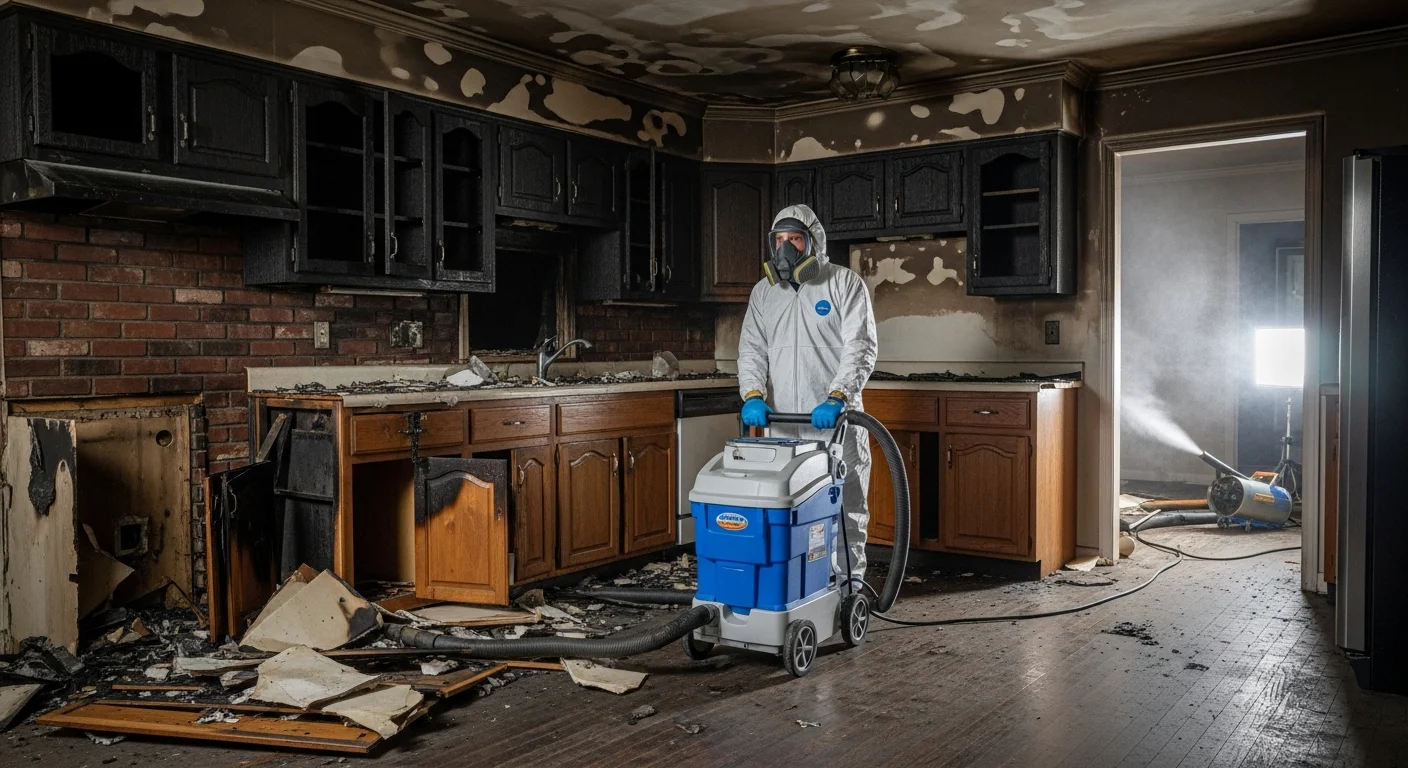
Palm Build fire and smoke restoration crew working inside a fire-damaged Gastonia, North Carolina home with HEPA air scrubbers and soot cleaning equipment
GASTONIA NC — 24/7 FIRE & SMOKE RESTORATION

Fire & Smoke Damage Cleanup in Gastonia, North Carolina

One-third of Gastonia's homes were built before 1960 — many with aluminum wiring, knob-and-tube circuits, and undersized electrical panels that make this city's fire risk among the highest in the Charlotte metro. From century-old Loray Village mill houses to Gardner Park brick ranches, Palm Build's IICRC-certified team handles structural fire damage, soot removal, smoke odor elimination, and full reconstruction with insurance coordination from the first call.

Approximately 25 miles — Gastonia, NC 45-60 min Response IICRC Certified

45-60 min

Emergency Response

24/7

Dispatch Available

IICRC

Certified Technicians

Local Risk Factors

Fire Risks Specific to Gastonia Homes

Gastonia's aging housing stock — from Loray Village's century-old mill homes to Gardner Park's 1960s brick ranches — creates elevated fire risk profiles unlike newer communities. Understanding which risks apply to your neighborhood ensures your restoration company knows what they're dealing with from the first call.

Aging Electrical in Pre-1960 Homes

High

Nearly half of Gastonia's housing stock was built before 1970, and homes constructed before 1960 often contain original knob-and-tube wiring or aluminum branch wiring installed between 1965 and 1975. These systems were never designed for the electrical loads demanded by modern appliances, HVAC systems, and electronics. Overloaded circuits, corroded connections, and deteriorating insulation create conditions where electrical fires smolder behind walls for hours before detection — meaning smoke damage is typically extensive before flames become visible.

Peak season: Year-round

48%

Homes pre-1970
Space Heater Fires (November-February)

High

Gastonia's winter heating season drives a significant spike in residential fires. Space heaters placed too close to bedding, curtains, and upholstered furniture account for the majority of winter fire calls. Many older Gastonia homes — particularly brick ranches in Gardner Park and Quail Ridge — rely on supplemental space heaters because their original HVAC systems can't keep up with cold snaps. Combined with older homes that have limited electrical capacity, space heaters overload circuits and ignite nearby combustibles.

Peak season: Nov - Feb

3x

Winter fire spike

Kitchen Fires in Gastonia Homes

Most Common

Cooking fires are the leading cause of residential fires in Gaston County and across North Carolina. The protein soot produced by kitchen fires creates an invisible, bonding residue that standard cleaning cannot remove. In Gastonia's older homes with enclosed galley kitchens, the concentrated heat and soot can be intense in the affected area. In newer open-concept homes in Robinson Oaks and Martha's Ridge, kitchen fire smoke travels rapidly through the entire living space via connected rooms and HVAC systems.

Peak season: Year-round

#1

Cause of home fires

Loray Village Century-Old Wiring

Highest

The Loray Village neighborhood — built between 1901 and the 1920s to house Loray Mill workers — contains some of the oldest residential wiring in the Charlotte metro. These homes were electrified when residential service meant a handful of light fixtures and perhaps a radio. Over a century of piecemeal electrical additions, DIY modifications, and aging insulation on original conductors creates extreme fire risk. Many Loray Village homes have never had a full electrical rewire, and the combination of original knob-and-tube wiring with modern loads is a fire waiting to happen.

Peak season: Year-round

100+

Years old wiring

Fire and smoke damage restoration in progress at a Gastonia, North Carolina home
Gastonia's aging electrical systems and older construction create elevated fire risk — professional restoration addresses structural, soot, and odor damage simultaneously.

Neighborhood Risk Profiles

Fire Risk by Gastonia Neighborhood

Fire risk in Gastonia varies dramatically by neighborhood. Home age, wiring type, and construction materials determine how likely a fire is to start — and how complex the restoration will be afterward.

Loray Village
1901-1920s Wood frame / pier
Century-old knob-and-tube wiring, original wood framing, no modern fire stops between walls
Highest
Gardner Park
1950s-1970s Brick ranch / crawl
Aging electrical panels, aluminum wiring in 1965-75 homes, space heater reliance
High
Highland
1940s-1960s Wood frame / brick
Outdated wiring, original gas appliances, older HVAC creating overload risk
High
Quail Ridge
1960s-1980s Brick ranch / crawl
Undersized electrical panels, aging supply lines, space heater supplementation
Moderate-High
Catawba Hills
1970s-1990s Mixed / crawl-slab
HVAC electrical failures, older appliance wiring, kitchen fire risk
Moderate
Willow Creek
1980s-1990s Vinyl / slab
Synthetic material fire risk, kitchen fires, aging HVAC components
Moderate
Robinson Oaks
2000s-2010s Modern / slab
Kitchen fires primary risk, synthetic materials produce toxic soot
Low-Moderate
Martha's Ridge
2010s-present Modern / slab
Arc-fault breakers reduce risk; kitchen and dryer fires remain primary concern
Low
Our Fire Restoration Process

How We Restore Gastonia Homes After Fire Damage

Fire restoration is more complex than water or mold because it involves multiple damage types simultaneously — structural fire damage, soot contamination, smoke odor, and water from fire suppression. Our six-step process addresses all four in a coordinated sequence.

01

Emergency Board-Up & Securing

Hours 1-4

We secure your Gastonia home against weather, theft, and further damage. This includes boarding windows, tarping damaged roof sections, and securing doors. For Gastonia's frequent afternoon thunderstorms — especially during March through May — an unsecured fire-damaged home can sustain thousands in additional water damage from a single storm. Our crew arrives within 45 minutes from our Charlotte operations hub.

02

Damage Assessment & Documentation

Day 1-2

Our IICRC-certified team performs a comprehensive walk-through documenting every affected area with photos, video, and moisture readings. We classify the fire type (protein, natural, synthetic), assess structural integrity, and create a detailed scope of work. For Gastonia's older brick ranch homes, this includes evaluating original hardwood floors, plaster walls, and crawl space structural members. This documentation becomes the foundation of your insurance claim.

03

Soot & Smoke Removal

Days 2-8

Professional soot removal uses chemistry matched to the specific soot type. HEPA vacuuming removes loose particulate, chemical sponges lift embedded residue, and wet cleaning with specialized detergents addresses remaining contamination. Every surface in the affected area is treated — walls, ceilings, trim, cabinetry, and structural members. Gastonia homes with original hardwood floors, plaster walls, or exposed brick require specialized techniques to clean without damaging these irreplaceable materials.

04

Structural Deep Cleaning

Days 5-12

Beyond visible surfaces, smoke penetrates into wall cavities, crawl spaces, attic insulation, and HVAC ductwork. We disassemble and clean ductwork, remove contaminated insulation, clean inside wall cavities where accessible, and treat structural framing. In Gastonia's crawl space homes, smoke often settles into the crawl space and concentrates on floor joists and subflooring — areas that must be treated to prevent persistent odor.

05

Odor Elimination

Days 8-16

Smoke odor elimination is a multi-step process that treats the source — not just masks the smell. We use thermal fogging for porous materials like Gastonia's brick and hardwood, ozone treatment for sealed crawl spaces and attics, and hydroxyl generation for occupied areas. For older Gastonia homes with deeply porous construction materials, we often use a combination approach across multiple days to fully eliminate embedded odors.

06

Reconstruction & Restoration

Weeks 2-8+

Once cleaning and odor treatment are verified complete, we handle full reconstruction: drywall, flooring, cabinetry, painting, electrical, plumbing, and finish work. For Gastonia homes in the Loray Mill Historic District, restoration work must respect the neighborhood's historic character and may require period-appropriate materials. For homes with outdated wiring that caused the fire, we coordinate full electrical system upgrades as part of the reconstruction.

The Science of Smoke Penetration

How Smoke Permeates Gastonia Building Materials

Smoke doesn't just sit on surfaces — it migrates into every porous material in your home. Gastonia's predominant construction materials — brick, hardwood, and crawl space framing — each absorb and trap smoke differently. Understanding the science determines which treatment methods will actually work and which will leave you with persistent odor months later.

Brick Absorbs Soot Differently

Deep Penetration

Gastonia's older homes — especially the full-brick ranch construction dominant in Gardner Park, Quail Ridge, and Highland — present a unique soot challenge. Brick is highly porous, with tiny interconnected voids that act like a sponge for smoke particles. Unlike drywall (which can be replaced), original brick is structural and irreplaceable. Soot penetrates up to a quarter-inch into brick surfaces, and the alkaline nature of mortar reacts with acidic smoke compounds to create stubborn discoloration that standard cleaning cannot remove.

Professional Treatment

Media blasting with walnut shell or baking soda (gentle enough to preserve mortar joints), followed by alkaline-resistant sealant application to prevent odor bleed-through.

Hardwood Floors Trap Smoke Odor

Moderate-Deep

Original hardwood floors in Gastonia's pre-1970 homes — typically oak or pine — absorb smoke through their grain structure, between board gaps, and through the finish itself. Heat from the fire opens the wood grain, allowing smoke molecules to penetrate far deeper than they would at room temperature. The polyurethane finish common on refinished floors may appear intact but smoke passes through microscopic imperfections. Beneath the hardwood, the plywood or board subfloor absorbs smoke from both above and below through the crawl space.

Professional Treatment

Surface sanding to remove contaminated finish layers, enzymatic treatment to neutralize odor within the grain, followed by sealing with odor-blocking primer before refinishing. Severely affected boards may require selective replacement.

Crawl Spaces Concentrate Smoke

Concentrated

Most pre-1980 Gastonia homes sit on crawl space foundations — and crawl spaces act as smoke collection chambers during and after a fire. Smoke is heavier than air when it cools, and it settles downward through floor penetrations (plumbing, electrical, HVAC vents) into the crawl space. The confined space concentrates smoke against floor joists, subflooring, insulation, and ductwork. Gastonia's vented crawl space design compounds the problem: cross-ventilation distributes smoke residue across the entire underside of the home, not just the area beneath the fire origin.

Professional Treatment

Complete crawl space remediation: removal of contaminated insulation, HEPA vacuuming of all framing surfaces, wet cleaning of floor joists and subflooring, thermal fogging in the enclosed space, and replacement of insulation and vapor barriers.

HVAC Ductwork Distributes Contamination

System-Wide

Gastonia's forced-air HVAC systems — present in virtually every home — become smoke distribution networks during a fire. Smoke enters return ducts, passes through the blower, and deposits soot throughout every supply duct in the house. Even after visible cleaning, microscopic soot particles embedded in duct seams, insulation liners, and the evaporator coil continue to circulate with every HVAC cycle. If the system runs after the fire (which happens frequently when power is restored before restoration begins), contamination spreads to every room in the home.

Professional Treatment

Full duct system cleaning with HEPA-filtered negative air machines, coil cleaning, blower cleaning, and replacement of all duct insulation. Heavily contaminated flex duct is replaced entirely rather than cleaned.

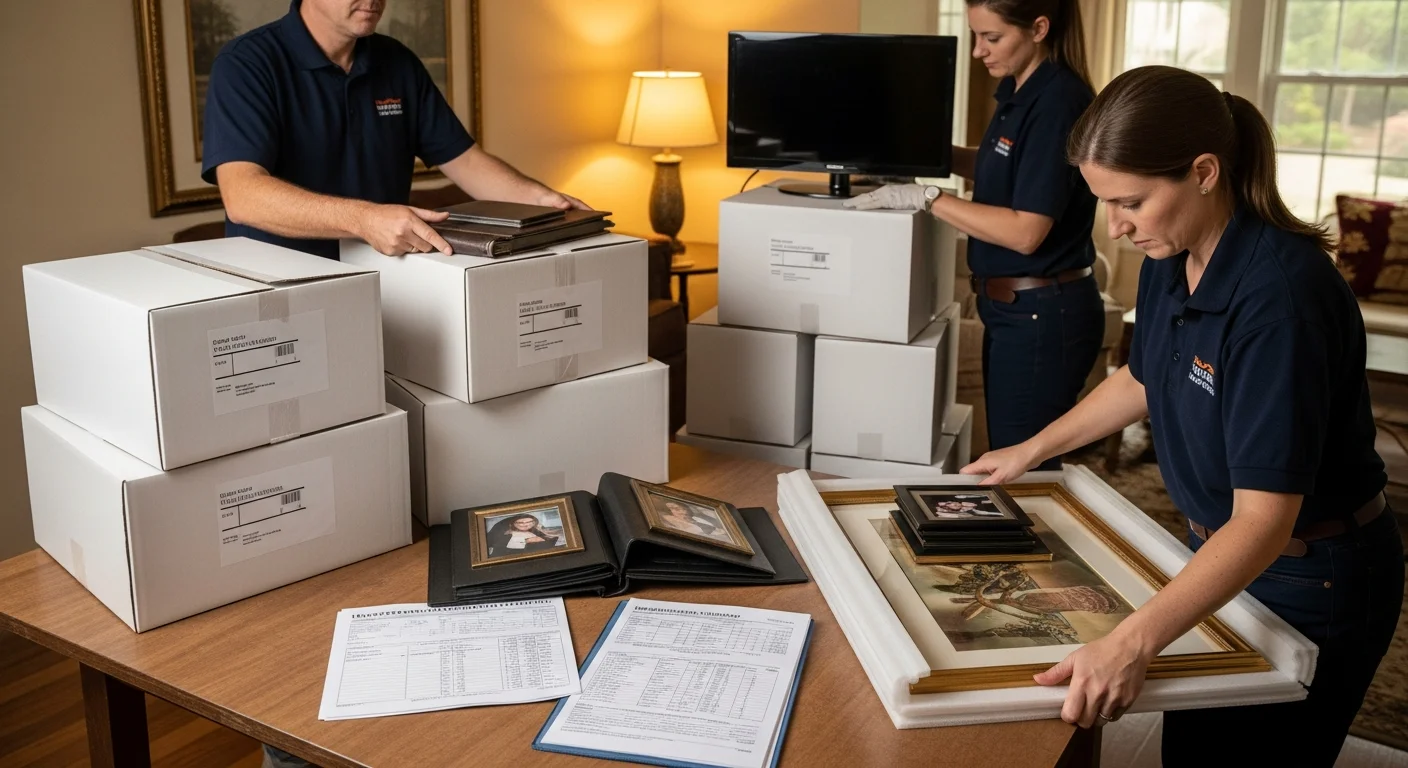
Contents packout and restoration after fire and smoke damage in a Gastonia home
Professional contents packout — personal belongings are inventoried, cleaned off-site using specialized techniques matched to the soot type, and returned after the home is fully restored.

Gastonia Pricing

Fire Damage Restoration Costs in Gastonia

Fire restoration costs vary based on severity, affected area, and construction type. Gastonia's older brick ranch homes with original hardwood floors and plaster walls typically require more specialized (and costly) restoration techniques than newer construction. The good news: fire is one of the most comprehensively covered perils under North Carolina homeowners insurance — most of these costs are covered by your policy.

Minor Fire (Kitchen/Contained)

Smoke and soot cleanup, localized repairs

$3,000 - $8,000

  • Contained to single room or area
  • Soot removal from affected surfaces
  • Odor treatment (1-2 methods)
  • Minor cosmetic repairs and repainting
  • HVAC duct cleaning if system ran during fire

Moderate Residential Fire

Multi-room damage, structural restoration

$8,000 - $25,000

  • Multiple rooms affected by fire, soot, or smoke
  • Structural cleaning and partial demo
  • Full odor elimination (multi-method)
  • Water extraction from fire suppression
  • Partial reconstruction: drywall, flooring, trim
  • Contents packout and professional cleaning

Major Structural Fire

Full reconstruction, roof/framing damage

$25,000 - $75,000+

  • Structural framing damage requiring replacement
  • Roof, wall, or floor system reconstruction
  • Complete interior demo and rebuild
  • Full electrical and plumbing replacement
  • Crawl space remediation and restoration
  • Code upgrades required during rebuild

Every fire is different. These ranges reflect typical Gastonia residential projects. Your actual cost depends on fire type, affected square footage, construction materials, and insurance coverage. We provide a detailed scope of work and cost estimate within 48 hours of assessment — before any restoration work begins.

Historic Preservation

Loray Mill Historic District: Special Fire Restoration Considerations

The Loray Mill Historic District encompasses 649 contributing structures — one of the largest intact mill village collections in the Southeast. Fire restoration in this district requires balancing emergency response speed with preservation requirements that don't apply elsewhere in Gastonia. Palm Build understands both sides of this equation.

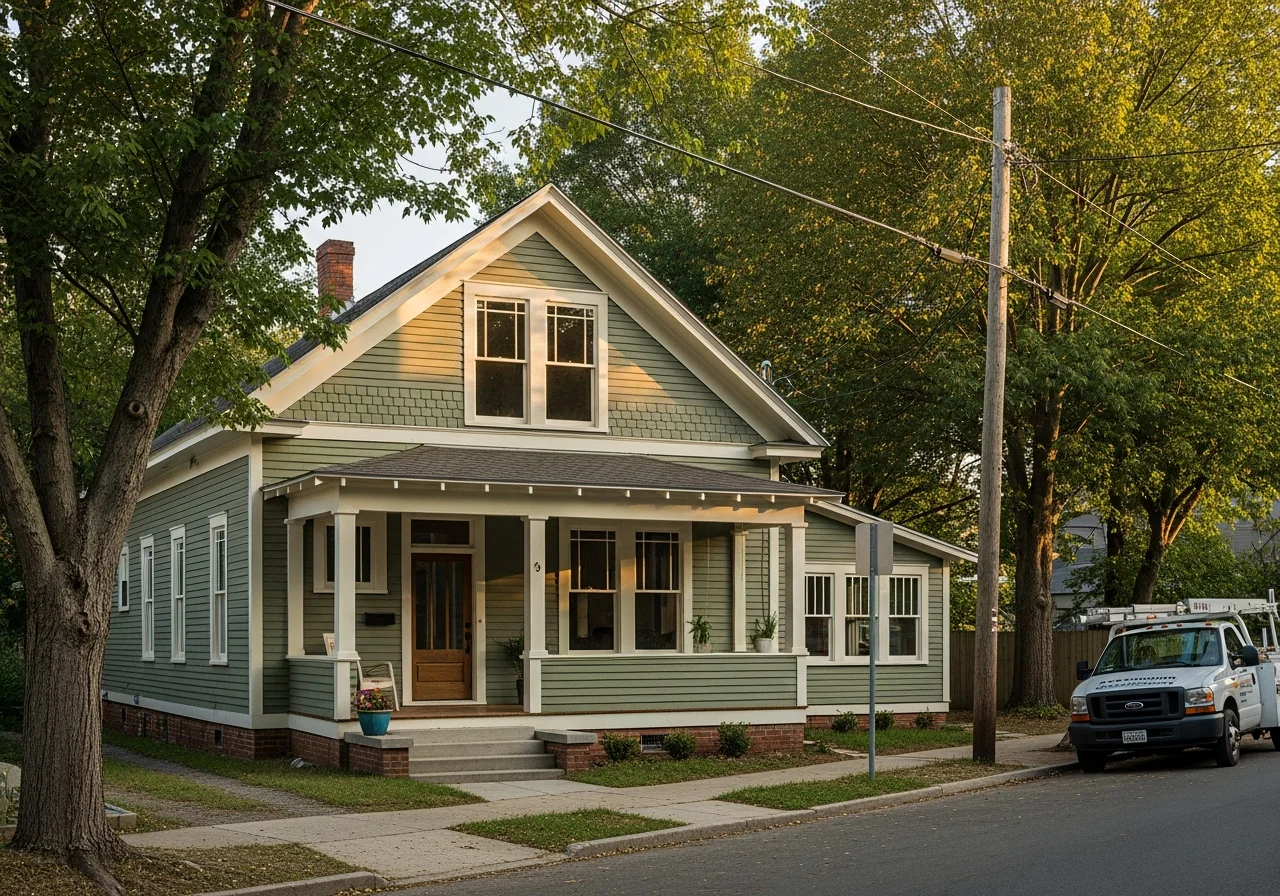
Historic craftsman-style home in the Loray Mill district of Gastonia, North Carolina
Loray Village's early 20th-century mill homes feature construction methods and materials that require specialized fire restoration techniques to preserve historic integrity.

National Register Status

The Loray Mill Historic District was added to the National Register of Historic Places, recognizing the architectural and historical significance of these early 20th-century mill village structures. This designation imposes specific requirements on any exterior restoration work — replacement materials, paint colors, window styles, and roofing must be compatible with the historic character of the district.

Preservation-Compliant Materials

Fire-damaged historic homes cannot simply be rebuilt with modern materials. Original wood siding must be replaced with matching species and profiles. Windows require true divided-light construction rather than snap-in grids. Roofing must match the original material and color. These materials cost significantly more than standard construction supplies and often require specialty sourcing — adding time and cost to the restoration project.

Additional Permitting Requirements

Restoration work on contributing structures within the historic district requires review beyond standard Gastonia building permits. Depending on the scope, a Certificate of Appropriateness may be required for exterior work. This adds review time before reconstruction can begin — a factor that must be built into the project timeline and communicated to your insurance carrier early in the claims process.

Specialized Restoration Techniques

Century-old construction uses techniques and materials that modern crews rarely encounter: balloon framing (continuous wall studs from foundation to roof, creating natural fire chimneys between floors), lime-based mortar rather than Portland cement, hand-hewn structural members, and plaster-on-lath wall systems. Each of these requires specialized repair approaches to maintain structural integrity and historic authenticity.

Balloon Framing Fire Spread Risk

Many Loray Village homes use balloon framing — a construction method where wall studs run continuously from the foundation to the roofline with no fire stops between floors. In modern platform framing, the floor system at each level blocks fire from traveling vertically inside walls. In balloon-framed homes, fire that enters a wall cavity at ground level can travel unimpeded to the attic in minutes, turning a small fire into a total loss far faster than homeowners expect.

Extended Timeline Considerations

Historic district fire restoration projects typically take 30-50% longer than comparable restoration in standard construction. Material sourcing, preservation review, specialized labor, and the inherent complexity of working with century-old structures all extend the timeline. Your insurance carrier should be informed of these factors immediately — we include them in our initial scope documentation to establish appropriate ALE (Additional Living Expenses) coverage duration.

649 Contributing Structures · National Register Listed · Preservation-Compliant Restoration Required

Palm Build coordinates with preservation authorities and insurance carriers simultaneously to keep your project moving without sacrificing historic compliance.

Insurance Coverage

Fire Insurance Claims in Gastonia: What's Covered

Fire is one of the most comprehensively covered perils under North Carolina homeowners insurance policies. Unlike water or mold damage, fire claims rarely face coverage disputes — your policy is designed for exactly this situation. Here's what a standard HO-3 policy covers for fire damage in Gastonia.

Structural repair and reconstruction to pre-loss condition

Professional soot and smoke cleaning of all affected surfaces

Smoke odor elimination (thermal fogging, ozone, hydroxyl)

Water damage from fire suppression (extraction and drying)

Contents restoration or replacement (furniture, electronics, clothing)

Additional Living Expenses (ALE) for temporary housing during restoration

Debris removal and hazardous material disposal

Building code upgrades required during reconstruction (with ordinance-and-law endorsement)

Common Claim Issues in Gastonia Fire Restoration

Undervalued scope of work

Insurance adjusters may not account for Gastonia's older construction materials that require specialized restoration — original hardwood, plaster, brick cleaning — which cost more than standard drywall-and-carpet repairs.

Missing hidden damage

Crawl space smoke contamination, in-wall soot migration, and HVAC duct contamination are frequently missed on initial adjuster inspections, leading to supplemental claims later.

Inadequate ALE duration

Historic district homes and older construction take longer to restore. Initial ALE approval may only cover 3-4 months when the project actually requires 6-8 months — especially when period-appropriate materials must be sourced.

Palm Build Manages Your Fire Claim

We work directly with your insurance adjuster from the first inspection. Our fire damage documentation — structural assessments, soot type classification, moisture readings, photo evidence, and detailed scopes of work — is formatted exactly how North Carolina adjusters and carriers expect to receive it. For Gastonia's older homes, we proactively document the specialized materials and techniques required so your claim reflects the true cost of proper restoration.

Insurance Claims Guide

Our Work in Gastonia

Gastonia Fire Restoration: The Process in Action

Fire and smoke damage restoration in progress at a Gastonia, NC home
Professional fire damage assessment and soot stabilization in Gastonia
Palm Build restoration team performing fire cleanup at a Gastonia residence
IICRC-certified crew performing structural cleaning and soot removal
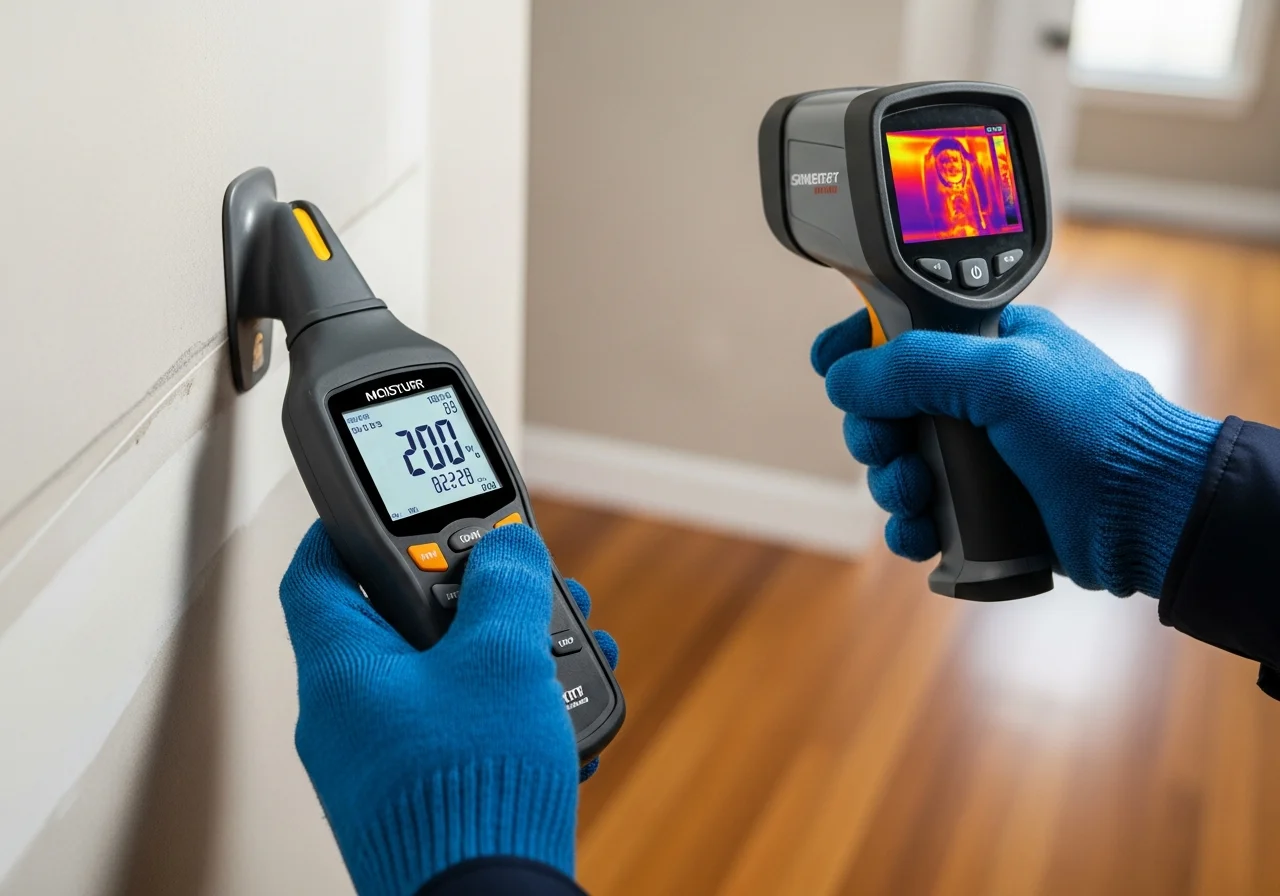
Moisture detection equipment used during fire suppression water extraction in Gastonia
Moisture mapping identifies hidden water damage from fire suppression
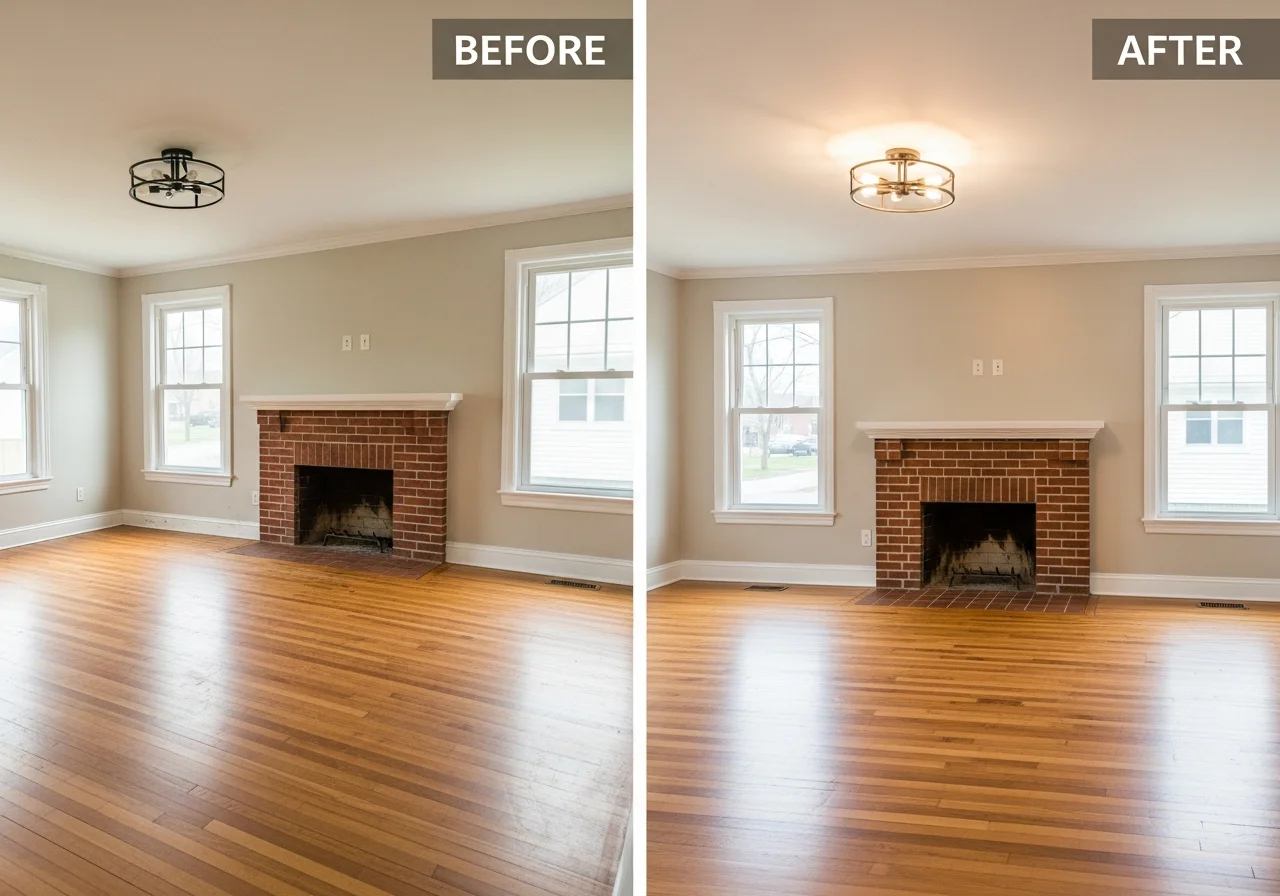
Beautifully restored living room after fire damage restoration in a Gastonia home
After: Fully restored with new finishes, paint, and refinished hardwood floors

The Palm Build Difference

Why Gastonia Homeowners Choose Palm Build After a Fire

45-Minute Emergency Response to Gastonia

Our Charlotte operations hub is 25 miles from downtown Gastonia via I-85. We dispatch within minutes of your call and arrive on-site within 45 minutes — not waiting for a regional franchise to dispatch from another city. Board-up, tarping, and soot stabilization begin the same night, stopping all damage clocks before they escalate your restoration cost.

IICRC Fire & Smoke Certified

Every crew lead holds current IICRC Fire and Smoke Restoration Technician (FSRT) certification. We follow the S540 standard for professional fire and smoke damage restoration procedures — the industry benchmark for proper soot classification, cleaning chemistry selection, and odor elimination protocols.

Multi-Damage Expertise

Fire projects always involve water damage from suppression and frequently involve mold risk — especially in Gastonia's crawl space homes where suppression water pools on clay soil. Our technicians are cross-trained in fire, water, and mold restoration — one team manages the entire scope without handoffs between contractors.

Insurance Documentation Specialists

Fire claims involve the most comprehensive insurance documentation of any restoration type. Our soot classification, structural assessments, and scope-of-work documentation are formatted exactly how NC carriers expect to see them. For Gastonia's older homes, we proactively document specialized material requirements to ensure your claim reflects the true restoration cost.

Full Reconstruction Capability

From emergency board-up through final paint and punch list, Palm Build handles the entire project. For homes in the Loray Mill Historic District, we source period-appropriate materials and coordinate with preservation requirements. For homes with outdated wiring that caused the fire, we include full electrical system upgrades in the reconstruction scope.

Gastonia Building Material Knowledge

We know Gastonia's construction. Full-brick ranch homes with vented crawl spaces, original hardwood floors, plaster-on-lath walls, and century-old Loray Village framing — each requires different restoration techniques. Our experience with Gaston County's specific housing stock means we identify the right approach from the first assessment, avoiding costly trial-and-error.

Common Questions

Gastonia Fire & Smoke Cleanup FAQ

How quickly should fire damage restoration begin in Gastonia?
Immediately. Soot becomes increasingly acidic within hours and causes permanent etching on surfaces — especially the porous brick, hardwood floors, and plaster walls common in Gastonia's older homes. Smoke odor penetrates deeper into materials with every passing hour. Palm Build responds within 45 to 60 minutes from our Charlotte office to begin emergency board-up, soot stabilization, and water extraction from fire suppression.
Why are older Gastonia homes at higher fire risk?
Roughly 33% of Gastonia's homes were built before 1960 — many with knob-and-tube wiring (Loray Village mill houses), aluminum branch circuits (Gardner Park, Quail Ridge), and undersized electrical panels never designed for modern appliance loads. Aluminum wiring is 55 times more likely to reach fire hazard conditions than copper wiring according to the U.S. Consumer Product Safety Commission. These aging electrical systems are the leading cause of residential fires in Gaston County.
Does homeowners insurance cover fire damage in Gastonia, NC?
Yes — fire damage is one of the most comprehensively covered perils under standard NC homeowners policies (HO-3). Coverage typically includes structural repair, contents restoration, smoke and soot cleanup, temporary living expenses (ALE), and debris removal. Gastonia homeowners pay an average of $2,205 per year for this coverage. Palm Build provides detailed Xactimate estimates and timestamped documentation that adjusters from State Farm, NC Farm Bureau, SageSure, Nationwide, and Erie need to process your claim.
How do you remove smoke odor from Gastonia's brick ranch homes?
Brick ranch homes require a multi-layered approach because brick, mortar, hardwood, and plaster are all highly porous and absorb smoke deeply. We use thermal fogging to penetrate wall cavities and porous materials at the molecular level, hydroxyl generators for continuous oxidation of odor compounds, chemical poultice treatment for exterior brick, and complete HVAC duct cleaning since ranch home ductwork distributes contamination to every room. Simply painting over smoke damage or running consumer ozone machines will not eliminate embedded odor.
What about water damage from firefighting in my Gastonia home?
Fire suppression often causes more water damage than the fire itself — a single fire hose delivers 150 to 250 gallons per minute. In Gastonia's brick ranch homes with crawl space foundations, suppression water pools beneath the structure where mold begins growing within 24 to 48 hours. Palm Build handles fire and water damage simultaneously, beginning water extraction and structural drying while performing soot stabilization to prevent secondary mold growth.
Can Loray Village historic homes be restored after fire damage?
Yes, but they require specialized handling. Century-old plaster-over-lath walls absorb smoke to depths modern drywall never reaches. Original longleaf pine hardwood floors are irreplaceable with modern lumber and require careful soot removal without destroying the patina. Knob-and-tube wiring exposed by fire must be fully replaced to current NEC code. Palm Build's reconstruction team has experience matching historic materials and preserving original architectural details while bringing systems to current standards.
How long does fire damage restoration take in Gastonia?
Timeline depends on severity and property type. A contained kitchen fire with localized smoke may take 1 to 2 weeks. Moderate residential fires with smoke spread throughout the structure typically require 4 to 8 weeks. Major structural fires with full reconstruction can take 3 to 6 months. Gastonia's older homes — particularly Loray Village mill houses and pre-1970 brick ranches — often take longer due to specialized material matching and the additional complexity of restoring porous historic materials.

Fire Damage in Gastonia? Every Hour Counts.

Soot becomes permanently damaging within hours — and Gastonia's porous brick, century-old hardwood, and plaster walls are especially vulnerable. Palm Build's Charlotte team responds in 45 to 60 minutes with emergency board-up, soot stabilization, and water extraction, plus insurance documentation from the first call.

45-60 min Response IICRC Certified