(888) 245-5155
Call Now 24/7
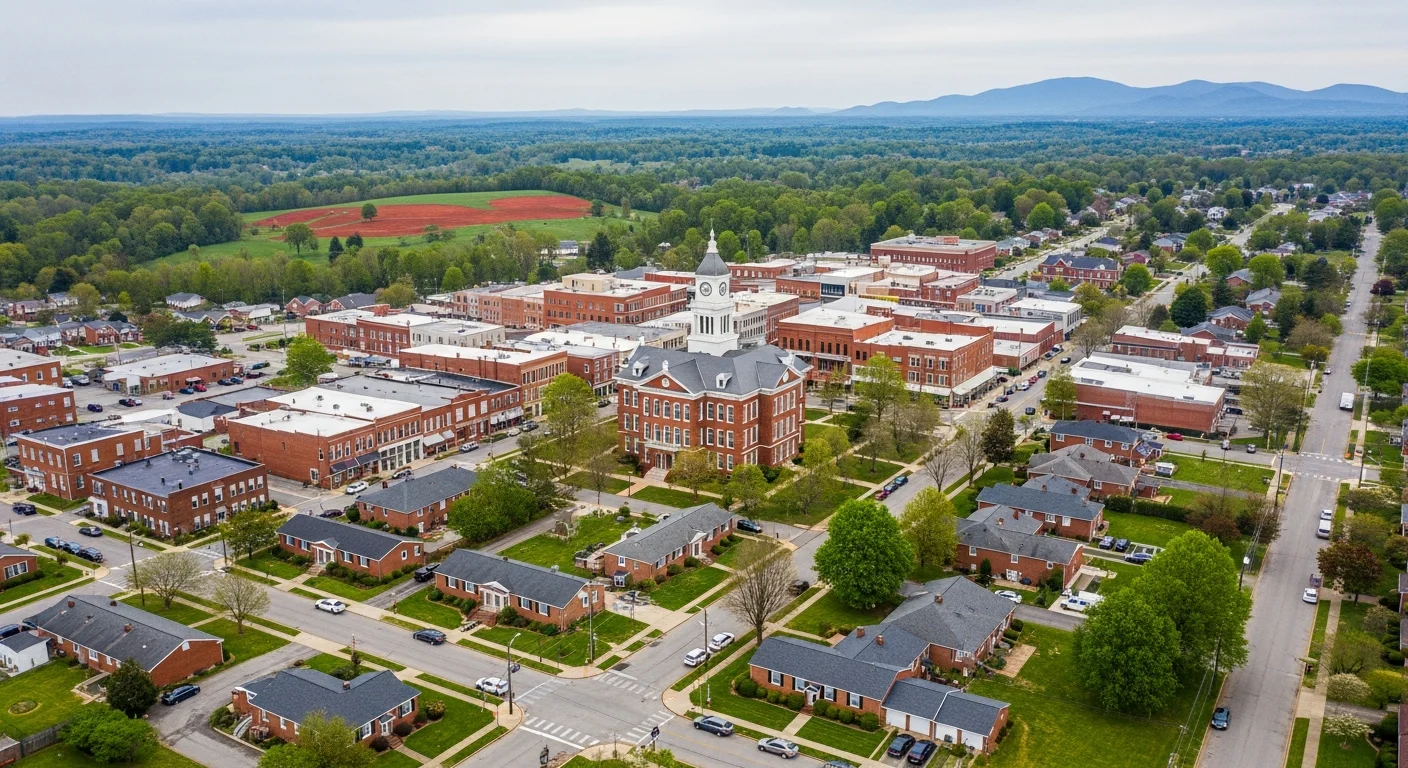
Aerial view of Shelby NC showing downtown historic district against the Blue Ridge foothills with residential neighborhoods extending outward
SHELBY NC — 24/7 FIRE & SMOKE RESPONSE

Fire & Smoke Cleanup in Shelby, North Carolina

From Uptown Shelby's century-old homes with aging wiring to the mid-century ranch belt's space heater dependence, Palm Build's IICRC-certified team handles structural fire damage, soot removal, smoke odor elimination, and full reconstruction — with insurance coordination from the first call. On-site in 90 to 120 minutes from our Charlotte operations hub.

55 minutes from Charlotte office 90-120 min Response IICRC Certified

90-120 min

Emergency Response

24/7

Dispatch Available

IICRC

Certified Technicians

Local Risk Factors

Why Shelby Homes Face Elevated Fire and Smoke Damage Risks

Shelby's fire risk profile is shaped by an aging housing core built long before modern electrical codes, Foothills winters that drive aggressive space heater usage, and chimneys that have gone decades without inspection. When fire strikes your Shelby home, smoke damage penetrates every surface within hours.

Aging Wiring in Pre-1970s Homes

60-120 yrs

Wiring age in older homes

Shelby's Uptown historic district and surrounding neighborhoods contain homes built between the 1900s and 1960s with electrical systems designed for a handful of ceiling fixtures and a few outlets. Many still run original cloth-insulated wiring behind plaster walls. Decades of added appliances — window AC units, space heaters, electric dryers, modern kitchens — have piled demand onto circuits never designed to carry it. Arc fault conditions develop silently inside wall cavities, invisible until a fire starts.
Unlined Masonry Chimneys

Pre-1960s

Unlined chimney era

Pre-1960s homes throughout Shelby were built with unlined masonry chimneys — brick stacks without the clay tile or stainless steel liners required by modern code. Creosote accumulates on rough interior brick surfaces far faster than in lined chimneys, and the mortar joints between aging bricks deteriorate over decades, allowing heat transfer to adjacent wood framing. A chimney fire in an unlined masonry chimney can spread to the structure before anyone realizes it has started.

Space Heater Usage in Foothills Winters

28°F

Avg January low

January lows in Shelby average 28 degrees F — colder than Charlotte due to the Foothills elevation. Older homes with single-pane windows, no wall insulation, and aging HVAC systems rely heavily on portable space heaters from November through February. The NFPA identifies space heaters as the leading cause of home heating fires nationwide, and Shelby's older housing stock with overloaded circuits is exactly the environment where they are used most aggressively.

Kitchen Fires in Older Layouts

#1 cause

Kitchen fires in homes

Shelby's mid-century ranch homes and older Uptown residences feature compact, enclosed kitchen layouts with limited ventilation. Grease fires in these confined spaces escalate rapidly, and the proximity of wooden cabinetry, overhead soffits, and curtains to cooking surfaces accelerates flame spread. Even a contained kitchen fire generates protein soot that penetrates every surface in the home — an invisible contamination that requires professional remediation far beyond the kitchen itself.

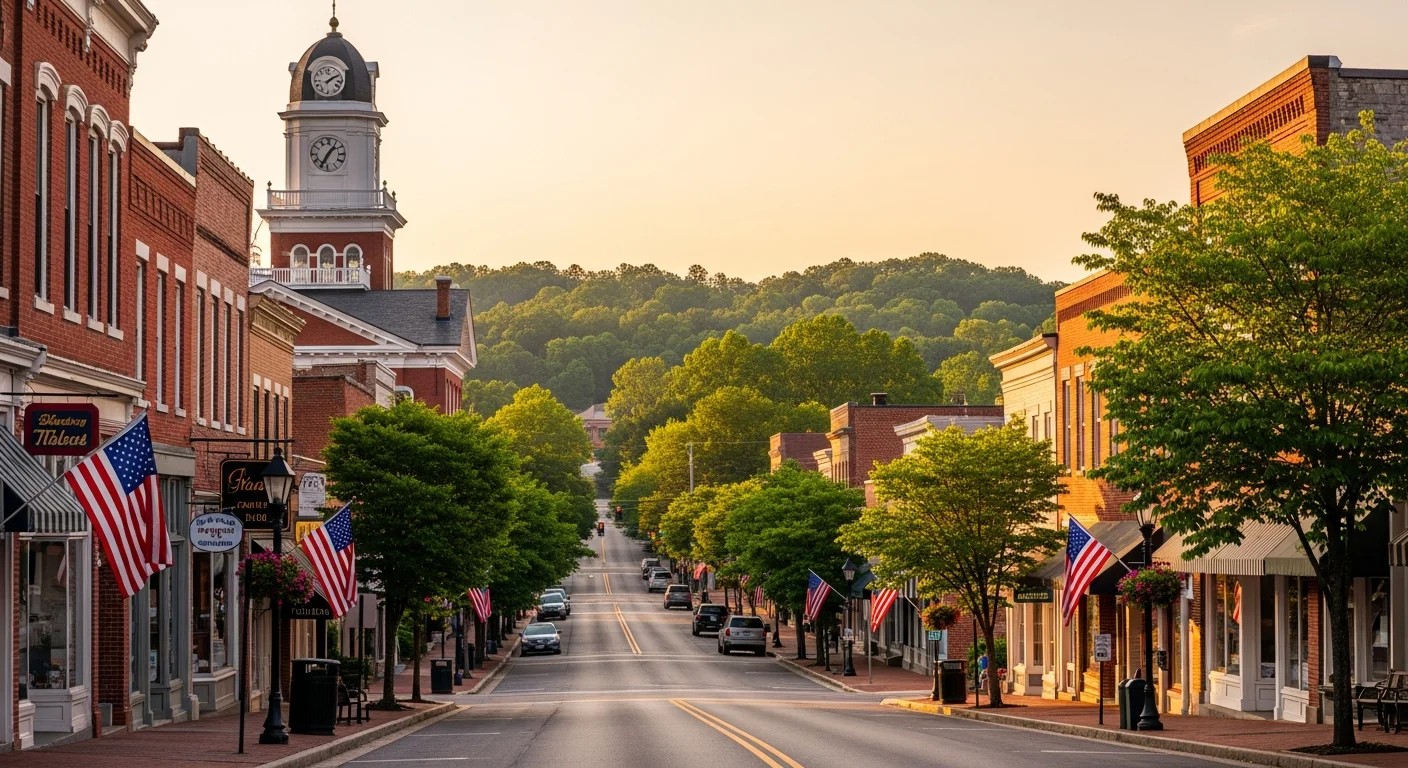
Historic homes in Shelby NC Uptown district showing older architecture with aging infrastructure typical of fire-risk properties
Shelby's Uptown historic district — beautiful homes built decades before modern electrical codes, with aging wiring and unlined chimneys that elevate fire risk.

Shelby Fire Risk at a Glance

  • Pre-1970s homes with cloth-insulated wiring behind plaster walls
  • Unlined masonry chimneys in pre-1960s construction
  • Space heater fires spike November through February (28 degrees F avg low)
  • Compact kitchen layouts in ranch homes accelerate grease fire spread
  • Cleveland County permitting for all structural reconstruction
Neighborhood Fire Risk Profiles

Fire Risk by Shelby Neighborhood

Fire risk in Shelby varies dramatically by neighborhood, driven by housing age, construction materials, electrical system condition, and proximity to fire services. Understanding your area's specific risk profile helps you prioritize prevention — and know what to expect if fire does strike.

Uptown / Historic District

Critical

1890s-1940s · Historic Homes with Period Architecture

Cloth-insulated wiring, unlined chimneys, overloaded circuits

Shelby's oldest homes surround the historic courthouse square and adjacent residential blocks. Original cloth-insulated wiring behind plaster walls creates arc fault conditions invisible until fire starts inside the wall cavity. Unlined masonry chimneys built before 1940 accumulate creosote on rough interior brick surfaces. Historic material matching — custom millwork, period hardware, original heart pine flooring — significantly increases restoration complexity and cost.

Mid-Century Ranch Belt

High

1950s-1975 · Brick and Frame Ranch Homes

Aging aluminum wiring, space heaters, chimney creosote

The dominant housing type in Shelby — brick-veneer ranch homes built during the textile mill era. Aluminum wiring common in 1965-1975 construction expands and contracts at connection points, causing arcing. Space heater dependence during Foothills winters (28 degrees F January lows) overloads circuits never designed for sustained heating loads. Asbestos in older insulation and flooring may require remediation during fire restoration.

Cleveland Country Club Area

Moderate

1960s-1990s · Larger Single-Family Homes

Kitchen fires, electrical panel aging, chimney fires

Higher-value homes near the country club with better electrical systems but aging panels and appliance circuits. Kitchen fires remain the primary risk, and the larger floor plans mean smoke and soot travel farther before detection. Restoration costs are elevated by higher-end finishes and materials that require precise matching.

Southern / Western Subdivisions

Moderate

1990s-2010s · Newer Planned Communities

Cooking fires, dryer lint, garage electrical

Newer construction with modern electrical but open floor plans that allow rapid smoke spread through connected living spaces. Vinyl siding is vulnerable to exterior fire exposure from grills and brush fires. Multi-story construction means smoke distribution through stairwells complicates remediation. Composition shingle roofs on these homes are beginning to age.

Lake / Creek Corridor Neighborhoods

High

Mixed · Rural-Suburban Homes Near Water

Lightning strikes, space heaters, wood stove fires

Properties along First Broad River, Buffalo Creek, and lake corridors face elevated lightning strike risk due to open terrain and proximity to water. Many homes in these areas use wood stoves as primary or supplemental heating, adding chimney fire risk. Rural response distances mean fire has more time to develop before suppression arrives — making professional restoration after the event even more critical.

Boiling Springs / Eastern Cleveland County

High

Mixed · Small Town and Rural Residential

Aging electrical, wood heat, volunteer fire response times

Eastern Cleveland County homes often rely on volunteer fire departments with longer response times, allowing fire to develop and smoke to penetrate deeper before suppression begins. Older homes in Boiling Springs carry the same aging wiring and space heater risks as Shelby proper. Wood-heated homes add chimney fire risk throughout the heating season.

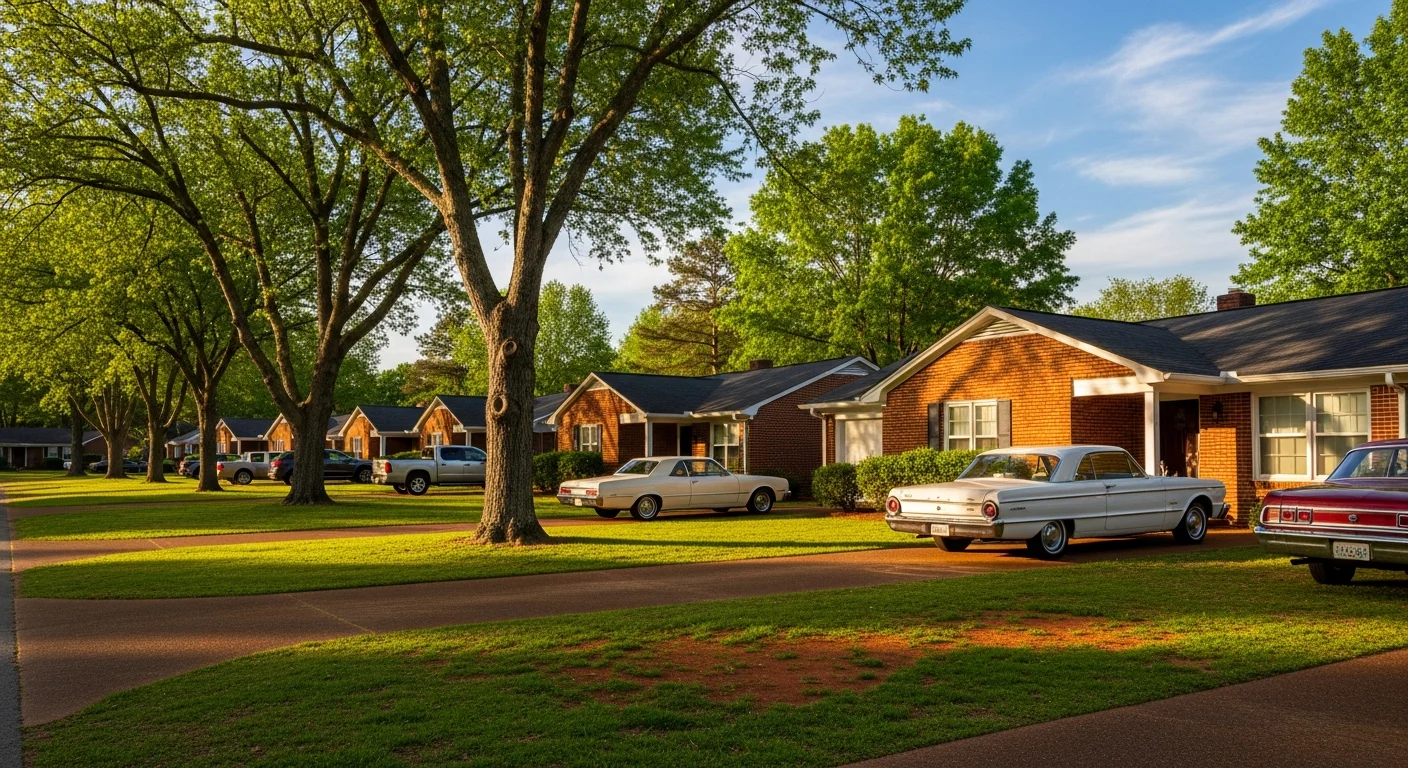
Typical mid-century brick ranch home in a Shelby NC neighborhood representative of the dominant housing stock with aging electrical and chimney systems
Shelby's mid-century brick ranch homes — the dominant housing type in Cleveland County, built with electrical systems and chimney construction that create elevated fire risk decades later.
Our Fire Restoration Process

6-Step Fire and Smoke Restoration for Shelby Homes

Fire restoration is not a single trade — it's a coordinated sequence of emergency response, hazardous materials handling, precision cleaning, odor science, and full reconstruction. Here's exactly what happens when you call Palm Build after a fire in your Shelby home.

01

Emergency Board-Up & Securing

90-120 min

Call (704) 464-0121 any time — day or night. Our fire restoration crew dispatches from our Charlotte operations hub and arrives in Shelby within 90 to 120 minutes. We assess structural integrity, board up windows and doors to prevent weather exposure and unauthorized entry, and tarp compromised roof sections. For Shelby's older Uptown homes, we watch for hazards specific to balloon-frame and platform-frame construction — fire can travel through wall cavities in ways modern construction prevents.

02

Damage Assessment & Documentation

Day 1-2

Before any cleanup begins, our IICRC-certified technicians perform comprehensive documentation using thermal imaging, moisture meters, and air quality monitoring. We photograph every affected room, catalog damaged contents, and classify the fire damage type — protein (kitchen fires), complex (mixed fuels), or natural substance (wood-burning). This classification determines the cleaning chemistry required and becomes the foundation of your insurance claim.

03

Water Extraction from Fire Suppression

Days 1-5

A single fire hose delivers 150 to 250 gallons per minute — firefighting suppression water is the leading cause of secondary damage after a house fire. In Shelby's crawl space homes throughout the ranch belt, suppression water pools beneath the structure on Cleveland County's red clay soil and can trigger mold growth within 24 to 48 hours. We deploy truck-mounted extractors, submersible pumps for crawl spaces, and commercial dehumidifiers simultaneously with soot stabilization.

04

Smoke & Soot Removal

Days 3-10

Soot removal requires different techniques based on fire type and affected surfaces. Dry soot from fast-burning wood fires responds to dry chemical sponges and HEPA vacuuming. Wet, sticky protein soot from kitchen fires requires solvent-based cleaning. In Shelby's older homes with original plaster walls, hardwood floors, and wood trim, we use techniques that remove soot contamination without damaging underlying surfaces — every surface in the smoke path is addressed.

05

Odor Elimination (Thermal Fogging / Ozone)

Days 5-14+

Smoke odor is the most persistent element of fire damage. Palm Build uses a three-layer approach: thermal fogging to reach smoke particles inside wall cavities and HVAC systems, hydroxyl generator treatment to break down odor molecules at the chemical level, and ozone shock treatment for unoccupied spaces with deep penetration. For Shelby's older plaster-wall homes where smoke penetrates the porous lime-based plaster, we apply odor-sealing primer to affected surfaces before repainting.

06

Structural Rebuild & Final Restoration

Weeks 2-8+

From drywall replacement to custom trim matching, we restore your Shelby home to pre-fire condition — or better. All structural work is fully permitted through Cleveland County. For historic properties in the Uptown district, we coordinate with preservation considerations to maintain architectural character. Final walkthrough with moisture verification and air quality testing ensures your home is safe and fully restored.

Understanding Smoke Damage

Types of Fire and Smoke Damage in Shelby Homes

Different fire sources produce different types of smoke and soot — each requiring specific cleaning chemistry and techniques. Understanding the fire type is the first step in effective restoration, and Shelby homes face all of these fire damage scenarios.

Kitchen Fire Smoke (Protein Residue)

The most common fire type in Shelby homes. Protein fires from cooking produce an almost invisible, yellowish residue with an extremely pungent odor that penetrates every surface. In Shelby's compact ranch kitchens, protein soot bonds chemically to surfaces rather than sitting on top of them. Standard cleaning products spread the residue and set the stain permanently.

Electrical Fire Smoke

Electrical fires from aging wiring in Shelby's pre-1970s homes produce complex smoke — a mixture of burning wire insulation, wood, and synthetic materials. This smoke is particularly toxic and generates sticky, corrosive soot that aggressively damages electronics, HVAC components, and metal surfaces. Electrical fires often smolder inside wall cavities before breaking through, contaminating the entire wall system.

Chimney Fire Damage

Chimney fires in Shelby's unlined masonry chimneys can burn at temperatures exceeding 2,000 degrees F. Even when contained to the chimney, the extreme heat cracks mortar joints and damages adjacent framing. When chimney fires spread to the structure, the damage pattern combines intense localized heat damage with widespread smoke infiltration through the chimney chase into attic spaces and wall cavities.

Space Heater Fire Damage

Space heater fires ignite bedding, curtains, furniture, and flooring near the heater — producing intense heat in a confined area with heavy smoke from burning synthetic fabrics and foam. In Shelby's ranch homes where bedrooms are near the center of the house, smoke from a space heater fire quickly fills the entire structure through ductwork and interior door openings.

Lightning Strike Damage

Lightning strikes in the Foothills can ignite attic insulation, destroy electrical panels, and start fires in wall cavities where the current arcs to grounding systems. The damage pattern is unusual — the fire may originate in the attic or behind walls, with smoke distributing through the house before flames are visible. Properties near lake and creek corridors in Cleveland County face elevated lightning risk.

Wildfire Smoke Infiltration

The NC Foothills' proximity to Blue Ridge forestland means Shelby homes can be affected by wildfire smoke even when the fire itself is miles away. Smoke particles infiltrate through windows, doors, and HVAC systems, coating surfaces with a fine ash residue and embedding odor in soft furnishings, carpeting, and insulation. While less severe than direct fire damage, professional cleaning is required to eliminate persistent odor.

Our Work

Fire and Smoke Restoration in Shelby Homes

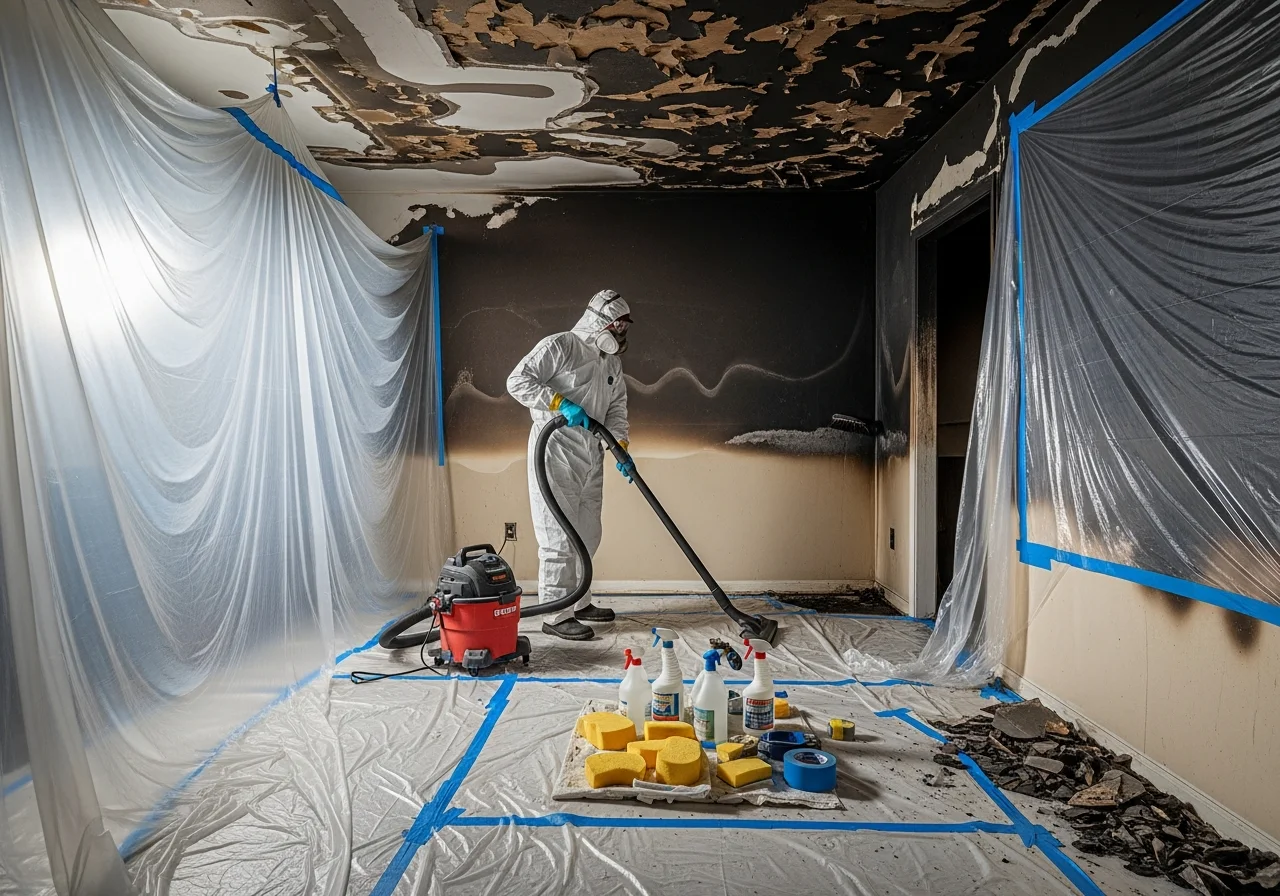
Professional smoke and soot cleanup detail showing restoration techniques used on fire-damaged surfaces in a Shelby NC home
Precision soot removal — different fire types require different cleaning chemistry and techniques
Aerial view of Shelby NC showing the mix of historic and mid-century housing stock served by Palm Build fire restoration
Shelby's diverse housing stock — from Uptown historic homes to mid-century ranch belt — each requiring specialized fire restoration approaches
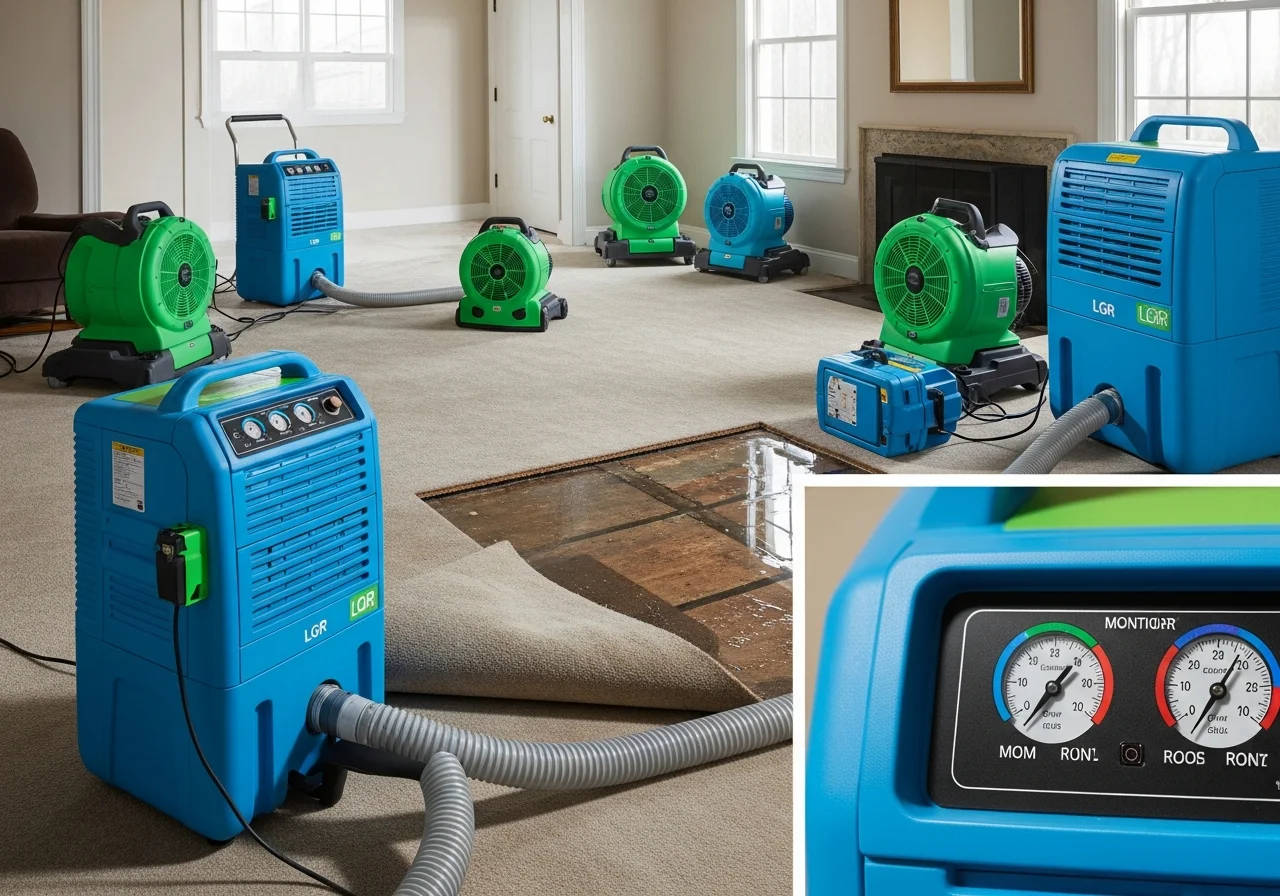
Professional structural drying equipment deployed inside a Shelby NC home during fire suppression water extraction
Structural drying after fire suppression — extracting firefighting water prevents secondary mold damage
Historic homes in Shelby NC Uptown district representative of high-complexity fire restoration projects requiring period material matching
Uptown Shelby historic homes — fire restoration requires period material matching and specialized techniques

Shelby Pricing

Fire and Smoke Damage Restoration Costs in Shelby

Fire restoration costs in Shelby vary based on fire severity, smoke spread, property type, and whether structural reconstruction is needed. Historic Uptown homes typically cost more due to material matching and older construction techniques. Chimney fires that spread to the structure represent a common and costly damage pattern in Cleveland County.

Standard Fire & Smoke Damage

$2,000 - $22,000

  • Contained kitchen fire cleanup: $2,500-$7,500
  • Single room soot and smoke cleaning: $2,000-$5,500
  • Smoke odor elimination (whole home): $3,500-$10,000
  • Fire-damaged room reconstruction: $7,000-$22,000

Major Fire Loss

$25,000 - $400,000+

  • Multi-room structural fire: $30,000-$80,000
  • Historic Uptown home fire restoration: $45,000-$130,000
  • Chimney fire with structural spread: $25,000-$75,000
  • Full reconstruction after total loss: $120,000-$400,000+

Fire is fully covered under standard North Carolina HO-3 homeowners policies. Palm Build provides detailed documentation from the first call to maximize your claim settlement and minimize supplement disputes.

Insurance Coverage

Fire Insurance Claims in Shelby: What's Covered

Fire is one of the most comprehensively covered perils under North Carolina homeowners insurance policies (HO-3). Unlike water or mold damage, fire claims rarely face coverage disputes — your policy is designed for exactly this situation.

Structural repair and reconstruction to pre-loss condition

Professional soot and smoke cleaning of all affected surfaces

Smoke odor elimination (thermal fogging, ozone, hydroxyl treatment)

Water damage from fire suppression (extraction and drying)

Contents restoration or replacement (furniture, electronics, clothing)

Additional Living Expenses (ALE) for temporary housing during restoration

Debris removal and hazardous material disposal

Key Documentation Considerations for Shelby Claims

Chimney Fire Coverage

Chimney fires that damage the chimney structure itself are covered under your homeowners policy. However, some carriers may argue that an uninspected chimney represents deferred maintenance. Palm Build's documentation clearly establishes the fire damage pattern and separates pre-existing chimney condition from fire-caused damage to support your claim.

Space Heater Fire Claims

Space heater fires are fully covered under NC HO-3 policies. However, if the heater was recalled or used contrary to manufacturer instructions, carriers may investigate contributory negligence. Palm Build documents the fire origin and damage pattern objectively to support claim processing.

ALE Coverage for Shelby Homeowners

ALE covers temporary housing, meals, and increased living expenses while your home is uninhabitable. Most NC HO-3 policies provide ALE at 20-30% of dwelling coverage. For a $200,000 Shelby home, that's $40,000-$60,000 in temporary living support. Palm Build provides timeline documentation to support ALE claims throughout the restoration process.

Palm Build Manages Your Fire Claim

We work directly with your insurance adjuster from the first inspection. Our fire damage documentation — structural assessments, soot type classification, moisture readings, photo evidence, and detailed scopes of work — is formatted exactly how carriers expect to receive it. This reduces back-and-forth and gets your claim approved faster.

Insurance Claims Guide

The Palm Build Difference

Why Shelby Homeowners Choose Palm Build After a Fire

Full-Service: Board-Up to Rebuild

From emergency board-up and tarping the night of the fire through final paint, trim, and punch list, Palm Build handles the entire fire restoration project. No subcontractor handoffs, no waiting for separate trades. One team, one point of contact, one scope of work from the first emergency call through certificate of occupancy.

IICRC Fire & Smoke Certified

Every crew lead holds current IICRC Fire and Smoke Restoration Technician (FSRT) certification. We follow the S540 standard for professional fire and smoke damage restoration procedures — the same standard insurance adjusters use to evaluate restoration quality. Our soot classification, cleaning chemistry, and odor elimination protocols are science-based, not guesswork.

Cleveland County Permit Expertise

Fire restoration involving structural reconstruction requires permits through Cleveland County. Palm Build manages the entire permitting process — from application through final inspection — so your restoration is never delayed by paperwork or compliance issues. For Uptown historic properties, we coordinate with local preservation considerations to maintain architectural character.

Insurance Advocacy and Documentation

Fire claims involve the most comprehensive insurance documentation of any restoration type. Our structural assessments, soot type classification, moisture readings, photo evidence, and detailed scopes of work are formatted exactly how NC carriers expect to receive them. We advocate for full scope approval and minimize supplement disputes.

Contents Restoration Capability

Fire doesn't just damage your structure — it damages everything inside. Palm Build provides full contents restoration: professional cleaning of smoke-damaged furniture, electronics assessment, textile and garment ozone treatment, document and photo preservation, and secure pack-out and storage during reconstruction.

Common Questions

Shelby Fire & Smoke Cleanup FAQ

How quickly can Palm Build respond to a fire emergency in Shelby?
Our Charlotte-based fire restoration team typically arrives in Shelby within 90 to 120 minutes from our Crompton Street operations hub — approximately 55 miles west on US-74. We dispatch 24/7/365 for fire and smoke emergencies. Call (704) 464-0121 any time, day or night. Early response is critical because soot becomes increasingly acidic within hours and begins permanently etching hardwood floors, countertops, and painted surfaces.
Why are older Shelby homes at higher fire risk?
Shelby's historic Uptown district and surrounding pre-1970s neighborhoods were built with electrical systems designed for a fraction of today's demand. Many homes still contain cloth-insulated wiring, outdated fuse boxes, and circuits that were never upgraded. Unlined masonry chimneys common in pre-1960s construction accumulate creosote that can ignite without warning. Combined with space heater dependence during the Foothills' cold winters — January lows average 28 degrees F — these homes represent Shelby's highest fire risk category.
Does homeowners insurance cover fire damage in Shelby?
Yes — fire damage is one of the most comprehensively covered perils under standard North Carolina homeowners policies (HO-3). Coverage typically includes structural repair, contents replacement, soot and smoke cleanup, temporary living expenses (ALE), and debris removal. Palm Build provides detailed documentation from the first emergency call to maximize your claim settlement and minimize supplement disputes.
How long does fire damage restoration take in Shelby?
Timeline depends on severity and property type. A contained kitchen fire may take 1 to 3 weeks. Moderate residential fires with smoke spread throughout the structure typically require 4 to 8 weeks. Major structural fires in older Uptown homes — where material matching and potential lead paint abatement add complexity — can take 3 to 6 months including full reconstruction.
Can smoke odor be completely eliminated from a Shelby home?
Yes, but only with professional-grade equipment and techniques. Surface cleaning alone will not eliminate embedded smoke odor. Palm Build uses a three-layer approach: thermal fogging to reach smoke particles inside wall cavities and HVAC ductwork, hydroxyl generator treatment to break down odor molecules at the chemical level, and ozone shock treatment for deep penetration in unoccupied spaces. For Shelby's older plaster-wall homes where smoke penetrates the porous lime-based material, we also apply odor-sealing primer before repainting.
What areas of Shelby does Palm Build serve for fire restoration?
We serve all of Shelby and Cleveland County including Uptown Shelby, the historic district, the mid-century ranch belt, Cleveland Country Club, southern and western subdivisions, lake and creek corridor neighborhoods, Boiling Springs, Kings Mountain, Lattimore, and surrounding communities. Both 28150 and 28152 zip codes. Our Charlotte team reaches all Shelby neighborhoods within 90 to 120 minutes.

Fire Damage in Shelby? Every Hour Counts.

Soot becomes permanently damaging within hours — and Shelby's hardwood floors, plaster walls, and older building materials are especially vulnerable. Palm Build's Charlotte team responds in 90-120 minutes with emergency board-up, soot stabilization, and water extraction, plus full insurance documentation from the first call.

90-120 min Response IICRC Certified