(888) 245-5155
Call Now 24/7
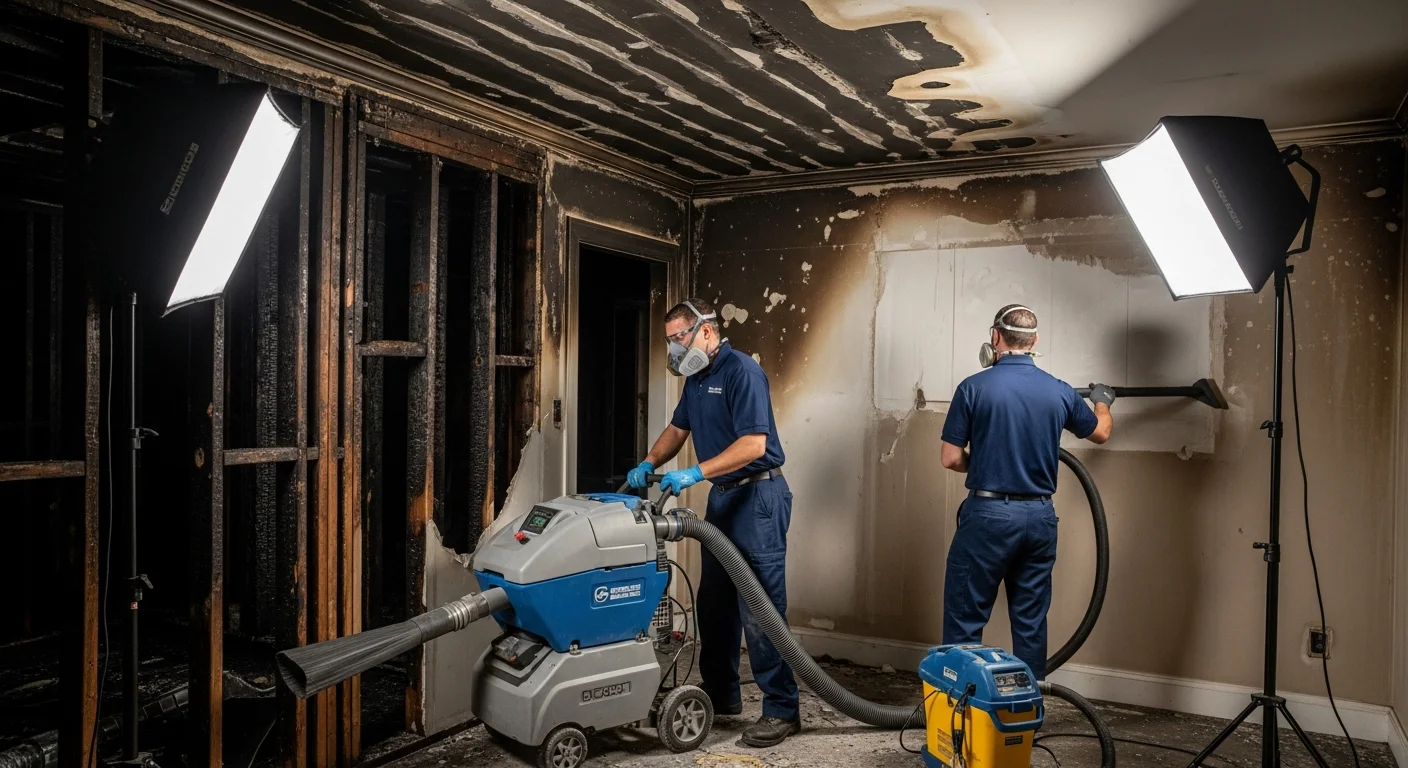
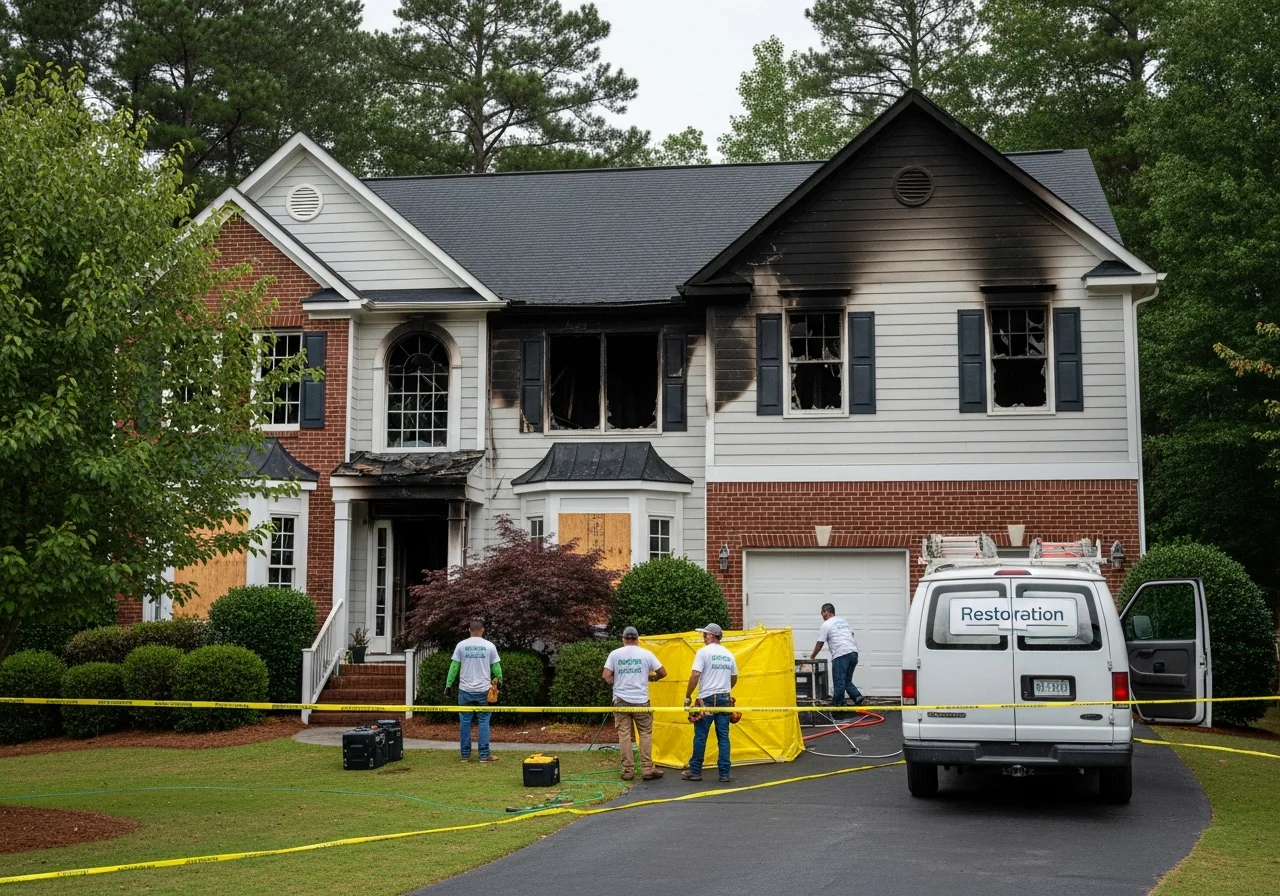
Palm Build fire and smoke restoration crew working at a fire-damaged Mount Holly, North Carolina home with professional cleaning equipment and HEPA air scrubbers
MOUNT HOLLY NC — 24/7 FIRE & SMOKE RESPONSE

Fire & Smoke Damage Cleanup in Mount Holly, North Carolina

Mount Holly's Catawba River corridor housing stock — from Adrian Park's century-old Craftsman homes to Stockbridge Estates' modern vinyl-sided construction — demands specialized fire restoration for every building type. Older wiring in pre-war homes, heating fires during Piedmont winters, and cooking incidents in open-concept kitchens each produce different soot types that require different cleaning chemistry. Palm Build's IICRC-certified team responds from our Charlotte office in 30 to 45 minutes with emergency board-up, soot stabilization, smoke odor elimination, and full reconstruction.

Approximately 20 minutes from Mount Holly 30-45 min Response IICRC Certified

30-45 min

Emergency Response

24/7

Dispatch Available

IICRC

Certified Technicians

Why Speed Matters

After a Fire in Mount Holly, Every Hour of Delay Costs You

The fire department puts out the flames — but that's when the real damage clock starts. Soot, smoke residue, and fire-suppression water are all actively damaging your Mount Holly home right now. The difference between a $15,000 restoration and a $60,000 rebuild often comes down to how fast professional mitigation begins.

CRITICAL FACTOR 1

Soot Becomes Permanent in Hours

Acidic soot residue begins etching into metal, glass, and stone surfaces within hours of a fire. Stainless steel appliances, chrome fixtures, and granite countertops in Mount Holly's newer homes can be permanently damaged if soot isn't neutralized quickly. The Catawba River corridor's elevated humidity reacts with soot compounds to form sulfuric and hydrochloric acid on surfaces — accelerating corrosion faster than in drier climates.
CRITICAL FACTOR 2

Smoke Penetrates Deeper Every Day

Smoke odor molecules continue migrating into porous materials for days after the fire is out. In Mount Holly's older homes — Adrian Park's plaster walls, Cottonwood Acres' original hardwood floors, and the Piedmont brick construction common across Gaston County — smoke penetrates far deeper than in newer drywall-and-vinyl construction. Every day without professional treatment makes odor elimination more complex and expensive.

CRITICAL FACTOR 3

Secondary Water Damage Starts Mold

Fire suppression saturates your home with water — a single fire hose delivers 150 to 250 gallons per minute. In Mount Holly's crawl space homes built on Piedmont red clay soil with infiltration rates below 0.2 inches per hour, suppression water pools beneath the structure where mold begins growing within 24 to 48 hours. You're dealing with fire damage, water damage, and mold risk simultaneously.

Emergency Fire Restoration

Palm Build dispatches from our Charlotte office within 30-45 minutes to Mount Holly. We begin emergency board-up, soot stabilization, and water extraction simultaneously — stopping all three damage clocks at once. Call now for immediate response.

Fire-damaged home exterior in Mount Holly, North Carolina showing smoke and heat damage
Emergency board-up and tarping secures your Mount Holly home within hours of the fire

Understanding the Damage

The Science of Soot: How Fire Type Determines the Restoration Approach

Not all fire damage is the same. The type of materials that burned determines what kind of soot your Mount Holly home is coated with — and that determines the cleaning chemistry, equipment, and timeline required. Using the wrong approach doesn't just fail to clean the surface — it can permanently set stains and drive odors deeper into materials.

Protein Residue (Kitchen Fires)

The most common fire type in Mount Holly homes. Protein fires from cooking produce an almost invisible, yellowish residue with an extremely pungent odor that penetrates every surface — often far beyond the kitchen. In newer Mount Holly homes like those in Stockbridge Estates and Ashlyn Place with open floorplans, protein soot travels rapidly through the entire living area. The residue bonds chemically to surfaces rather than sitting on top, making standard cleaning products ineffective and likely to set the stain permanently.

Professional Cleaning Approach

Requires enzymatic cleaners and specialized degreasing agents. Thermal fogging with protein-specific solutions is typically needed for odor elimination in open-concept layouts.

Natural Material Soot (Wood, Paper, Cotton)

When Mount Holly's older homes with original hardwood framing, wood paneling, or cellulose insulation burn, they produce dry, powdery, gray-black soot. Adrian Park's Craftsman bungalows and pre-war construction contain significant amounts of natural building materials that produce this soot type. It's lighter and more easily disturbed by air movement — spreading throughout the entire home via forced-air HVAC systems and coating surfaces in rooms far from the fire origin within hours.

Professional Cleaning Approach

HEPA vacuuming first (never wipe dry soot — it smears), followed by chemical sponge treatment, then wet cleaning with appropriate detergents.

Synthetic Soot (Plastics, Polymers)

Modern Mount Holly homes — especially post-2000 construction in Stockbridge Estates, Kellys Landing, and Arbordale — contain significant synthetic materials: engineered wood flooring, foam insulation, PVC trim, synthetic carpeting, and vinyl siding. When these materials burn, they produce thick, black, sticky soot that is extremely difficult to remove. Synthetic soot smears easily, adheres aggressively to all surfaces, and contains toxic compounds including hydrogen cyanide and dioxins.

Professional Cleaning Approach

Requires solvent-based cleaners specifically formulated for petroleum-based residues. Multiple cleaning passes are standard. Full PPE is critical due to toxic compounds.

Local Risk Factors

Fire Risks Specific to Mount Holly Homes

Mount Holly's housing stock spans more than a century — from Adrian Park's 1913 Craftsman bungalows to Stockbridge Estates' modern construction. Each building era carries distinct fire risks that determine how quickly damage escalates and how complex restoration becomes.

Cooking Fires in Open-Concept Homes

Most Common

Cooking fires are the leading cause of residential fires in Mount Holly. In newer subdivisions like Stockbridge Estates, Ashlyn Place, and Kellys Landing, open-concept floorplans mean kitchen fire smoke travels throughout the entire first floor within minutes and enters the HVAC return within seconds. Protein soot from cooking fires creates an invisible, bonding residue that standard cleaning cannot remove — and in an open floorplan, it coats every surface in the connected space. Older Mount Holly homes with enclosed kitchens may contain the fire better, but concentrated heat and soot can be more intense in the affected area.

Peak season: Year-round

#1

Cause of home fires

Electrical Fires in Aging Wiring

High

Mount Holly's housing stock spans from 1913 to present — and the oldest homes carry the highest electrical fire risk. Adrian Park's Craftsman bungalows may still have knob-and-tube wiring or outdated service panels never designed for modern loads. Cottonwood Acres' mid-1980s ranch homes commonly feature aluminum branch circuits that create arc-fault risk at connections and outlets. These fires often start behind walls, smoldering for hours before detection, which means smoke damage is typically extensive before flames become visible.

Peak season: Year-round

Pre-1985

Highest risk homes

Heating Fires (November-February)

High

Mount Holly's older homes — particularly Adrian Park's bungalows and the mid-century ranches along older streets — often rely on supplemental space heaters because original HVAC systems cannot maintain comfort during Piedmont cold snaps. Space heaters placed too close to bedding, curtains, and upholstered furniture cause a sharp spike in residential fires every winter. Fireplace incidents in homes with aging masonry chimneys and unlined flues also contribute to the November through February fire surge across Gaston County.

Peak season: Nov - Feb

3x

Winter fire spike

HVAC-Distributed Smoke Migration

Accelerating

Forced-air HVAC systems — present in virtually every Mount Holly home — become smoke distribution networks during and after a fire. Smoke enters return ducts, passes through the blower, and deposits soot throughout every supply duct in the house. In newer homes with high-efficiency systems and extensive ductwork, contamination reaches every room quickly. Even a small kitchen fire can contaminate the entire HVAC system within minutes, turning a $5,000 cleanup into a $25,000 whole-house restoration if the system is not addressed immediately.

Peak season: Year-round

100%

Duct contamination risk

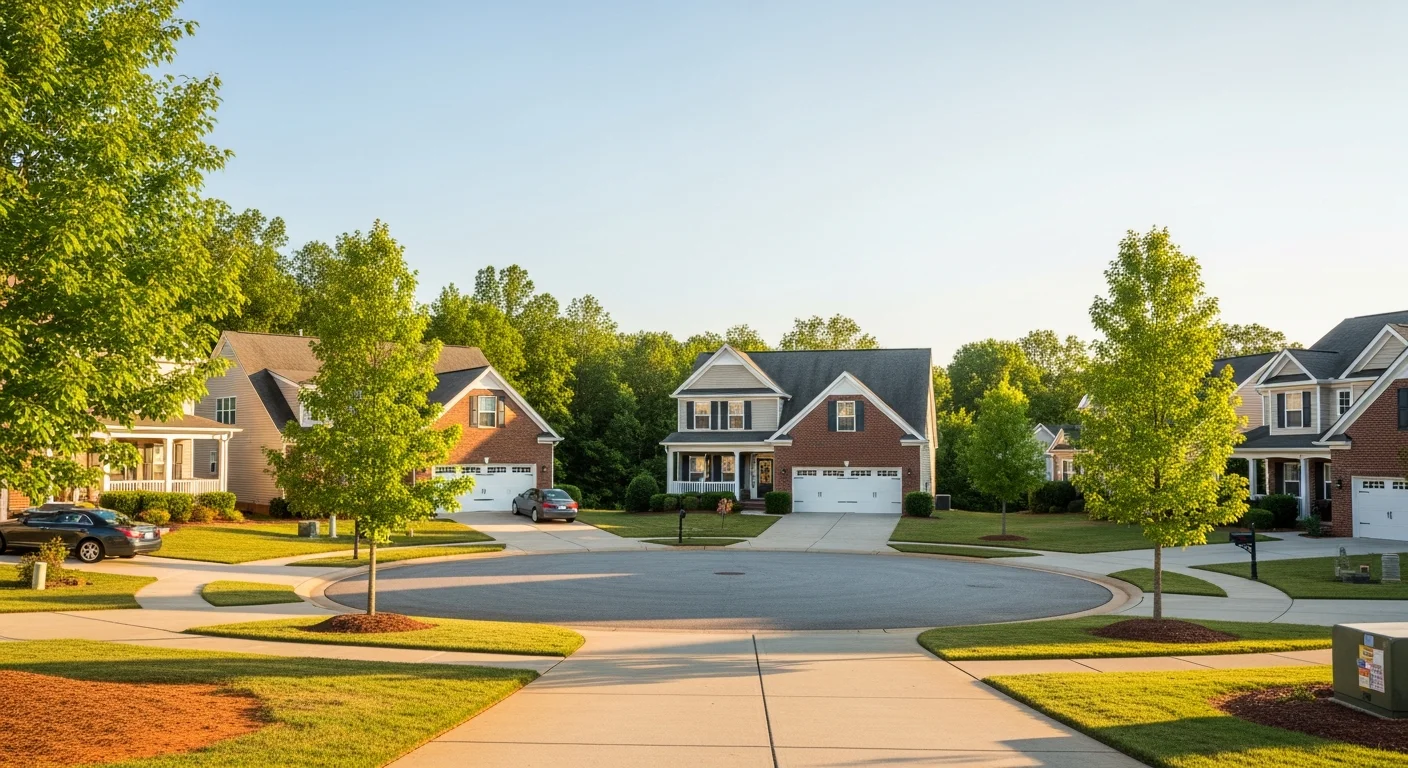
Aerial view of a Mount Holly, North Carolina residential neighborhood showing mixed housing construction
Mount Holly's diverse housing stock — from 1913 Craftsman bungalows to modern subdivisions — each carries distinct fire risks requiring specialized restoration approaches.
Our Fire Restoration Process

How We Restore Mount Holly Homes After Fire Damage

Fire restoration is more complex than water or mold because it involves multiple damage types simultaneously — structural fire damage, soot contamination, smoke odor, and water from fire suppression. Our process addresses all four in a coordinated sequence.

01

Emergency Board-Up & Securing

Hours 1-4

We secure your Mount Holly home against weather, theft, and further damage. This includes boarding windows, tarping damaged roof sections, and securing doors. Mount Holly's afternoon thunderstorms and Catawba River corridor humidity make this critical — an unsecured fire-damaged home can sustain thousands in additional water damage from a single storm.

02

Damage Assessment & Documentation

Day 1-2

Our IICRC-certified team performs a comprehensive walk-through documenting every affected area with photos, video, and moisture readings. We classify the fire type (protein, natural, synthetic), assess structural integrity, and create a detailed scope of work. This documentation becomes the foundation of your insurance claim — formatted exactly how Gaston County-area adjusters expect to see it.

03

Water Extraction & Drying

Days 1-5

Fire suppression water is addressed simultaneously with soot stabilization. We extract standing water, set up commercial dehumidifiers and air movers, and monitor drying daily. In Mount Holly's crawl space homes built on red clay soil, suppression water pools beneath the structure — and the river corridor humidity means mold can begin growing within 24 to 48 hours in the same structural members weakened by fire damage.

04

Soot & Smoke Removal

Days 3-10

Professional soot removal uses chemistry matched to the specific soot type. HEPA vacuuming removes loose particulate, chemical sponges lift embedded residue, and wet cleaning with specialized detergents addresses remaining contamination. Every surface is treated — walls, ceilings, trim, cabinetry, fixtures, and structural members. Mount Holly's older homes with original hardwood floors and brick require specialized techniques to clean without damaging these materials.

05

Odor Elimination

Days 5-14

Smoke odor elimination treats the source at the molecular level — not masking the smell. We use thermal fogging for porous materials like the brick and hardwood common in Mount Holly's older homes, ozone treatment for sealed evacuated spaces, and hydroxyl generation for occupied areas during the multi-day cleaning process. Combination approaches across multiple days are often needed for deeply embedded odors.

06

Reconstruction & Restoration

Weeks 2-8+

Once cleaning and odor treatment are verified complete, we handle full reconstruction: drywall, flooring, cabinetry, painting, electrical, plumbing, and finish work. For Mount Holly's older homes in Adrian Park and along the Riverfront, restoration work includes sourcing period-appropriate materials where needed and bringing aging electrical and structural systems to current code during the rebuild.

The Hidden Damage

Water Damage From Firefighting: Often Worse Than the Fire

Many Mount Holly homeowners are shocked to discover that fire suppression causes more damage than the fire itself. A single fire hose delivers 150 to 250 gallons of water per minute. A residential sprinkler head activates at 17 gallons per minute and may run for 30 minutes or more before being shut off. That water saturates drywall, subfloors, insulation, and personal property — and it all flows downward through the structure, damaging floors below the fire origin.

In Mount Holly's crawl space homes — common throughout Riverfront, Dutchmans Ridge, and Adrian Park — fire suppression water pools on top of the Piedmont red clay soil that already holds moisture for weeks due to infiltration rates below 0.2 inches per hour. Within 24 to 48 hours in the Catawba River corridor's elevated humidity, this water begins feeding mold growth on the same wooden structural members that may have been weakened by heat. You're now dealing with fire damage, water damage, and mold risk simultaneously.

Palm Build's fire restoration team handles water extraction and structural drying as an integrated part of the fire cleanup process — not as a separate project that adds weeks and thousands to your timeline. Our technicians are cross-trained in both fire and water damage restoration, so one team manages the entire scope.

Read: Hidden Costs of Fire Suppression Water

Odor Elimination

How We Permanently Eliminate Smoke Odor in Mount Holly Homes

Smoke odor is the most persistent aspect of fire damage. Masking products — candles, air fresheners, even consumer ozone machines — do not eliminate smoke odor. Professional odor elimination requires treating the source at the molecular level using one or more of these methods, matched to the specific materials and construction type in your Mount Holly home.

Thermal Fogging

Heated deodorizing agents are converted into a fog that penetrates materials the same way smoke did — through microscopic pores, cracks, and cavities. This is the most effective method for Mount Holly's older homes with porous materials like original plaster in Adrian Park, real hardwood throughout Cottonwood Acres, and Piedmont brick construction across the city. The fogging agent chemically neutralizes odor molecules rather than masking them. Multiple applications are often needed for deep-penetrating smoke in brick ranch and bungalow construction.

Best for: Porous materials, deep penetration, Mount Holly brick and hardwood homes

Ozone Treatment

Ozone generators create O3 — a highly reactive oxygen molecule that breaks down odor compounds at the molecular level. Ozone treatment is extremely effective but requires the space to be completely unoccupied (including plants and pets) during treatment. We use ozone for sealed, evacuated spaces like closets, attics, and enclosed rooms where the concentrated treatment can reach maximum effectiveness without health risk to occupants.

Best for: Sealed spaces, heavy odor concentration, unoccupied areas

Hydroxyl Generation

Hydroxyl generators produce hydroxyl radicals — the same molecules that naturally purify outdoor air via sunlight — to break down odor compounds. Unlike ozone, hydroxyl treatment is safe for occupied spaces. We use this method in areas where occupants or workers need to be present, and as a continuous treatment during the multi-day cleaning process. This is particularly valuable for Mount Holly projects where the homeowner is on-site coordinating insurance and contents decisions.

Best for: Occupied spaces, ongoing treatment during restoration

Mount Holly Pricing

Fire Damage Restoration Costs in Mount Holly

Fire restoration costs vary dramatically based on severity, affected area, and construction type. Mount Holly's building material costs and the complexity of working with older construction materials (hardwood, plaster, brick) affect the reconstruction portion significantly. The good news: fire is one of the most comprehensively covered perils under NC homeowners insurance.

Minor Fire (Kitchen/Contained)

Smoke and soot cleanup, minor repairs

$3,000 - $15,000

Contained kitchen fires, electrical outlet fires, or small appliance fires in Mount Holly homes. Includes soot removal, odor treatment, and localized repair. Most common in Stockbridge Estates and Ashlyn Place kitchens with modern finishes that clean more easily than older materials.

Moderate Residential Fire

Structural damage, full-room restoration

$15,000 - $50,000

Fire affecting one or two rooms with smoke spread throughout the home. Common with heating-related fires and electrical fires behind walls. Includes full soot removal, odor elimination, water damage from suppression, and room-level reconstruction. Mount Holly's median home value of $331,220 means most policies carry sufficient dwelling coverage for this tier.

Major Structural Fire

Multi-room, roof damage, full reconstruction

$50,000 - $200,000+

Significant structural damage requiring extensive reconstruction. Adrian Park's older homes may require period-appropriate material sourcing and code-upgrade work during rebuild. Includes complete soot and odor treatment, full water damage remediation, and structural reconstruction. Timeline: 3-6 months.

Our Work

Mount Holly Fire Restoration: The Process in Action

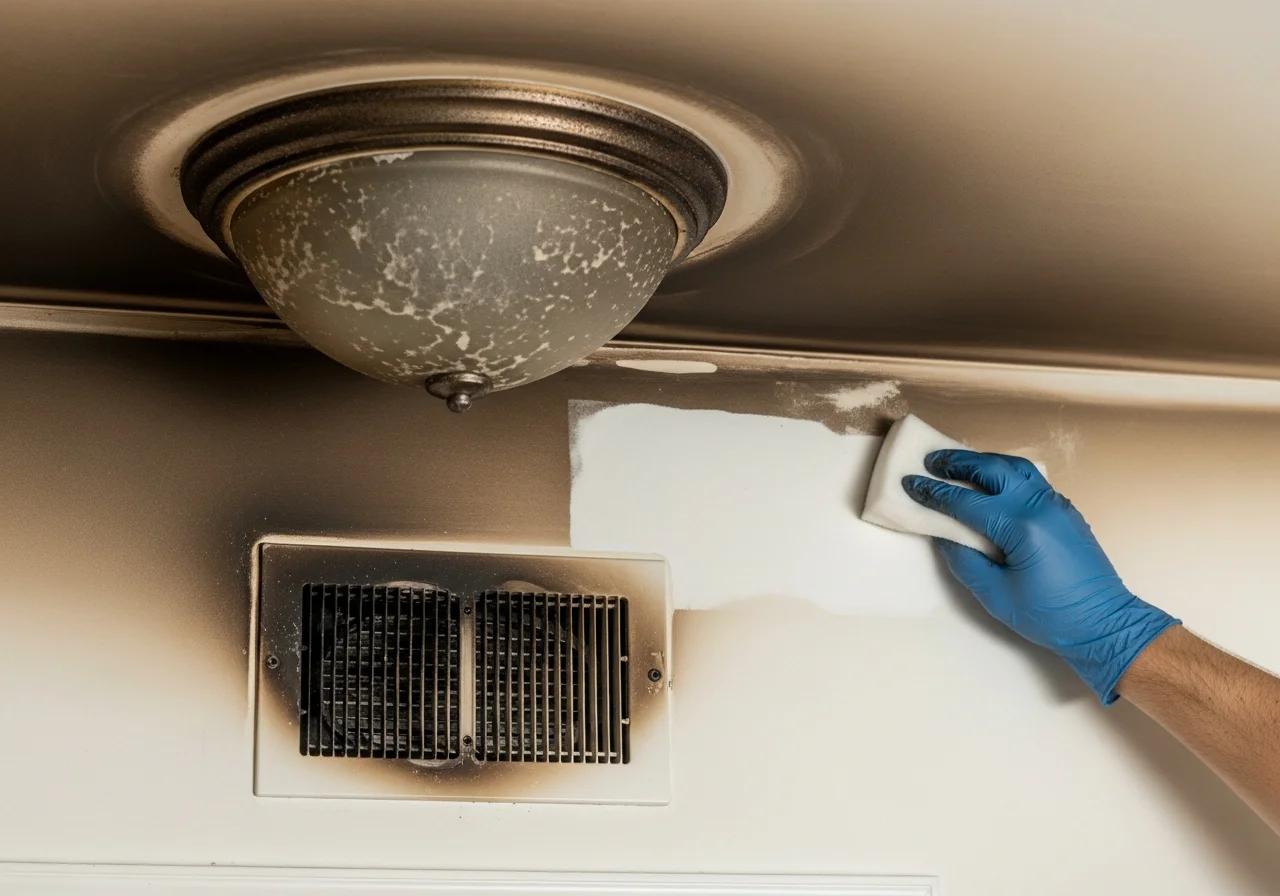
Interior smoke damage detail showing soot contamination on walls and surfaces in a Mount Holly NC home
Smoke and soot contamination on interior surfaces — requires professional treatment matched to material type
Fire-damaged home exterior in Mount Holly, North Carolina showing heat and smoke damage to siding and roof
Exterior fire damage showing heat warping and smoke staining on Mount Holly home
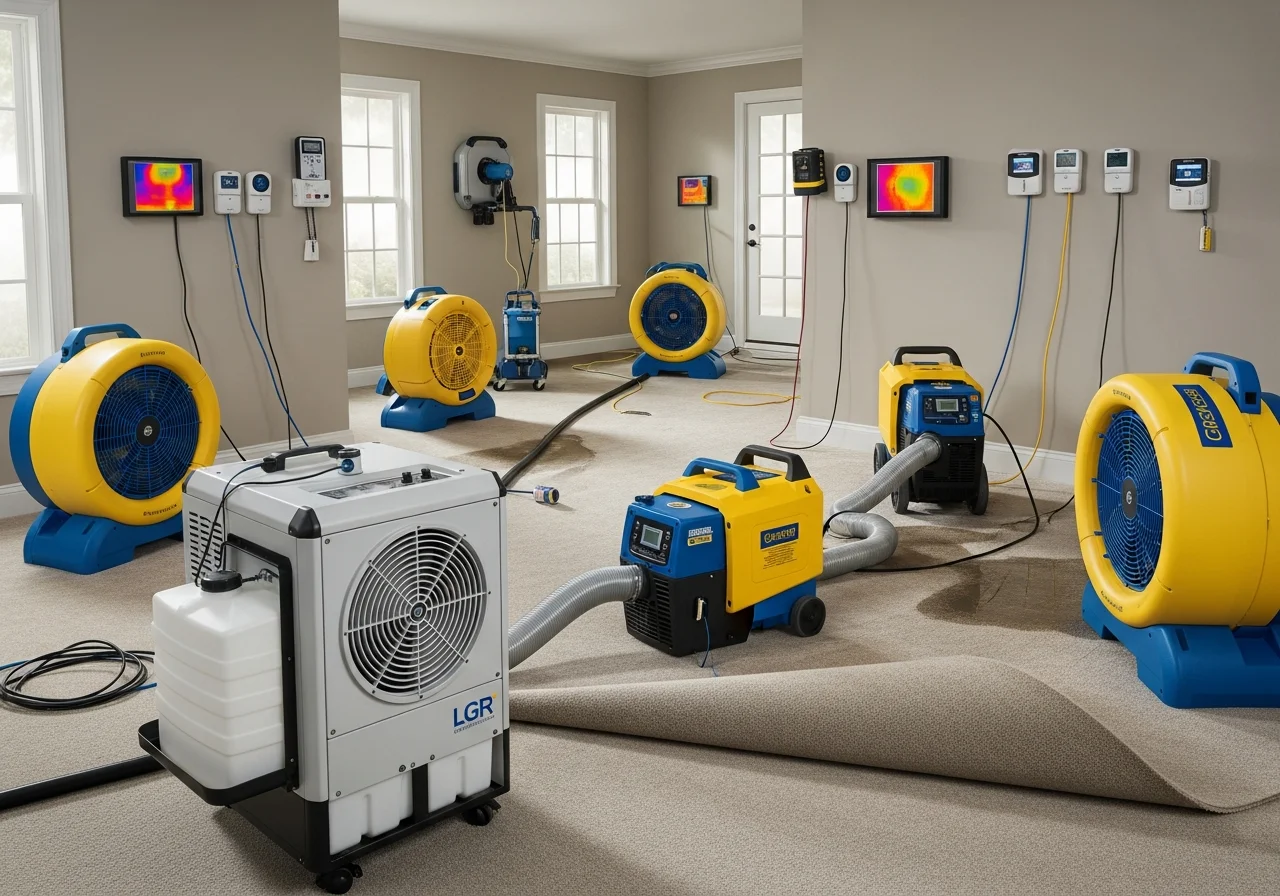
Commercial drying equipment set up inside a Mount Holly home for fire suppression water extraction
Commercial drying equipment addresses secondary water damage from fire suppression
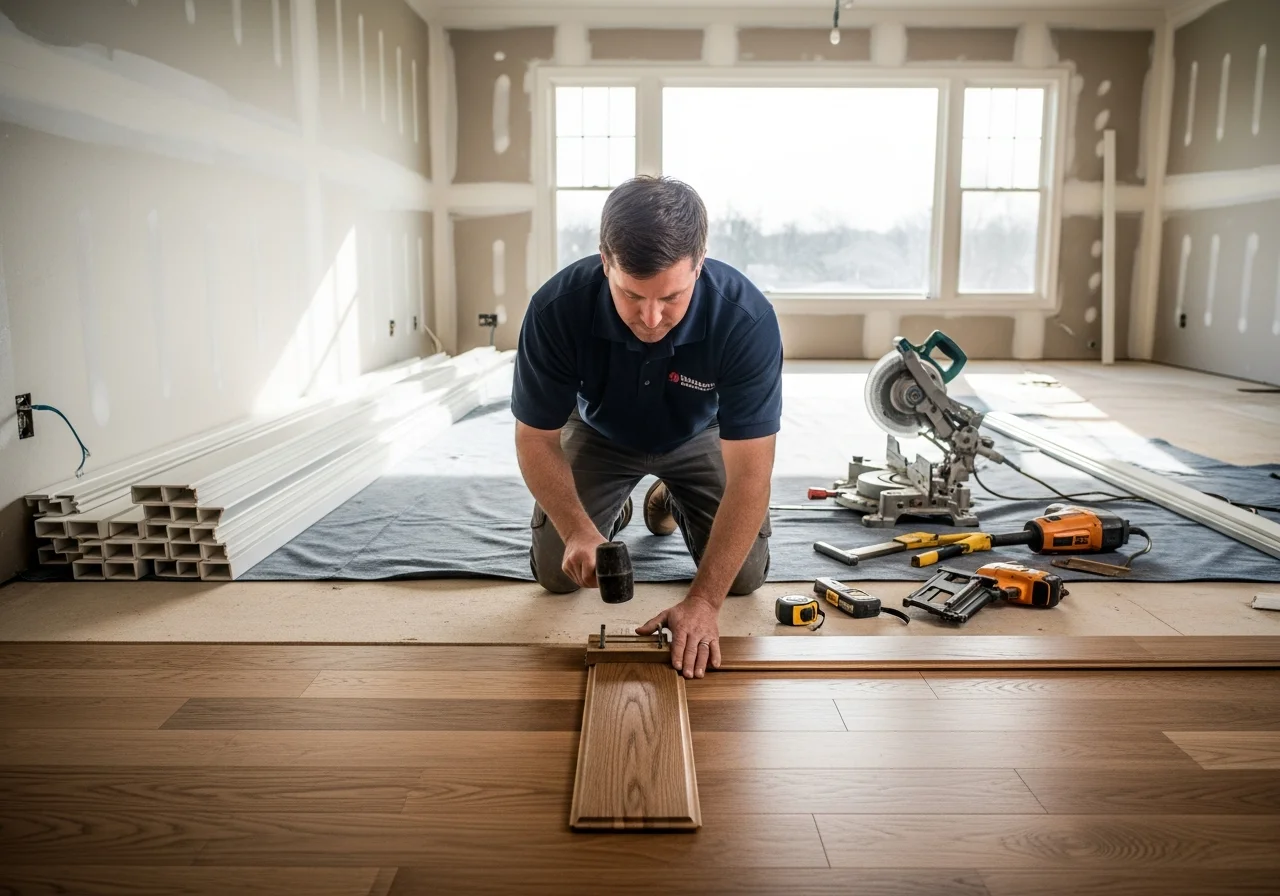
Hardwood floor installation during reconstruction of a fire-damaged Mount Holly home
After: Full reconstruction with new hardwood flooring and finished interiors

Insurance Coverage

Fire Insurance Claims in Mount Holly: What's Covered

Fire is one of the most comprehensively covered perils under North Carolina homeowners insurance policies. Unlike water or mold damage, fire claims rarely face coverage disputes — your policy is designed for exactly this situation. With Mount Holly's median home value at $331,220, ensuring your dwelling coverage matches current replacement costs is critical. Here's what a standard HO-3 policy covers for fire damage.

Structural repair and reconstruction to pre-loss condition

Professional soot and smoke cleaning of all affected surfaces

Smoke odor elimination (thermal fogging, ozone, hydroxyl)

Water damage from fire suppression (extraction and drying)

Contents restoration or replacement (furniture, electronics, clothing)

Additional Living Expenses (ALE) for temporary housing during restoration

Debris removal and hazardous material disposal

Building code upgrades required during reconstruction (with ordinance-and-law endorsement)

Palm Build Manages Your Fire Claim

We work directly with your insurance adjuster from the first inspection. Our fire damage documentation — structural assessments, soot type classification, moisture readings, photo evidence, and detailed scopes of work — is formatted exactly how Gaston County-area adjusters and carriers like State Farm, NC Farm Bureau, Nationwide, and Erie expect to receive it. This reduces back-and-forth and gets your claim approved faster.

Insurance Claims Guide

The Palm Build Difference

Why Mount Holly Homeowners Choose Palm Build After a Fire

Charlotte-Based, Mount Holly Fast

Our Crompton Street operations hub is approximately 20 minutes from Mount Holly via I-85 and NC-27. We're on-site in 30-45 minutes — not waiting for a regional franchise to dispatch from another city. Board-up, tarping, and soot stabilization begin the same day.

IICRC Fire & Smoke Certified

Every crew lead holds current IICRC Fire and Smoke Restoration Technician (FSRT) certification. We follow the S540 standard for professional fire and smoke damage restoration procedures — the same protocols used by major insurance carriers to evaluate restoration quality.

Multi-Damage Expertise

Fire projects always involve water damage from suppression and often involve mold risk — especially in Mount Holly's river corridor humidity. Our technicians are cross-trained in fire, water, and mold restoration. One team manages the entire scope without handoffs, subcontractors, or communication gaps.

Insurance Documentation Specialists

Fire claims involve the most comprehensive insurance documentation of any restoration type. Our soot classification, structural assessments, and scope-of-work documentation are formatted exactly how North Carolina carriers expect to see them — reducing adjuster back-and-forth and accelerating your claim.

Full Reconstruction Capability

From emergency board-up through final paint and punch list, Palm Build handles the entire project. For Mount Holly's older homes in Adrian Park and along the Riverfront, we source period-appropriate materials and coordinate code-upgrade work to bring aging systems to current standards during the rebuild.

Common Questions

Mount Holly Fire & Smoke Damage FAQ

How quickly can Palm Build respond to a fire emergency in Mount Holly?
Our Charlotte operations hub is approximately 20 minutes from Mount Holly via I-85 and NC-27. We dispatch 24/7/365 and typically arrive on-site within 30 to 45 minutes. Emergency board-up, soot stabilization, and water extraction from fire suppression begin the same day. Call (704) 464-0121 immediately after fire department clearance.
What are the most common causes of house fires in Mount Holly?
Mount Holly's fire profile reflects its mixed housing stock. Cooking fires are the most common cause across all neighborhoods. In older areas like Adrian Park and Cottonwood Acres, electrical fires from aging wiring — including knob-and-tube in pre-1940 homes and aluminum branch circuits in 1960s-1980s construction — are a significant risk. Heating-related fires spike from November through February when space heaters supplement aging HVAC systems in older homes. Dryer vent fires are also common in homes where lint buildup goes unaddressed.
How does smoke damage affect Mount Holly's brick and vinyl-sided homes differently?
Mount Holly's Piedmont brick homes absorb smoke deeply into the masonry — soot can penetrate a quarter-inch into brick through microscopic pores. Vinyl siding on newer homes like those in Stockbridge Estates and Kellys Landing warps and melts from heat exposure, trapping smoke residue beneath the siding against the house wrap and sheathing. Hardwood floors common in older Mount Holly homes absorb smoke through their grain structure, especially when heat opens the wood grain during a fire. Each material requires different cleaning chemistry and techniques.
Does homeowners insurance cover fire damage in Mount Holly, NC?
Yes — fire damage is one of the most comprehensively covered perils under standard North Carolina homeowners policies (HO-3). Coverage typically includes structural repair, contents replacement, smoke and soot cleanup, temporary living expenses (ALE), and debris removal. Mount Holly homeowners with a median home value of $331,220 should ensure their dwelling coverage matches current replacement costs. Palm Build provides detailed Xactimate estimates that adjusters from State Farm, NC Farm Bureau, Nationwide, and Erie need to process your claim efficiently.
How do you remove smoke odor from Mount Holly homes?
We use a three-method approach matched to your home's construction. Thermal fogging penetrates porous materials like the brick and hardwood common in older Mount Holly homes. Ozone treatment works for sealed, unoccupied spaces like closets and attics. Hydroxyl generators purify air safely in occupied areas during the restoration process. We classify the soot type first — protein from cooking fires, natural from wood-burning, or synthetic from modern materials — then match the treatment chemistry to both the soot and your home's building materials.
What about water damage from firefighting at my Mount Holly home?
Fire suppression often causes significant secondary water damage — a single fire hose delivers 150 to 250 gallons per minute. In Mount Holly's homes with crawl space foundations built on Piedmont red clay soil, suppression water pools beneath the structure where mold begins growing within 24 to 48 hours. The Catawba River corridor's elevated humidity accelerates this timeline. Palm Build handles fire and water damage simultaneously, beginning water extraction and structural drying while performing soot stabilization.
How long does fire damage restoration take in Mount Holly?
Timeline depends on severity and construction type. A contained kitchen fire with localized smoke typically takes 1 to 2 weeks. Moderate fires with smoke spread throughout the structure require 4 to 8 weeks. Major structural fires with full reconstruction can take 3 to 6 months. Mount Holly's older homes in Adrian Park often take longer due to the complexity of restoring porous century-old materials while sourcing period-appropriate replacement materials for irreplaceable architectural details.
Can Palm Build restore fire-damaged historic homes in Mount Holly's older neighborhoods?
Yes. Mount Holly's Adrian Park neighborhood contains homes dating to approximately 1913 with original plaster walls, heart pine floors, and Craftsman-era architectural details that cannot be replaced with modern materials. Smoke penetrates plaster to depths that drywall never reaches, and original hardwood requires careful soot removal without destroying irreplaceable grain patterns. Palm Build's reconstruction team matches historic materials and preserves architectural character while bringing electrical and structural systems to current code.

Fire Damage in Mount Holly? Every Hour Counts.

Soot becomes permanently damaging within hours — and Mount Holly's Piedmont brick homes, century-old hardwood floors, and mixed construction are especially vulnerable. Palm Build's Charlotte team responds in 30 to 45 minutes with emergency board-up, soot stabilization, and water extraction, plus insurance documentation from the first call.

30-45 min Response IICRC Certified