(888) 245-5155
Call Now 24/7
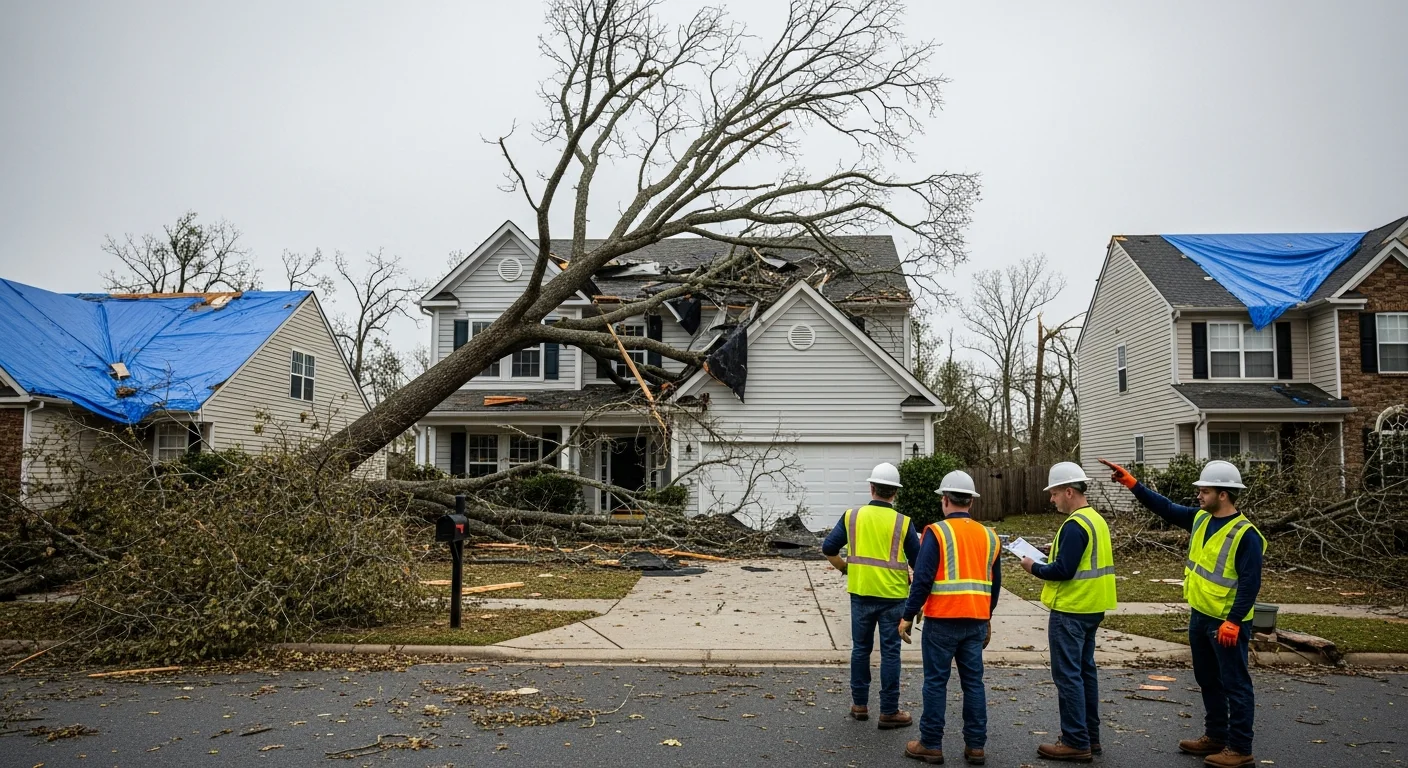
Massive tree fallen onto a residential roof in Rock Hill SC during the April 2024 hailstorm with visible structural damage and debris
ROCK HILL SC — STORM & HAIL DAMAGE RESTORATION

Storm & Hail Damage Restoration in Rock Hill, South Carolina

On April 20, 2024, Rock Hill took a direct hit from 4-inch hailstones and 80-90 mph winds that carved a 22-mile path through the city. Five months later, Tropical Storm Helene set a record 34,000 power outages. If your home is still recovering, Palm Build brings the capacity, expertise, and insurance documentation to finish what the storm started.

Charlotte Office — 25 min to Rock Hill via I-77 45-60 min Response IICRC Certified

45-60 min

Emergency Response

24/7

Dispatch Available

IICRC

Certified Technicians

April 20, 2024

The Catastrophic Hailstorm That Changed Rock Hill

The single most destructive local weather event in recent Rock Hill history — 4-inch hailstones, 80-90 mph winds, and a 22-mile damage swath that triggered a formal IBHS investigation. Nearly two years later, the compound damage from this event continues to generate restoration calls across York County.

4"

Hailstone diameter

Largest in SC in 13 years

90 mph

Wind gusts

Straight-line winds

22 mi

Storm path length

York to I-77 corridor

5.5 mi

Maximum width

Of the damage swath

IBHS Investigation Deployed

The Insurance Institute for Business & Home Safety conducted a full post-event investigation in collaboration with four insurance companies — a level of scrutiny typically reserved for the most damaging storms in the nation. Their findings documented catastrophic failure of building materials across the impact zone.
Shingle Damage Regardless of Age

IBHS confirmed that conventional asphalt shingles were damaged regardless of age within the most severe hail zone. Impact-rated Class 4 shingles performed measurably better, but the vast majority of Rock Hill homes — including newer construction in Sweetwater Plantation and Eastview — had standard-rated shingles.

Vinyl Siding Shredded Across Impact Area

Vinyl siding on 2000s-era homes throughout Southside, Sweetwater Plantation, and the I-77 corridor was described as "shredded" by investigators. The compromised building envelope allowed water intrusion during subsequent rain events — setting up the compound damage that persists today.

Southside: Ground Zero

The Southside neighborhood bore the worst damage. SC Public Radio documented homes with 10-foot holes in roofs covered only by blue tarps eight months after the event. Structural tree falls onto homes compounded the hail and wind damage. Many Southside homes experienced compound damage when Helene arrived five months later.

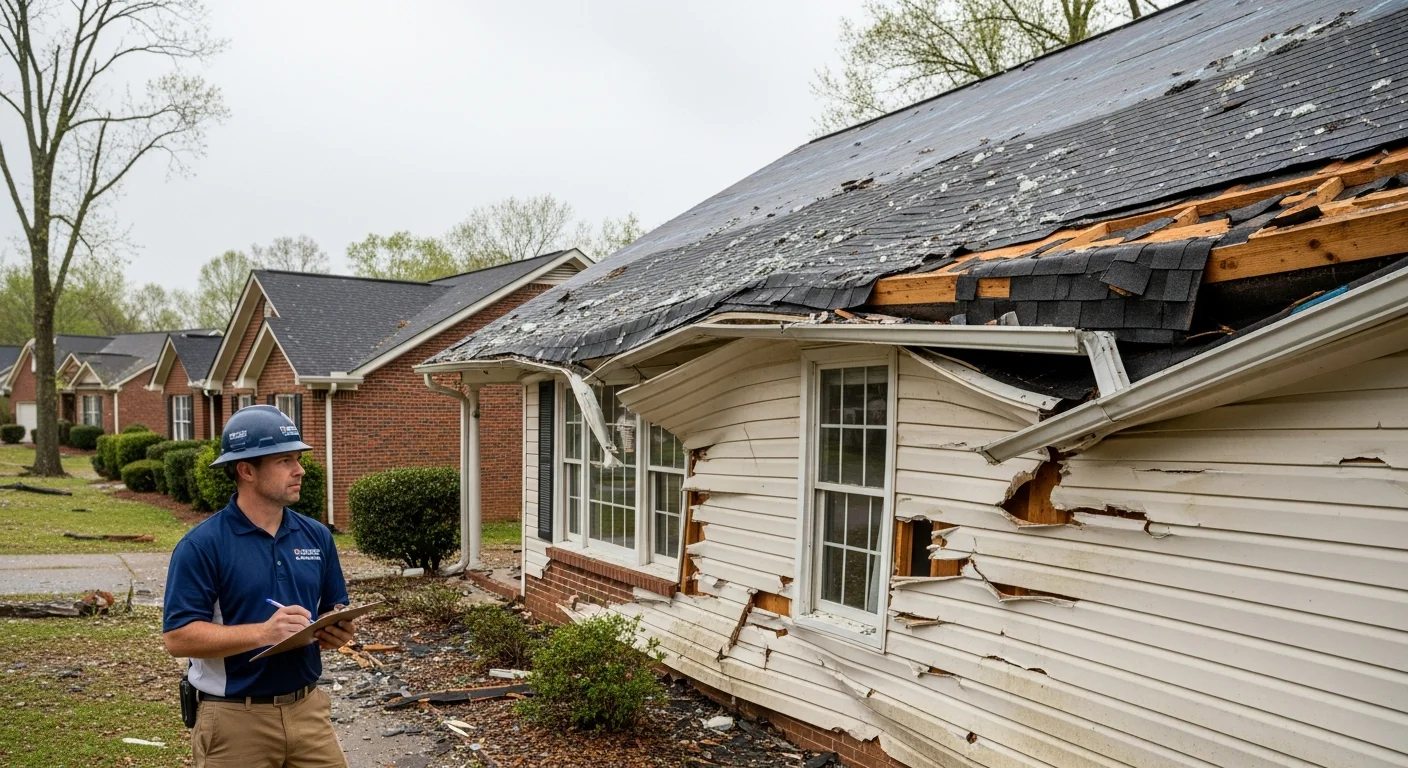
Hail damage inspection on a Rock Hill SC roof showing impact marks from 4-inch hailstones
Hail damage inspection on a Rock Hill roof following the April 20, 2024 catastrophic hailstorm — the IBHS confirmed damage to shingles regardless of age in the impact zone.

September 2024

Tropical Storm Helene: Rock Hill's Second Hit in Five Months

As Helene tracked north through South Carolina, Rock Hill experienced record-breaking power outages, mandatory evacuations along the Catawba River, and devastating compound damage on homes still recovering from April's hailstorm.

34,000 Power Outages

83 yrs

Record since cooperative founded

York Electric Cooperative recorded 34,000 simultaneous member outages — the most in the cooperative's 83-year history, rivaling Hurricane Hugo. Extended power loss left homes without HVAC dehumidification, accelerating mold growth in already-moisture-compromised structures.

Catawba River Evacuations

4-5 ft

Expected additional river rise

Mandatory evacuations were ordered south of Mountain Island Lake as the Catawba River was expected to rise an additional 4-5 feet. Riverwalk residents and waterfront properties in the India Hook corridor faced direct flood exposure as Duke Energy released water over spillways.

Compound Damage on Unrepaired Homes

5 months

Between hail event and Helene

Helene arrived just five months after the April hailstorm. Homes that couldn't complete roof repairs before September had interior water damage dramatically worsened by Helene's heavy rainfall — driving water through compromised roofing, into wall cavities, and down into crawl spaces.

South Rock Hill Flooding

$1.48B

Statewide damage from Helene

Kings Drive and the College Downs area flooded to knee depth even before peak rainfall arrived. Combined with the $1.48 billion in statewide damage and over 1.3 million power outages across South Carolina, Helene overwhelmed local response capacity and created restoration backlogs lasting months.

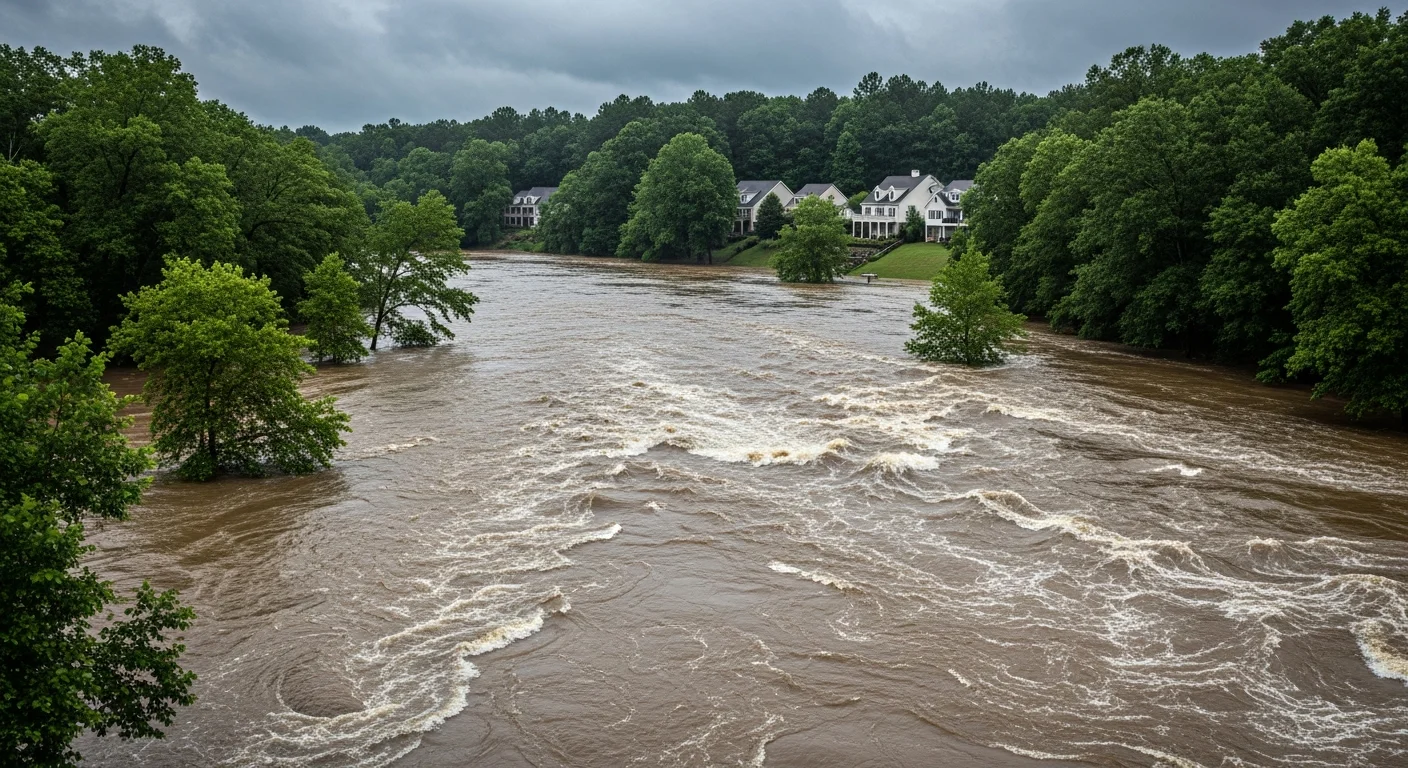
Catawba River near Rock Hill SC during flood conditions from Tropical Storm Helene
The Catawba River during Tropical Storm Helene — mandatory evacuations were issued as the river was expected to rise an additional 4-5 feet above already-elevated levels.

Neighborhood Storm Profiles

Storm Damage Risk by Rock Hill Neighborhood

Storm vulnerability in Rock Hill varies by construction type, drainage infrastructure, and proximity to waterways. This neighborhood-level intelligence helps homeowners understand their specific risk profile.

Southside

Critical

Built: 1940s-1970s

Primary risk: Hail + wind + compound water intrusion

Storm profile: Ground zero for April 2024 hailstorm. Documented 10-foot roof holes, shredded vinyl siding, structural tree falls. Compound damage from Helene 5 months later.

College Downs

Critical

Built: 1950s-1970s

Primary risk: Street flooding + crawl space inundation

Storm profile: Chronic flooding since 1969 worsened by every major storm. January 2024 storm flooded area despite $2.1M city mitigation project.

South Central / Flint Hill

Critical

Built: 1940s-1970s

Primary risk: Stormwater flooding from infrastructure failure

Storm profile: Undersized culverts flood 90+ homes during heavy rain. $14.8M ARPA project underway but construction through Fall 2026.

Riverwalk

High Risk

Built: 2012-2022

Primary risk: River flooding + stormwater

Storm profile: Catawba River proximity triggered mandatory evacuations during Helene. Waterfront lots face direct flood exposure when Duke Energy releases spillway water.

Sweetwater Plantation

High Risk

Built: 2008-2019

Primary risk: Hail-damaged building envelope

Storm profile: 2008-2019 vinyl siding and composition shingles severely damaged by April 2024 hail. Slab foundations reduce crawl space risk but building envelope compromise creates water intrusion.

Eastview

High Risk

Built: 2000s-2010s

Primary risk: Hail + vinyl siding damage

Storm profile: Near I-77 corridor within the April 2024 hailstorm path. Two-story vinyl siding homes were particularly vulnerable to wind-driven hail.

Laurel Creek / India Hook

Moderate

Built: 1990s-2010s

Primary risk: Wind damage + lake-effect exposure

Storm profile: Lake Wylie proximity adds windstorm exposure. Mixed-age housing means varied roof conditions — older sections most vulnerable.

Millwood Plantation

Moderate

Built: 1990s-2000s

Primary risk: Aging roof failure during storms

Storm profile: Composition shingle roofs 25-35 years old — well past useful life and highly vulnerable to hail and wind damage.

Our Process

Rock Hill Storm Damage Restoration Process

From emergency tarping through final reconstruction, our proven process addresses every layer of storm damage — including the compound damage scenarios unique to Rock Hill's recent back-to-back weather events.

01

Emergency Response (45-60 Minutes)

Call (704) 464-0121 immediately after storm damage. Our crew arrives from Charlotte via I-77 with tarps, board-up materials, and water extraction equipment. During major events like the April 2024 hailstorm, we deploy multiple crews simultaneously across Rock Hill.

02

Emergency Tarping & Board-Up

Compromised roofs, windows, and siding are secured against further weather exposure. With 44 inches of annual rainfall and no dry season in Rock Hill, rapid board-up prevents the secondary water damage that turns a storm claim into a compound disaster.

03

Damage Assessment & Documentation

We document every point of storm damage: roof impacts, siding penetrations, water intrusion paths, and structural compromise. For hail claims, we photograph individual impact marks with measurement references — the documentation your adjuster needs to approve a full replacement vs. a patch repair.

04

Water Extraction & Drying

Storm-driven water is extracted from the structure. For Rock Hill crawl-space homes, we inspect and treat the crawl space — roof leaks drive water through the structure and pool beneath the home. Commercial dehumidifiers and air movers run until every surface reaches its dry standard.

05

Roofing, Siding & Structural Repair

We handle the full scope: roof replacement, siding repair, window replacement, structural framing, and interior finish work. Rock Hill requires building permits for all structural repairs with a 10-business-day plan review — we manage the entire permitting process.

06

Final Inspection & Warranty

Every repair is inspected for workmanship and code compliance. We provide a written warranty and maintain your project file for future insurance reference. For homes with compound damage from multiple events, we ensure the final restoration addresses all layers of damage.

The Compound Damage Chain

How Hail Damage Becomes Mold: Rock Hill's Compound Crisis

The April 2024 hailstorm didn't just damage roofs — it set off a chain reaction that is still producing restoration calls nearly two years later. Understanding this compound damage timeline is critical for Rock Hill homeowners.

April 20, 2024

Catastrophic Hailstorm

4-inch hailstones and 80-90 mph winds damage roofs and shred vinyl siding across a 22-mile swath. Shingles are cracked, lifted, or torn off. The building envelope is compromised but the interior is initially dry.

April - September 2024

Delayed Repairs + Rain

Restoration backlogs leave thousands of homes with compromised roofs during Rock Hill's wettest months. Every rain event — and there are dozens, averaging 5+ inches in March alone — drives water through damaged shingles into the attic, wall cavities, and subfloor.

May - August 2024

Hidden Water Intrusion

Water migrates through wall cavities and pools in crawl spaces below. Most homeowners are unaware of the extent because the water travels behind drywall. Summer humidity levels exceeding 60% keep every saturated surface wet.

June - September 2024

Mold Colonization

With moisture, warmth, and organic building materials, mold colonizes floor joists, subfloor, wall cavities, and insulation. The stack effect pulls mold spores into the living space. Homeowners notice musty odor and allergy symptoms.

September 26-27, 2024

Tropical Storm Helene

Helene drives heavy rainfall through already-compromised roofs. 34,000 power outages eliminate HVAC dehumidification. College Downs and Kings Drive flood to knee depth. The compound damage chain accelerates — what started as hail damage is now structural water damage with active mold.

Still Dealing with Compound Damage?

If your Rock Hill home was impacted by the April 2024 hailstorm and you're now discovering water damage or mold, you're not alone. The compound damage chain is well-documented and we can help you navigate both the restoration and the insurance claim — even if the original hail claim was filed months ago. Call (704) 464-0121 for a free assessment.

Cost Transparency

Storm Damage Restoration Costs in Rock Hill

Storm restoration costs in Rock Hill have been elevated since the April 2024 hailstorm due to high demand and the prevalence of compound damage. These ranges reflect current York County project costs.

Standard Storm Damage

Emergency tarping & board-up $500 - $2,500
Roof repair (partial) $3,000 - $10,000
Siding repair / replacement $2,000 - $8,000
Water extraction & drying $1,500 - $5,000
Interior repair (drywall, paint) $2,000 - $8,000
Typical storm damage range $8,000 - $30,000

Compound Damage (Hail + Water + Mold)

Full roof replacement $8,000 - $25,000
Complete siding replacement $5,000 - $18,000
Structural framing repair $3,000 - $15,000
Mold remediation (secondary) $2,500 - $12,000
Crawl space water/mold treatment $4,000 - $15,000
Total compound damage range $25,000 - $85,000+

Insurance Navigation

Storm Damage Insurance Claims in Rock Hill

The April 2024 hailstorm exposed thousands of Rock Hill homeowners to insurance complexities they'd never encountered — wind/hail deductibles, ACV settlements, and compound damage claims spanning multiple events. Understanding these traps before you file can save you thousands.

Wind and hail damage to roofing, siding, and windows is covered under standard York County homeowners policies

Water damage resulting from storm-compromised roof or building envelope is typically a covered peril

Wind/hail deductibles are separate from your standard deductible — often 1-2% of dwelling coverage ($3,000-$6,000 on a $300K home)

Older roofs (15+ years) may be settled at Actual Cash Value (ACV) — depreciation is subtracted from the replacement payout

Flood damage from rising water (College Downs, South Rock Hill) requires separate NFIP flood insurance — most Rock Hill homeowners do NOT carry it

Mold from delayed storm damage repair faces $5,000-$10,000 sublimits — easily exceeded in compound damage scenarios

ACV vs. RCV: The Trap for Older Rock Hill Roofs

If your roof is 15+ years old, your insurer may settle the claim at Actual Cash Value — meaning they subtract depreciation from the replacement cost. On a roof that cost $15,000 to replace, ACV might pay only $8,000-$10,000, leaving you to fund the gap. Review your policy's roof settlement language before filing.

Storm documentation that supports full replacement

Our storm damage documentation includes individual hail impact measurements, wind damage patterns, moisture intrusion mapping, and photo evidence with date-stamped metadata. This level of detail supports full Replacement Cost Value claims. See our insurance restoration process guide.

Our Work

Rock Hill Storm Damage: Before and After

Hail damage inspection on a Rock Hill SC roof showing impact marks from the April 2024 storm
Hail impact assessment: Documenting individual strikes for insurance claims
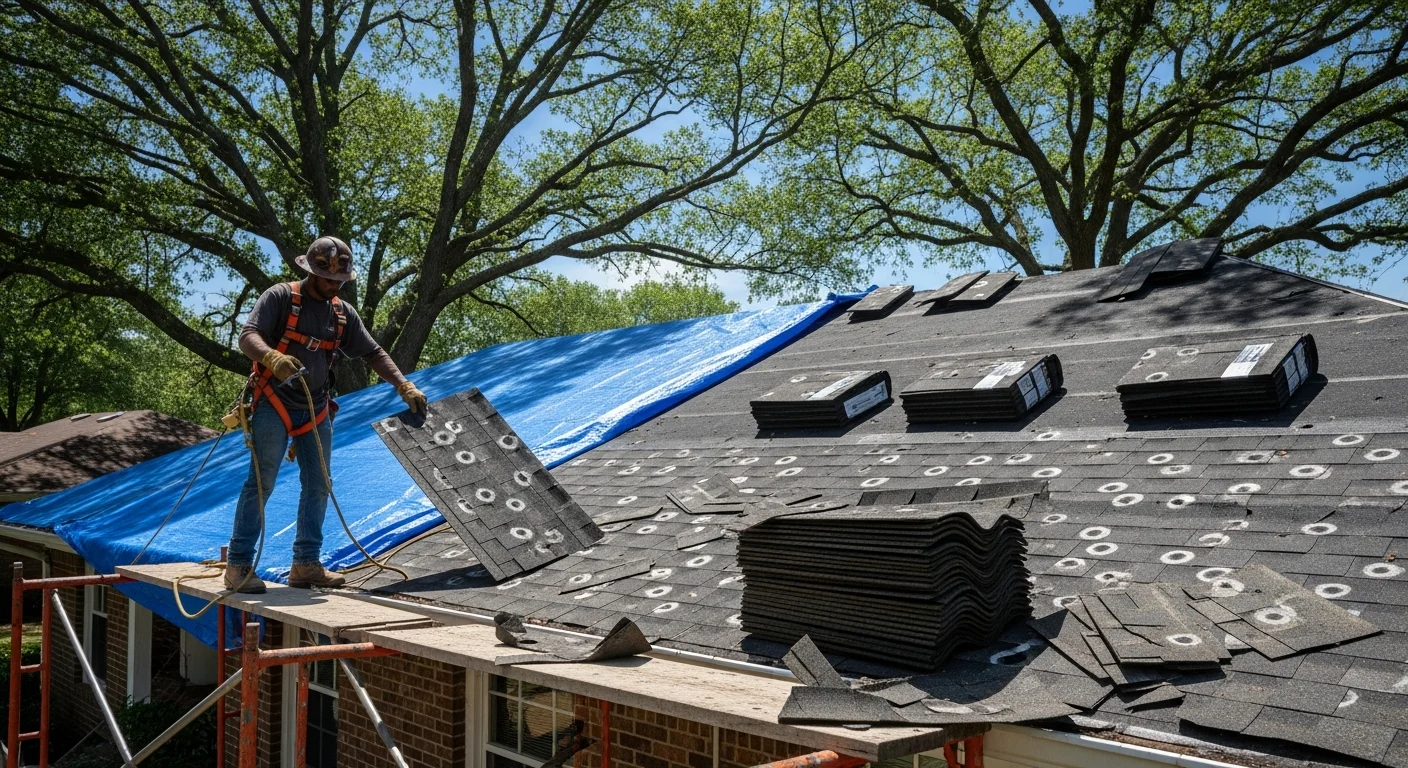
Roof repair in progress on a hail-damaged Rock Hill SC home
Roof restoration: Full shingle replacement following hail damage
Tree fallen on a Rock Hill SC home during severe storm causing structural damage
Storm damage: Tree fall during severe weather requiring structural restoration
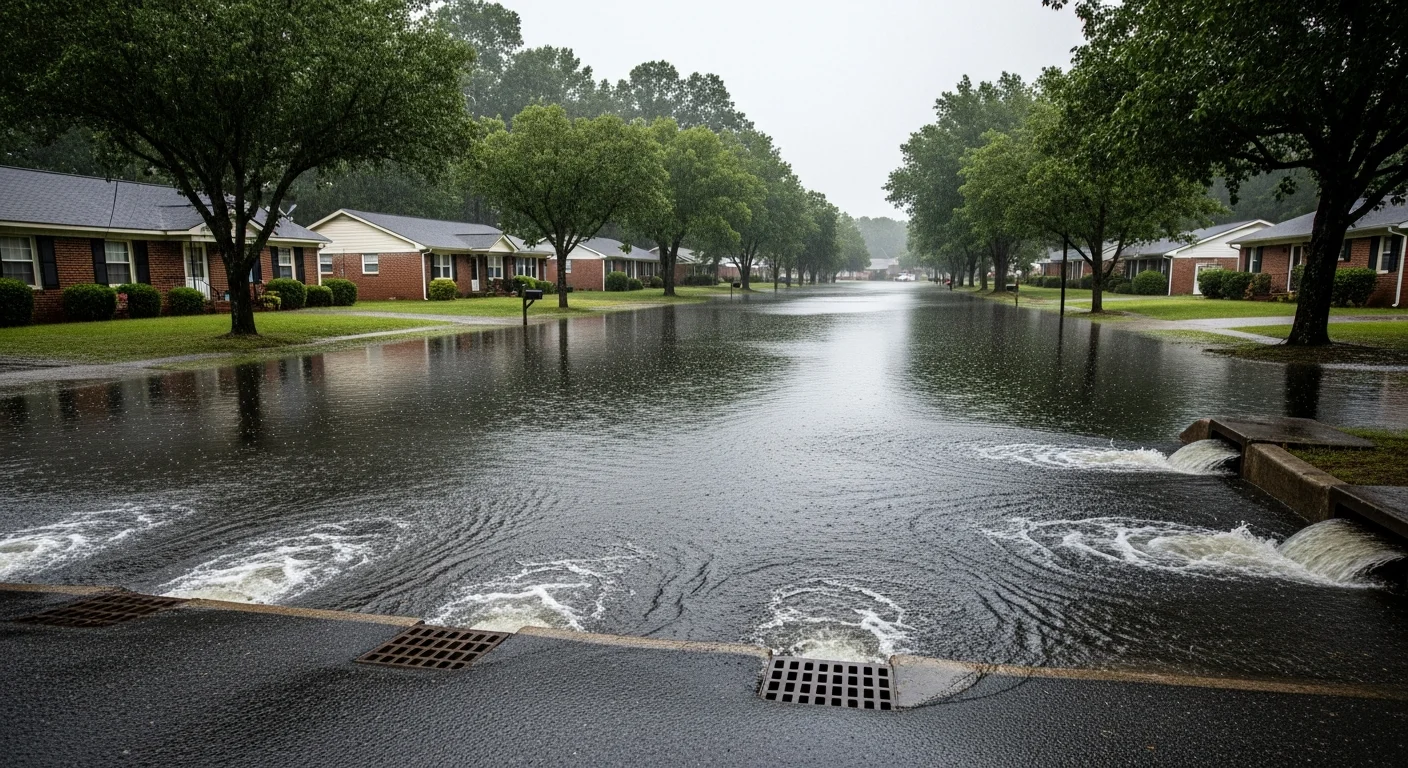
Residential street flooding in Rock Hill SC during Tropical Storm Helene
Street flooding in South Rock Hill during Tropical Storm Helene (September 2024)

Why Palm Build

Why Rock Hill Homeowners Choose Palm Build After Storms

No competitor in Rock Hill references the April 2024 hailstorm, Tropical Storm Helene, or the compound damage chain that has defined this market since 2024. We know this area's storm history because we've been restoring homes through every event.

Local Presence, Rapid Deployment

Our Charlotte office is 25 minutes from Rock Hill via I-77. During major events like the April 2024 hailstorm, we deploy multiple crews simultaneously across affected neighborhoods — we don't wait for a franchise approval chain.

Compound Damage Expertise

Rock Hill's back-to-back storms created compound damage scenarios that most restoration companies are not equipped to handle. We address all layers — hail, water intrusion, and secondary mold — under one scope of work with one insurance claim strategy.

IICRC Multi-Certified

Our technicians hold IICRC certifications in water damage, mold, and fire restoration. When a hail-damaged roof leads to water intrusion leads to mold, one company with multi-discipline credentials manages the entire restoration.

Storm Documentation Specialists

We document individual hail impacts, wind damage patterns, moisture migration paths, and mold growth timelines. This comprehensive documentation supports full RCV claims and helps counter ACV settlement attempts on older roofs.

Emergency Response Through Reconstruction

From emergency tarping to final roof replacement, one company handles every phase. We manage Rock Hill's permit process and coordinate with York County inspectors — eliminating the gaps that cause delays.

Common Questions

Rock Hill Storm Damage Restoration FAQ

Is my Rock Hill home still at risk from the April 2024 hailstorm?
If your roof or siding hasn't been professionally inspected and repaired, yes. The IBHS confirmed shingle damage regardless of age in the severe hail zone. Hidden damage allows water intrusion with every rain event.
What is a wind/hail deductible?
A percentage-based deductible (typically 1-2% of dwelling coverage) applied specifically to wind and hail claims. On a $300,000 home, that's $3,000-$6,000 out of pocket before insurance pays.
Does insurance cover mold from storm damage?
Mold from a covered storm event may be covered up to your mold sublimit ($5,000-$10,000). Documentation proving the causal chain from storm to water to mold is critical.
How fast can Palm Build respond to storm damage in Rock Hill?
Emergency tarping and board-up: 45-60 minutes from our Charlotte hub. We dispatch 24/7 — call (704) 464-0121.
Will insurance replace my older roof after hail damage?
RCV policies pay full replacement cost. ACV policies subtract depreciation — a 20-year-old roof might only yield 40-55% of replacement cost.
What's the difference between storm damage and flood damage?
Storm damage (wind, hail, wind-driven rain) is covered by standard insurance. Flood damage (rising water, stormwater backup) requires separate flood insurance that most Rock Hill homeowners don't carry.
How long does storm restoration take in Rock Hill?
Roof and siding: 2-4 weeks. Compound damage with mold and reconstruction: 6-12 weeks. Add 10 business days for Rock Hill building permit review.
What areas does Palm Build serve for storm damage?
All of Rock Hill and York County including Fort Mill, Tega Cay, Clover, Indian Land, Lake Wylie, and the broader Charlotte metro area.

Storm Damage in Rock Hill? Don't Wait for It to Compound.

The April 2024 hailstorm proved that delayed restoration leads to compound damage — water intrusion, hidden mold, and exponentially higher costs. Palm Build has the crew capacity, compound-damage expertise, and insurance documentation to restore your Rock Hill home. Call now.

45-60 min Response IICRC Certified