Water Damage Restoration in Lincolnton, North Carolina
From Lincoln Forest crawl spaces to River Village flood corridors, Palm Build's Charlotte-based emergency team reaches Lincolnton in 45-60 minutes with truck-mounted extraction, structural drying, and full insurance documentation — day or night.
35 miles from Lincolnton 45-60 min Response IICRC Certified
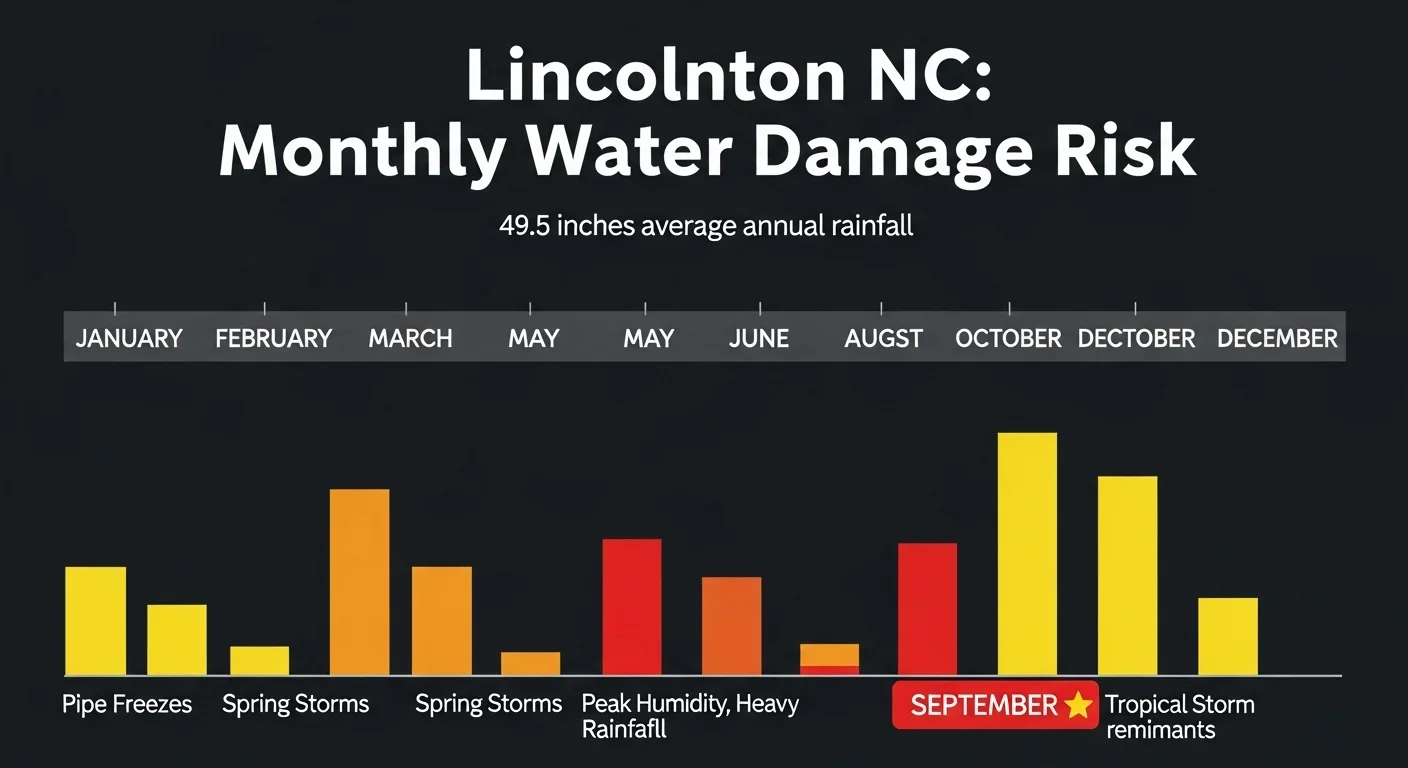
Lincolnton averages 49.5 inches of annual rainfall with peak risk from June through September. Two recent events confirm this is not theoretical
— Tropical Storm Helene remnants caused ~$1M in Lincoln County property damage in September 2024, and an EF0 tornado struck the county in May 2025.
Peak RiskHigh RiskModerate
Click any month bar for details
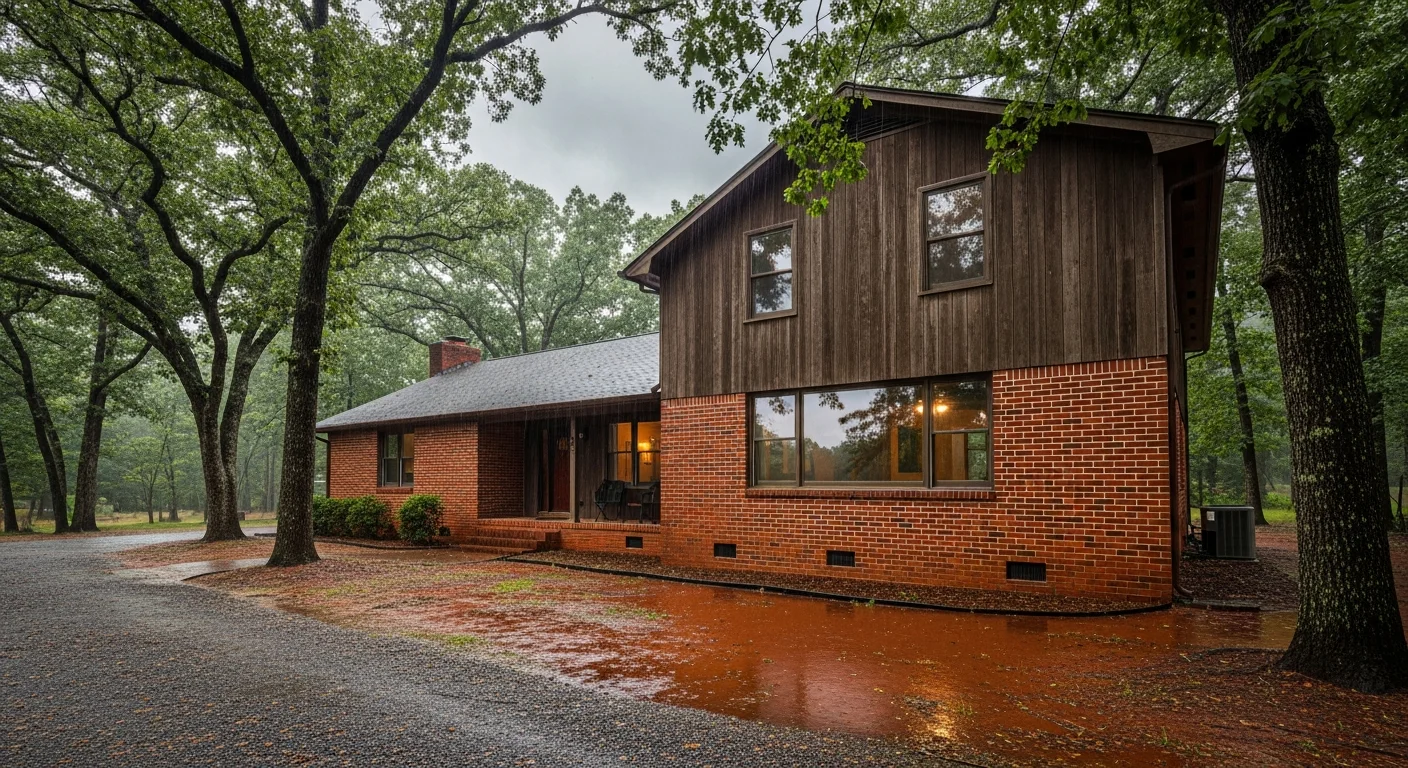
September 27, 2024
Tropical Cyclone Helene remnants struck Lincoln
County, causing approximately $1 million in property damage. Flooding along the
South Fork Catawba corridor saturated clay soil and drove widespread crawl space
flooding events across the county.
May 3, 2025
An EF0 tornado touched down in Lincoln County,
producing tree and limb damage along a short track near Lowesville. Downed trees caused
roof punctures and secondary water intrusion across affected neighborhoods.
Lincolnton's water damage risk peaks from June through September — with July as the
wettest month and tropical storm remnants posing significant risk in late summer.
Local Risk Factors
Why Lincolnton Homes Face Unique Water Damage Risks
Lincolnton's combination of heavy Piedmont clay soil, proximity to the South Fork
Catawba River system, 49.5 inches of annual rainfall, and widespread mid-century crawl
space construction creates a water damage environment that is more aggressive than most
homeowners expect. When a storm hits, the clock starts immediately — mold can begin growing in 24 to 48 hours.
Piedmont Clay Soil
<0.2 in/hr
Clay drainage rate
Lincoln County sits on the Cecil and Pacolet clay soil series — heavy red clay that drains at less than 0.2 inches per hour. After any significant rain, water pools against foundations and wicks into crawl spaces for days, creating the sustained moisture conditions that turn a single storm into a weeks-long mold risk.
South Fork Catawba Watershed
49.5"
Annual rainfall
Lincolnton sits within the South Fork Catawba River system, with Indian Creek and multiple tributaries running through Lincoln County. Properties near these corridors face elevated flood risk during tropical remnants and heavy rainfall events — NOAA records show multiple bridges in the area flood during high water scenarios.
70–90% Summer Humidity
24–48 hrs
Mold onset time
Lincolnton's humid subtropical-influenced Piedmont climate drives summer humidity to 70–90% with July as the wettest month. This means any moisture intrusion — a crawl space puddle, a pinhole supply line leak, or post-storm damp insulation — encounters ideal mold germination conditions almost immediately.
Mid-Century Crawl Space Stock
1950s–80s
Dominant build era
A large share of Lincolnton's housing was built from the 1950s through the 1980s with vented crawl space foundations — a construction method that is now understood to invite ground moisture migration into living spaces. These homes also commonly have aging galvanized or early copper supply lines that are past their useful life.
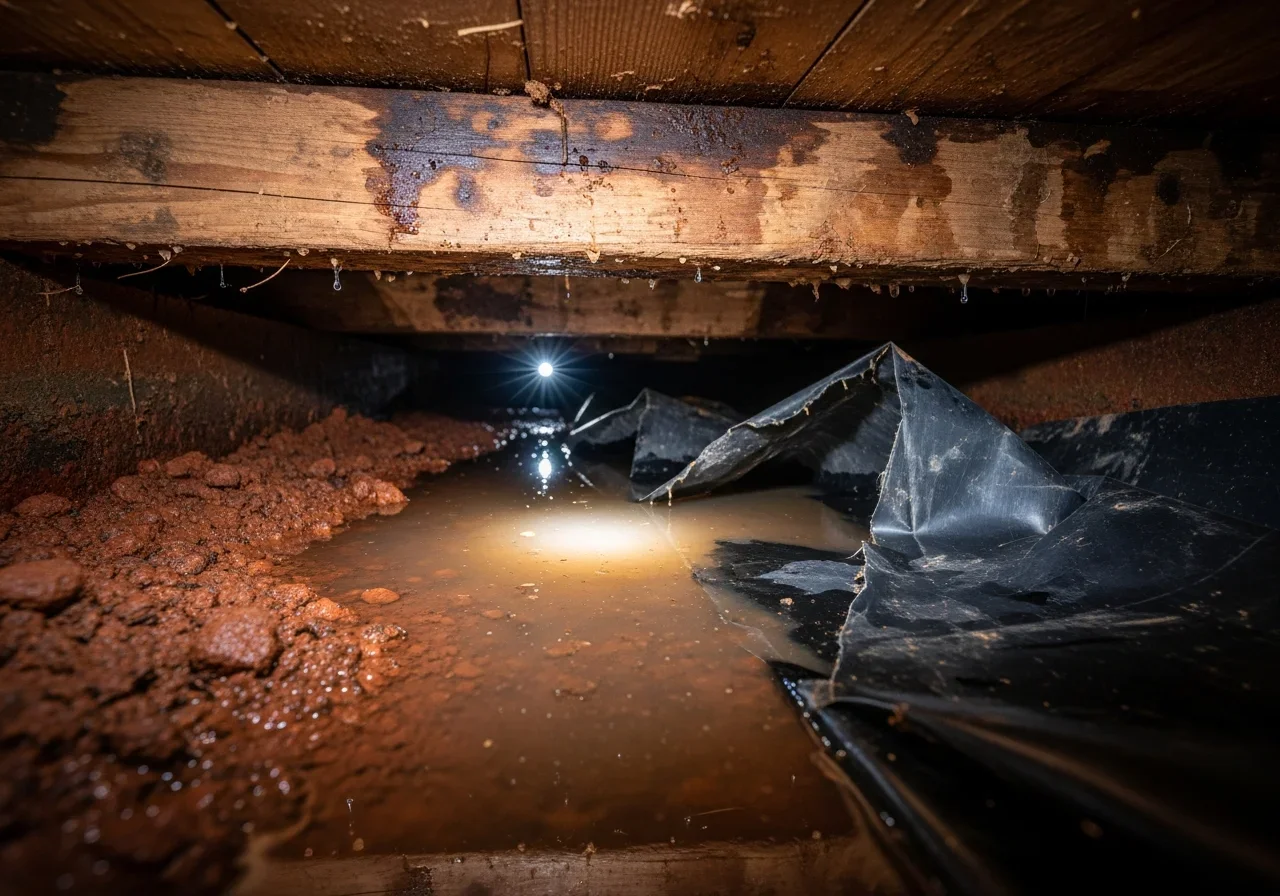
Lincolnton's heavy clay soil holds moisture against crawl space foundations for weeks
after rain, creating sustained water damage and mold risk under older homes.
Neighborhood Intelligence
Lincolnton Neighborhood Water Damage Risk Guide
Water damage in Lincolnton follows predictable patterns based on proximity to the South
Fork Catawba watershed, foundation type, construction era, and clay soil drainage
characteristics. No competitor covers this level of local detail.
River Village
Flood Risk
Built: Mixed eras
Primary risk: South Fork Catawba flood corridor, storm surge from tropical remnants
Common damage: Flood intrusion, saturated crawl spaces, foundation water pressure after heavy rain
Common damage: Supply line and valve failures, crawl space moisture wicking, hardwood floor buckling
Deer Creek
High Risk
Built: 1990s–2000s
Primary risk: Creek proximity increases flood risk during peak rainfall and tropical events
Common damage: Yard saturation, crawl space vapor intrusion, sub-slab seepage on sloped lots
Beatties Ford Park
High Risk
Built: 1950s–1970s
Primary risk: Older construction era, limited original vapor barriers, heavy clay lot drainage
Common damage: Ground moisture migration, crawl space wood rot precursors, aging water supply failures
Highland View
Moderate
Built: 1980s–1990s
Primary risk: Sloped lots, drainage toward foundations, aging construction on clay substrate
Common damage: Basement and crawl space seepage on grades, gutter failure flooding at downspouts
Abby Park
Moderate
Built: 2000s–2010s
Primary risk: Newer slab construction, tighter envelopes can trap moisture from roof or HVAC leaks
Common damage: Ceiling staining from roof leaks, HVAC condensation pan failures, slab moisture intrusion
Wellington Park
Moderate
Built: 2000s–2010s
Primary risk: Modern subdivision, clay lot grading issues, construction-era drainage variances
Common damage: Storm drain overload flooding, exterior water entry at foundations, HVAC-related moisture
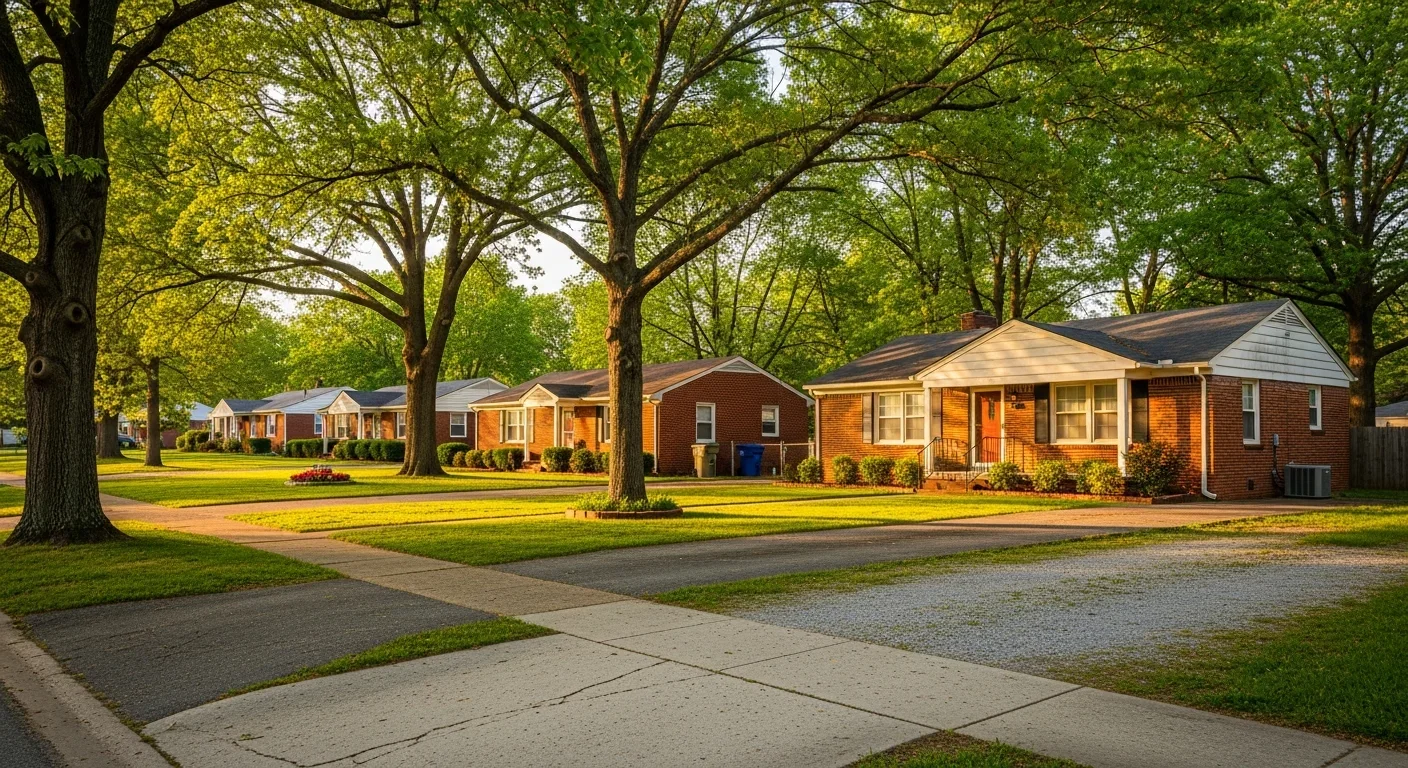
Lincolnton's older in-town neighborhoods feature mid-century brick and wood-frame homes
with crawl space foundations — a construction type that requires careful moisture
management in Lincoln County's humid Piedmont climate.
Flood Zones & Waterways
Lincolnton's Water System and Your Flood Risk
Not all flood risk in Lincolnton comes from named flood zones. The South Fork Catawba
watershed, Indian Creek, and Lincoln County's clay soil drainage behavior affect
properties well beyond the FEMA-mapped floodplain. Here's what homeowners in every
neighborhood need to know.
South Fork Catawba River
Primary River
The South Fork Catawba River Blueway runs through Lincolnton from the Ramsour Mill Trail area south toward Betty Ross Park. NOAA monitoring data indicates multiple bridges in the area — including Laboratory Road and South Fork Road — are subject to flooding during significant precipitation events. Properties near this corridor have elevated flood insurance risk.
Flood Risk
Highest
Indian Creek Watershed
Secondary Watershed
Indian Creek and the broader South Fork basin are part of the hydrologic units that drain Lincoln County. USGS maintains monitoring stations on Indian Creek near Laboratory and on the South Fork near Lincolnton. Heavy rainfall events that saturate the watershed can cause rapid rises in creek levels affecting properties throughout the drainage area.
Flood Risk
High
Clay Soil Drainage Zones
Diffuse Flooding
Lincoln County's Cecil and Pacolet clay soil series dramatically limits infiltration across the entire county — not just in named flood zones. After 2+ inches of rain, surface runoff increases sharply, drainage swales overflow, and sub-slab moisture pressure rises on properties without engineered drainage. This is why crawl space flooding occurs across Lincolnton even on upland lots far from named waterways.
Flood Risk
Moderate–High
How to Check Your Specific Lincolnton Property
Flood zone classification is address-specific and changes with FEMA map updates. Use
FEMA's Flood Map Service Center to check your property's current designation.
Properties in Zone AE or Zone A require flood insurance if you carry a federally
backed mortgage. Properties in Zone X may still experience flooding from clay soil
drainage events that standard insurance may not cover without a separate flood policy.
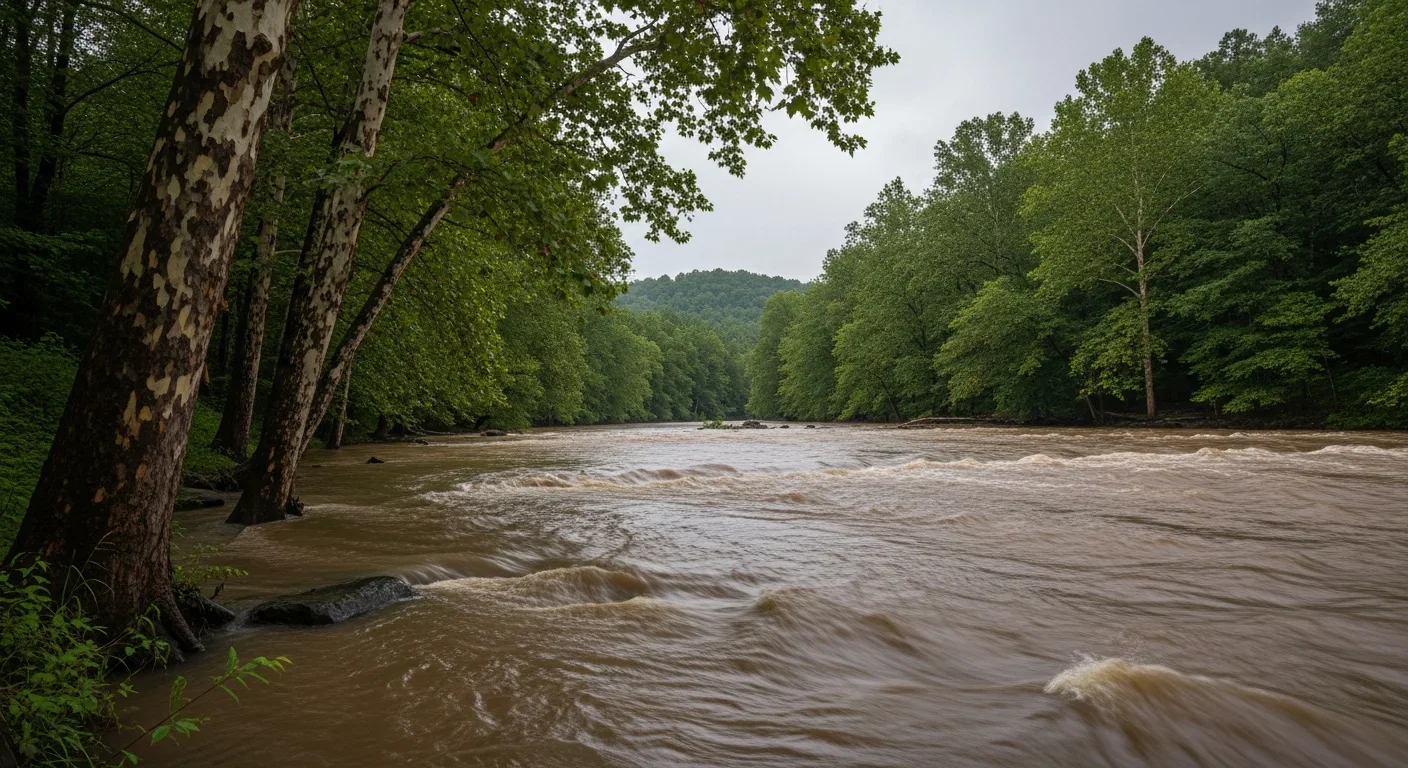
The South Fork Catawba River runs through Lincolnton's Blueway corridor — during heavy
rainfall and tropical storm events, it rises rapidly and can affect properties
throughout the surrounding watershed.
Our Process
How Palm Build Restores Lincolnton Water Damage
Every water damage restoration in Lincolnton follows our documented 6-step protocol —
from the moment you call to the final inspection. No shortcuts, no guesswork.
01
Emergency Dispatch
Within minutes
Call (704) 464-0121 any time — day or night. Our Charlotte dispatcher confirms your Lincolnton address, assesses damage scope by phone, and dispatches the nearest available crew with truck-mounted equipment. We document your first call time for insurance records.
02
Damage Assessment
On arrival
Our technician performs a complete moisture survey using calibrated meters and thermal imaging. We identify all affected materials — drywall, insulation, subflooring, wood joists — and map the full extent of water migration. Lincolnton crawl spaces get a dedicated inspection for ground vapor and structural moisture.
03
Water Extraction
Hours 1–4
Truck-mounted extraction removes standing water from all affected areas at commercial volume. For Lincolnton crawl spaces with clay soil drainage issues, we use submersible pumps for accumulated groundwater and portable extractors for tight spaces under older homes with low clearance.
04
Structural Drying
Days 3–7
Commercial air movers and dehumidifiers bring all structural materials to dry standard. Lincolnton's humid climate and clay soil moisture require extended monitoring — we measure affected materials daily and adjust equipment placement until every reading meets the IICRC S500 dry standard.
05
Mold Prevention
During drying
EPA-registered antimicrobial treatment is applied to all surfaces that exceeded safe moisture thresholds. Given Lincolnton's 70–90% summer humidity and 24-48 hour mold onset window, this step is non-negotiable. We document treatment dates, products, and coverage areas for your insurance carrier.
06
Restoration
Weeks 1–4
Full build-back: drywall replacement, hardwood floor repair or replacement, insulation reinstallation, trim and paint. We coordinate directly with your insurance adjuster throughout. For Lincolnton's older homes, we source period-appropriate materials and document replacement values for accurate claims.
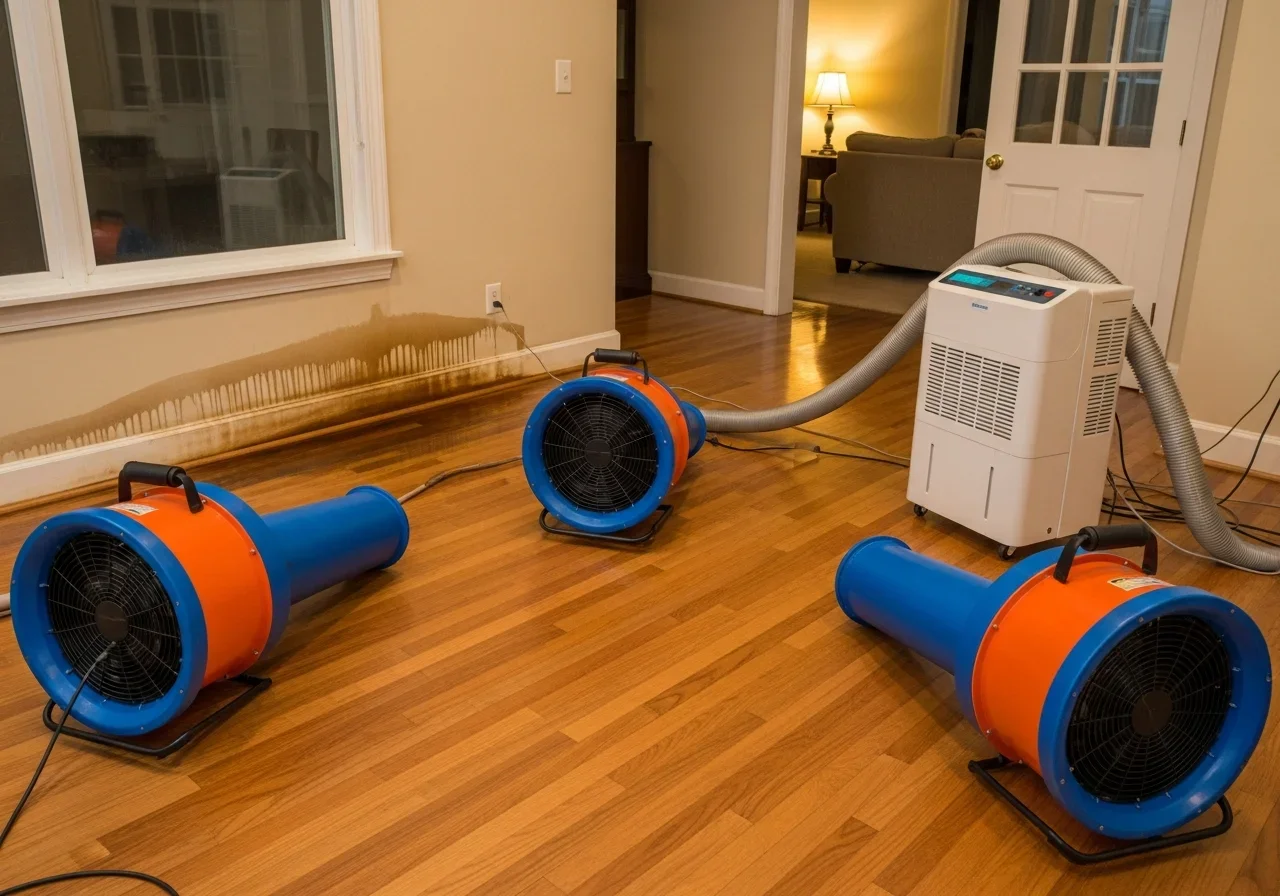
Commercial drying equipment running in a Lincolnton home during structural drying — we
monitor moisture levels daily until every affected material meets dry standard.
Transparent Pricing
Water Damage Restoration Costs in Lincolnton
Costs vary by scope, materials, and drying time. Here are realistic ranges based on what
our teams encounter in Lincolnton and Lincoln County — not national averages that rarely
reflect local labor and material realities.
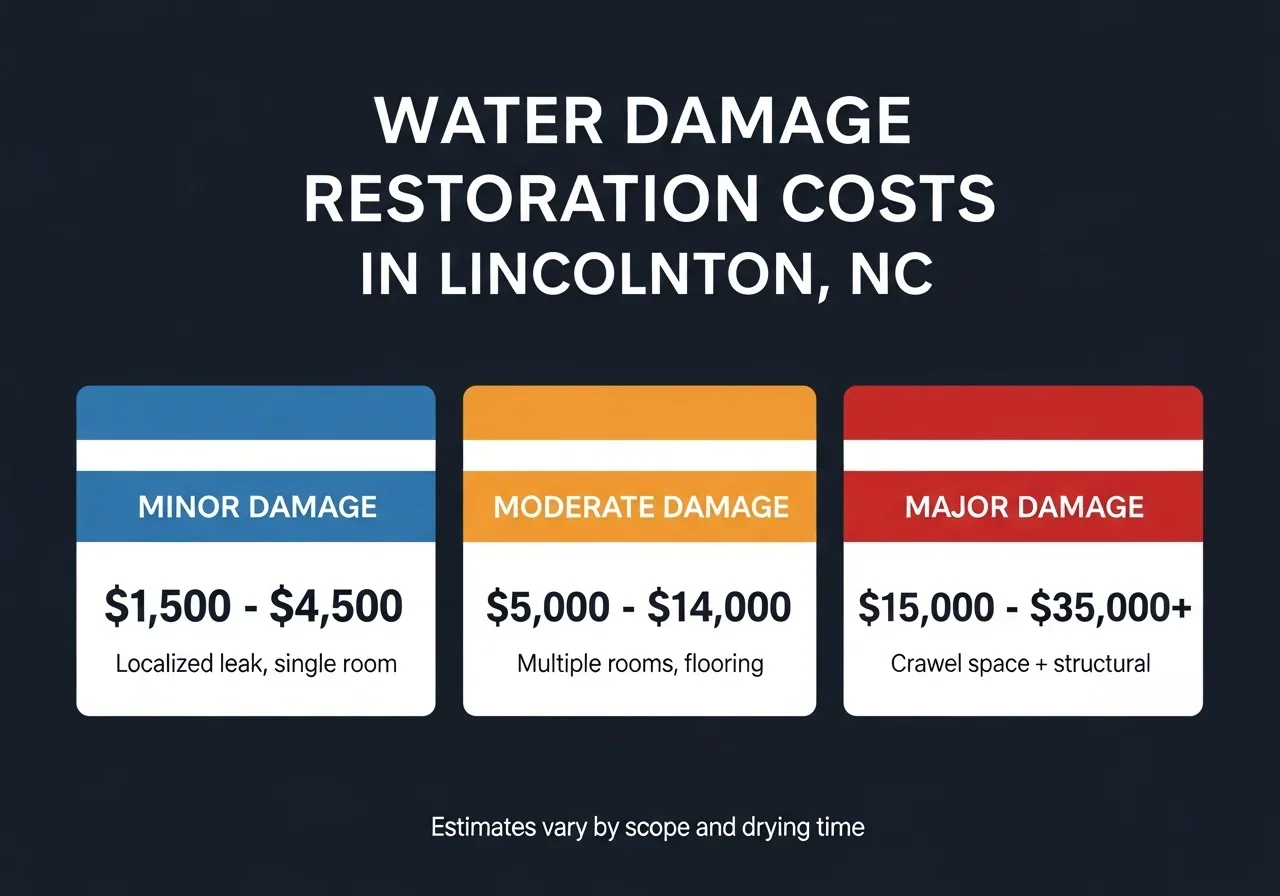
Minor Damage
$1,500 – $4,500
Single room or localized event — burst supply line, appliance overflow, minor roof leak
One bathroom or kitchen
Small area of flooring
Contained to single room
Most Common
Moderate Damage
$5,000 – $14,000
Multiple rooms or partial crawl space event — storm water intrusion, extended pipe leak
Multiple rooms affected
Flooring + drywall replacement
Partial crawl space flooding
Major / Crawl Space
$15,000 – $35,000+
Full crawl space flooding, structural damage, or whole-home water event
Full crawl space remediation
Structural wood replacement
Extensive flooring + drywall
Lincolnton-Specific Cost Factors
Clay soil drainage means drying takes longer — increasing equipment costs vs. drier climates
Older homes with low crawl space clearance require specialized equipment and add labor time
Mid-century hardwood floors (common in Lincoln Forest, Eastwood) have higher replacement value than modern LVP
Summer humidity (70–90%) slows structural drying and may require extended equipment rental
Crawl space encapsulation at time of restoration prevents repeat events — often worth adding to scope
Insurance Guidance
Water Damage Insurance Claims in Lincolnton, NC
North Carolina uses standard homeowner insurance — no state-specific claim deadlines
like Florida. But what is and isn't covered depends on the cause of loss. Palm Build
documents every Lincolnton water loss to carrier standards from the first hour on-site.
What NC Policies Typically Cover
Burst pipes and supply line failures
Appliance overflows (washing machine, dishwasher, water heater)
Storm-driven roof leaks and wind-driven rain intrusion
HVAC condensation pan overflows and drain failures
Mold resulting from a covered sudden water event
Flood damage from rising water (requires separate NFIP flood policy)
Gradual leaks, seepage, or long-term moisture damage
Crawl space humidity mold not tied to a covered event
Major market share in NC. Standard claim process; document thoroughly.
NC Farm Bureau
Strong presence in rural/suburban NC including Lincoln County.
USAA
Military-affiliated policyholders in the Charlotte Metro area.
Allstate
Common in Charlotte Metro area with various policy tiers.
Travelers
Commercial and residential presence throughout NC.
Nationwide
Competitive presence across NC homeowner market.
How Palm Build Maximizes Your Lincolnton Claim
We document moisture readings, affected materials, and drying timelines in formats
that NC insurance adjusters accept. We photograph all damage before extraction, during
drying, and after completion. When pre-existing crawl space mold is found during a
water loss, we scope and document the connection to the original loss event — because
carriers cover mold that results from a covered water loss, but not pre-existing
conditions that weren't tied to it.
Call (704) 464-0121 — we coordinate with your adjuster at every step.
Our Work
Before & After Restoration in Lincolnton
From flooded crawl spaces to storm-damaged interiors, Palm Build restores Lincolnton
homes to pre-loss condition — and often better.
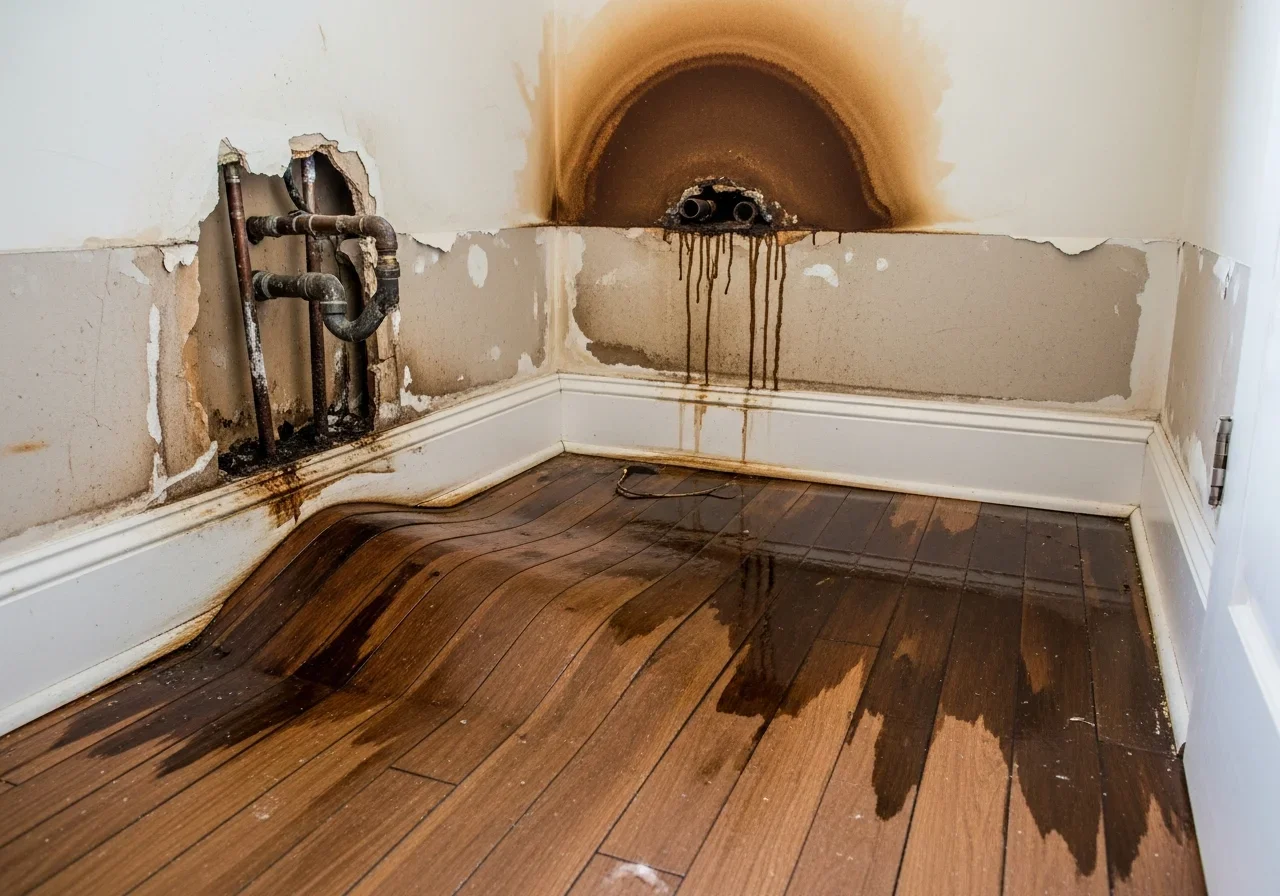
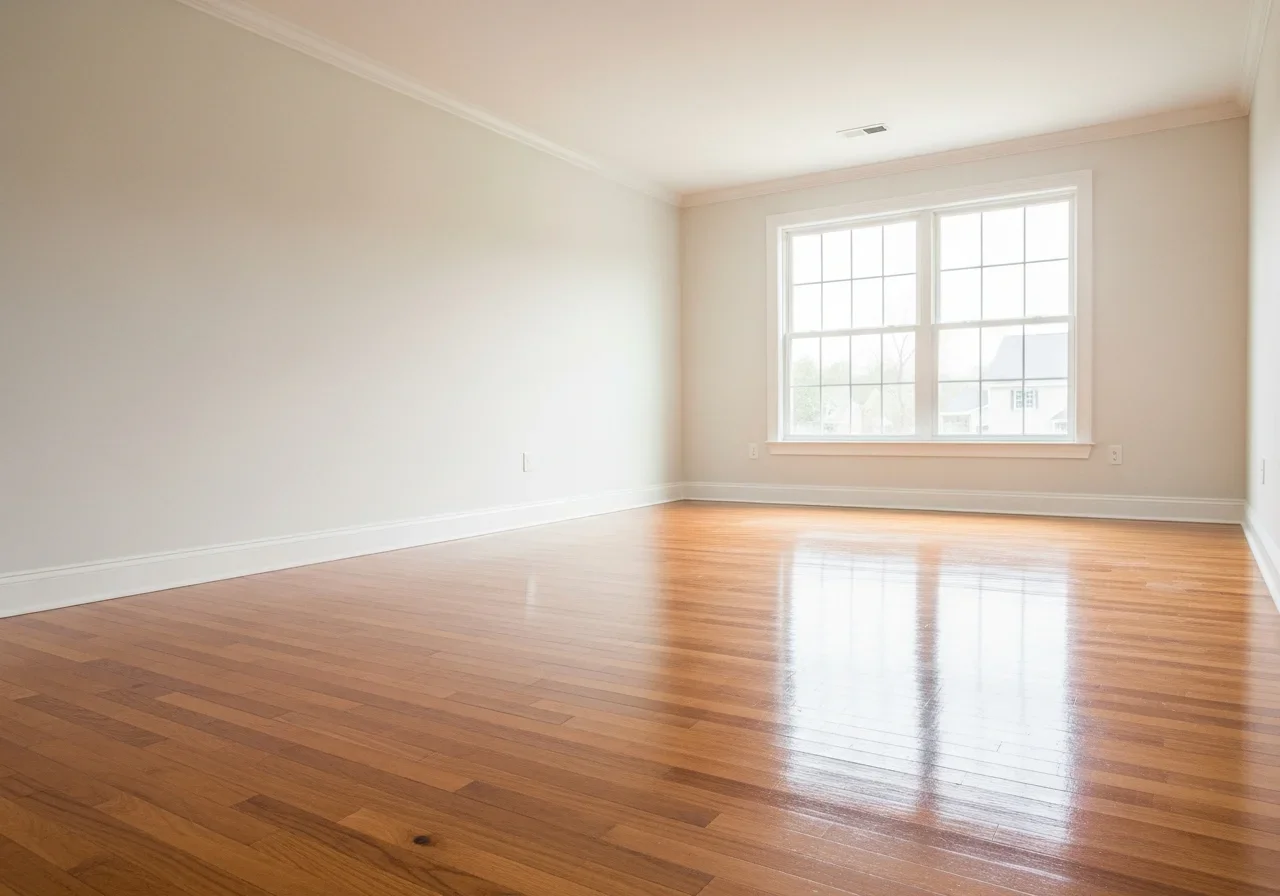
Before: Water damage from pipe burst
After: Fully restored by Palm Build
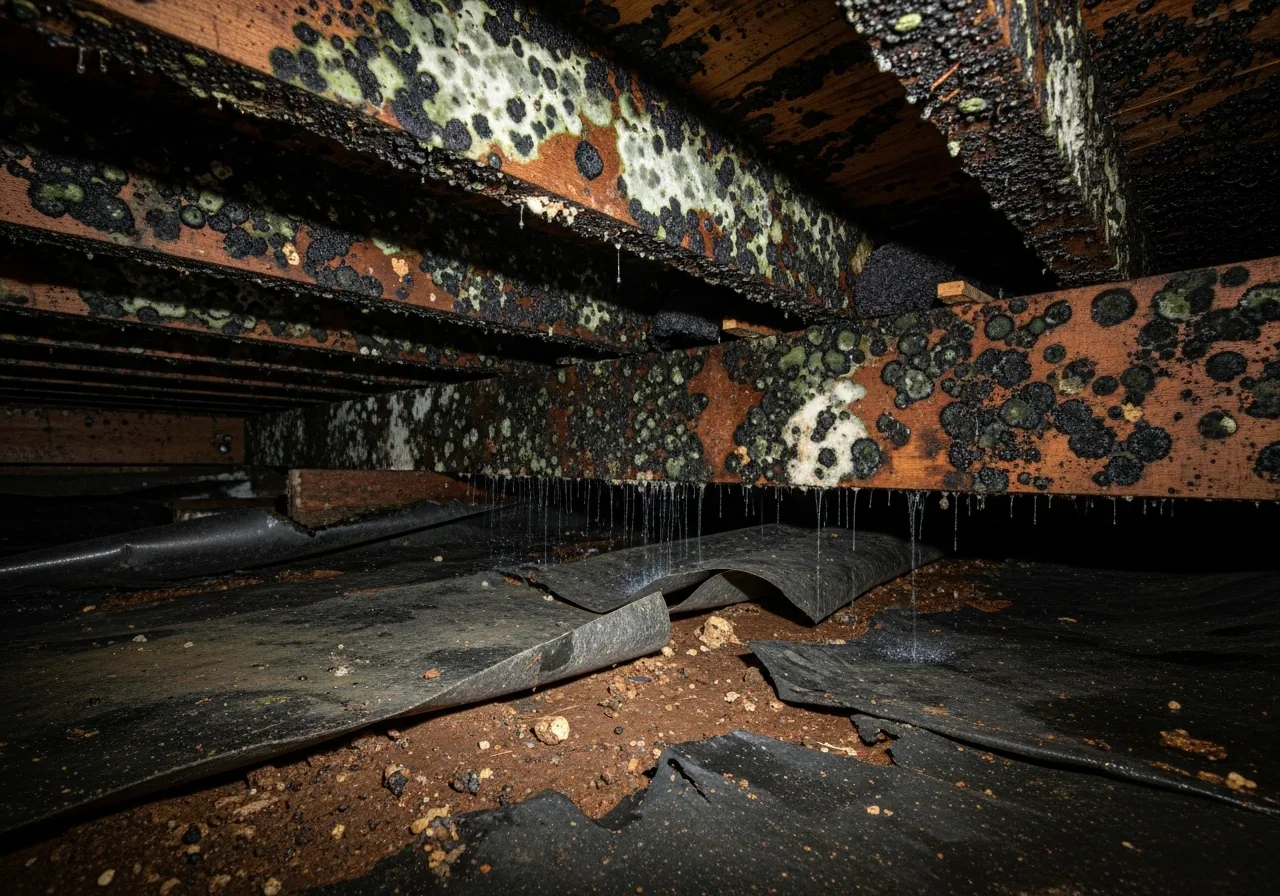
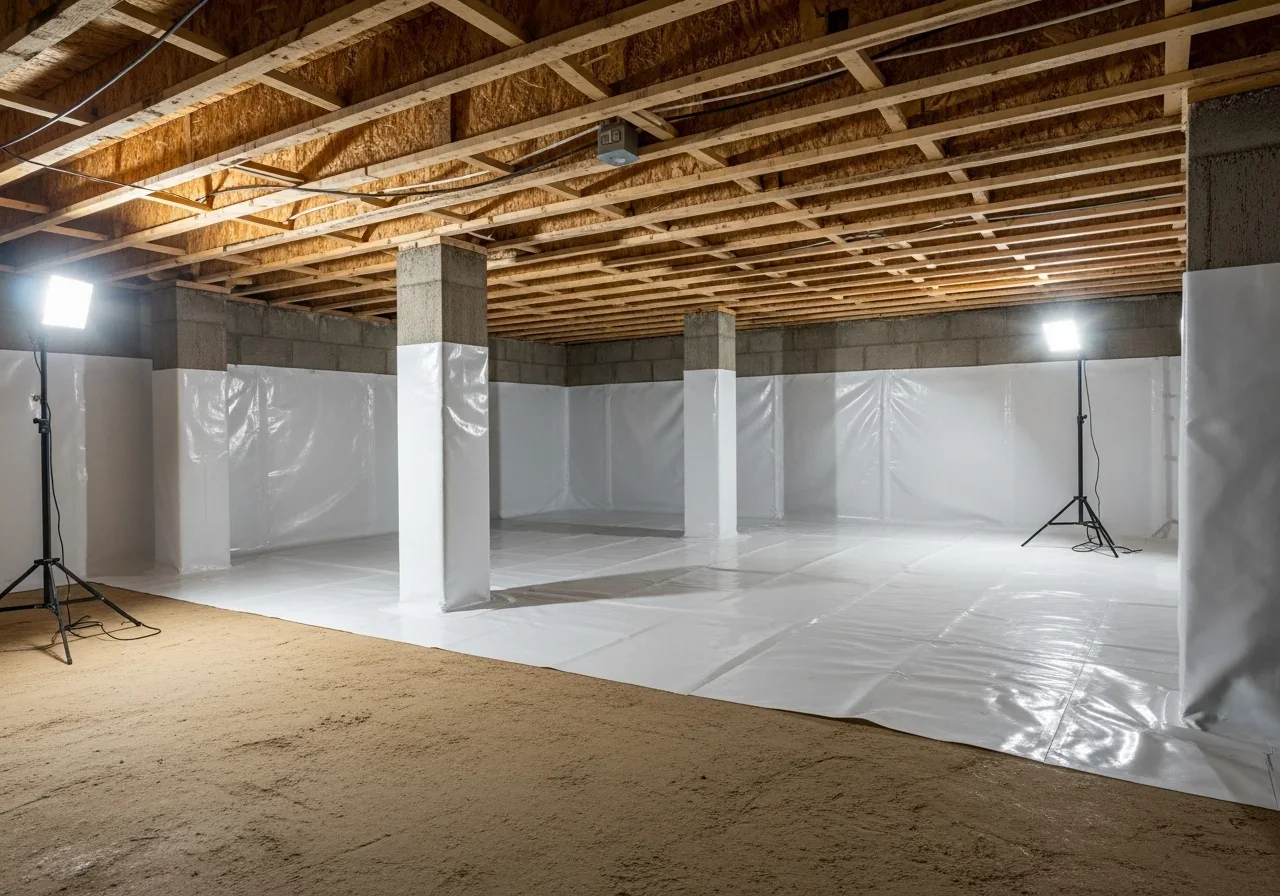
Before: Crawl space mold on joists
After: Clean crawl space with encapsulation
Common Damage Types
Water Damage Patterns in Lincolnton Homes
Knowing the most common damage types in Lincolnton helps you recognize warning signs
early and act before a manageable problem becomes a major claim.
Very Common
Crawl Space Flooding
Lincoln County's clay soil and widespread vented crawl space construction make this Lincolnton's most common water damage type. Ground moisture pools under older homes after rain, saturates wood joists and insulation, and creates ideal mold conditions within 48 hours. Affected properties span Lincoln Forest, Beatties Ford Park, and Eastwood.
Common
Aging Plumbing Failures
Homes built from the 1950s through the 1980s — a large share of Lincolnton's housing stock — commonly have galvanized steel or early copper supply lines near the end of their service life. These fail gradually or catastrophically, often at night when water sits for hours before discovery. Affected areas include the kitchen, bathrooms, and connections to water heaters.
Seasonal Peak
Storm Water Intrusion
Lincolnton averages 49.5 inches of rainfall annually, with severe thunderstorms from spring through fall. Wind-driven rain enters through roof penetrations, compromised flashing, and aging window seals. Tropical storm remnants — like the September 2024 Helene event — can saturate roofing, siding, and foundation drainage simultaneously.
Winter Risk
Freeze-Thaw Pipe Bursts
Lincolnton's Piedmont foothills location means periodic hard freezes in January and February. Pipes in unconditioned crawl spaces and exterior walls are most vulnerable. A single overnight freeze burst can discharge hundreds of gallons before morning discovery. Older homes with poor insulation around plumbing are at highest risk.
Summer Risk
HVAC Condensation Failures
Summer humidity of 70–90% makes HVAC systems work overtime. When condensate drain lines clog or drain pans crack, the overflow damages ceiling drywall, subflooring, and insulation — often in second-floor mechanical rooms or attic air handlers. Tight modern construction in Abby Park and Wellington Park is particularly vulnerable because moisture has fewer escape routes.
Year-Round
Appliance Overflows
Washing machine hoses, dishwasher inlet lines, and refrigerator water supply connections all have finite service lives. In older Lincolnton homes where appliances may not have been updated with the home itself, these failures combine aging connections with clay soil drainage issues that keep sub-slab moisture elevated after any water release.
Why Palm Build
Why Lincolnton Homeowners Choose Palm Build
When water damage hits, you need a team that knows Lincoln County — not a franchise
dispatching whoever is available. Here's what sets us apart.
Charlotte Local — 35 Miles from Lincolnton
Our Charlotte operations hub at 378 Crompton Street puts us 35 miles from Lincolnton — a 45-60 minute dispatch. We know Piedmont clay, mid-century crawl space construction, and the South Fork watershed. This is not a national call center routing a subcontractor.
24/7/365 Emergency Response
Water damage doesn't wait for business hours. A 2 a.m. pipe burst in your Lincoln Forest home gets the same response as a noon call. We dispatch immediately with truck-mounted extraction — no call-back windows, no "business hours only" scheduling.
IICRC S500 Certified Technicians
Every Palm Build technician holds current IICRC Water Damage Restoration Technician (WRT) certification. We follow the IICRC S500 Standard for Professional Water Damage Restoration — the same standard your insurance adjuster uses to evaluate our work.
Insurance Documentation from Hour One
We photograph every affected area before extraction, during drying, and after completion. Moisture readings are logged daily. Reports go to your adjuster in the format they need — reducing delays, disputes, and underpayments. We coordinate directly with carriers active in Lincoln County.
Licensed and Insured in North Carolina
Palm Build holds all required NC contractor licenses and carries full liability insurance. Every Lincolnton project is properly permitted where required and documented for your property records.
Free On-Site Assessment
Not sure if you have a problem? Call us. We provide free on-site water damage assessments in Lincolnton and Lincoln County. We'll give you an honest scope — not a sales pitch — and connect you with your carrier before any work begins.
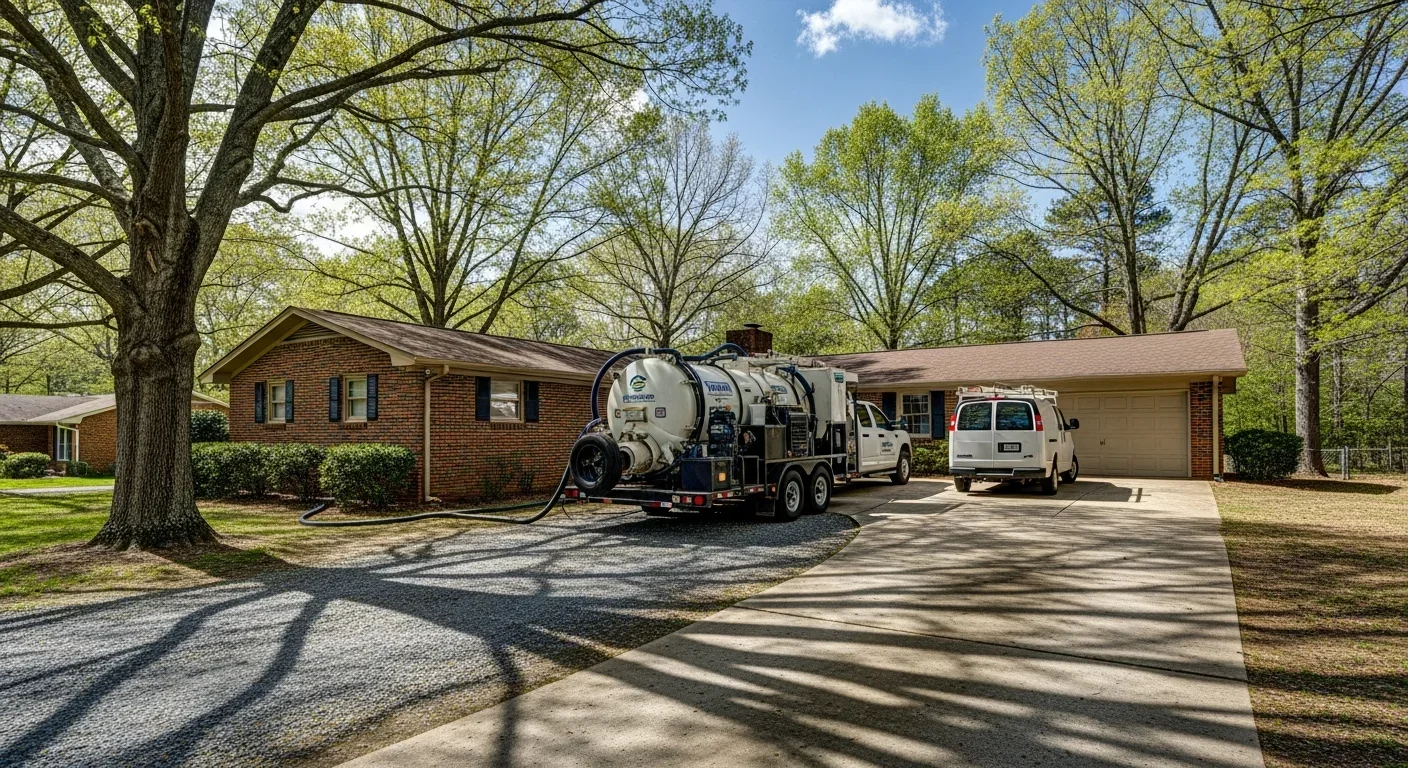
Palm Build's Charlotte-based team is 35 miles from Lincolnton — arriving with
truck-mounted extraction equipment and full drying systems ready to deploy.
Common Questions
Lincolnton Water Damage FAQ
How fast can Palm Build respond to a water emergency in Lincolnton?
Our Charlotte-based team can reach any Lincolnton address in approximately 45-60 minutes. We dispatch 24 hours a day, 7 days a week, 365 days a year with truck-mounted extraction equipment and full drying systems. Call (704) 464-0121 any time — day or night.
Why are Lincolnton crawl spaces especially vulnerable to water damage?
Lincolnton sits in Lincoln County on heavy Piedmont clay soil — including the Cecil and Pacolet series — that drains at less than 0.2 inches per hour. When combined with proximity to the South Fork Catawba River, Indian Creek watershed, and summer humidity routinely reaching 70-90%, vented crawl spaces beneath older homes become moisture traps. Water vapor migrates up through the soil, saturates wood floor joists and insulation, and creates ideal conditions for mold growth within 24-48 hours.
Does homeowners insurance cover water damage in Lincolnton NC?
Most standard NC homeowner policies cover sudden and accidental water damage like burst pipes, appliance failures, and roof leaks from storm events. Gradual leaks, long-term seepage, and flood damage from rising water typically require separate flood insurance. North Carolina operates under standard civil limitation frameworks — document your loss immediately and notify your carrier promptly. Palm Build provides insurance-ready documentation from day one.
Did Tropical Storm Helene cause water damage in Lincolnton?
Yes. Remnants of Tropical Cyclone Helene impacted Lincoln County on September 27, 2024, causing approximately $1.0 million in property damage. Flooding along the South Fork Catawba corridor and saturation of clay-heavy soil led to numerous crawl space flooding events and water intrusion claims across the county. A subsequent EF0 tornado in Lincoln County on May 3, 2025 caused additional wind-driven roof damage and secondary water intrusion.
How long does water damage restoration take in a Lincolnton home?
Structural drying typically takes 3-5 days for contained damage. Crawl space flooding and saturated clay soil can extend drying to 5-7 days because moisture continuously wicks from the ground. Full restoration including drywall, flooring, and trim replacement typically takes 1-4 weeks depending on scope. We monitor moisture levels with calibrated meters daily until every affected material reaches dry standard.
Is mold a concern after water damage in Lincolnton homes?
Yes — especially in Lincolnton's climate. Summer humidity regularly reaches 70-90% and Lincolnton averages 49.5 inches of annual rainfall. Mold can begin colonizing within 24-48 hours of water intrusion on porous materials like drywall, insulation, and wood. We apply EPA-registered antimicrobial treatments during drying and document moisture readings throughout. If pre-existing crawl space mold is found, we scope a separate remediation project.
Which Lincolnton neighborhoods are most at risk for water damage?
Properties in River Village and areas near the South Fork Catawba River corridor face the highest flood risk during heavy rainfall and tropical storm events. Homes in Lincoln Forest, Eastwood, and Beatties Ford Park with older vented crawl space construction and mature tree canopies face elevated storm damage and crawl space moisture risk. Newer subdivisions with slab foundations in Abby Park and Wellington Park have different but still real risks — tighter envelopes can trap moisture from roof leaks.
What areas of Lincoln County does Palm Build serve?
We serve all of Lincolnton and Lincoln County including Lincoln Forest, River Village, Eastwood, Abby Park, Beason Acres, Amy Acres, Wellington Park, Deer Creek, Highland View, Beatties Ford Park, Grazing Meadows, and the ZIP codes 28092, 28093, 28037, 28080, 28033, and 28168. We also serve neighboring communities in Gaston County and Catawba County.
Water Damage in Your Lincolnton Home? Every Minute Counts.
Lincolnton's clay soil and summer humidity accelerate damage the longer water sits. Call Palm Build now for 24/7 emergency extraction, structural drying, and full restoration with insurance-ready documentation.