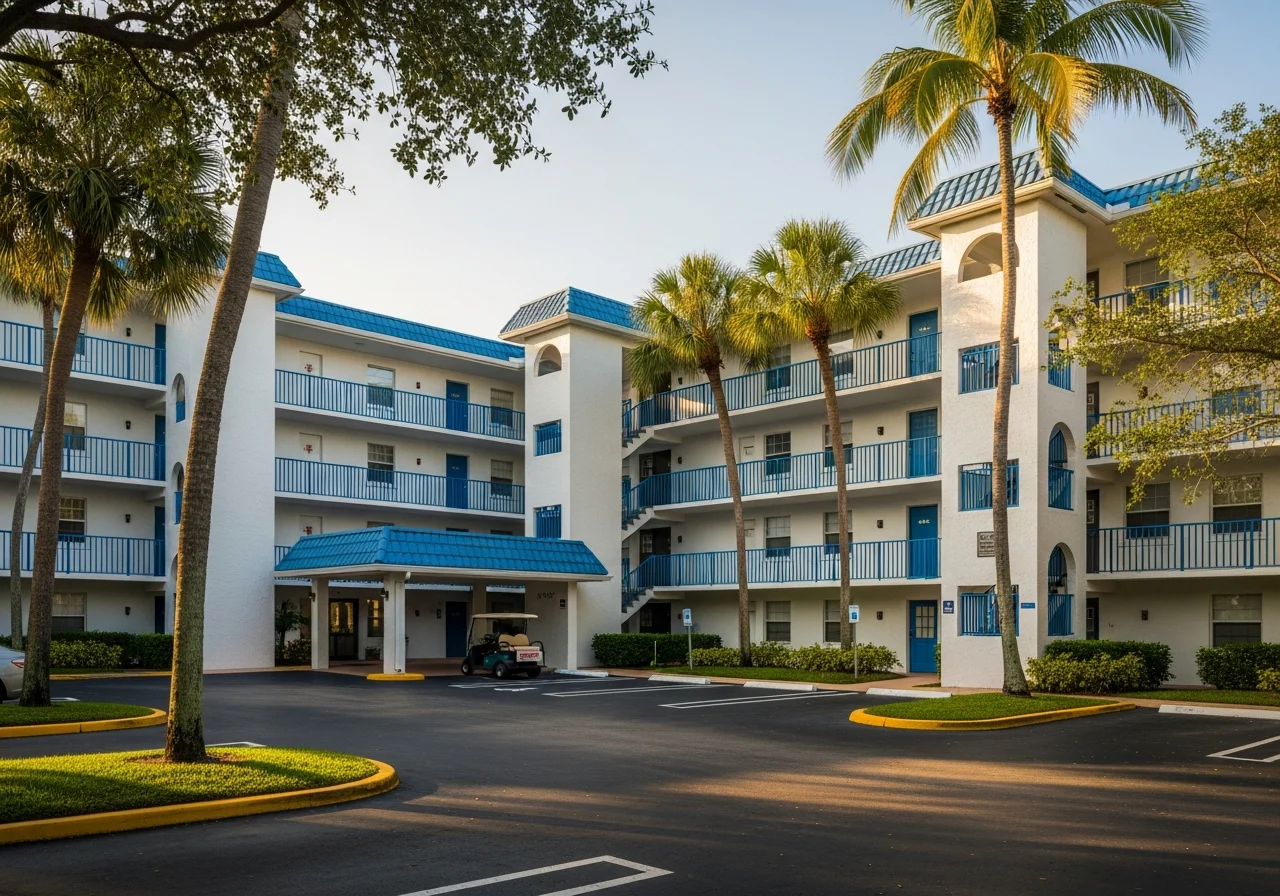
PEMBROKE PINES FL — 24/7 FIRE & SMOKE DAMAGE RESPONSE
Fire & Smoke Cleanup in Pembroke Pines, Florida
South Florida averages more cloud-to-ground lightning strikes per square mile than anywhere else in the United States. In July 2024, a lightning bolt struck a medical building in Pembroke Pines, and the city's 179,000+ residents live under that same electrical exposure every wet season. Layer on aging AC electrical systems in 1990s-era planned communities, holiday cooking fires in high-density condo developments like Century Village, and CBS stucco construction that traps smoke inside concrete block cavities for months — and Pembroke Pines faces fire and smoke damage risks that most restoration companies don't understand. Palm Build's Deerfield Beach team responds in 30-45 minutes with emergency board-up, soot removal, HVAC smoke decontamination, and the insurance documentation Florida carriers demand.
Deerfield Beach — 30-45 Minutes from Pembroke Pines 30-45 min Response IICRC Certified
Why Pembroke Pines Homes Face Unique Fire & Smoke Risks
Pembroke Pines sits squarely in Lightning Alley — the most lightning-dense corridor
in North America — with 80-90 thunderstorm days per year from June through October.
Combine that with CBS stucco construction that traps smoke in wall cavities, 4,000+
condo units at Century Village where smoke migrates through shared HVAC, and
electrical panels running year-round AC loads they were never sized for, and you
have a fire risk profile unique to southwest Broward County.
Lightning Capital of the United States
Critical
Pembroke Pines sits in the heart of Florida's "Lightning Alley" — the corridor between Tampa and Fort Lauderdale that records more cloud-to-ground lightning strikes per square mile than anywhere in the country. The city averages 80-90 thunderstorm days per year, concentrated from June through October. Lightning strikes ignite roof trusses, blow out electrical panels, and send power surges through homes that lack whole-home surge protection — especially in SilverLakes, Chapel Trail, and older sections of East Pines where 1980s-90s construction predates modern surge protection standards.
Condo Smoke Migration in Century Village & Grand Palms
Critical
Pembroke Pines' large condo and townhome communities — Century Village (4,000+ units), Grand Palms, and Towngate — create multi-unit fire spread scenarios. Shared HVAC plenums distribute smoke across 6-12 units from a single kitchen fire within minutes. Elevator shafts act as vertical smoke highways in mid-rise buildings. Century Village's 55+ population means slower evacuation and delayed fire detection in units where residents may have reduced mobility or sensory awareness. A kitchen fire in one unit often requires professional smoke remediation in every adjacent unit sharing the same HVAC trunk line.
Electrical Fires From Aging AC Systems
High
HVAC systems in Pembroke Pines run 10-11 months per year, drawing continuous high-amperage loads on circuits that were sized for intermittent use. Homes built in the 1980s-90s across SilverLakes, Chapel Trail, and Pembroke Lakes have 150-200 amp panels now serving central AC, pool pumps, electric vehicle chargers, and home offices — loads the original panels were never designed to carry. Compressor contactors wear out, capacitors fail, and overloaded circuits arc at connection points behind walls. HVAC-related electrical fires are the most common fire type in Pembroke Pines residential properties.
CBS Construction Traps Smoke in Wall Cavities
High
Like most of southwest Broward County, Pembroke Pines is built almost entirely from CBS (concrete block and stucco). While CBS walls rarely fail structurally from fire, the hollow block cores trap smoke that infiltrates through electrical outlets, plumbing penetrations, and mortar joints. Once inside, smoke compounds bond to the interior surfaces of block cavities — invisible from outside but continuously releasing odor in Pembroke Pines' 70-75% humidity. Porous stucco finishes absorb soot aggressively, and using the wrong cleaning chemistry sets stains permanently into the surface.
Palm Build's IICRC-certified team responds to fire and smoke damage across all
Pembroke Pines neighborhoods within 30 minutes
Pembroke Pines Fire Risk at a Glance
80-90 thunderstorm days/year — highest lightning density in the US
4,000+ condo units at Century Village with shared walls and HVAC plenums
HVAC-related electrical fires are the #1 residential fire cause
CBS hollow block walls trap smoke invisibly in cavities for months
Every Pembroke Pines neighborhood has a distinct fire risk profile shaped by
construction era, building density, electrical infrastructure age, and proximity to open
water that attracts lightning. Understanding which risks apply to your property helps us
respond with the right equipment and techniques from the first minute.
Century Village
Critical
1970s-80s · Active Adult Condo (4,000+ units)
Multi-unit smoke spread through shared HVAC plenums
One of the largest 55+ condo communities in western Broward County. Shared HVAC distributes smoke to 6-12 units from a single kitchen fire. Seasonal occupancy means circuits go dormant for months then draw full load when snowbird residents return. Older electrical risers serve units now demanding modern loads. Reduced mobility among residents delays evacuation and fire detection.
SilverLakes' open lake-adjacent lots have some of the highest lightning strike exposure in Pembroke Pines. Homes built in the early 1990s have 150-amp panels now serving central AC, pool pumps, and modern appliance loads. Lack of whole-home surge protection leaves electrical systems vulnerable to lightning-induced surges that arc at connection points inside CBS walls.
Grand Palms
High
1990s-2000s · Gated Golf Community
Kitchen fires in large entertaining spaces, shared-wall townhomes
Mix of single-family homes and attached townhomes/villas. Larger kitchens with gas ranges in some units increase cooking fire risk. Townhome shared-wall construction allows fire and smoke to migrate between units. Tile roof construction means lightning can ignite attic spaces through roof penetrations.
Chapel Trail
High
1990s-2000s · Planned Community
Electrical overload from AC, lightning vulnerability
Large CBS homes with pools drawing significant electrical loads on panels sized for 1990s demands. Lake-adjacent lots face elevated lightning strike risk during June-October thunderstorm season. HVAC systems running at peak capacity during summer months stress circuits designed for lower continuous loads.
Pembroke Falls
Moderate
2000s · Gated Newer Construction
Modern load demands, kitchen fire risk
Newer construction with better electrical infrastructure but larger homes with smart home systems, multiple AC zones, and electric vehicle charging create higher total loads. Primary fire risk is kitchen fires from larger entertaining kitchens. Updated electrical codes make this area lower risk than older neighborhoods.
Towngate
Moderate
1990s · Mediterranean Homes with HOA
Electrical panel aging, HVAC overload
CBS Mediterranean-style homes with 25-30 year old electrical panels. Year-round AC operation on aging circuits creates continuous stress. Smaller lot sizes mean fire in one home can radiate heat to adjacent structures. HOA coordination required for exterior restoration to maintain architectural standards.
Pembroke Lakes
High
1980s-90s · Mixed Residential
Oldest electrical in the city, HVAC electrical fires
Some of the oldest residential construction in Pembroke Pines with original 1980s electrical panels. Pre-Hurricane Andrew building standards mean less robust construction. Cast-iron drain line corrosion can compromise fire-stopping between floors in two-story homes. Aging water heaters in garages are another ignition source.
East Pines (older sections)
High
Pre-Andrew (pre-1992) · Older Single-Family
Aging electrical, original wiring from pre-Andrew construction
Pre-Hurricane Andrew homes that may have been rebuilt to 1990s code after the 1992 storm but still have aging electrical systems. Federal Pacific and Zinsco panels remain in unrenovated homes. Decades of added circuits for pool equipment, screen enclosure lighting, and garage workshops create overloaded panels that arc invisibly behind CBS walls.
Lightning Alley Risk
South Florida Lightning: Pembroke Pines' Greatest Fire Threat
Central Florida records more cloud-to-ground lightning strikes per square mile than
anywhere else in the United States. Pembroke Pines sits in the southern edge of this
corridor, averaging 80-90 thunderstorm days per year — with June through October
producing daily afternoon cells that drop thousands of strikes across Broward County.
Smell Burning After a Storm?
Lightning surge fires can smolder inside CBS wall cavities for hours before becoming
visible. If you smell burning or see discoloration around outlets after a
thunderstorm, evacuate immediately, call 911, then call Palm Build for emergency
response.
In July 2024, lightning struck a medical office building near Pines Boulevard, igniting insulation in the roof assembly and sending smoke through the HVAC system to every suite in the building. The fire itself was contained to the attic space, but smoke contamination rendered the entire building uninhabitable for weeks. Every suite required full HVAC duct cleaning, surface soot removal, and odor treatment — a scenario that plays out multiple times each lightning season in Pembroke Pines commercial and residential properties.
Recent Event
May 2025: North Perry Airport Tornado & Storm Damage
The May 2025 severe thunderstorm cell that spawned a tornado near North Perry Airport brought concentrated lightning and wind damage to southern Pembroke Pines. Multiple residential properties sustained lightning strikes that blew out electrical panels, fried HVAC compressors, and ignited attic insulation. Power surges traveled through entire neighborhoods, causing arc faults in homes with aging wiring — demonstrating how a single storm cell can generate fire damage across dozens of properties simultaneously.
How Lightning Causes Fire in CBS Homes
Lightning strikes to Pembroke Pines homes follow three fire pathways: direct roof strikes ignite attic insulation and wood trusses (the most flammable structural component in CBS construction); power line surges overload panels and arc at weakened connections behind walls; and ground strikes travel through plumbing and electrical grounding, damaging appliances and igniting nearby combustibles. Whole-home surge protectors — uncommon in pre-2010 Pembroke Pines construction — are the only defense against surge-pathway fires.
Post-Lightning Surge Fires: The Delayed Ignition
Not all lightning fires start immediately. A surge can weaken a circuit connection that arcs intermittently for hours or days before generating enough heat to ignite surrounding insulation or framing inside a CBS wall cavity. Homeowners smell something burning but see nothing — because the smoldering is inside the hollow block wall. By the time smoke becomes visible, fire has spread through the wall system. If you smell burning after a thunderstorm in Pembroke Pines, do not wait — call the fire department and then call Palm Build.
Pembroke Pines lightning statistic: Broward County Fire Rescue responds to more lightning-related fire calls in Pembroke Pines
and Miramar than any other western Broward municipalities — driven by the combination of
open water retention lakes that attract strikes and residential density that puts more properties
in the strike zone.
Our Fire Restoration Process
How We Restore Pembroke Pines Homes After Fire Damage
Fire restoration is more complex than water or mold because it involves multiple damage
types simultaneously — structural fire damage, soot contamination, smoke odor, and water
from fire suppression. Our six-step process addresses all four in a coordinated sequence
tailored to Pembroke Pines' CBS construction and Broward County code requirements.
01
Emergency Board-Up & Securing
Hours 1-4
We secure your Pembroke Pines home against weather, theft, and further damage. This includes boarding windows, tarping any roof damage, and securing doors. In Pembroke Pines, where afternoon thunderstorms develop daily from May through October, an unsecured fire-damaged home can sustain thousands in additional water damage within hours. For Century Village and Grand Palms condo units, we coordinate with HOA management and building security for access to common areas affected by smoke. We respond to any Pembroke Pines address within 30 minutes.
02
Damage Assessment & Soot Classification
Day 1-2
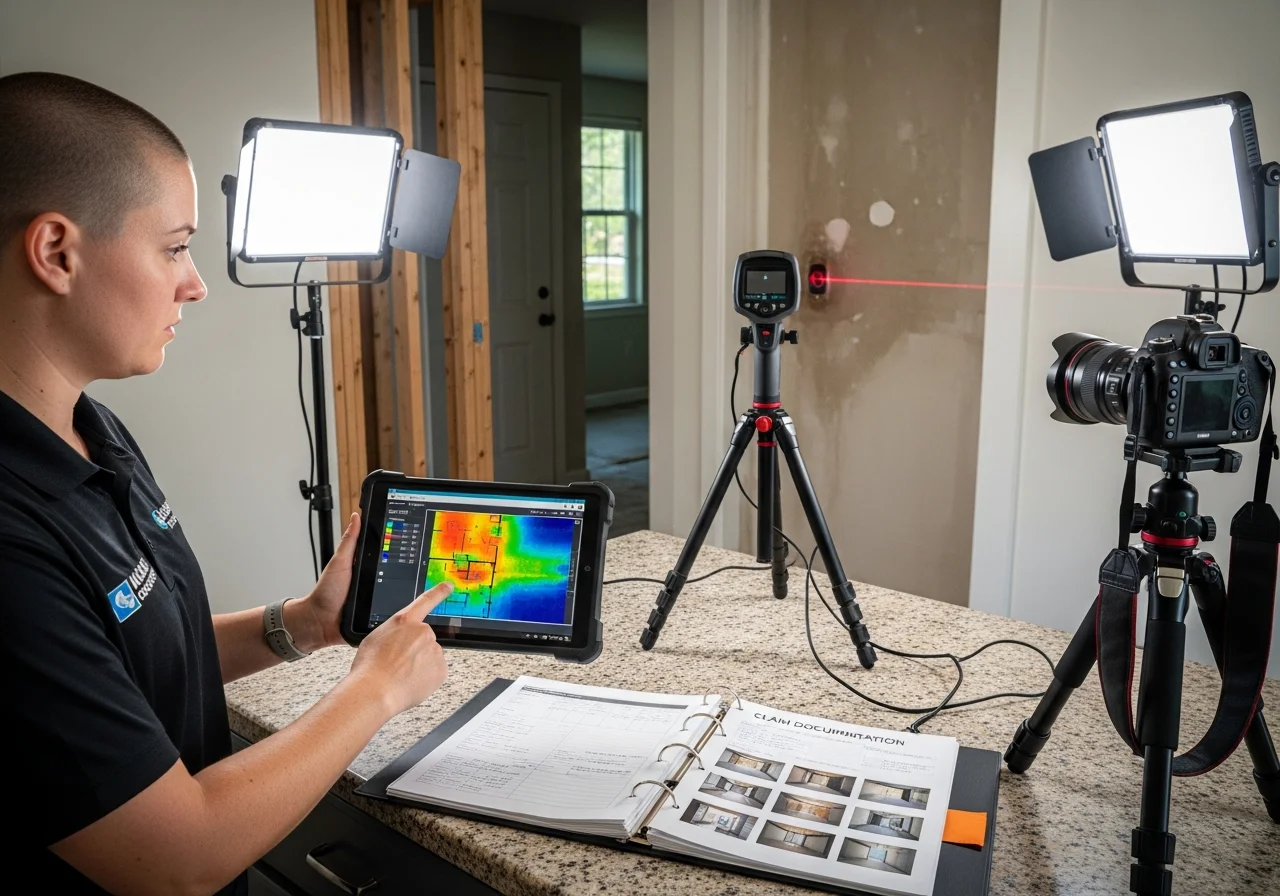
Our IICRC-certified team performs a comprehensive walk-through documenting every affected area with photos, video, and moisture readings. We classify the fire and soot type — protein from kitchen fires (the most common in Pembroke Pines), natural from wood and attic materials, synthetic from plastics and electronics. We assess structural integrity of CBS block walls and roof truss systems, and create a detailed scope of work. For condos, we test adjacent units for smoke migration through shared HVAC. This documentation is formatted exactly how Broward County adjusters and Florida insurance carriers expect to receive it.
03
Structural Cleaning & Soot Removal
Days 2-8
Professional soot removal uses chemistry matched to the specific soot type identified in our assessment. HEPA vacuuming removes loose particulate, chemical sponges lift embedded residue, and wet cleaning with specialized detergents addresses remaining contamination on stucco walls, tile, cabinetry, and structural members. Pembroke Pines' CBS construction requires specialized techniques to clean porous stucco without damaging the finish. Lightning-fire soot — a mix of electrical, insulation, and structural char — requires a different chemical approach than kitchen protein soot.
04
Smoke Odor Elimination
Days 5-14
Smoke odor elimination in Pembroke Pines requires multiple techniques due to the 70-75% year-round humidity. Thermal fogging penetrates CBS wall cavities where smoke becomes trapped in hollow block cores. Ozone treatment handles sealed and evacuated spaces. Hydroxyl generation treats occupied areas where homeowners or workers need to be present. Complete HVAC duct cleaning is mandatory — Pembroke Pines systems run virtually year-round, continuously circulating residual smoke particles through every room. Expect 2-3 additional treatment cycles compared to dry-climate restoration.
05
Content Cleaning & Pack-Out
Days 3-14
Salvageable contents are inventoried, photographed, packed, and transported to our climate-controlled facility for professional cleaning. Furniture, electronics, clothing, documents, and personal items each require specific cleaning protocols. Pembroke Pines' humidity makes prompt content removal critical — items left in a smoke-damaged, humid environment deteriorate rapidly. Smoke-damaged electronics and appliances require specialized assessment, especially after lightning-caused fires where surge damage compounds the smoke exposure.
06
Code-Compliant Reconstruction
Weeks 2-8+
Once cleaning and odor treatment are verified complete, we handle full reconstruction: drywall, stucco repair, tile, cabinetry, painting, electrical, plumbing, and finish work. Pembroke Pines falls within Broward County's building code jurisdiction, requiring all reconstruction to meet current Florida Building Code — impact-rated windows and doors in wind-borne debris regions, upgraded electrical to current NEC standards, and current insulation requirements. We manage the full Broward County permitting and inspection process, including HOA architectural review for condo and HOA-governed community reconstruction.
Understanding the Damage
Four Types of Fire & Smoke Damage in Pembroke Pines
Fire damage is never just one thing. A single fire event creates multiple distinct
damage types that each require different remediation techniques, timelines, and
expertise. In Pembroke Pines, lightning-caused fires add electrical surge damage as a
fourth damage layer that other cities rarely encounter.
Structural Char & Truss Damage
Direct flame contact chars wood roof trusses, cabinetry, and interior framing within CBS walls. In Pembroke Pines' CBS construction, the concrete block walls themselves rarely fail from fire — but the wood roof truss system above is extremely vulnerable, especially to lightning strikes that ignite attic insulation and superheated truss connections. SilverLakes and Chapel Trail homes with vaulted ceilings have longer truss spans with more potential failure points. Charred trusses must be evaluated by a structural engineer before any weight can be placed on the roof system.
Professional Remediation Approach
Structural assessment first, then removal of all charred material below salvageable depth. Replacement of compromised trusses, framing, and structural elements to current Broward County code.
Soot & Smoke Film on CBS Surfaces
Soot is the black or yellowish residue deposited on every surface exposed to smoke. In Pembroke Pines' CBS homes, soot bonds aggressively to porous stucco finishes and penetrates tile grout throughout the home. Kitchen fires — common across Grand Palms and SilverLakes — produce protein soot that is nearly invisible but extremely pungent and bonds chemically to every surface. Lightning fires produce a mixed soot from burning insulation, wiring insulation, and structural materials that is both toxic and difficult to classify. Each soot type requires completely different cleaning chemistry.
Professional Remediation Approach
HEPA vacuuming for dry soot, chemical sponges for medium contamination, enzymatic cleaners for protein soot, solvent-based cleaners for synthetic residue. CBS stucco requires specialized cleaning to avoid permanent staining.
Smoke Trapped in CBS Wall Cavities
The most insidious fire damage in Pembroke Pines' CBS construction. Smoke infiltrates the hollow cores of concrete block walls through microscopic cracks, mortar joints, and penetrations around electrical outlets and plumbing. Once inside, smoke is trapped — invisible from the surface but actively releasing odor compounds for months. In Pembroke Pines' 70-75% humidity, moisture continuously activates these odor compounds, causing the smell to surge and recede with weather changes. Homes near retention lakes in SilverLakes and Chapel Trail experience higher ambient humidity that intensifies this cycle.
Professional Remediation Approach
Thermal fogging injection into block cavities, partial demolition for heavily contaminated sections. Moisture probes verify cavity dryness before sealing. Multiple odor verification tests over 2-4 weeks.
Electrical & Surge Damage From Lightning
Unique to Pembroke Pines' position in Lightning Alley: lightning-caused fires produce electrical surge damage that compounds the fire and smoke damage. Surges travel through wiring, frying outlets, switches, circuit boards in appliances, and HVAC control systems. Even if the fire is contained, the surge can damage wiring throughout the entire home — creating hidden arc-fault risks in walls that appear undamaged. Surge-damaged wiring must be tested circuit by circuit before any power can be restored, adding a diagnostic layer that standard fire restoration doesn't require.
Professional Remediation Approach
Complete circuit testing with megohmmeter insulation resistance testing. Replacement of all surge-compromised wiring, outlets, and panels to current NEC. Appliance and electronics assessment for surge vs. smoke damage classification.
Pembroke Pines Pricing
Fire Damage Restoration Costs in Pembroke Pines
Fire restoration costs in Pembroke Pines run higher than national averages due to
Broward County building code requirements, CBS construction complexity,
lightning-related electrical diagnostics, and elevated South Florida material and labor
costs. The good news: fire is one of the most comprehensively covered perils under
Florida homeowners insurance — coverage disputes are rare compared to water or mold
claims.
Smoke-Only Damage (No Structural Fire)
Smoke infiltration from adjacent unit, nearby fire, or contained incident
$5,000 - $25,000
Common in Pembroke Pines condos — especially Century Village and Grand Palms townhomes — where smoke travels through shared HVAC plenums and elevator shafts to adjacent units. Includes surface cleaning, soot removal, odor treatment, duct cleaning, and content restoration. No structural work required. A kitchen fire in one Century Village unit often means smoke cleanup in six or more neighboring units connected to the same HVAC trunk.
Small Contained Fire (Kitchen, Bathroom)
Soot cleanup, odor elimination, minor repairs, HVAC cleaning
$15,000 - $45,000
Includes protein or synthetic soot removal from CBS surfaces, thermal fogging for odor in wall cavities, complete duct cleaning, and cosmetic repairs. Pembroke Pines' humidity requires additional odor treatment cycles compared to dry climates. Broward County code compliance adds 10-15% for any permit-required work. Kitchen fires — the most common type in SilverLakes and Grand Palms — usually keep structural damage contained but smoke spreads throughout the entire home within minutes.
Moderate Fire (Multi-Room or Lightning)
Structural cleaning, electrical diagnostics, CBS wall remediation, partial rebuild
$45,000 - $130,000
Includes structural assessment, multi-room soot and smoke remediation, water extraction from fire suppression, content pack-out, and partial reconstruction to current Broward County code including impact-rated components. Lightning-caused fires in Pembroke Pines add electrical surge diagnostics — every circuit must be tested for insulation integrity before power is restored. Condo units may require adjacent-unit remediation coordination with HOA management.
Major Structural Fire
Extensive damage, roof truss involvement, full code-compliant reconstruction
$130,000 - $375,000+
Full structural rebuild to current Florida Building Code: impact-rated windows and doors, reinforced roof connections, upgraded electrical to NEC, and current insulation requirements. Pembroke Pines' CBS structure usually survives but roof trusses, interior framing, and all finishes require full replacement. Lightning-fire homes may require complete electrical rewiring due to surge damage throughout. Broward County permitting and inspection process adds 4-8 weeks to timeline. HOA architectural review required in SilverLakes, Grand Palms, and other covenant communities.
Important: These ranges reflect typical Pembroke
Pines projects. Actual costs depend on fire severity, soot type, lightning surge involvement,
number of affected rooms, content damage, and reconstruction scope. Palm Build provides detailed,
line-item estimates formatted for your insurance carrier within 48 hours of initial assessment.
Seasonal Patterns
Pembroke Pines Fire Risk Calendar
Pembroke Pines has two distinct fire peaks: holiday cooking fires in December-January
and lightning strike fires from June through October. Year-round HVAC electrical fires
add a constant baseline risk that peaks during summer months when AC systems run at
maximum capacity.
December - January
Holiday Cooking & Space Heater Fires
Peak Season
December through January is Pembroke Pines' holiday fire peak. Deep-fried turkeys on screened lanais, unattended stovetops during holiday gatherings, and candle use near window treatments drive kitchen fires across SilverLakes, Grand Palms, and Pembroke Falls. Cold snaps in January push residents — especially in Century Village's 55+ community — to use portable space heaters on circuits never designed for that load. Multiple heaters running simultaneously in condo units overload aging electrical risers.
Active months: Dec-Jan
June - October
Lightning Strike Fires
Seasonal Critical
This is Pembroke Pines' highest-volume fire damage period. Daily afternoon thunderstorms produce thousands of cloud-to-ground lightning strikes across western Broward County. Direct roof strikes ignite attic insulation and trusses. Power surges blow through homes lacking whole-home surge protection — common in pre-2010 construction across SilverLakes, Chapel Trail, and Pembroke Lakes. The July 2024 medical building strike and May 2025 North Perry tornado demonstrate the scale of lightning fire damage in a single storm event.
Active months: Jun-Oct
Year-Round
Electrical Fires (HVAC & Panel Overload)
Constant Baseline
Pembroke Pines' HVAC systems run 10-11 months per year, drawing continuous high-amperage loads on panels sized for 1980s-90s demands. Compressor contactors, capacitors, and contactor coils fail under continuous cycling. Pool pumps add another constant load on dedicated circuits. The busiest months for HVAC-related electrical fire calls are June through September when AC runs at maximum capacity and circuits operate at or above rated load for weeks straight — but overloaded panels can arc any time.
Active months: Jan-Dec (peaks Jun-Sep)
January - February
Cold Snap Space Heater Fires
Seasonal Moderate
Rare cold snaps push overnight temperatures into the 30s-40s, driving Pembroke Pines residents to use portable space heaters. In Century Village's 55+ community and older Pembroke Lakes homes, heaters are placed near bedding and drapes in units without central heating. Multiple heaters on a single circuit overload connections in homes with aging wiring. The combination of unfamiliar heating equipment and electrical infrastructure not designed for resistive heating loads creates a brief but dangerous seasonal fire spike.
Active months: Jan-Feb
Insurance Coverage
Fire Insurance Claims in Pembroke Pines: What's Covered
Fire is one of the most comprehensively covered perils under Florida homeowners
insurance. Unlike water or mold damage — which face significant coverage restrictions in
Florida — fire claims under a standard HO-3 policy rarely face coverage disputes.
Pembroke Pines homeowners pay $4,000 to $9,000+ annually for insurance driven by
hurricane and flood risk, but fire coverage is fully included. Lightning-caused fires
are covered as a named peril. Florida law gives you one year from the date of loss to
file.
Structural repair and reconstruction to pre-loss condition
Professional soot and smoke cleaning of all affected surfaces
Water damage from fire suppression (extraction and drying)
Contents restoration or replacement (furniture, electronics, clothing)
Additional Living Expenses (ALE) for temporary housing during restoration
Debris removal and hazardous material disposal
Code upgrades required during reconstruction (with ordinance-and-law endorsement)
Lightning surge damage to electrical systems, appliances, and electronics
Condo & HOA Fire Claims: Multi-Layer Coverage
Fire damage in Pembroke Pines condos and HOA communities — Century Village, Grand Palms,
SilverLakes, and others — triggers multiple insurance layers simultaneously.
Understanding which policy covers which component prevents gaps in your claim and
accelerates the restoration process.
HO-6 Unit Owner Policy
Interior improvements, personal contents, ALE, liability
Covers everything from the drywall inward: flooring, cabinets, appliances, paint, fixtures, and all personal property. In Century Village and Grand Palms, this is the primary policy for unit-interior fire damage.
HOA Master Policy
Common elements, exterior walls, roof, hallways, elevators
Covers structural components and common areas. In CBS buildings, this typically includes the concrete block walls themselves. SilverLakes and Pembroke Falls HOA policies also cover common-area damage from fire events.
Adjacent Unit Claims
Smoke damage to neighboring units from fire in your unit
Neighboring unit owners file against their own HO-6 policies, which may subrogate against the fire-origin unit. Proper documentation of smoke migration pathways is critical for equitable claim resolution.
Palm Build Manages Your Fire Claim
We work directly with your insurance adjuster from the first inspection. Our fire damage
documentation — structural assessments, soot type classification, moisture readings,
photo evidence, and detailed scopes of work — is formatted exactly how Broward County
adjusters and Florida carriers expect to receive it. For lightning-fire claims, we
provide separate documentation distinguishing fire damage from electrical surge damage,
which may fall under different coverage sections. For condo fire claims, we provide
separate documentation packages for each affected unit owner and the HOA master policy
claim.
Pembroke Pines Fire Restoration: The Process in Action
From emergency board-up through full reconstruction, see how Palm Build restores
Pembroke Pines homes after fire and smoke damage — including lightning-caused fires
unique to our position in Lightning Alley.
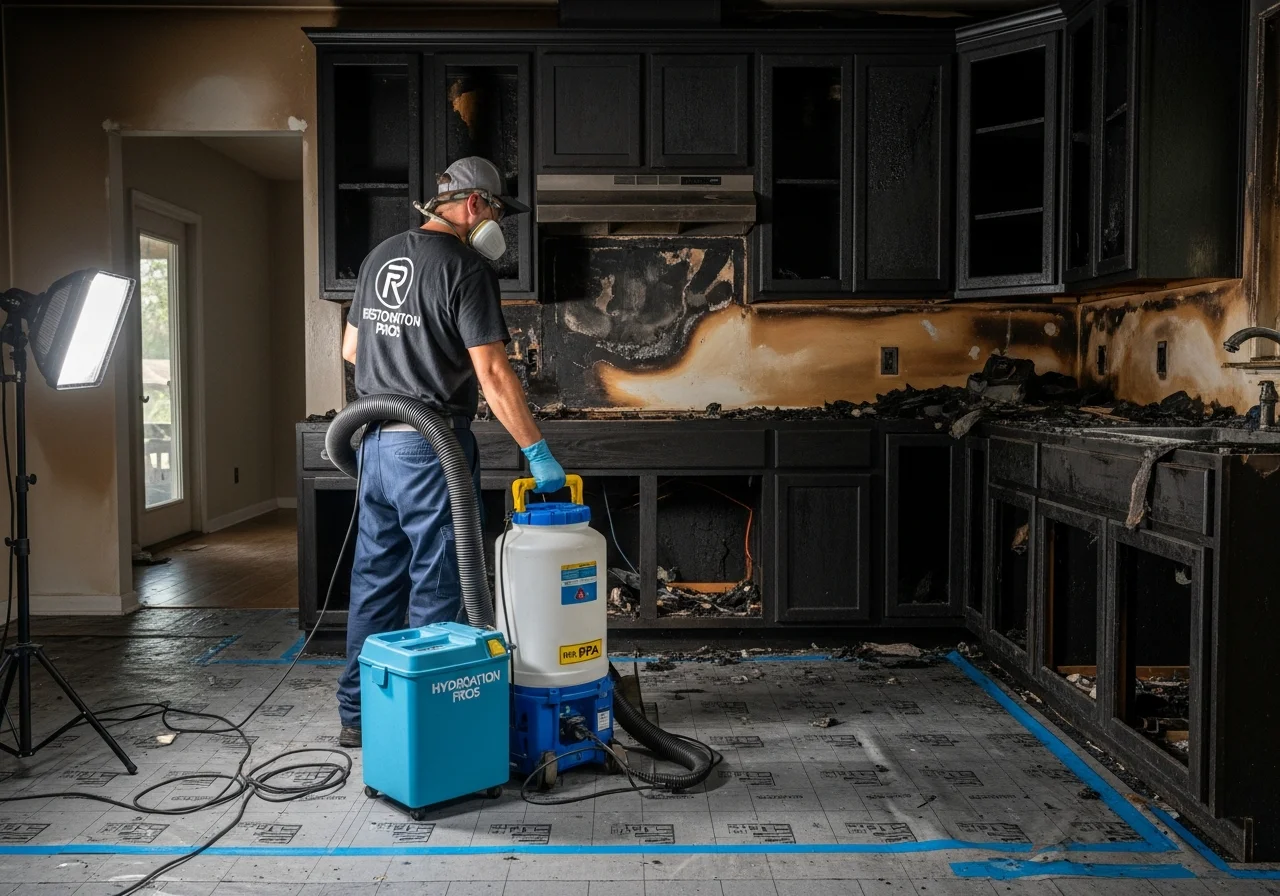
Emergency fire response at a Pembroke Pines CBS home — soot stabilization and board-up within hours of the call
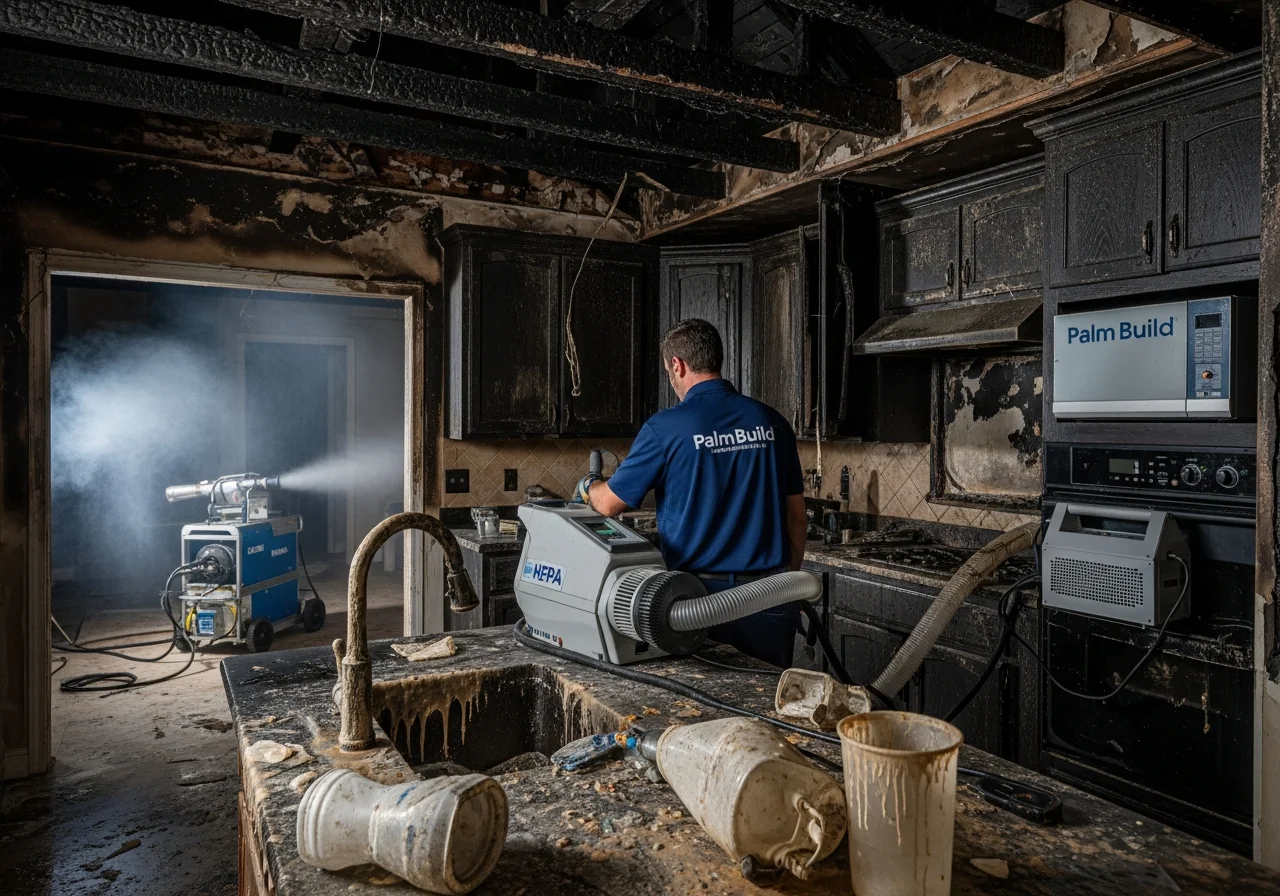
Thermal fogging penetrates CBS wall cavities to neutralize smoke odor at the molecular level — critical in Pembroke Pines humidity
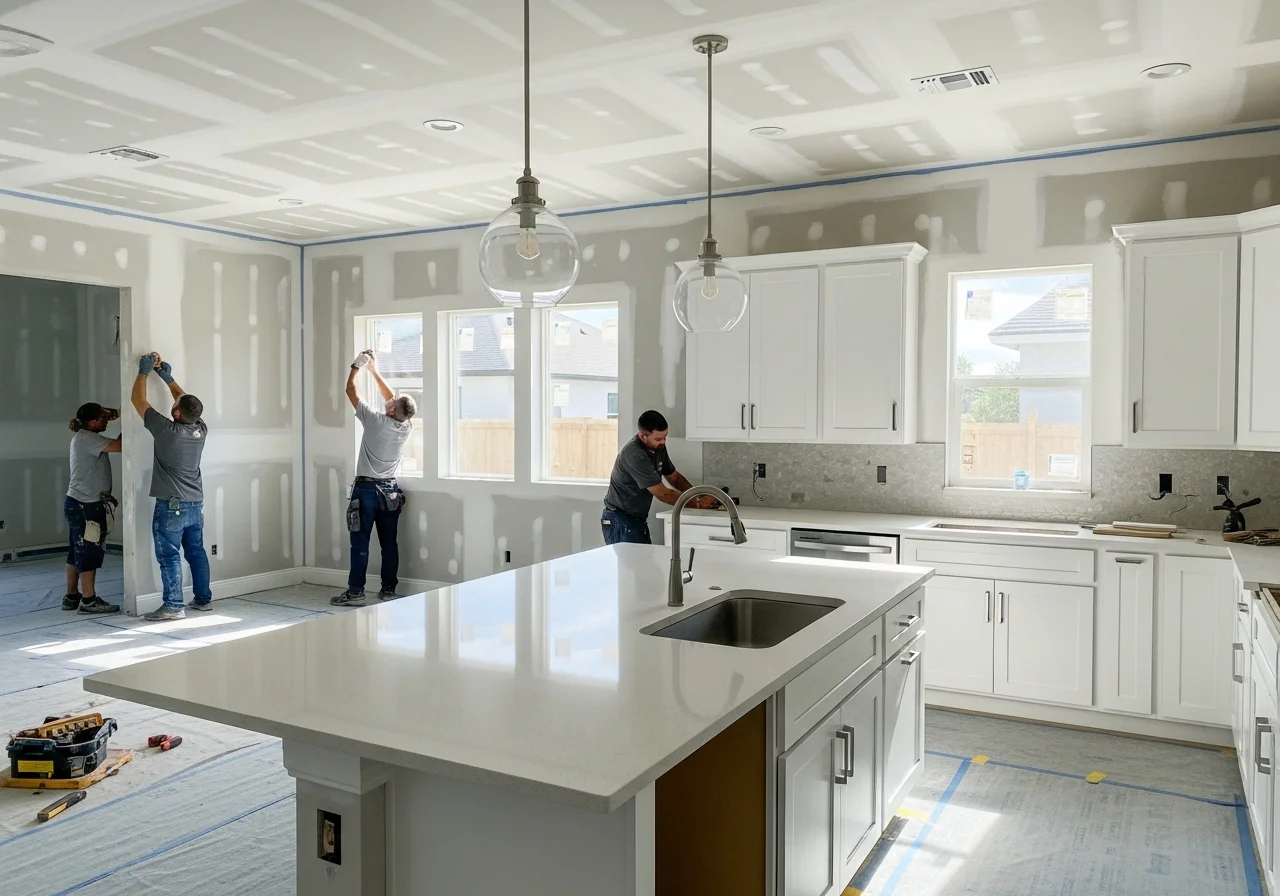
Full reconstruction to current Florida Building Code — impact windows, upgraded electrical, and modern finishes
Century Village's 4,000+ condo units require specialized multi-unit fire and smoke response with HOA coordination
The Palm Build Difference
Why Pembroke Pines Homeowners Choose Palm Build After a Fire
Deerfield Beach HQ — 20 Minutes to Pembroke Pines
Palm Build's headquarters is at 786 S Military Trail in Deerfield Beach — a straight shot down I-95 or the Turnpike to any Pembroke Pines address. From Century Village to SilverLakes, from Grand Palms to Pembroke Falls, board-up, tarping, and soot stabilization begin within 30 minutes of your call. No other restoration company in western Broward can match our response time with IICRC-certified fire crews.
IICRC Fire & Smoke Certified
Every crew lead holds current IICRC Fire and Smoke Restoration Technician (FSRT) certification. We follow the S540 standard for professional fire and smoke damage restoration procedures — critical for both proper remediation and insurance claim documentation that Florida carriers require.
Lightning Fire Specialists
Pembroke Pines' position in Lightning Alley means we restore more lightning-caused fire damage than most restoration companies see in a decade. We understand the unique combination of fire damage, electrical surge damage, and smoke contamination that lightning fires produce — and we document each damage type separately for accurate insurance classification. Our electrical diagnostic process tests every circuit for surge damage before any power is restored.
CBS Construction Experts
Pembroke Pines is built almost entirely from CBS (concrete block and stucco). Our team knows how smoke travels through block cavities, how soot bonds to porous stucco, how to inject thermal fog into hollow cores, and how to rebuild to current Broward County code standards — including impact-rated components for wind-borne debris regions.
Florida Insurance Documentation Experts
Florida's insurance landscape is uniquely complex — frequent carrier changes, assignment-of-benefits regulations, and strict documentation requirements. Our fire damage documentation is formatted exactly how Broward County adjusters and FL carriers expect to see it, reducing back-and-forth and getting your claim approved faster. For lightning fires, we separate fire damage from surge damage documentation. For condo claims, we provide separate packages for HO-6 and master policy submissions.
Full Reconstruction to Current Code
From emergency board-up through final punch list, Palm Build handles the entire project. Pembroke Pines reconstruction must meet current Florida Building Code: impact-rated windows, reinforced connections, upgraded electrical to NEC, and current insulation requirements. We manage the full Broward County permitting and inspection process — including HOA architectural review for SilverLakes, Grand Palms, and other covenant-governed communities.
Common Questions
Pembroke Pines Fire & Smoke Damage FAQ
How quickly can Palm Build respond to fire damage in Pembroke Pines?
Our Deerfield Beach operations hub is 30-45 minutes from any Pembroke Pines neighborhood. We respond 24/7/365 for emergency board-up and initial assessment. For gated communities like SilverLakes, Grand Palms, and Pembroke Falls, we coordinate gate access with your HOA management company or guardhouse to prevent delays.
Why does smoke odor linger for months in my Pembroke Pines home after a fire?
Pembroke Pines homes are predominantly CBS (concrete block structure) with stucco finish. During a fire, heat pressurizes smoke into the porous interior of concrete block cells, where it bonds at a molecular level. Unlike drywall on wood framing that can be removed and replaced, concrete block requires chemical treatment, hydroxyl generation, or thermal fogging to neutralize embedded odor compounds. Your HVAC system also distributes smoke particles into ductwork throughout the home — surface cleaning addresses soot you can see but cannot reach the smoke trapped inside block cavities and ducts.
My Pembroke Pines home was hit by lightning but didn't catch fire — do I still need restoration?
Yes. Lightning strikes cause surge damage that destroys electronics, degrades wiring insulation, and damages HVAC systems even without visible fire. The most dangerous outcome is latent damage: degraded wire insulation that does not fail immediately but creates arc-fault conditions days or weeks later. A full lightning damage assessment traces the strike pathway through your electrical, plumbing, and HVAC systems to identify both immediate and latent damage. Your homeowners insurance covers lightning damage under the standard fire and lightning peril.
How do you handle smoke damage that spread to multiple condo units in Pembroke Pines?
Multi-unit smoke migration is common in Pembroke Pines communities like Century Village and Towngate. We trace every smoke pathway — shared CBS walls, HVAC plenums, plumbing chases, electrical conduits — and assess all affected units, not just the fire origin unit. We provide separate documentation for each insurance claim involved: the unit owner's HO-6 policy, the association's master policy, and the originating unit's liability coverage. Our containment protocols prevent restoration work in one unit from pushing contaminants into adjacent spaces.
Does homeowners insurance cover fire and smoke damage in Pembroke Pines?
Standard HO-3 homeowners policies typically cover fire and smoke damage including structural repair, contents cleaning or replacement, and additional living expenses (ALE) if the home is uninhabitable. Lightning damage is covered under the fire and lightning peril. Florida law (Fla. Stat. § 627.70132) requires claims to be filed within 1 year of the loss date, with supplemental claims within 18 months. Your hurricane deductible does not apply to fire losses — the standard deductible applies instead. Palm Build provides comprehensive documentation to support your claim at every stage.
What are the most common causes of house fires in Pembroke Pines?
Holiday cooking fires spike every December through January, particularly in high-density condo communities like Century Village. Year-round, electrical system failures are the primary structural cause — 1990s-era communities like SilverLakes, Chapel Trail, and Pembroke Falls have electrical panels and wiring never designed for modern AC loads, EV chargers, and smart home systems. Lightning strikes are a significant seasonal risk from May through October. Dryer vent lint accumulation and aging appliances round out the most common ignition sources we respond to.
Does Palm Build pull permits for fire damage reconstruction in Pembroke Pines?
Yes. All fire damage reconstruction requiring structural, electrical, plumbing, or mechanical work is permitted through the City of Pembroke Pines Building Division under the Florida Building Code's HVHZ (High Velocity Hurricane Zone) provisions. This affects window specifications, roof assemblies, door ratings, and structural connections. Palm Build manages the entire permit process from application through final inspection sign-off. Unpermitted reconstruction voids insurance coverage and creates title complications when you sell.
How long does fire and smoke cleanup take in a Pembroke Pines home?
Timeline depends on fire severity and construction type. Smoke-only damage (no structural fire) in a single-family CBS home typically takes 1-3 weeks for full soot removal, HVAC decontamination, and odor elimination — CBS block construction extends odor treatment by 3-7 days compared to wood-frame homes. Structural fire damage with reconstruction ranges from 4-16 weeks depending on scope, permit timelines, and the extent of electrical and plumbing work required. Multi-unit condo scenarios add coordination time across affected units and insurance carriers.
Trusted Vendors
Trusted local pros in Pembroke Pines
Outside our restoration scope, these are the vetted, licensed contractors we trust
alongside our work. Personally evaluated, reference-checked, and recommended by Palm
Build.
Fire or Smoke Damage in Pembroke Pines? Every Hour Counts.
Smoke compounds bond deeper into CBS block walls with every passing hour. Palm Build's IICRC-certified team arrives in 30-45 minutes with emergency board-up, soot removal, and HVAC decontamination — before secondary damage multiplies the loss and the cost.