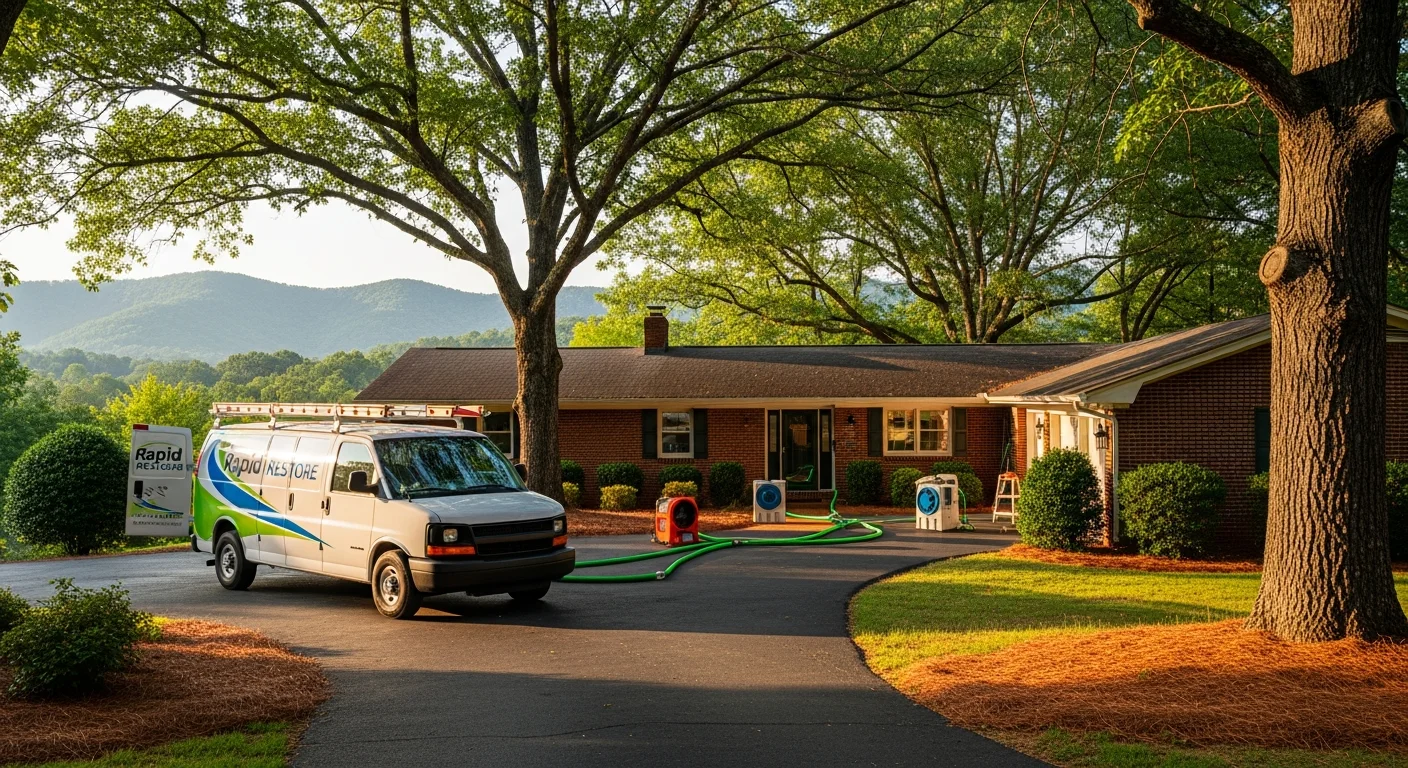
Water Damage Restoration in Valdese, North Carolina
Valdese sits in Burke County where five named creek corridors — Double Branch, Dye Branch, McGalliard Creek, Micol Creek, and Hoyle Creek — drain through town into FEMA-mapped floodways, and where a median home build year near 1970 means crawl spaces, aging supply lines, and clay-heavy subsoils are the rule, not the exception. Palm Build's Charlotte team responds 24/7 with IICRC-certified water extraction, structural drying built for NC foothills construction, and insurance documentation that holds up through every stage of your claim.
80-95 min
Emergency Response
24/7
Dispatch Available
IICRC
Certified Technicians
Water Emergency in Valdese? Call 24/7.
Palm Build's Charlotte team reaches Valdese with IICRC-certified water damage restoration for Burke County homes — crawl spaces, basements, older brick construction, and creek corridor flooding. 24/7 response.
Damage Recognition Guide
10 Warning Signs Valdese Homeowners Shouldn't Ignore
Burke County's clay soils and aging housing stock mean water damage often develops slowly before becoming visible. These are the signs to look for — by area of your home.
Crawl Space Warning Signs
- Musty or earthy smell inside your home, especially noticeable on rainy days or when the HVAC runs
- Sagging, soft, or "bouncy" floor sections above a crawl space — signs of wet or rotted subfloor
- Visible standing water, dark staining, or white mineral deposits (efflorescence) on crawl space walls
- Condensation on subfloor joists or vapor barrier visible during inspection
- Mold or dark discoloration on wood framing visible from a crawl space access hatch
Interior Water Damage Indicators
- Water stains on ceilings, especially below bathrooms — common in 1970s-era Valdese homes with aging shower pans
- Peeling paint or bubbling wallboard at wall-floor junctions after heavy rain
- Discoloration or swelling of hardwood floors, particularly in older Ramblewoods and Holly Hills homes
- Rust stains on bathroom fixtures or cabinet bases — indicates slow, long-term moisture migration
- Doors and windows sticking unexpectedly — can signal moisture-swollen framing
Exterior and Foundation Red Flags
- Water pooling against the foundation or in the yard that does not drain within 24 hours — Burke County clay soil holds water far longer than sandy soils
- Downspout discharge draining toward the foundation or disappearing into saturated ground
- Cracks in brick veneer or mortar joints at the base of exterior walls — can allow water infiltration into wall cavities
- Gutters overflowing during rain or pulling away from fascia — common cause of wall and crawl space water entry
- Visible erosion or sediment trails at downspout discharge points, indicating high-volume stormwater events
HOA and Condo-Specific Signals
- Water stains or wet drywall on a shared wall with an adjacent unit — common in Stonehaven, Morgan Trace, and Lady Slipper HOA communities
- HVAC closet or utility room moisture — shared mechanical spaces in townhomes are a frequent water loss origin
- Report from an upstairs neighbor about a leak they cannot find — upstairs unit plumbing failures migrate to lower units in Valdese's 1980s–2000s condo stock
- Association notice about a common-area pipe repair — unit interiors should be inspected even if the repair appears external
Spotted any of these signs? Don't wait to call.
In Valdese's humid foothills climate, mold begins growing within 24–48 hours of moisture exposure (CDC). Water damage in crawl spaces often goes undetected for weeks — by which point structural framing may be compromised.
Restoration Gallery
Before & After: Valdese Water Damage Restoration
Real restoration scenarios from Burke County homes — crawl spaces, basements, hardwood floors, and ceilings. Each job documented from first moisture reading through final clearance.
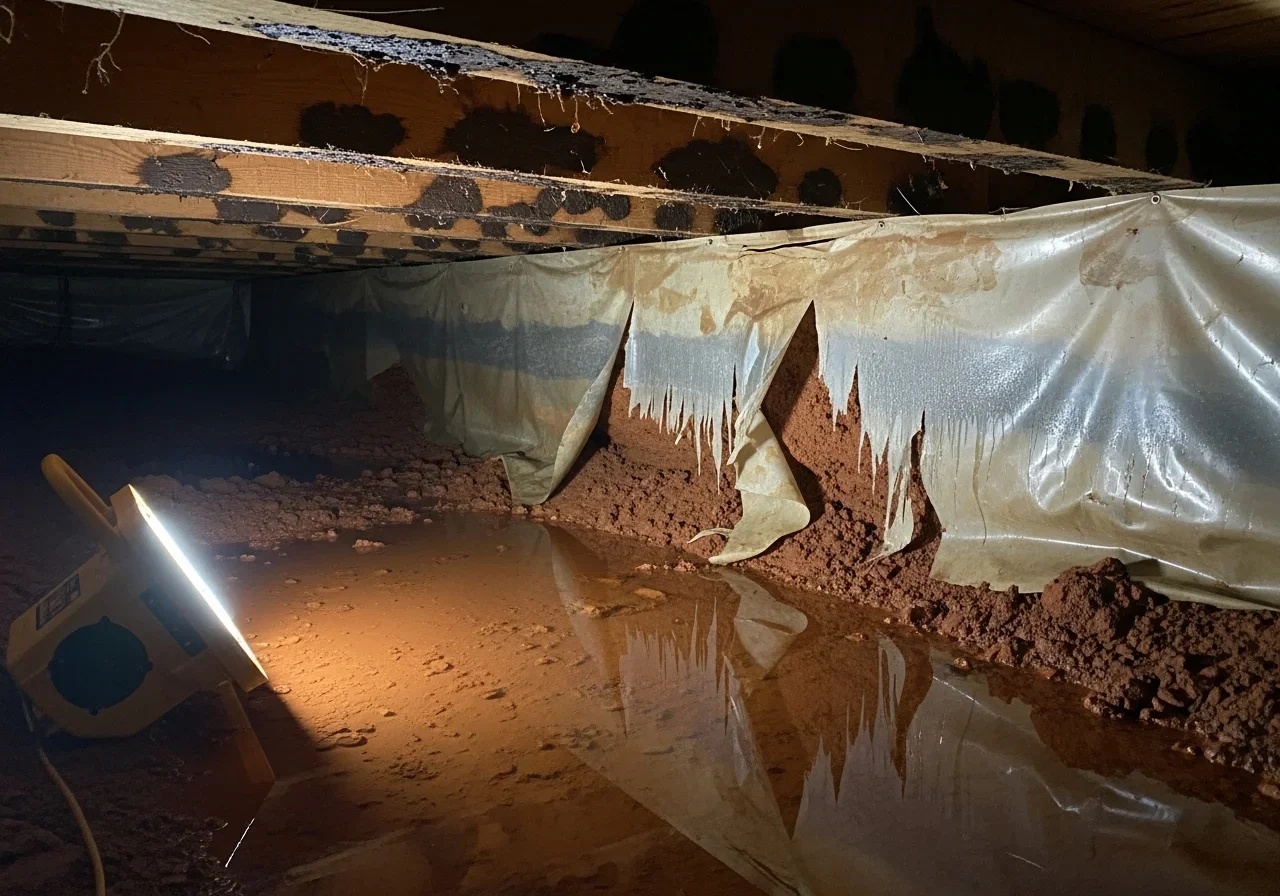 BEFORE
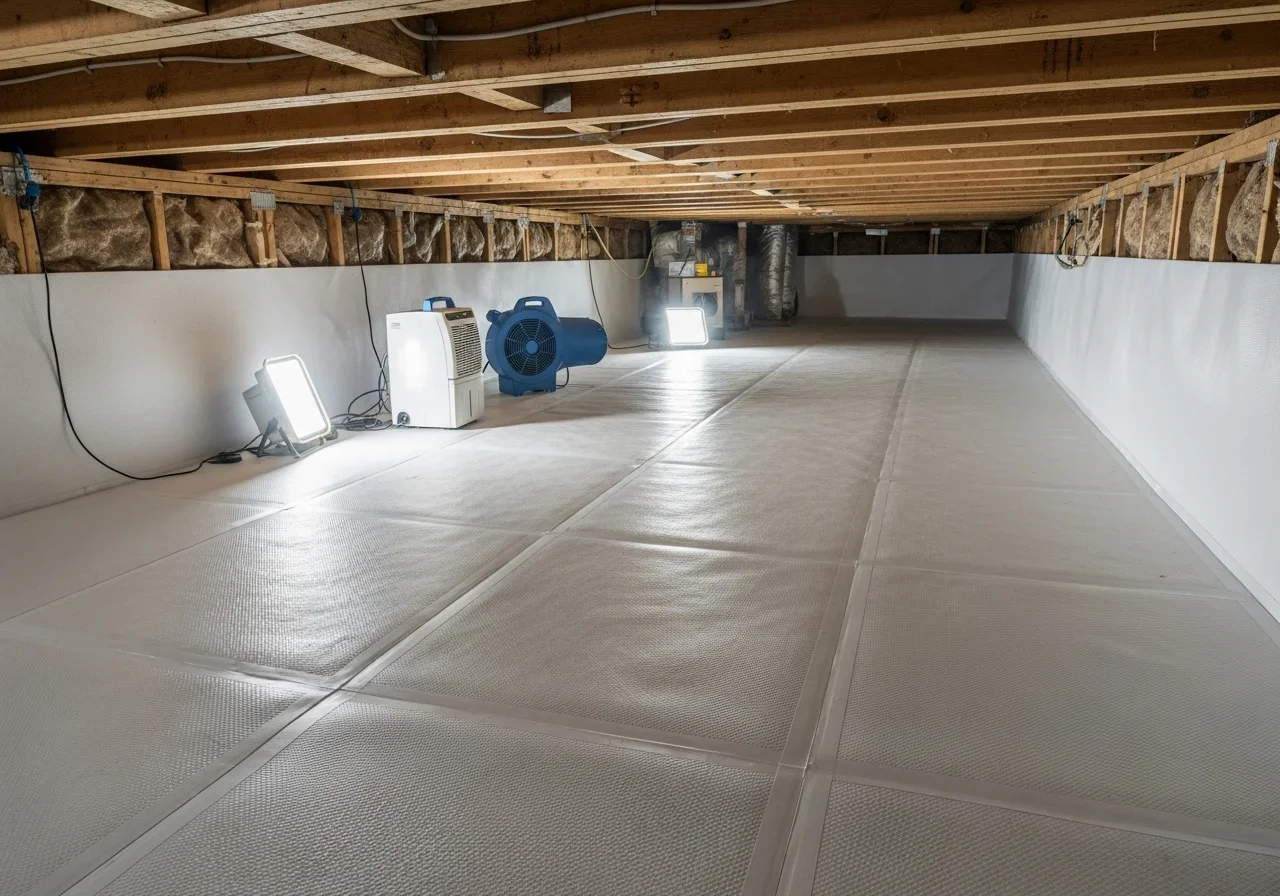 AFTER
AFTERCrawl Space Extraction & Drying
Older Valdese home — standing water in crawl space from saturated clay subsoil after multi-day rain. Full extraction, structural drying, new vapor barrier.
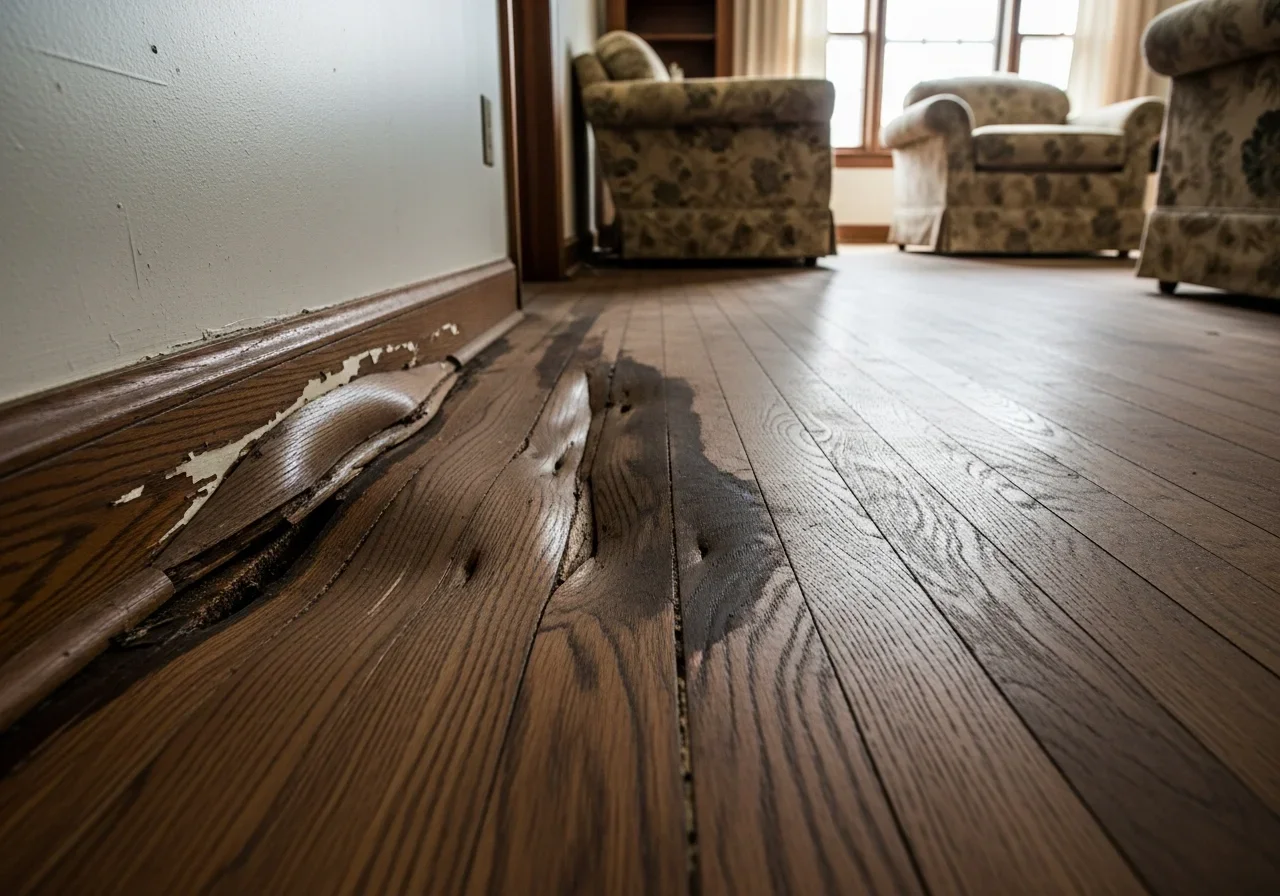 BEFORE
 AFTER
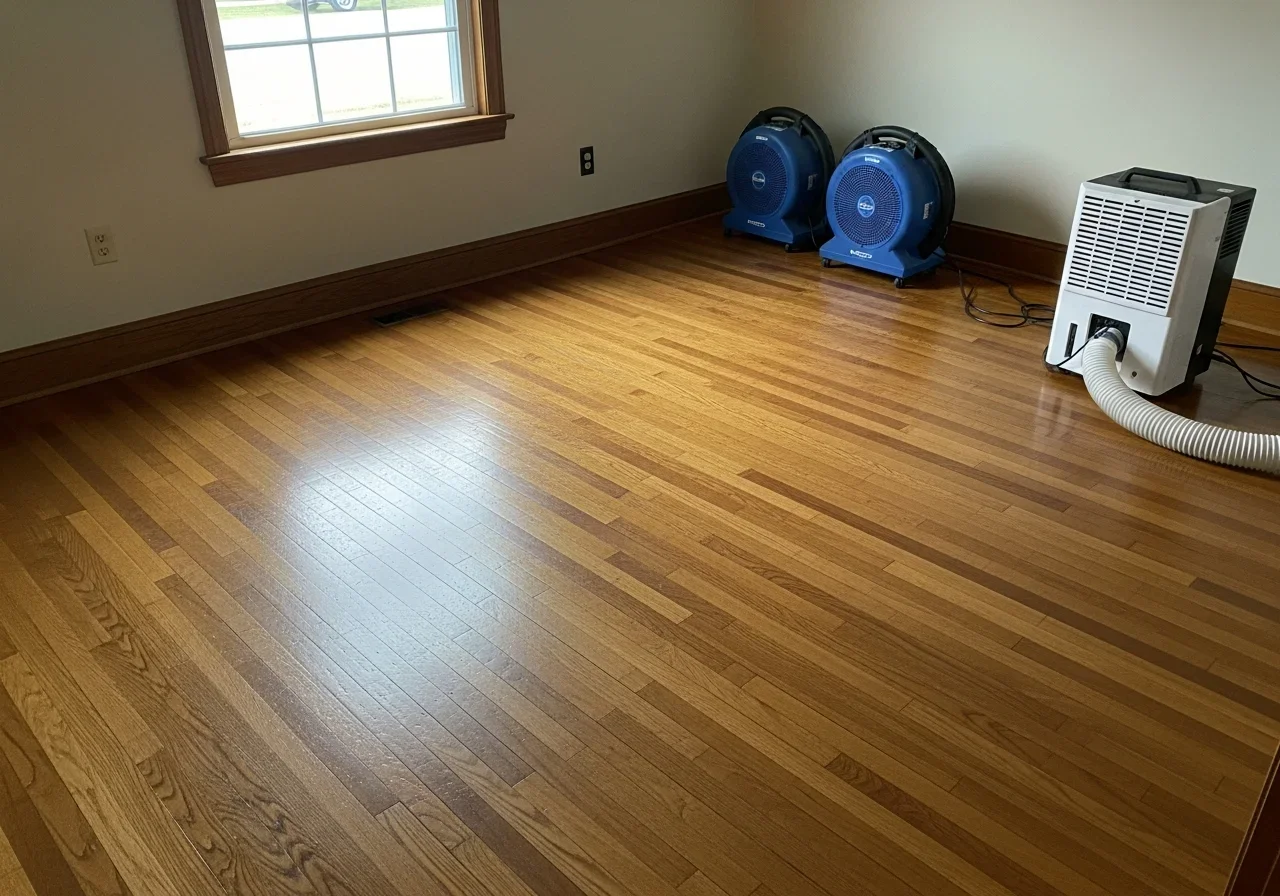
AFTERHardwood Floor Water Damage
Supply line failure behind bathroom vanity — water traveled under hardwood flooring in a 1970s Holly Hills neighborhood home. Controlled drying saved the subfloor.
 BEFORE
 AFTER
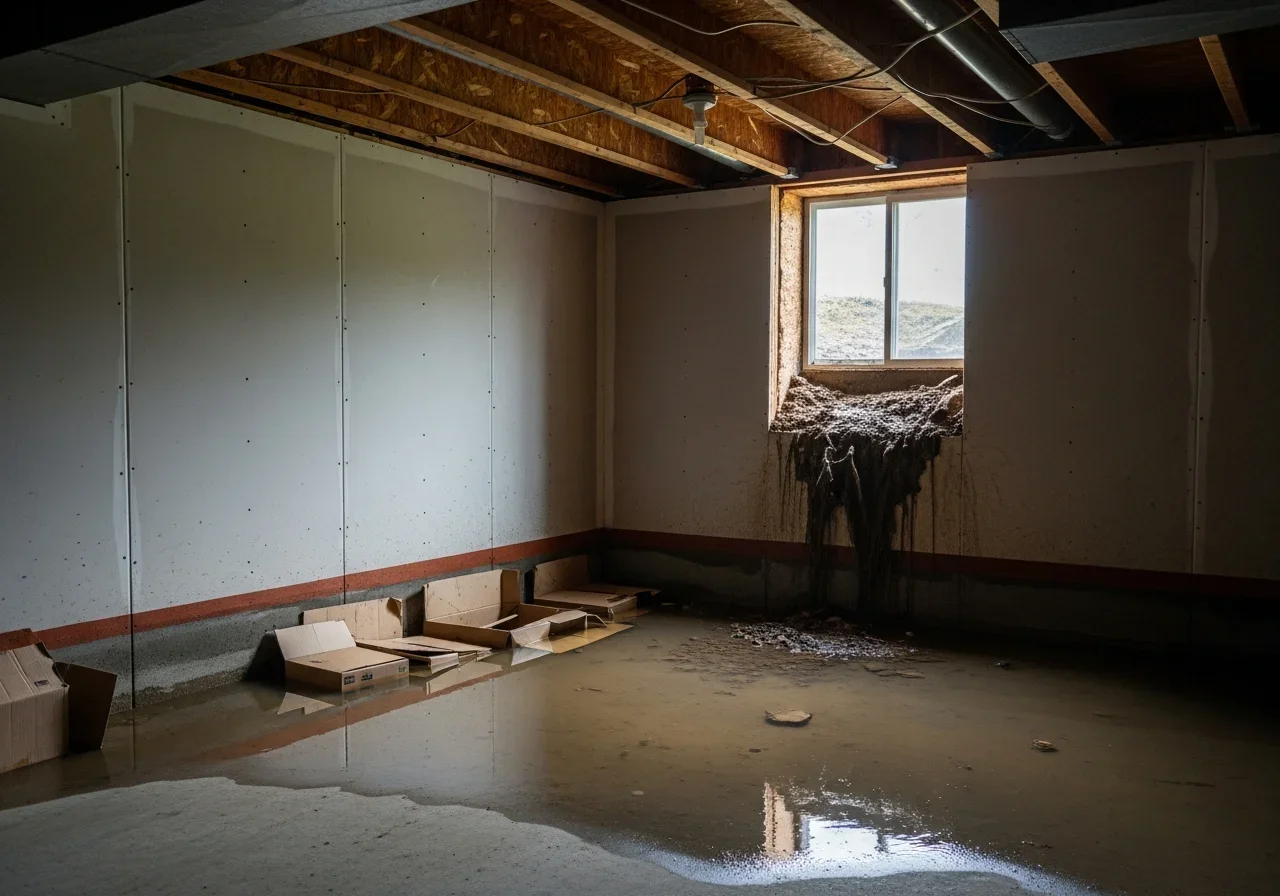
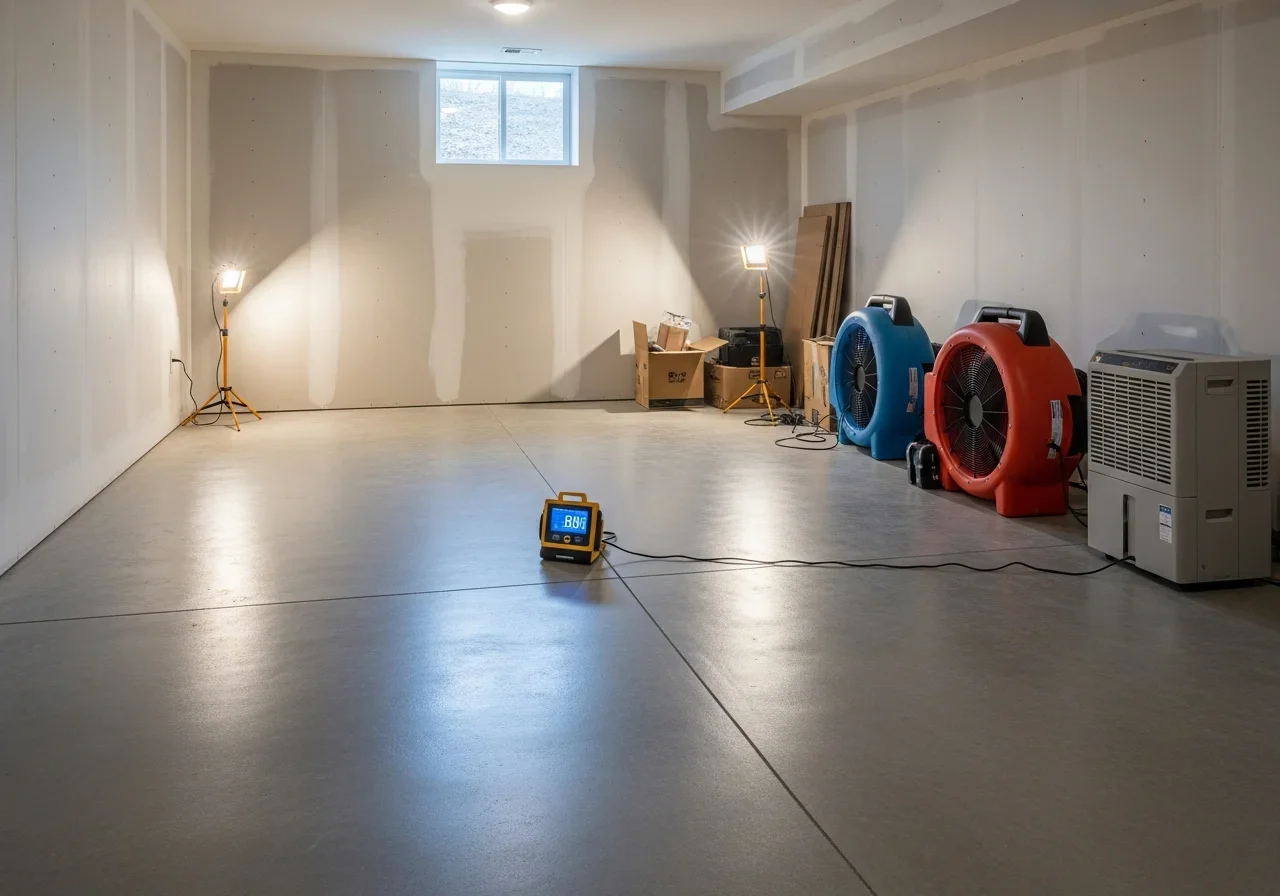
AFTERDaylight Basement Flooding
High Peak Mountain neighborhood — slope drainage event saturated daylight basement perimeter. Emergency extraction, perimeter drying, and interior documentation for insurance claim.
 BEFORE
 AFTER
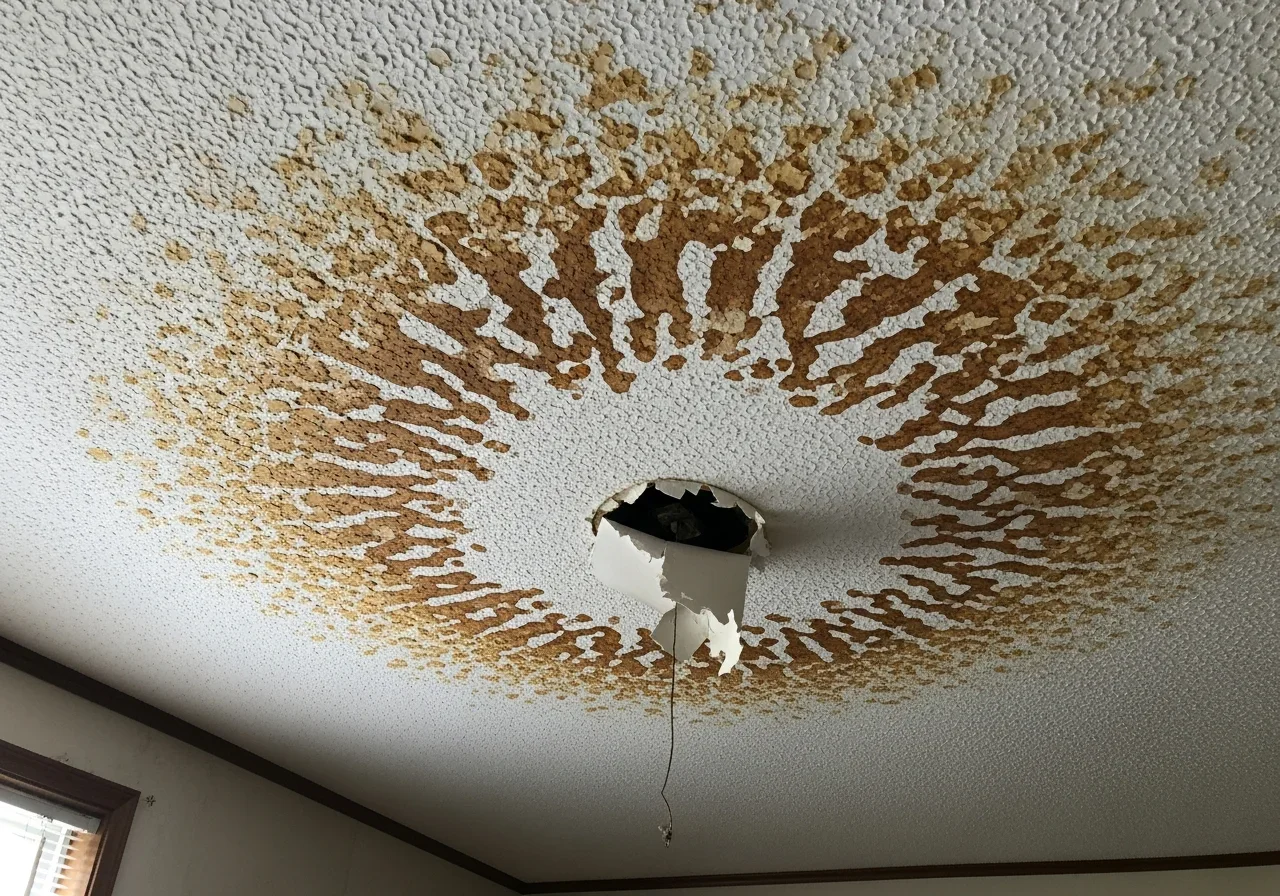
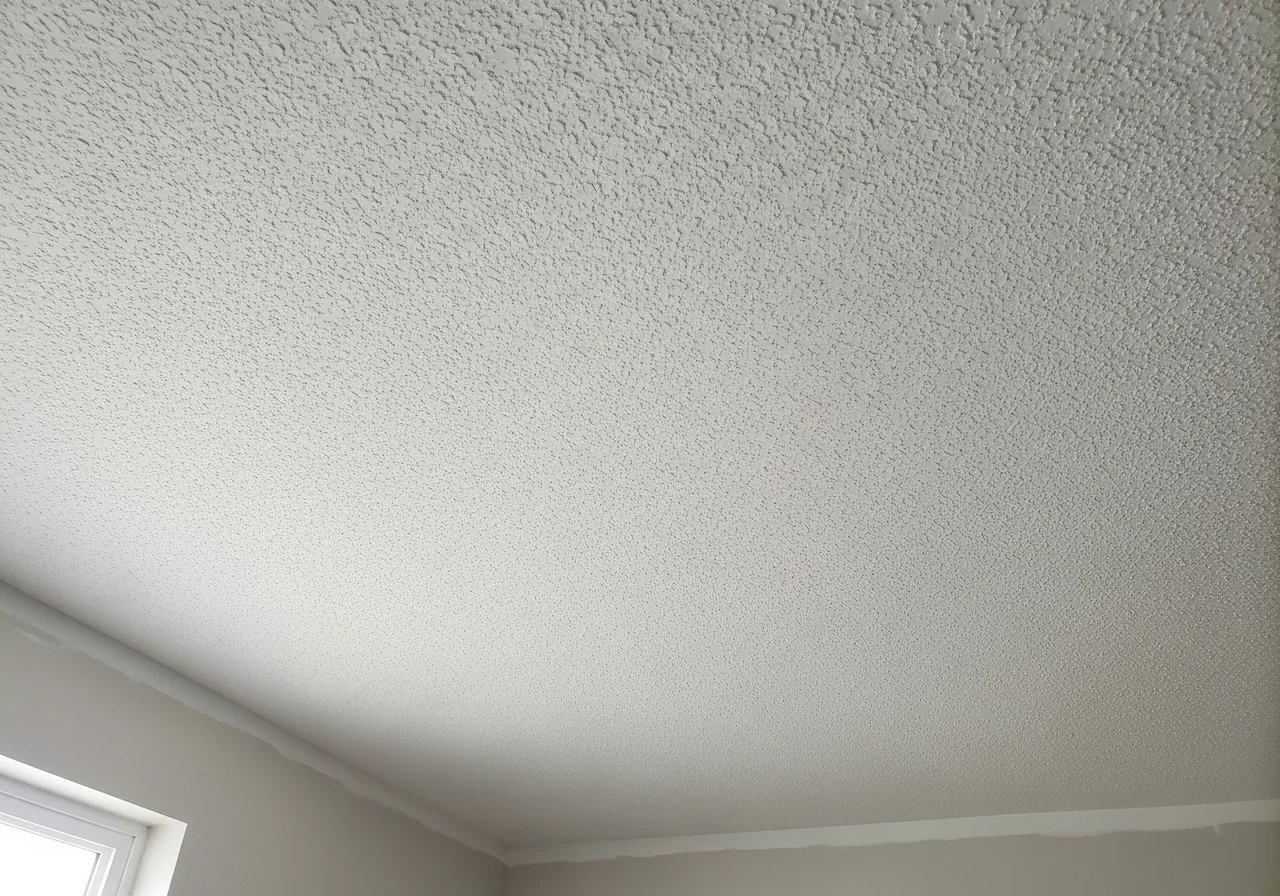
AFTERCeiling & Drywall Water Damage
Aging shower pan failure in an older Valdese home — water traveled through subfloor into ceiling cavity below. Targeted demolition and drying before mold could establish.
Every Valdese job is fully documented.
Moisture readings, equipment logs, and before/after photography — the evidence your insurance carrier requires from day one through final drying certification.
Local Flood Geography
Valdese's Five Creek Corridors and What They Mean for Your Home
Valdese's stormwater infrastructure drains into five named creek systems — Double Branch, Dye Branch, McGalliard Creek, Micol Creek, and Hoyle Creek — all identified in FEMA flood study materials for Burke County. No competitor mentions these by name. Your insurer will ask about them.
McGalliard Creek
The most referenced waterway in Valdese flood documentation — McGalliard Falls Park sits along this corridor and the creek is named in FEMA flood elevation determinations for the town. Properties along McGalliard Creek's lower reaches are in or near FEMA-mapped Special Flood Hazard Areas. Homeowners near the creek should verify flood zone status at msc.fema.gov.
Double Branch
Identified in Valdese's stormwater permit materials as a primary receiving water for town runoff. Double Branch's watershed concentrates stormwater from developed areas, meaning heavy rainfall events push volume through this corridor quickly. Homes on lower terrain near Double Branch can experience saturated foundations and yard flooding even outside mapped SFHA zones.
Dye Branch
Named in Valdese stormwater documentation as a local receiving water. Dye Branch flows through sections of town that include older residential development — homes on aging foundations in these areas face cumulative moisture loading across multiple wet seasons.
Micol Creek
Part of the local drainage network documented in Valdese's stormwater regulatory filings. Like the other named corridors, Micol Creek reflects the town's broader pattern: developed clay-soil terrain draining into named channels that move slower than the pace of heavy rainfall events.
Hoyle Creek
Named in Valdese's stormwater permit scope. The drainage pattern across all five of Valdese's named corridors reflects a shared characteristic: Burke County's clay-heavy soils infiltrate slowly, so when rainfall exceeds about one inch per hour — common in summer thunderstorms — creek systems accept rapid surface runoff rather than percolation.
FEMA Floodway in Valdese Infrastructure
A town public notice tied to FEMA Public Assistance funding identifies a Valdese service road project as located in both a regulated floodway and a Special Flood Hazard Area, referencing Burke County FIRM panel 3710273400J (dated 09/05/2007). This means parts of Valdese's infrastructure — and the neighborhoods they serve — sit within FEMA-regulated flood zones. Homeowners should verify their specific property on official FEMA maps at msc.fema.gov before assuming standard homeowners insurance covers water events.
Lake Rhodhiss Adds a Second Risk Layer
Beyond the creek corridors, Lake Rhodhiss — the Duke Energy reservoir bordering Valdese's eastern neighborhoods — creates lake-proximity humidity conditions. The Settings of Lake Rhodhiss, Lake Rhodhiss Estates, and the gated Lake Vista community all sit adjacent to open water, meaning ambient moisture loading on crawl spaces and basements is higher year-round than inland Valdese properties.
Why this matters for your claim: When you report a water loss to your insurer, the adjuster will ask whether the damage source was flood water (rising from outside) or internal water (pipe, appliance, roof). Creek corridor proximity, floodway status, and the date of the loss relative to rainfall events all affect coverage. Palm Build documents the loss source and mechanism from day one — exactly what you need to support your claim.
Valdese Neighborhood Guide
Water Damage Risk by Valdese Neighborhood
Every Valdese neighborhood has a distinct risk profile based on build era, foundation type, proximity to creek corridors, and Lake Rhodhiss exposure. Know your neighborhood before the next storm.
Holly Hills
Single-family residential · Est. 1967–1996
One of Valdese's longer-established subdivisions — build era spans 30 years, meaning original 1967 homes may still have aging supply lines, older drain configurations, and vented crawl spaces with minimal vapor barriers. Repeated moisture cycles over 50+ years make these homes the highest-risk for hidden wood framing deterioration and crawl space mold.
Ramblewoods
Mixed-era single-family · Est. 1976–2025
Wide build range creates a two-tier risk profile: older 1970s–1980s sections carry aging plumbing and crawl space moisture risk; newer sections (2000s–2025) are on slab or newer crawl space construction but still deal with Burke County clay-soil drainage issues and mature tree canopy that can damage rooflines.
High Peak Mountain
HOA single-family, sloped terrain · Est. c. 1990
Foothills slope terrain creates specific drainage and seepage patterns — water does not need to flood to cause damage; repeated slope runoff toward foundations after heavy rain is the primary mechanism. Daylight basements and walkout lower levels in this community face hydrostatic pressure events after sustained rainfall.
Springwood
HOA single-family · Est. 1998–2016
Newer construction with modern plumbing, but still susceptible to HVAC condensation events, bath fan moisture, and storm-related roof leaks. Modern LVP and MDF trim materials are less forgiving of moisture than older hardwood — small leaks trapped under LVP floors can go undetected until significant subfloor damage occurs.
Waterside
HOA single-family, newer · Est. 2014–2024
Newest community in Valdese's suburban stock. Slab foundations are common — different drying protocol than crawl space homes, but slab moisture migration under LVP flooring is a documented loss type. HVAC condensate drain line failures and storm runoff from high-intensity summer events are the primary risk vectors.
Morgan Trace & Lady Slipper
HOA townhomes, 61 units · Est. 1998–2018
Shared-wall townhome construction means a single unit's water loss can migrate through common assemblies. Upstairs plumbing failures and HVAC condensate events are the primary culprits. HOA coordination is required for any drying or rebuild work affecting shared walls or common areas — Palm Build manages this documentation process.
Stonehaven
HOA condo community · Est. 1982–1987
1980s-era multi-unit condo construction — original HVAC and plumbing in many units. Water losses migrate through shared floor/ceiling assemblies between units. Smoke odor and water intrusion require moisture mapping to confirm containment. Insurer documentation for multi-unit losses is more complex than single-family claims.
Stones Throw
HOA single-family · Est. 2001–2017
Early-2000s construction with modern framing, but old enough to see HVAC system age-related failures and roof component wear. Mature trees planted at build time now present storm damage risk to rooflines. LVP flooring installed in remodeled units can trap moisture from under-slab events.
The Settings of Lake Rhodhiss
Lake-area subdivision · Est. Mixed
Lake-adjacent humidity exposure creates year-round elevated moisture loading on crawl spaces and basements — even without a direct water intrusion event. Seasonal-use homes are highest risk: extended periods without climate control allow humidity to build unchecked. Wind-driven rain across open lake water reaches exterior envelopes at higher velocity than inland sites.
Lake Rhodhiss Estates
Lake-area subdivision · Est. Mixed
Similar lake-proximity profile to The Settings — ambient moisture loading on foundations is higher than inland Valdese properties. Slope drainage from lots leading to the lake edge can route stormwater toward foundations after heavy rain events. Crawl space drying protocols for lake-adjacent homes require equipment to account for elevated outdoor humidity.
Lake Vista / Lake Vistas
Gated community, Lake Rhodhiss · Est. Mixed
Small gated community on Lake Rhodhiss with higher-end finishes — controlled drying protocols must account for expensive materials. HOA/gate coordination required for equipment access. Wind exposure across the lake surface makes roof envelope integrity critical; any compromised flashing or roofing detail is rapidly exploited by lake-driven precipitation.
Valdese Central (Historic Downtown Area)
Mixed residential/commercial · Est. Pre-1960s–1990s
Oldest building stock in Valdese — homes and mixed-use structures near the historic downtown (Old Rock School corridor, Waldensian Trail of Faith area) may include original plumbing, masonry construction with aged mortar, and basements or crawl spaces with no moisture control. Small kitchen fires and appliance water losses are also elevated in this area's mixed-use context.
Valdese West
Established residential · Est. Mixed, primarily mid-century
Mid-century housing with mature tree canopy — limb fall roof damage and gutter overflow are the primary storm-related water entry vectors. Crawl space humidity typical of Valdese's older stock. Fascia and soffit rot from years of gutter overflow can allow water infiltration into wall cavities.
Messer / High Peak
Foothills residential · Est. Mixed
Foothills slope drainage narratives apply here — persistent slope runoff toward foundations after sustained rain events. Basement seepage after multi-day rainfall is common in areas with moderate-to-steep grades and Burke County clay soils that saturate and hold water across the foundation perimeter.
Drexel / Valdese Area
Boundary area near Drexel · Est. Mixed-era
Properties in this boundary zone share characteristics with both Drexel and Valdese housing stock — mixed-era homes, creek corridor proximity, and standard Burke County clay-soil drainage challenges. Older homes in this area may have aging infrastructure common to mid-century construction.
Burke County's Clay Soil — The Common Thread Across All Valdese Neighborhoods
Regardless of build era or HOA status, all Valdese properties share one underlying characteristic: Burke County's clay-heavy soils infiltrate water very slowly (USDA NRCS describes dense clay layers as having slow to very slow infiltration rates). This means after significant rainfall events, moisture lingers around foundations, under crawl spaces, and in yard drainage pathways far longer than in sandy-soil regions. Even homes that are not in mapped flood zones regularly experience water damage from soil-saturation-driven seepage — a category that homeowners often assume is covered by their standard policy when it is not.
Seasonal Risk Calendar
When Valdese Properties Are Most at Risk
Based on Hickory FAA Airport 1991–2020 climate normals — the closest long-term station to Valdese. Burke County's foothills climate delivers ~47 inches of rain per year with no true dry season. Click any month for details.
Peak Risk: Jul–Sep
July and August are Valdese's wettest months at 4.4–4.6 inches average. September is peak tropical remnant season for NC foothills — when multi-day rainfall events overwhelm creek corridors and clay-soil drainage.
No True Dry Season
Unlike arid regions, Valdese averages 3.3–4.6 inches of rain every month. Even "low-risk" winter months can produce pipe failures and crawl space freeze events. Year-round moisture vigilance is the right posture for Burke County homeowners.
Spring Mold Window: Mar–May
As ground temperatures warm and rain stays consistent, vented crawl spaces in Valdese's older homes begin accumulating ambient moisture above the 60% threshold where mold colonizes wood framing — often with no water event required.
Our Process
How Palm Build Restores Valdese Homes
A documented, IICRC-standard process built for Burke County construction — crawl spaces, older brick homes, clay-soil drainage, and creek-corridor flooding.
Emergency Response (80–95 min from Charlotte)
Palm Build dispatches from Charlotte when you call. While we're en route, stop active water intrusion if safe, move contents above the wet line, and do not run HVAC into wet spaces — this circulates moisture and spores into every room. For creek corridor events, wait for official all-clear before re-entering flooded basement or crawl space areas.
Damage Assessment & Documentation
IICRC-certified technicians assess every affected area with moisture meters, thermal imaging, and photography. In Valdese's older homes, this includes the crawl space — because water visible in living areas typically means the crawl space has been wet far longer. We note construction era, foundation type (crawl space, slab, or daylight basement), water source category, and proximity to named creek corridors for your insurance claim.
Water Extraction
Commercial truck-mounted or portable extraction systems remove standing water from living areas, basements, and crawl spaces. Clay-soil environments require thorough extraction — residual moisture in subfloor materials in a Valdese crawl space can persist for weeks without intervention. For lake-area properties with elevated ambient humidity, extraction is followed immediately by dehumidification staging.
Structural Drying — Crawl Space Focus
Industrial dehumidifiers and air movers target all affected assemblies. In Valdese's foothills climate, ambient outdoor humidity is high enough (70–90% in summer months) that opening windows actively worsens drying conditions. We seal and control the environment. Crawl space drying receives dedicated equipment and daily moisture monitoring — it is not grouped with the living area drying scope.
Mold Prevention Treatment
Antimicrobial treatment is applied to all affected wood framing, subfloor, and drywall. In Valdese's crawl space and foothills environment, this step is non-negotiable — wood framing that has been damp for any period during NC's humid summers is a mold colonization risk. We coordinate with IICRC-certified mold assessors for post-remediation verification when scope warrants.
Reconstruction & Final Documentation
From subfloor replacement to drywall, Palm Build handles full-scope restoration. We document every step — moisture readings, equipment placement logs, photo evidence, and drying certification — because NC insurance carriers expect this evidence for both initial claims and supplemental claims if hidden damage in older Valdese framing emerges during reconstruction.
Every Valdese job produces a complete drying documentation package — moisture logs, equipment records, and photo evidence.
NC insurance carriers require this evidence for initial claims and any supplemental claims. Palm Build delivers it on every job.
Valdese Insurance Playbook
What Insurance Pays For in Valdese — And What It Doesn't
Water damage coverage gaps catch Valdese homeowners off guard every year. NC DOI and the Insurance Information Institute confirm these exclusions — know them before you need them.
Usually Covered
Sudden pipe burst
Supply line failure in walls, under sinks, behind appliances — covered when reported promptly.
Appliance failure
Washing machine hose, dishwasher line, water heater overflow — typically covered as sudden and accidental.
Roof leak from storm
Wind-driven rain through compromised roofing or flashing — covered under wind damage, typically.
AC or HVAC overflow
Condensate pan overflow or drain line failure — generally covered when sudden, not due to deferred maintenance.
Usually NOT Covered
Flood water (rising from outside)
Rising creek water, surface runoff flooding, or any water that entered from the ground up. Requires separate NFIP or private flood policy. NC DOI confirms standard homeowners policies exclude flood.
Sewer or drain backup
Water backing up through floor drains, toilets, or sewer lines is excluded from most standard policies unless a separate backup endorsement is purchased.
Foundation seepage
Water seeping through cracks, walls, or the base of foundations is routinely treated as a maintenance issue and excluded — even if it follows a storm event.
Gradual leaks / neglect
Slow drip that caused damage over weeks or months is typically denied as a maintenance failure. Report losses promptly — delayed discovery reduces coverage likelihood.
Mold (standalone)
Most standard policies treat mold like rot — a maintenance issue. Limited mold coverage may apply when mold results directly from a covered water peril, but standalone mold remediation is rarely covered.
Common Carriers in Valdese / Burke County
State Farm
Largest NC homeowners market share. File through local agent; document damage immediately.
NC Farm Bureau
Strong rural and foothills presence — common carrier in Burke County. Prompt reporting critical.
Erie Insurance
Mid-tier NC market share. Known for replacement cost coverage options.
Nationwide
Large national carrier with NC presence. Coverage endorsements (sewer backup) available.
Allstate
Available across NC with water-related endorsement options worth reviewing.
Travelers
Commercial and residential; document loss source clearly to support claim classification.
Rising premiums make documentation more critical than ever.
NC homeowners insurance rates have seen significant increases recently, with average increases reported near 15% by mid-2026 under state settlement frameworks. When premiums are rising, insurers scrutinize claims more closely. Proper documentation of loss source, timing, and scope — starting from the first call — is what separates approved claims from denied ones.
Cost Guide
Water Damage Restoration Costs in Valdese, NC
Typical cost ranges for Burke County homes — based on loss category, affected area, and foundation type. Palm Build provides written estimates before any work begins.
Category 1 — Clean Water
$1,500 – $4,000
Single room, supply line or appliance failure, contained to one area, no crawl space involvement.
Category 1–2 — Multiple Areas
$4,000 – $10,000
Multiple rooms, partial crawl space drying, subfloor affected, standard structural drying cycle (3–5 days).
Category 2 — Gray Water or Crawl Space
$10,000 – $20,000
Full crawl space remediation, subfloor replacement in one or more rooms, extended drying, mold prevention treatment throughout.
Category 3 — Contaminated or Structural
$20,000 – $50,000+
Major flooding, structural framing affected, full demolition and rebuild of damaged areas, crawl space complete remediation, contents loss.
Factors That Increase Scope in Valdese Specifically
- Crawl space involvement adds $2,000–$6,000+ due to equipment access, extended drying time, and vapor barrier replacement
- Older Valdese homes (1960s–1980s) may reveal hidden damage in original framing, increasing scope during demolition
- Lake-adjacent properties (Lake Rhodhiss area) require additional dehumidification time due to elevated ambient outdoor humidity
- HOA and condo losses (Stonehaven, Morgan Trace) require multi-unit documentation and coordination, which adds administrative scope
- Mold presence discovered during drying adds remediation scope — the longer the delay between loss and response, the higher the probability
Why Palm Build
Why Valdese Homeowners Choose Palm Build
SERVPRO templates, national call centers, and generic "we serve your area" pages don't know the difference between McGalliard Creek and Double Branch. We do.
We Know Burke County Construction
Valdese homes built from the 1950s through the 1980s have specific characteristics — vented crawl spaces, brick veneer over wood framing, clay-soil drainage challenges — that generic national franchises treat as standard scope. We don't. Foothills NC construction requires foothills NC experience.
IICRC-Certified from Day One
IICRC certification isn't a marketing claim — it defines the protocol we follow for water extraction, structural drying, mold prevention, and documentation. Every Valdese job follows IICRC S500 water damage and S520 mold remediation standards, producing the evidence your insurer expects.
24/7 Emergency Response
Water damage in Burke County's humid climate doesn't wait for business hours. Palm Build operates around the clock, 365 days a year. From Charlotte, we reach Valdese in approximately 80–95 minutes — fast enough to matter in the critical first hours when proper extraction prevents crawl space mold from establishing.
Insurance Documentation That Holds Up
Every Palm Build job produces a complete documentation package: moisture readings from day one, daily drying logs, equipment placement records, before-and-after photography, and drying certification. NC carriers expect this; adjusters rely on it. We produce it consistently so your claim doesn't stall at the documentation stage.
Full-Scope from Extraction Through Rebuild
Most restoration companies stop at drying and hand you off to a contractor for reconstruction. Palm Build handles both — from crawl space extraction through drywall replacement and final finish work. One company, one warranty, one call. No coordination gap where things fall through.
Local NC Number, No National Call Center
When you call (704) 464-0121, you reach our Charlotte operations team — not a national franchise dispatcher or call center. We know Valdese, Burke County, and the NC foothills. We can answer specific questions about your home's construction type, your neighborhood's flood zone status, and your insurer's documentation requirements.
Ready when you need us — 24 hours a day, 7 days a week.
Valdese, Burke County, and the surrounding NC foothills — Charlotte's team has you covered.
Common Questions
Frequently Asked Questions — Water Damage in Valdese, NC
Answers to the questions Valdese and Burke County homeowners ask most about water damage restoration, crawl spaces, creek corridor flooding, and insurance claims.
More in Valdese
Other Restoration Services in Valdese, NC
Related Services