Step 1
Supplements are normal, not a red flag
Initial estimates are based on visible damage. When walls are opened or floors are removed, additional damage is almost always found. Supplements adjust the claim to cover the full scope.
Insurance Claims Guide
Supplemental claims are a normal, expected part of almost every significant restoration project. When hidden damage is discovered during work, your contractor documents it and requests additional funds from the insurer. Here's how it works.
Key Steps
Step 1
Initial estimates are based on visible damage. When walls are opened or floors are removed, additional damage is almost always found. Supplements adjust the claim to cover the full scope.
Step 2
When hidden damage is discovered, Palm Build photographs it, documents moisture readings, and submits a revised Xactimate estimate to the adjuster.
Step 3
When supplements are well-documented with photos and measurements, most adjusters approve them quickly. Poor documentation is what causes delays.
Step 4
With the AOB ban in FL, you may need to formally authorize supplemental requests. We prepare the documentation; you review and approve.
Supplements are filed in the majority of significant restoration claims
They cover damage that was hidden or unknown when the original estimate was written
Proper documentation (photos + moisture data + Xactimate line items) is key to quick approval
Code upgrade requirements often trigger supplements when older materials must be brought to current code
The AOB ban means you as the homeowner may need to sign off on supplement submissions
In-Depth Guide
Supplemental insurance claims are one of the most misunderstood aspects of the restoration process, yet they occur in the majority of significant projects. The fundamental reason is simple: initial damage estimates are based on what is visible before any demolition occurs. When a water damage claim involves wet drywall, the initial estimate covers the visible water damage. But when that drywall is removed during restoration, the crew frequently discovers mold growth behind the wall, saturated insulation, damaged electrical wiring, or compromised structural framing — none of which was visible or estimable before work began.
The supplement process follows a specific protocol that ensures transparency and accountability. When hidden damage is discovered, the restoration crew immediately stops work in that area, photographs the conditions from multiple angles, takes moisture readings, and documents the findings. The project manager then updates the Xactimate estimate with new line items that correspond to the additional work needed, attaches the photographic evidence and moisture data, and submits the package to the insurance adjuster. Well-documented supplements are typically approved within days because the evidence speaks for itself.
Code upgrade requirements are another common trigger for supplements. Building codes change over time, and when damaged materials are removed, the replacement must meet current code — not the code in effect when the home was built. Electrical upgrades, plumbing changes, insulation requirements, and fire-stopping details may all trigger additional work beyond the original estimate. Ordinance & Law coverage on your policy is specifically designed to pay for these code-mandated upgrades, and supplements are the mechanism through which these costs are captured and reimbursed.
Visual Reference
Real-world examples of the documentation, coordination, and processes involved in insurance claims.
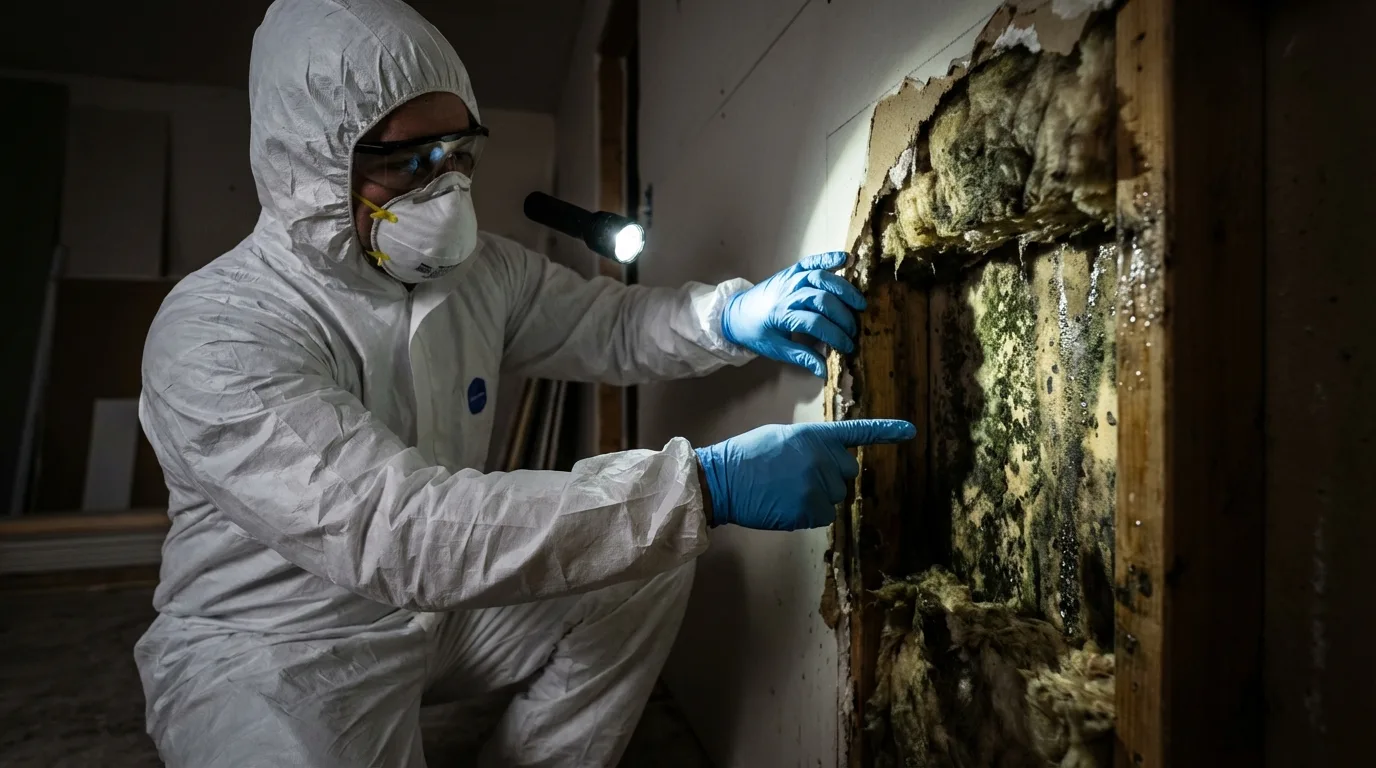
Opening walls during restoration frequently reveals water damage, mold, or structural issues that weren't visible before.
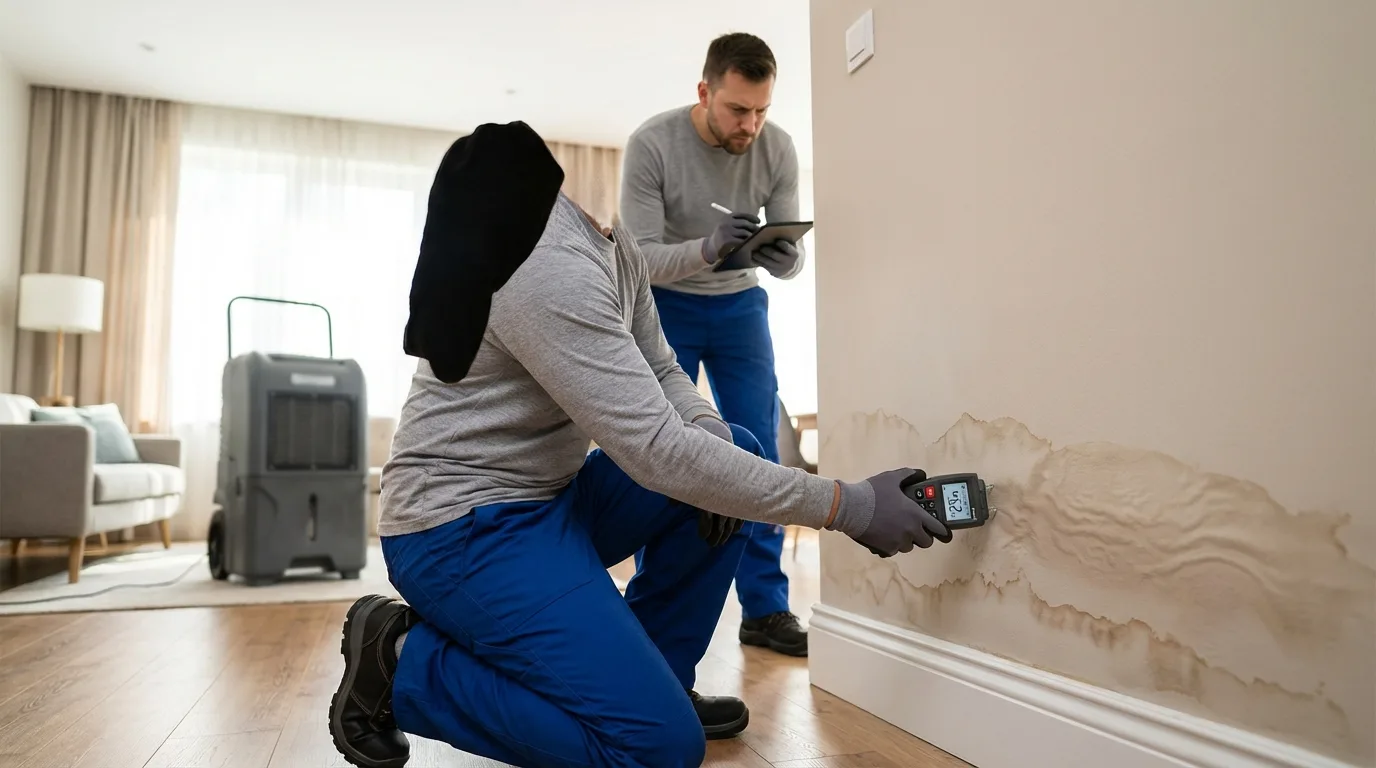
Moisture readings and photos at the moment of discovery create the evidence that gets supplements approved.
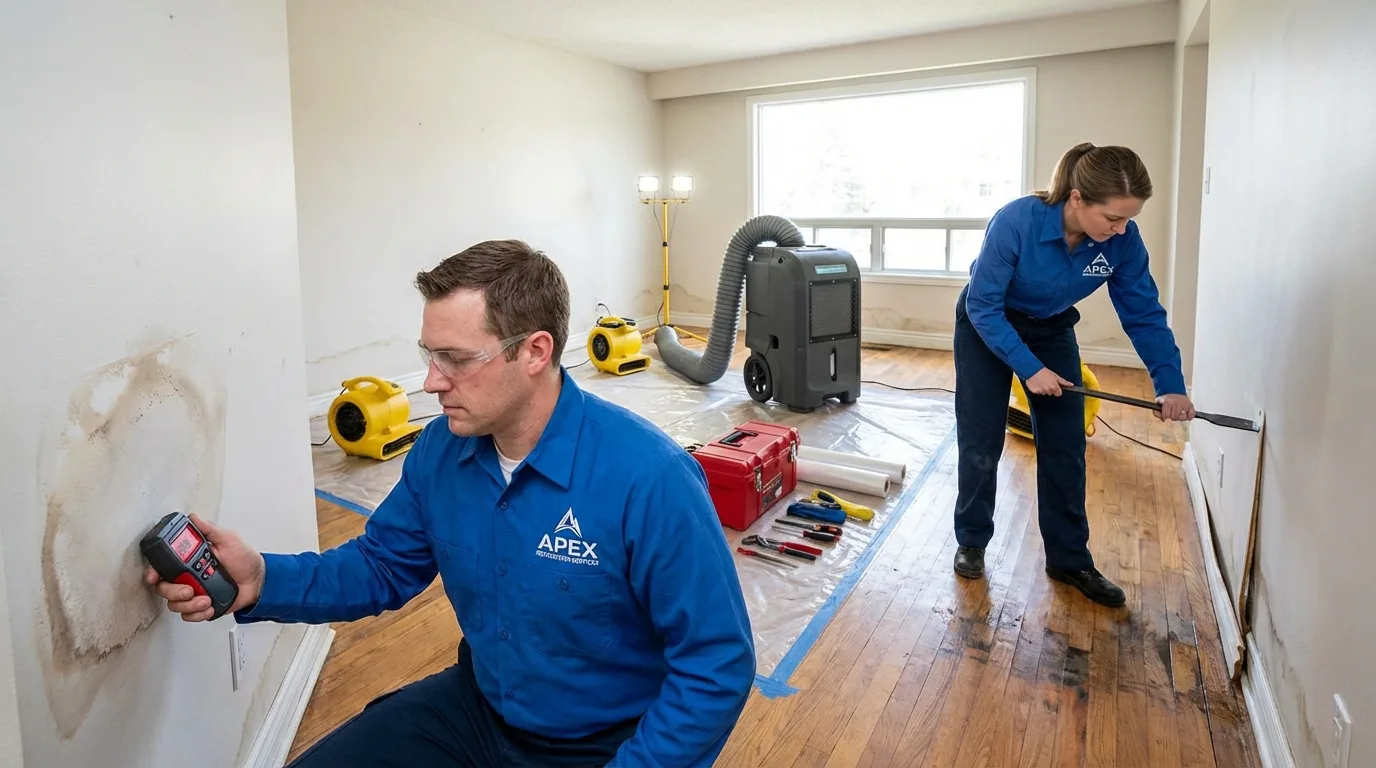
Opening walls and removing flooring frequently reveals water damage, mold, or structural issues that were invisible during the initial inspection. This is when supplements are initiated.

The supplement adds new Xactimate line items with supporting photos and moisture data. Well-documented supplements are typically approved quickly by adjusters.
Step-by-Step
Understanding each step gives you leverage and helps prevent common problems.
During demolition or repair, the crew finds water behind walls, <a href="/blog/mold-remediation-cost-2026">mold under flooring</a>, structural damage, or other concealed issues.
The team photographs the damage, takes moisture readings, and notes the conditions. This evidence is time-sensitive.
A revised Xactimate estimate adds the new line items with supporting photos and data.
The supplement is sent to the adjuster. They may re-inspect or approve based on documentation. Once approved, additional funds are released.
South Florida
FL's AOB ban means supplement submissions may require your authorization. We prepare everything and walk you through the approval.
Charlotte / NC
NC adjusters are generally responsive to well-documented supplements. The process is straightforward with proper evidence.
Coastal SC
Storm damage supplements are common when initial inspections miss secondary water intrusion from wind-driven rain.
Common Questions
Yes — supplements are filed in the majority of significant restoration projects. Initial estimates are based on visible damage only. When demolition begins and walls are opened, hidden damage is almost always found: water behind drywall, mold under flooring, structural damage concealed by finishes. Supplements adjust the claim to cover the full scope of work.
Well-documented supplements with clear photos, moisture readings, and proper Xactimate line items are typically approved within 5-10 business days. Poorly documented supplements or those with scope disagreements may take longer and require adjuster re-inspection. The quality of documentation directly determines approval speed.
No. Supplements reflect legitimate hidden damage discovered during work — damage that was physically impossible to see during the initial inspection. Reputable contractors document the discovery with timestamped photos and moisture readings, submit the evidence to the adjuster, and wait for approval before proceeding with additional work. This transparency protects both you and the contractor.
In Florida, under the post-AOB framework, you may need to formally authorize supplemental requests since you retain control of your claim. Your contractor prepares all documentation and walks you through what was discovered and why additional work is needed. In other states, the process varies — your contractor will explain your specific authorization requirements.
If a supplement is denied, the contractor can provide additional documentation, request re-inspection, or escalate through the standard dispute resolution process. Common reasons for denial include insufficient evidence (fixable with better documentation) or scope disagreements (resolvable through negotiation). Denied supplements rarely end the conversation — they start a more focused documentation effort.
Continue Reading
Our team navigates insurance claims daily. Call for guidance on documentation, adjuster coordination, or claim disputes.