Step 1
Be present for every adjuster inspection
You know your home better than anyone. Point out all damage, including areas that may not be obvious. Have your contractor there too.
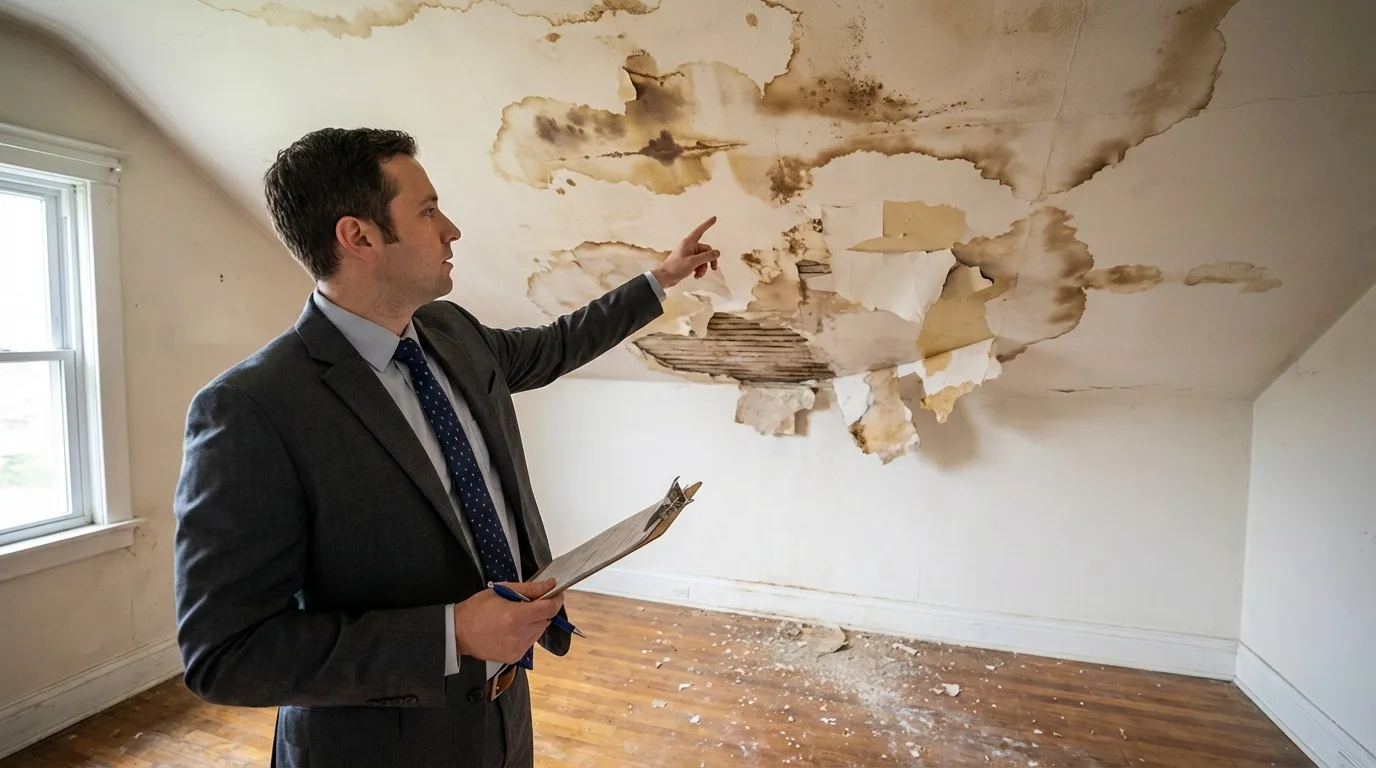
Adjuster Guide
The adjuster inspection is the most important meeting of your claim. Knowing who they represent, how to prepare, and what to point out ensures nothing is missed in their scope of loss estimate.
Key Steps
Step 1
You know your home better than anyone. Point out all damage, including areas that may not be obvious. Have your contractor there too.
Step 2
Staff and independent adjusters represent the insurance company. They're not your advocate. Be cooperative but verify everything they document.
Step 3
Don't let the adjuster rush. Systematically walk every room and area. Open closets, check under sinks, look in attics and crawl spaces.
Step 4
Business card, email, direct phone. You'll need to follow up on scope questions, missing items, and supplement requests.
Always have your restoration contractor present during the adjuster inspection
Staff and independent adjusters work for the insurer — a public adjuster works for you
Compare the adjuster's Xactimate estimate line by line with your contractor's
Scope disagreements are resolved through supplements, appraisal, or negotiation
Good documentation from your contractor builds trust with adjusters and speeds approvals
In-Depth Guide
The adjuster inspection is the single most important event in your insurance claim because it determines the scope of loss — the official list of damage and corresponding repair costs that becomes the basis for your settlement. An adjuster who misses damage during their inspection does not include it in the estimate, and items not in the estimate are not paid. This is why preparation, presence, and professional support during the adjuster visit are not optional — they are essential to fair claim outcomes.
Understanding adjuster motivations and constraints helps you approach the inspection productively. Staff and independent adjusters are not adversaries, but they do represent the insurance company and work within its guidelines. They evaluate hundreds of claims and typically spend limited time at each property. They rely heavily on what they can see and measure during their visit. Your job is to make their job easier by ensuring they see everything — walking them through concealed areas, pointing out damage behind furniture, opening closet doors, and providing professional documentation (moisture maps, thermal images, contractor assessments) that supports the full scope of damage.
The post-inspection estimate review is equally critical. When the adjuster's Xactimate estimate arrives, compare it line by line with your restoration contractor's estimate. Look for missing rooms, omitted line items, reduced quantities, and unit price discrepancies. Many initial estimates undercount affected areas or omit items like general conditions, equipment charges, or code upgrade requirements. These omissions are addressed through the supplement process — your contractor documents the missing items with evidence and submits a revised estimate. This is standard practice and expected by most adjusters, not a confrontational act.
Visual Reference
Real-world examples of the documentation, coordination, and processes involved in insurance claims.

Be present, be thorough, and have your contractor there to point out damage the adjuster might miss.

Compare the adjuster's Xactimate estimate line by line with your contractor's to catch omissions.
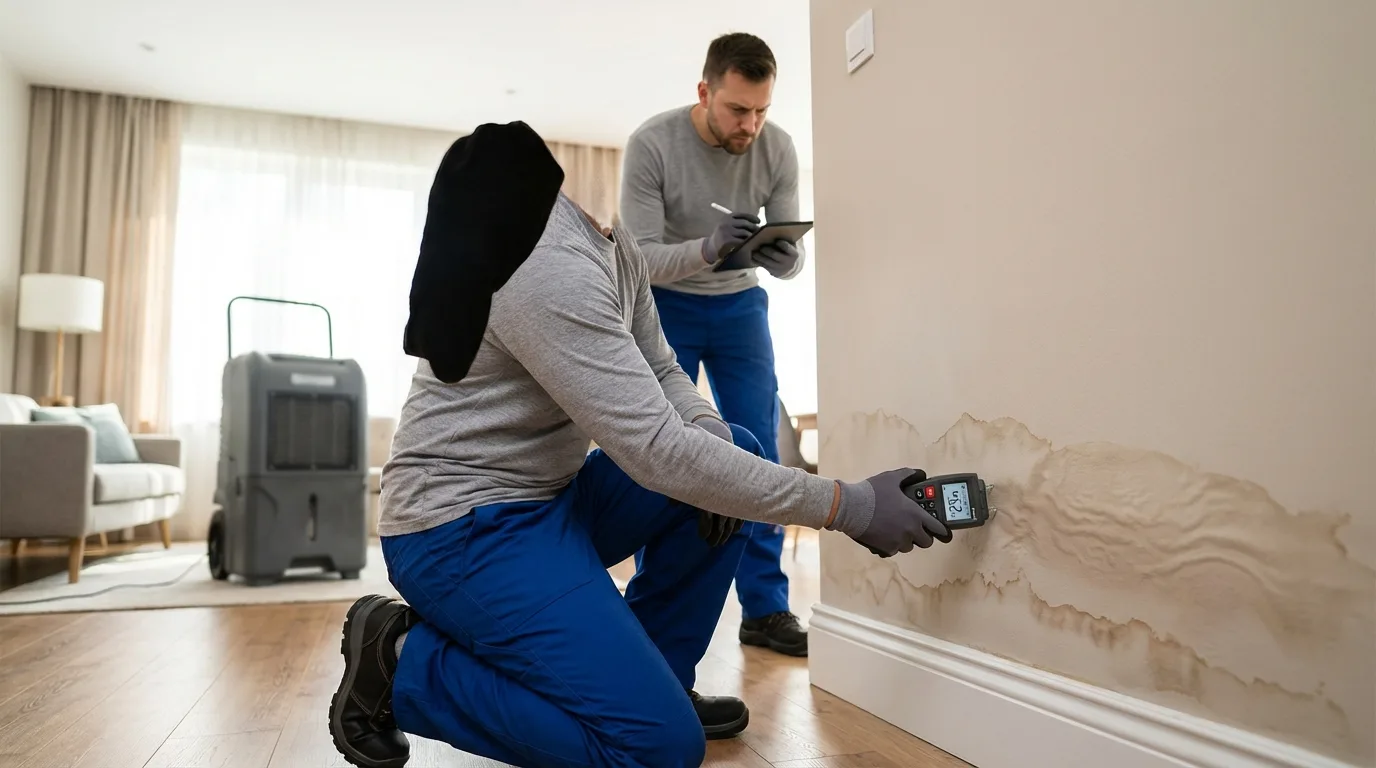
Moisture meter readings and thermal imaging provide objective evidence that supports your contractor's scope of work. Adjusters rely on this technical data when approving estimates.
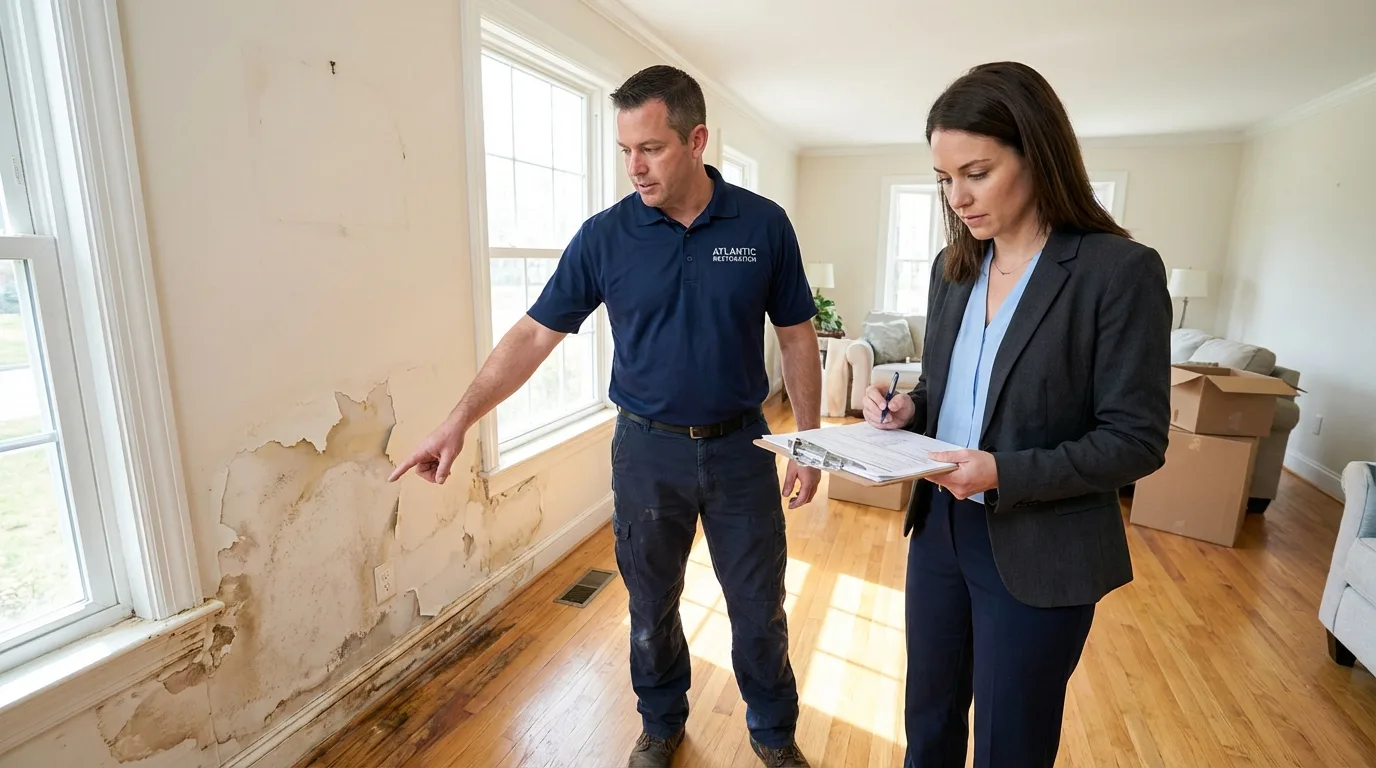
Having your restoration contractor present during the adjuster inspection ensures nothing is missed. The contractor can point out hidden damage areas and explain technical restoration requirements.
Step-by-Step
Understanding each step gives you leverage and helps prevent common problems.
Compile all photos, receipts, and a list of damage areas. Brief your contractor on what you've observed.
You, the adjuster, and your contractor systematically inspect every affected area. Point out hidden damage.
When the adjuster's Xactimate arrives, compare to your contractor's line by line. Note discrepancies.
If items are omitted, your contractor documents them and submits a supplemental estimate with evidence.
South Florida
After hurricanes, independent adjusters from other states may not know FL building code requirements. Your local contractor fills this knowledge gap.
Charlotte / NC
NC adjusters tend to be responsive and straightforward. Market is less contentious than FL, but you should still verify the scope thoroughly.
Coastal SC
Wind pool claims may have different adjuster processes. Know whether your claim goes through the SC Wind Pool or your private carrier.
Common Questions
Staff adjusters are full-time employees of the insurance company. Independent adjusters are contractors hired by insurers, often during high-volume events like hurricanes. Both represent the insurance company — not you. Public adjusters are licensed professionals who work exclusively for the policyholder, typically on a percentage-fee basis. Understanding who the adjuster represents helps you approach the inspection appropriately.
Absolutely. Your restoration contractor provides technical expertise that helps ensure the adjuster's scope is complete. Contractors can point out hidden damage, explain why specific demolition or drying is necessary, and provide professional context for their estimate. Adjusters who see a qualified contractor's documentation tend to write more complete scopes.
Do not panic or accept it immediately. Compare the adjuster's Xactimate estimate line by line with your contractor's. Identify specific items that are missing or underpriced. Your contractor then prepares a supplement with documentation — photos, moisture readings, code requirements — that supports the additional scope. Most scope disagreements are resolved through this supplement process.
Yes. If you believe the adjuster is not thoroughly evaluating your damage, you can request a re-inspection or a different adjuster through your insurance company. Document specific concerns — areas not inspected, damage not photographed, or items dismissed without explanation. A formal written request citing specific issues is more effective than a phone complaint.
Before the inspection: compile all photos and video documentation, list every damaged area you have identified, note any hidden damage areas (behind furniture, in closets, attic, crawl space), have your contractor's preliminary estimate ready, and prepare a written list of questions. During the inspection: walk every room systematically, point out all damage, and take notes on what the adjuster documents.
Continue Reading
Our team meets adjusters on-site, prepares Xactimate-compatible estimates, and files supplements when scope is understated. We work directly with insurers.