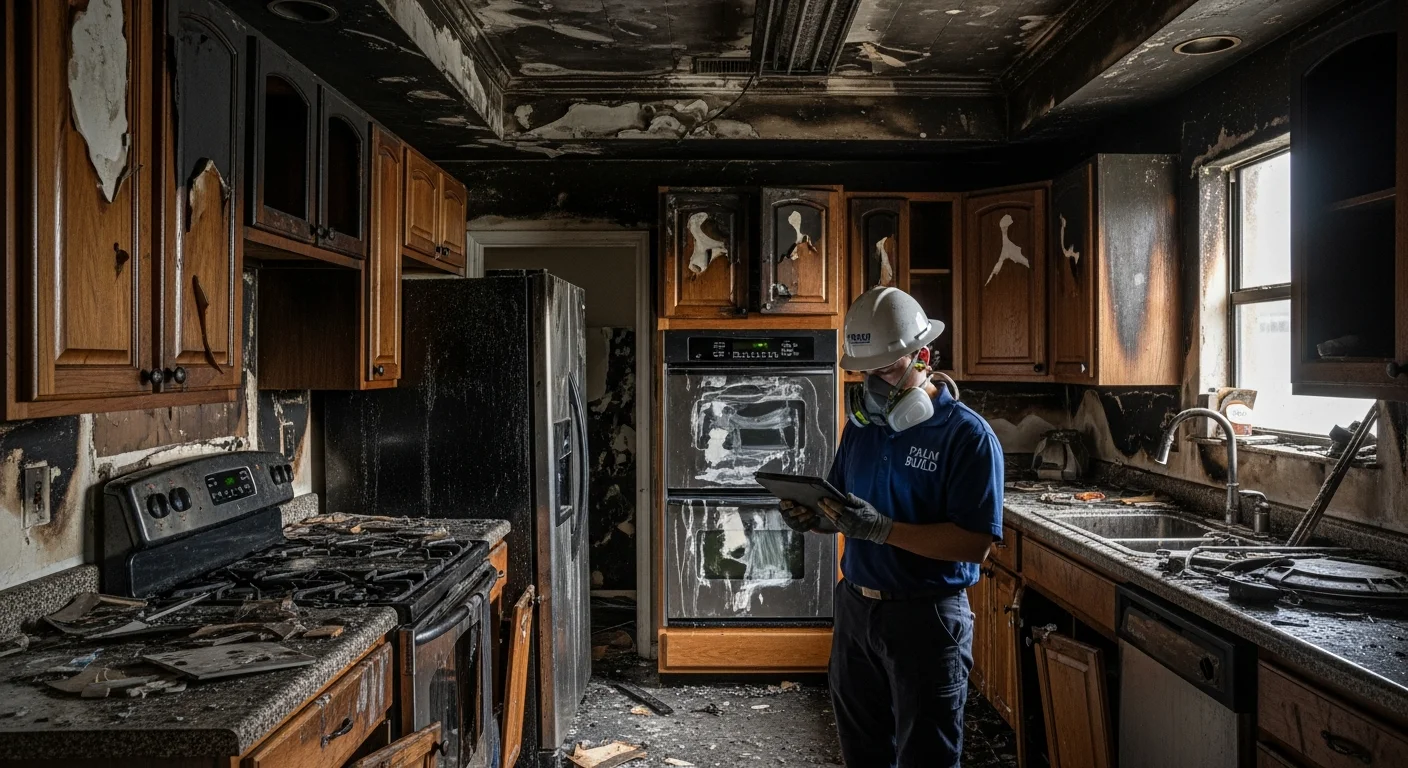
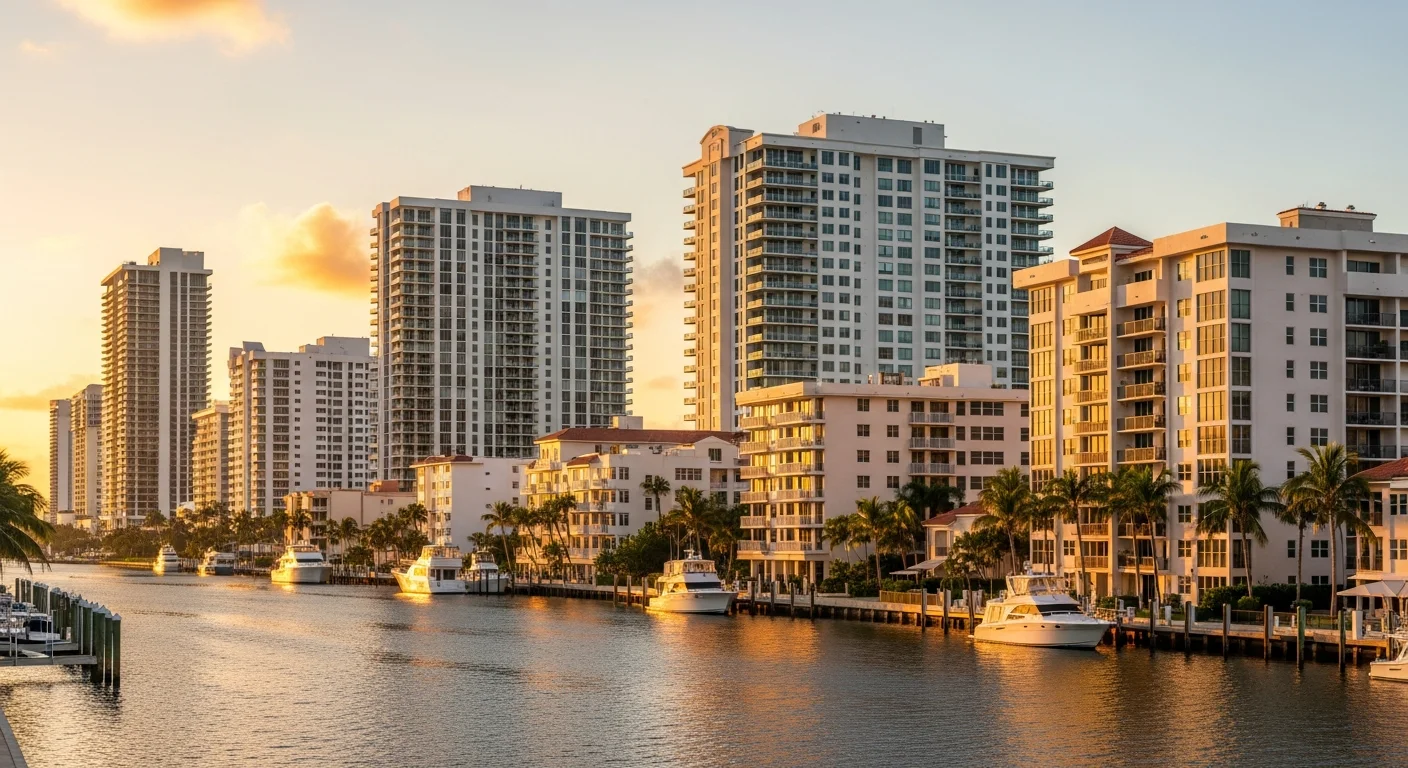
From Hollywood Beach's high-rise condos to Hollywood Hills' 1960s-era ranch homes, Palm Build's IICRC-certified team handles structural fire damage, soot removal, smoke odor elimination, and full reconstruction — with insurance coordination from the first call.
Deerfield Beach Office — 15 mi from Hollywood 45-60 min Response IICRC Certified
Why Hollywood Homes Face Unique Fire & Smoke Risks
Hollywood's housing stock spans from 1960s ranch-style homes in Hollywood Hills with
aging electrical to oceanfront high-rise condos on Hollywood Beach with 8+ stories
of shared-wall density. Legacy electrical systems never designed for modern loads,
dense condo construction where smoke migrates through shared HVAC systems, and
kitchen fires that spread through open floor plans create a combination of fire risk
factors that demand specialized restoration knowledge.
Aging Electrical in 1960s-Era Homes
Critical
Hollywood Hills, Emerald Hills, and North Central Hollywood were largely built during the 1960s-70s with 100-amp electrical panels designed for window AC units and basic appliances. These panels now power central AC systems running 12 months per year, pool pumps, modern kitchen appliances, and home offices — loads that routinely exceed original panel capacity. Federal Pacific and Zinsco panels, known for failure to trip during overload, remain common in Hollywood's older housing stock. Decades of added circuits, DIY modifications, and deferred maintenance have created invisible fire hazards throughout these neighborhoods.
Hollywood Beach Condo Density
Critical
Hollywood Beach's A1A corridor contains dozens of high-rise and mid-rise condo buildings, many built in the 1970s-80s. Shared HVAC plenums distribute smoke across multiple units within minutes. Elevator shafts act as vertical smoke highways. Older buildings may lack adequate fire stopping between units. A single kitchen fire can require smoke remediation in 6-12 adjacent units. In high-rises, water from fire suppression cascades down through floors, causing water damage multiple stories below the fire origin. Association coordination, elevator scheduling, and after-hours noise restrictions add complexity to every condo fire restoration project.
Kitchen Fires: Hollywood's #1 Cause
High
Kitchen fires are the leading cause of residential fires in Hollywood. Unattended cooking, deep frying, and grease buildup are the primary ignition sources. Protein soot from cooking fires is nearly invisible but extremely pungent and bonds chemically to surfaces. Hollywood's open-concept floor plans — common in both renovated ranch homes and modern condos — allow kitchen smoke and soot to spread rapidly across the entire living space before anyone realizes the scope. The year-round use of AC means soot enters the HVAC system and distributes to every room within hours.
Dryer Vent Fires in Multifamily Housing
High
Hollywood's condo and apartment buildings are particularly vulnerable to dryer vent fires. Long, shared vent runs through walls and ceilings accumulate lint that restricts airflow and creates fire conditions. Many older Hollywood Beach buildings have dryer vents routed horizontally through multiple units — when lint ignites, fire travels through the vent system and smoke enters adjacent units through shared walls. Regular maintenance is often deferred in rental units and seasonal residences.
Candle & Space Heater Incidents
Moderate
While Hollywood's climate rarely demands heating, brief cold snaps in January and February drive residents to portable space heaters — placed too close to curtains, bedding, and furniture in homes without central heat. Candle and incense use year-round adds another ignition source, particularly in older homes with flammable decorative materials. The combination of unfamiliar heating equipment and aging 1960s wiring creates a brief but dangerous seasonal fire spike.
Palm Build's IICRC-certified team responds to fire and smoke damage across all
Hollywood neighborhoods from our Deerfield Beach operations center
Hollywood Fire Risk at a Glance
Aging 1960s electrical in Hollywood Hills & Emerald Hills homes
High-rise condos on Hollywood Beach with shared walls and HVAC
Kitchen fires are #1 cause — open floor plans accelerate spread
Soot penetrates HVAC ductwork running year-round
Smoke odor trapped in humid environment is harder to eliminate
Types of Damage
Understanding Fire Damage in Hollywood Homes
Fire damage is never just about what burned. Smoke, soot, water from suppression, and
electrical damage often cause more destruction than the flames themselves. Each type of
damage requires specialized restoration techniques — especially in Hollywood's humid
climate where secondary damage accelerates rapidly.
Structural Fire Damage
Direct flame contact chars and weakens structural components — roof trusses, wall framing, load-bearing elements. In Hollywood's slab-on-grade construction, fire damage is concentrated on walls, ceilings, and roof systems rather than foundations. Older 1960s-era homes with original wood framing and limited fire blocking between wall cavities allow fire to spread rapidly through wall and attic spaces. Professional structural engineering assessment determines what can be salvaged versus what requires replacement.
Smoke & Soot Contamination
Smoke travels far beyond visible fire damage, contaminating rooms and entire floors that never saw flames. In Hollywood homes running AC year-round, soot particles enter the HVAC system within minutes and distribute to every room. Protein soot from kitchen fires is nearly invisible but causes severe odor. Synthetic soot from burning plastics and electronics is sticky, corrosive, and bonds to surfaces. Each type requires different cleaning methods and chemical agents.
Water Damage from Fire Suppression
Fire suppression often causes more water damage than the fire itself. A single fire hose delivers 150-250 gallons per minute. In Hollywood's multi-story condos, water cascades down through floor assemblies, saturating units below the fire origin. Sprinkler activation in commercial and newer residential buildings adds additional water volume. All fire restoration projects require concurrent water extraction and structural drying to prevent secondary mold growth — critical in Hollywood's 70-80% humidity.
Electrical System Damage
Fire damage to electrical systems in Hollywood's 1960s-era homes often reveals pre-existing hazards — undersized panels, aluminum wiring, double-tapped breakers, and missing GFCI protection. Even minor fires may require complete panel replacement and rewiring in affected areas to meet current code. In condo buildings, fire damage to one unit's electrical may affect shared circuits and common area systems, requiring coordination between the unit owner's contractor and the association's electrician.
Contents & Personal Property Damage
Smoke, soot, and water damage affect personal property throughout the home — electronics, clothing, furniture, documents, and irreplaceable items. Professional contents restoration can salvage many items that appear destroyed. Electronics require specialized cleaning to prevent corrosion from acidic soot residue. Textiles absorb smoke odor at the fiber level and require ozone or hydroxyl treatment. Palm Build inventories, documents, and coordinates contents restoration as part of every fire project.
IICRC Certified Process
Our Hollywood FL Fire Restoration Process
From emergency board-up to final paint touch, here is exactly what happens when Palm
Build responds to fire damage at your Hollywood property.
01
Emergency Response
45-60 min
02
Damage Assessment
Day 1
03
Water Extraction & Drying
Days 1-3
04
Soot & Smoke Removal
Days 2-7
05
Odor Elimination
Days 5-10
06
Reconstruction & Restoration
Weeks 2-12+
01
Emergency Response
45-60 min
Board-up, tarping, and immediate hazard mitigation. We secure the property to prevent further damage from weather, unauthorized entry, and structural instability. In Hollywood condos, we coordinate with building management for access and security protocols.
02
Damage Assessment
Day 1
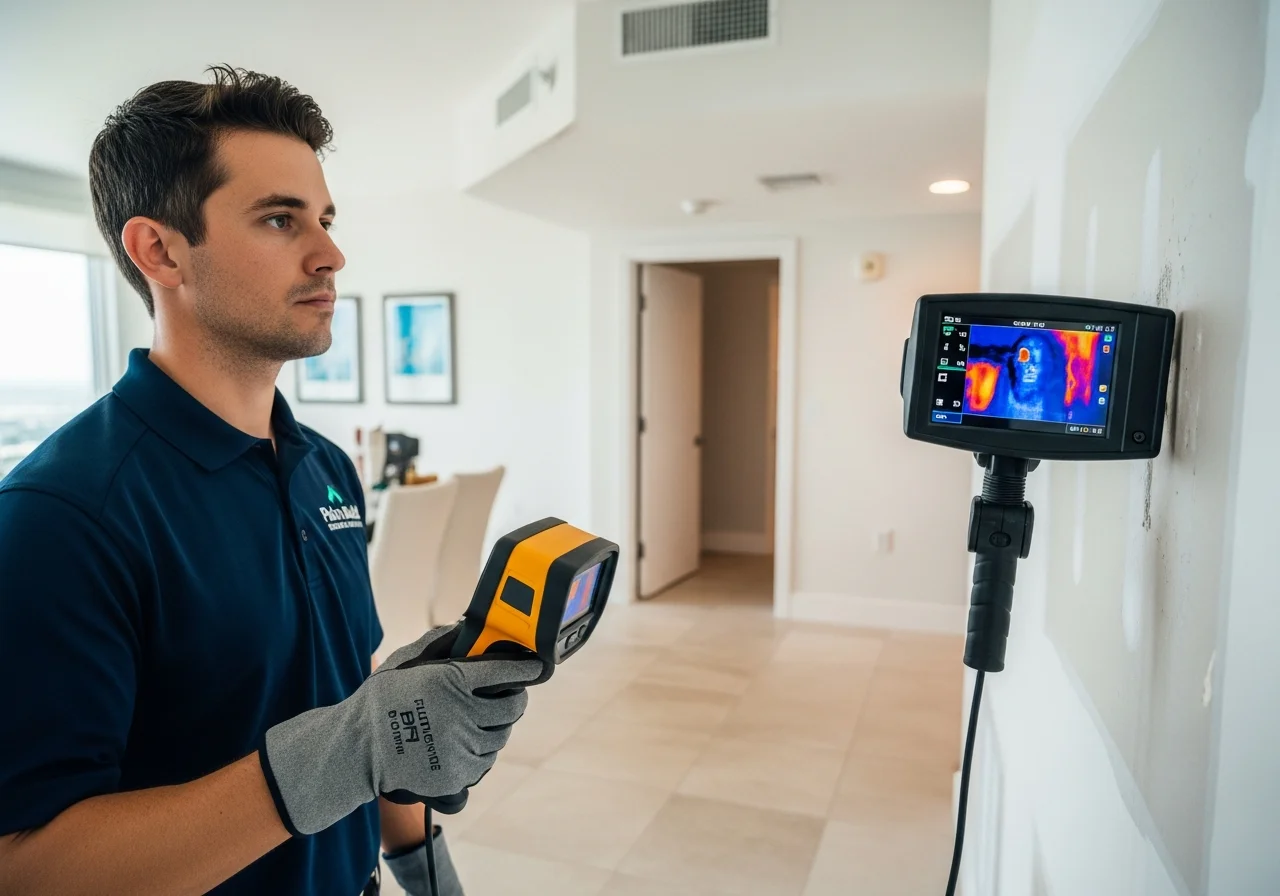
Comprehensive documentation of all fire, smoke, soot, and water damage. Thermal imaging identifies hidden hot spots in wall cavities and attic spaces. We classify soot type (protein, synthetic, natural) to determine proper cleaning methods. Insurance documentation begins immediately — photos, moisture readings, and scope details formatted for your adjuster.
03
Water Extraction & Drying
Days 1-3
Fire suppression water is extracted immediately to prevent secondary mold growth — critical in Hollywood's 70-80% humidity. Structural drying with commercial dehumidifiers and air movers targets wall cavities, subfloors, and ceiling assemblies. In multi-story condos, we trace water migration paths to units below and begin extraction there simultaneously.
04
Soot & Smoke Removal
Days 2-7
Professional soot removal using method-specific techniques: dry sponge cleaning for dry soot, wet cleaning for protein residue, and media blasting for heavy char. HEPA vacuuming captures loose particulate. All HVAC ductwork is cleaned and sanitized — mandatory in Hollywood where AC runs year-round and would otherwise distribute soot indefinitely.
05
Odor Elimination
Days 5-10
Smoke odor elimination using thermal fogging, ozone treatment, and hydroxyl generation matched to the fire type and affected materials. Hollywood's high humidity requires 2-3 additional treatment cycles versus dry climates — moisture traps and re-releases odor compounds. We verify with 48-hour sealed tests after each cycle before signing off.
06
Reconstruction & Restoration
Weeks 2-12+
Full structural repair and finish restoration — drywall, paint, flooring, trim, cabinetry, fixtures. We match existing finishes and materials. For Hollywood homes, this includes hurricane-impact window replacement if damaged, updated electrical to current code, and coordination with city building permits. Condo projects require association architectural review.
Odor Elimination
Smoke Odor Challenges in Hollywood's Humid Climate
Smoke odor is the most persistent aspect of fire damage — and Hollywood's 70-80%
year-round humidity makes it significantly harder to eliminate than in drier climates.
Masking products do not eliminate smoke odor. Professional odor elimination requires
treating the source at the molecular level using methods matched to the specific fire
type and the materials in your home.
Thermal Fogging
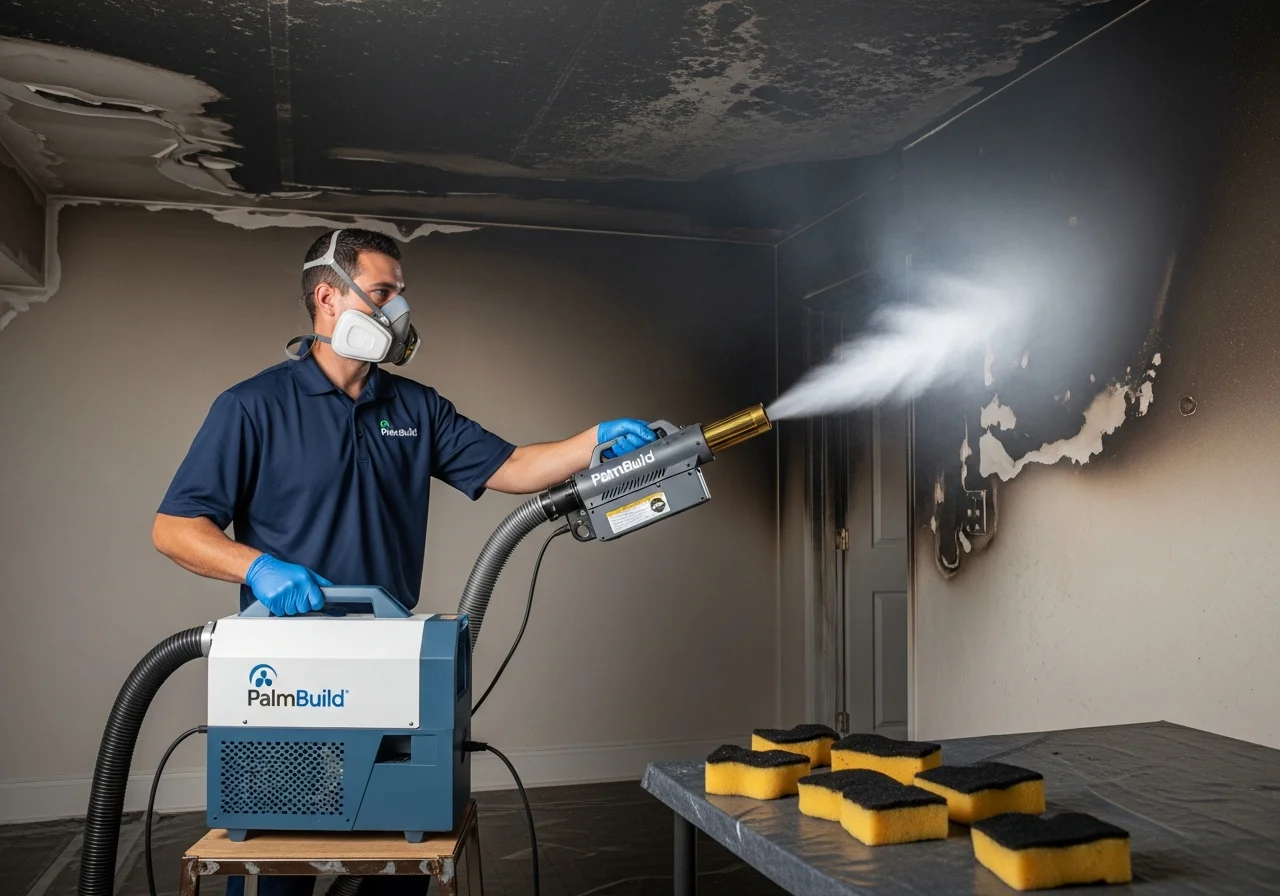
Heated deodorizing agents are converted into a fog that penetrates materials the same way smoke did — through microscopic pores, cracks, and cavities. This is highly effective for Hollywood homes where smoke becomes trapped in wall cavities and porous interior finishes. The fogging agent chemically neutralizes odor molecules rather than masking them. Hollywood's 70-80% humidity demands more treatment cycles than dry climates — moisture traps and continuously re-releases odor compounds between treatments.
Best for: Wall cavities, porous finishes, deep penetration in residential construction
Ozone Treatment
Ozone generators create O3 — a highly reactive oxygen molecule that breaks down odor compounds at the molecular level. Ozone treatment is extremely effective but requires the space to be completely unoccupied (including plants and pets) during treatment. We use ozone for sealed, evacuated spaces like closets, interior rooms, and enclosed areas where concentrated treatment reaches maximum effectiveness. In Hollywood condos, ozone is effective for treating individual units with sealed boundaries between floors.
Best for: Sealed spaces, condo units, heavy odor concentration areas
Hydroxyl Generation
Hydroxyl generators produce hydroxyl radicals — the same molecules that naturally purify outdoor air via sunlight — to break down odor compounds. Unlike ozone, hydroxyl treatment is safe for occupied spaces. We deploy these in areas where occupants or workers need to be present, and as continuous treatment during the multi-day cleaning process. Essential for Hollywood condo projects where adjacent units remain occupied during restoration work.
Best for: Occupied spaces, condo buildings, ongoing treatment during active restoration
HVAC Duct Cleaning & Sanitization
Hollywood homes run air conditioning year-round — meaning smoke and soot particles are drawn into the HVAC system and distributed to every room within hours of a fire. The ductwork becomes a smoke distribution network that continues circulating contamination with every cooling cycle. In Hollywood's condo buildings with shared HVAC plenums, smoke travels through the system to units that never had direct fire exposure. Complete duct cleaning, coil sanitization, and filter replacement are mandatory steps — skipping this means odor returns within days.
Best for: All Hollywood fire restorations — year-round AC operation makes this mandatory
Hollywood humidity factor: Expect 2-3 additional
odor treatment cycles compared to dry-climate restoration projects. Our verification process
includes 48-hour sealed tests after each treatment cycle to confirm odor elimination before
signing off — because in this humidity, odor that seems resolved can resurface when moisture
levels shift.
Condo Fire Restoration
Condo Fire Challenges Unique to Hollywood
Hollywood Beach's A1A corridor and Intracoastal communities contain some of Broward
County's highest-density condo development. When fire starts in one unit, smoke reaches
neighboring units in minutes through shared building systems — each requiring different
remediation approaches and insurance coordination.
Hollywood's dense condo communities along the Intracoastal represent the highest
multi-unit fire spread risk
Many Hollywood Beach condo buildings share HVAC plenums between units. When fire breaks out, smoke particles are immediately drawn into the HVAC return and distributed to every connected unit — often contaminating 6-12 units from a single kitchen fire. If the system isn't shut down within minutes, smoke infiltrates ductwork throughout the building, requiring complete duct cleaning in every affected unit. In high-rise buildings, the AC runs year-round, meaning contaminated ductwork continues distributing soot and odor with every cooling cycle.
Elevator Shafts & Vertical Migration
Elevator shafts in Hollywood Beach's high-rise condos act as vertical smoke highways. The chimney effect draws smoke upward through the shaft, contaminating every floor above the fire. Stairwell pressurization systems in older buildings may be inadequate or non-functional, allowing smoke to enter every stair landing and adjacent hallways. Water from fire suppression cascades down through floor assemblies to units below, creating combined fire and water damage across multiple floors.
Association Coordination & Access
Hollywood condo fire restoration requires navigating association rules that can delay or complicate restoration work. Elevator scheduling for equipment transport, after-hours noise restrictions that limit demolition and reconstruction timelines, security protocols for crew access, common area damage documentation, and architectural review requirements for finish restoration. Palm Build has experience working with Hollywood condo associations and understands Florida's condominium act requirements.
Multi-Party Insurance Complexity
Condo fire damage in Hollywood triggers one of Florida's most complex insurance scenarios. Your HO-6 unit-owner policy covers interior improvements and contents. The HOA master policy covers common elements and structural components. Adjacent units damaged by smoke from your fire file claims against their own policies — but may subrogate against yours. Palm Build coordinates documentation for all parties simultaneously, ensuring nothing falls through the gaps between coverage layers.
Palm Build's Multi-Unit Condo Response
We deploy separate teams to the fire-origin unit and smoke-affected units
simultaneously. The origin unit gets full structural fire restoration. Adjacent units
get soot testing, surface cleaning, HVAC duct sanitation, and odor treatment — all
documented separately for each unit owner's and the HOA's insurance claims. Our South
Florida team understands Hollywood's condo association management structures and
Florida condominium act compliance requirements.
Fire damage is one of the most comprehensively covered perils under Florida homeowners
policies. Unlike mold or water damage, fire coverage rarely has sublimits or exclusions.
The key to maximizing your claim is thorough, immediate documentation — which Palm Build
begins from the first call.
Structural Repair
Full cost to repair or replace fire-damaged structural elements, finishes, and fixtures. Covered under dwelling coverage (Coverage A) of your HO-3 or HO-6 policy.
Smoke & Soot Cleanup
Professional soot removal, surface cleaning, and odor elimination for all affected areas — including rooms with no direct fire damage. Covered as part of the fire loss.
Water Damage from Suppression
Water extraction and structural drying from fire hose, sprinkler, or bucket brigade damage. Covered as consequential damage from the covered fire event.
Contents Restoration
Repair or replacement of personal property damaged by fire, smoke, soot, or water. Covered under personal property coverage (Coverage C). Document everything with photos before cleanup.
Additional Living Expenses (ALE)
Temporary housing, meals, and other costs while your Hollywood home is uninhabitable during restoration. Covered under Coverage D — typically 20-30% of dwelling coverage.
Debris Removal
Cost to remove fire-damaged materials and structural debris from the property. Covered as part of the fire loss claim, usually up to 5% of dwelling coverage.
Hollywood Condo Fire: HO-6 vs. Master Policy
If you live in a Hollywood condo, fire damage triggers two insurance policies
simultaneously. Your HO-6 unit-owner policy covers interior improvements, personal
property, and your share of any assessment. The HOA's master policy covers common
elements, the building structure, and shared systems. Palm Build documents damage
for both policies and coordinates with both adjusters to ensure complete coverage
with no gaps.
Hollywood FL Fire Restoration: Assessment to Completion
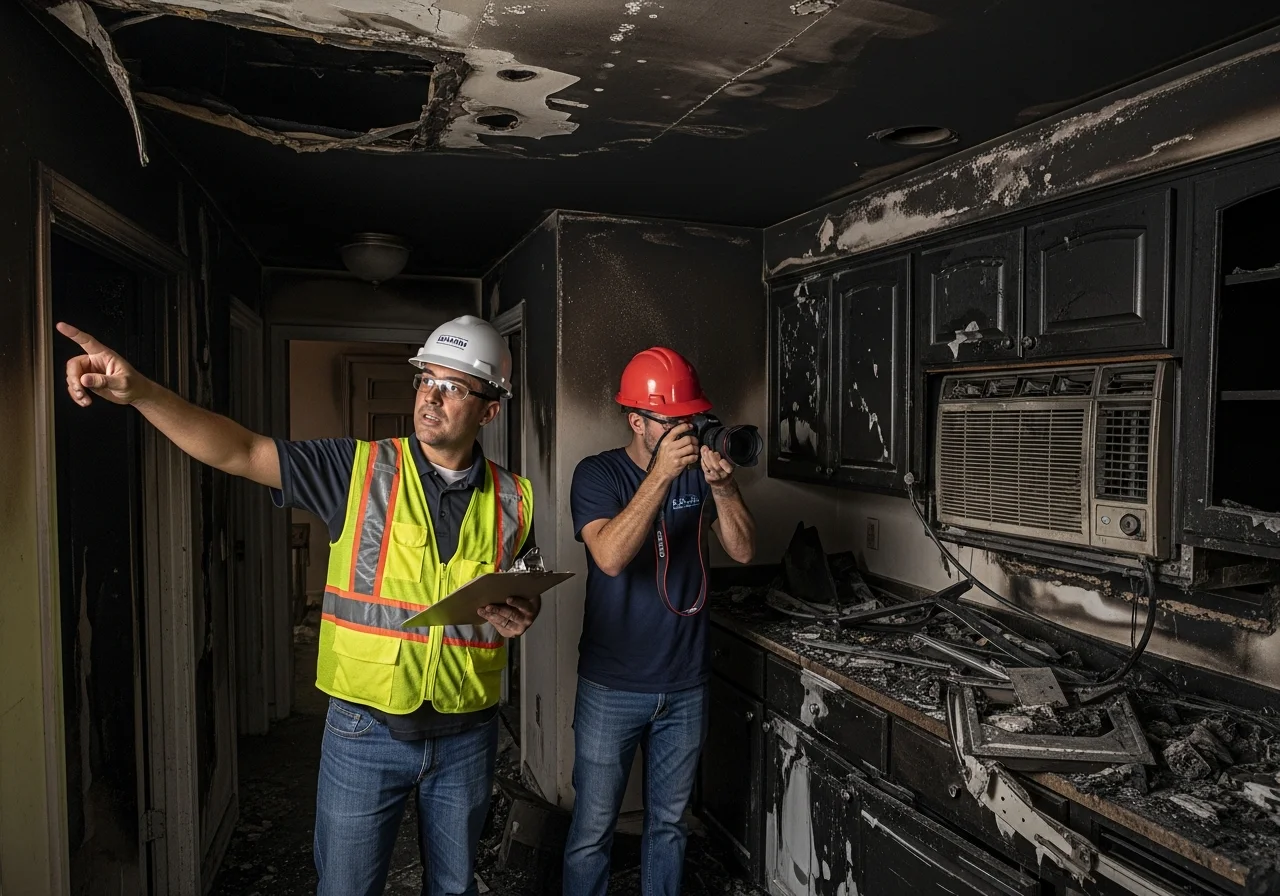
Professional fire damage assessment — thermal imaging and detailed documentation for insurance claims
Smoke and soot remediation — specialized cleaning methods matched to soot type for complete removal
Thermal imaging reveals hidden hot spots and moisture — critical for identifying the full scope of damage
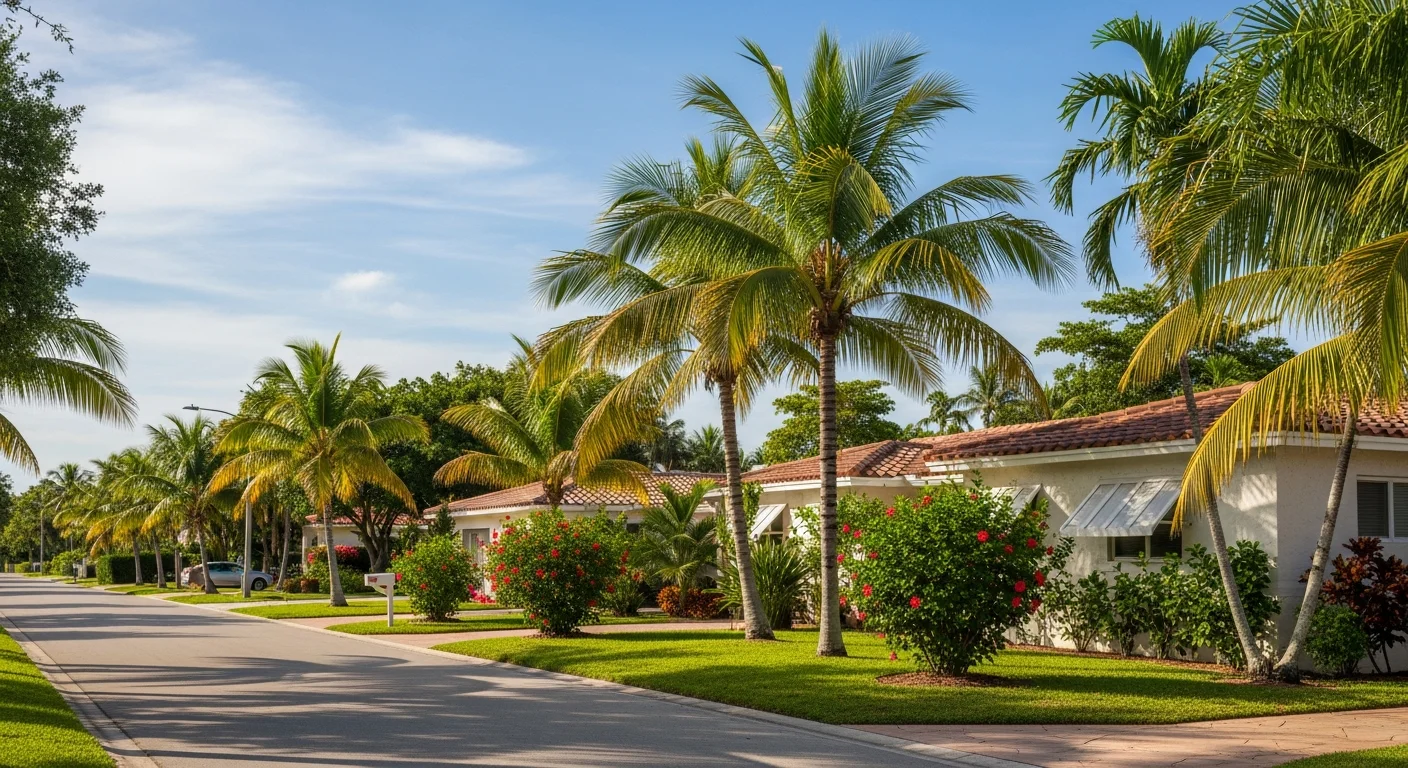
Hollywood Hills' 1960s-era homes — aging electrical and original construction require specialized fire restoration
The Palm Build Difference
Why Hollywood Homeowners Choose Palm Build for Fire Restoration
After a fire, you need a restoration team that responds fast, handles the full scope
from emergency cleanup through reconstruction, and manages insurance documentation so
you can focus on recovery. Palm Build delivers all three from our South Florida
operations center — 15 miles from Hollywood.
15 Miles from Hollywood
Palm Build's South Florida Operations Center is at 786 S Military Trail in Deerfield Beach — approximately 15 miles from Hollywood. We respond within 45-60 minutes for fire emergencies, with crews familiar with every Hollywood neighborhood from Hollywood Beach condos to Emerald Hills single-family homes.
24/7 Emergency Fire Response
Fire doesn't wait for business hours and neither do we. Our emergency line is staffed 24/7. We dispatch crews for emergency board-up, tarping, and soot stabilization to prevent secondary damage from accumulating while you focus on your family's immediate needs.
IICRC Fire & Smoke Certified
Every Palm Build crew lead carries current IICRC Fire and Smoke Restoration Technician (FSRT) certification. We classify soot types, match cleaning methods to materials, and follow documented restoration protocols that insurance carriers recognize and accept.
Full-Service: Cleanup Through Reconstruction
Most fire restoration companies handle either cleanup or reconstruction — not both. Palm Build provides the complete scope from emergency response through final finish restoration. One company, one point of contact, one insurance claim package. No handoff gaps where scope, documentation, or accountability falls through the cracks.
Insurance Documentation from Day 1
We begin insurance documentation during the emergency response — not after. Timestamped photos, moisture readings, soot classification, damage scope, and contents inventory formatted for your adjuster. For Hollywood condo owners, we document the HO-6 vs. master policy distinction and coordinate with both the unit owner's and HOA's carriers.
Condo & Multi-Unit Experience
Hollywood's dense condo construction requires restoration crews who understand multi-unit fire response — shared HVAC decontamination, cross-unit water migration, association coordination, elevator scheduling, and separate insurance documentation for each affected unit. Our South Florida team handles this routinely.
Common Questions
Hollywood FL Fire & Smoke Restoration FAQ
How quickly should fire damage restoration begin in Hollywood?
Immediately. Soot becomes increasingly acidic within hours and causes permanent etching on surfaces if not neutralized. Smoke odor penetrates deeper into materials with every passing day. Hollywood's high humidity accelerates soot corrosion on metal surfaces and electronics. Palm Build responds within 45-60 minutes from our Deerfield Beach office to begin emergency board-up, tarping, and soot stabilization.
Does homeowners insurance cover fire damage restoration in Hollywood FL?
Yes — fire damage is one of the most comprehensively covered perils under standard Florida homeowners policies (HO-3). Coverage typically includes structural repair, contents restoration, smoke and soot cleanup, temporary living expenses (ALE), and debris removal. For Hollywood condos, your HO-6 unit-owner policy covers interior improvements and contents, while the HOA master policy covers common elements.
Can smoke damage be cleaned without replacing everything?
Often yes. Professional smoke and soot cleaning can restore many materials that appear severely damaged. The key factors are the type of fire (protein, synthetic, wood), how long smoke had contact with surfaces, and whether soot has been sealed in by moisture or cleaning attempts. Palm Build's technicians assess salvageability before recommending replacement — saving you and your insurance carrier thousands.
How do you remove smoke odor permanently in Hollywood's humid climate?
Smoke odor elimination in Hollywood requires treating the source, not masking it. We use thermal fogging, ozone treatment, and hydroxyl generation depending on the fire type and materials affected. Hollywood's 70-80% year-round humidity makes odor elimination harder — moisture traps and re-releases odor compounds. Expect 2-3 additional treatment cycles compared to dry-climate projects. HVAC duct cleaning is mandatory since AC runs year-round.
What about water damage from firefighting in Hollywood?
Fire suppression often causes more water damage than the fire itself. A single fire hose delivers 150-250 gallons per minute. In Hollywood's multi-story condos, water from firefighting migrates down through floors to units below. Palm Build handles both fire and water damage simultaneously — we begin water extraction and structural drying while performing soot stabilization to prevent secondary mold growth.
How does condo fire restoration work in Hollywood?
Hollywood condo fire restoration requires coordination with the condo association, property management, and multiple insurance carriers. Your HO-6 policy covers your unit's interior; the HOA master policy covers common elements. Adjacent units affected by smoke may file claims against their own policies. Palm Build coordinates multi-unit response, manages elevator access for equipment, follows after-hours noise restrictions, and documents all affected areas for each party's insurance claim.
How long does fire damage restoration take in Hollywood?
Timeline depends on severity. Small kitchen fires with contained smoke may take 1-2 weeks. Moderate residential fires typically require 4-8 weeks. Major structural fires can take 3-6 months including full reconstruction. Condo fire projects in Hollywood often take longer due to association approval requirements, elevator scheduling, and multi-unit coordination.
What areas of Hollywood does Palm Build serve for fire restoration?
We serve all of Hollywood and surrounding Broward County including Hollywood Beach, Hollywood Hills, Emerald Hills, Hollywood Lakes, North Central Hollywood, Hillcrest, Driftwood, Liberia, Parkside, and surrounding communities. Our Deerfield Beach office is approximately 15 miles from Hollywood.
Trusted Vendors
Trusted local pros in Hollywood
Outside our restoration scope, these are the vetted, licensed contractors we trust
alongside our work. Personally evaluated, reference-checked, and recommended by Palm
Build.
Soot becomes permanently damaging within hours. Palm Build's team responds within 45-60 minutes from our Deerfield Beach office with emergency board-up, soot stabilization, and water extraction — plus insurance documentation from the first call.