888-245-5155
Call Now 24/7
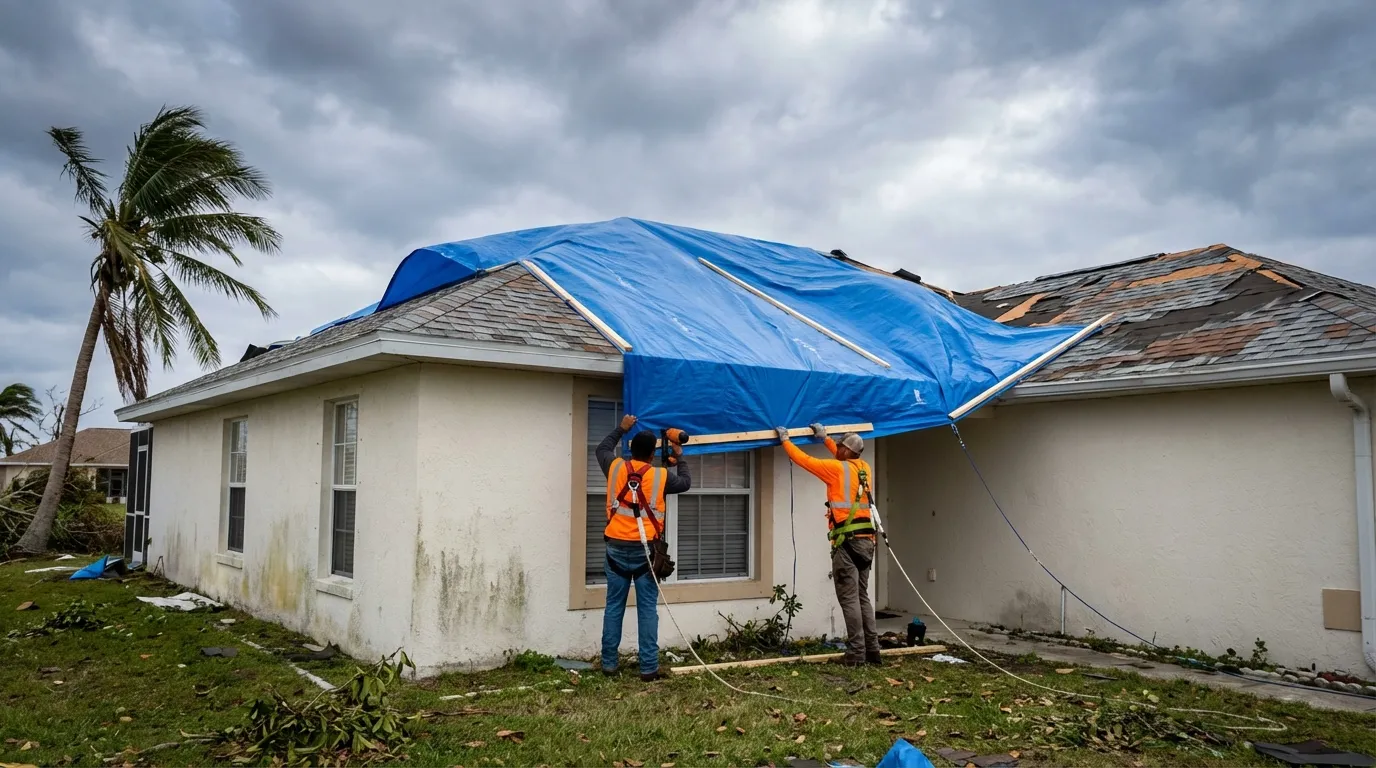
Professional crew installing emergency blue tarp on storm-damaged residential roof

Storm & Hurricane Damage Guide

Emergency Roof Tarping & Board-Up

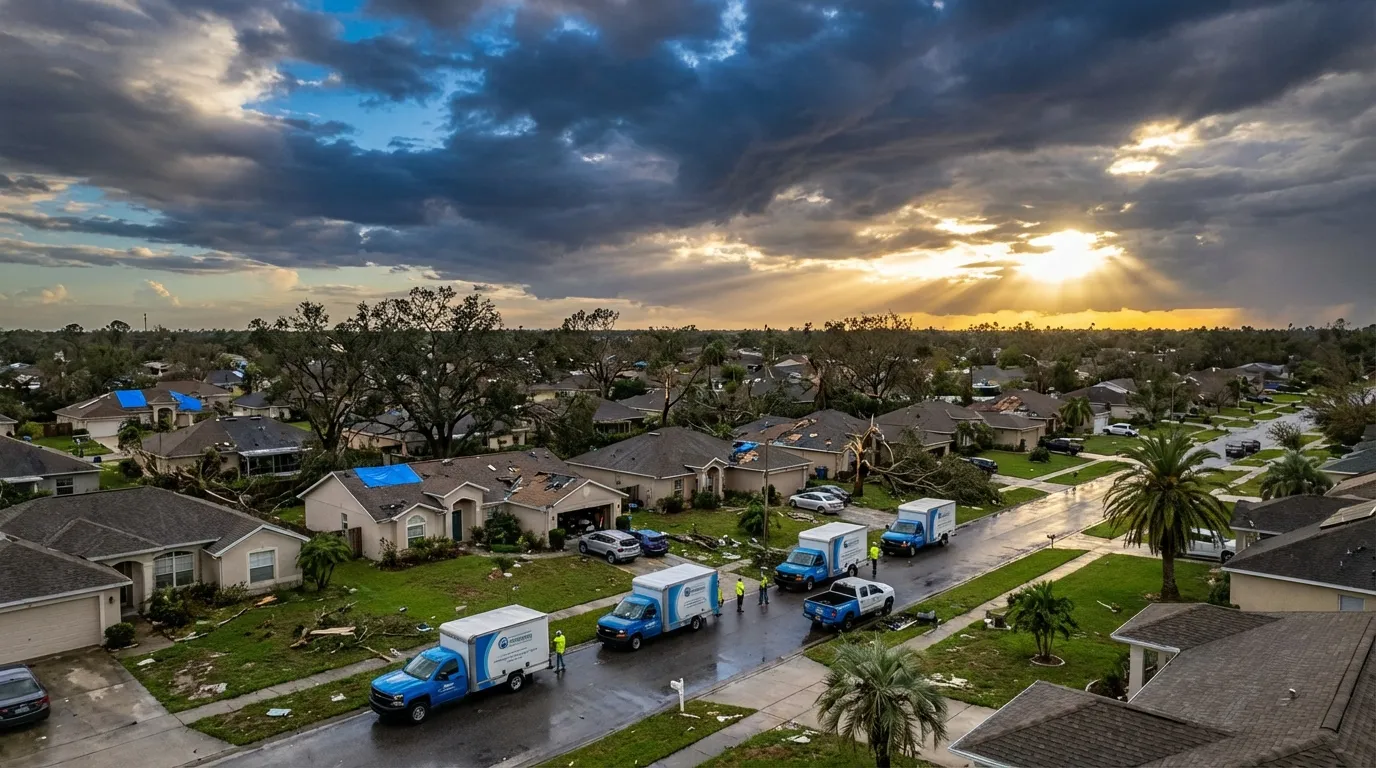
Every hour with an exposed roof means more water intrusion, more interior damage, and a larger insurance claim. Emergency tarping is not optional—most policies require you to mitigate further damage. Our crews deploy 24/7, even during active storm events.

  • 24/7 Service
  • Emergency Tarp
  • Board-Up
  • Insurance Required

First-Hour Priorities

What to do immediately

Step 1

Do NOT wait for your insurance adjuster to tarp

Your policy requires you to mitigate further damage. Waiting for an adjuster while rain pours through your roof will result in a larger claim AND potential claim denial for the secondary water damage. Tarp first, then file.

Step 2

Do not attempt DIY tarping on steep or high roofs

Storm-damaged roofs have compromised decking that may not support your weight. Wet surfaces are extremely slippery. Professional crews use harnesses, safety equipment, and proper techniques to secure tarps without risking lives.

Step 3

Cover broken windows and openings immediately

Board-up windows with plywood and seal door openings. Wind-driven rain through broken windows causes rapid interior water damage, including to floors, walls, furniture, and electronics.

Step 4

Save all receipts for emergency supplies

If you purchase tarps, plywood, or other emergency supplies yourself, save every receipt. These mitigation expenses are typically reimbursable under your insurance claim as "emergency measures."

Field Visuals

Scenarios, equipment, and restoration examples

These examples show the conditions and response patterns our teams evaluate during active storm damage restoration.

Professional crew installing emergency roof tarp with safety harnesses after storm

Professional Tarping

Our crews use harnesses and proper fall protection while installing contractor-grade tarps secured with batten strips. This is not a job for DIY approaches on damaged roofs.

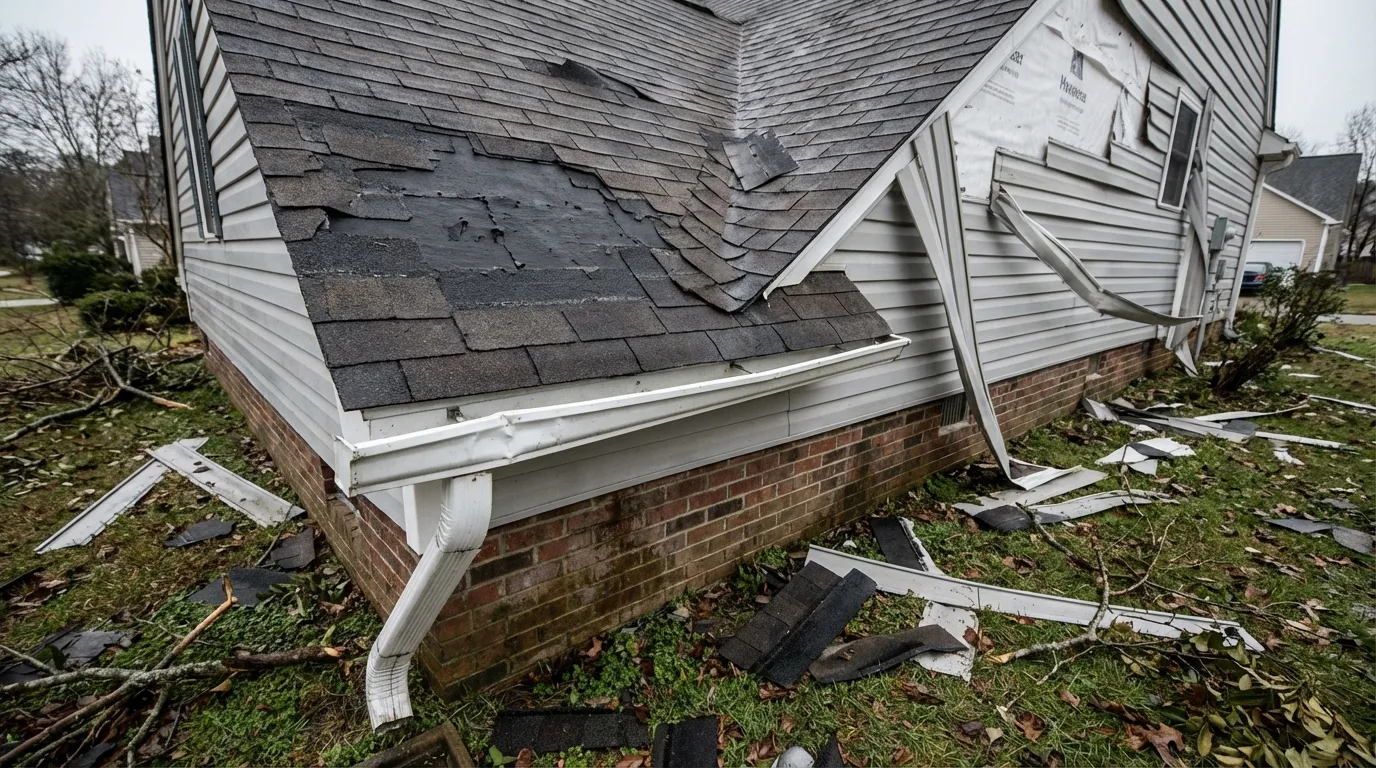
Exposed roof area with missing shingles requiring emergency tarping

Why Tarping Cannot Wait

Missing shingles expose underlayment and decking to rain. Within one rainfall event, water penetrates into attic insulation, ceiling drywall, and wall cavities—multiplying the damage exponentially.

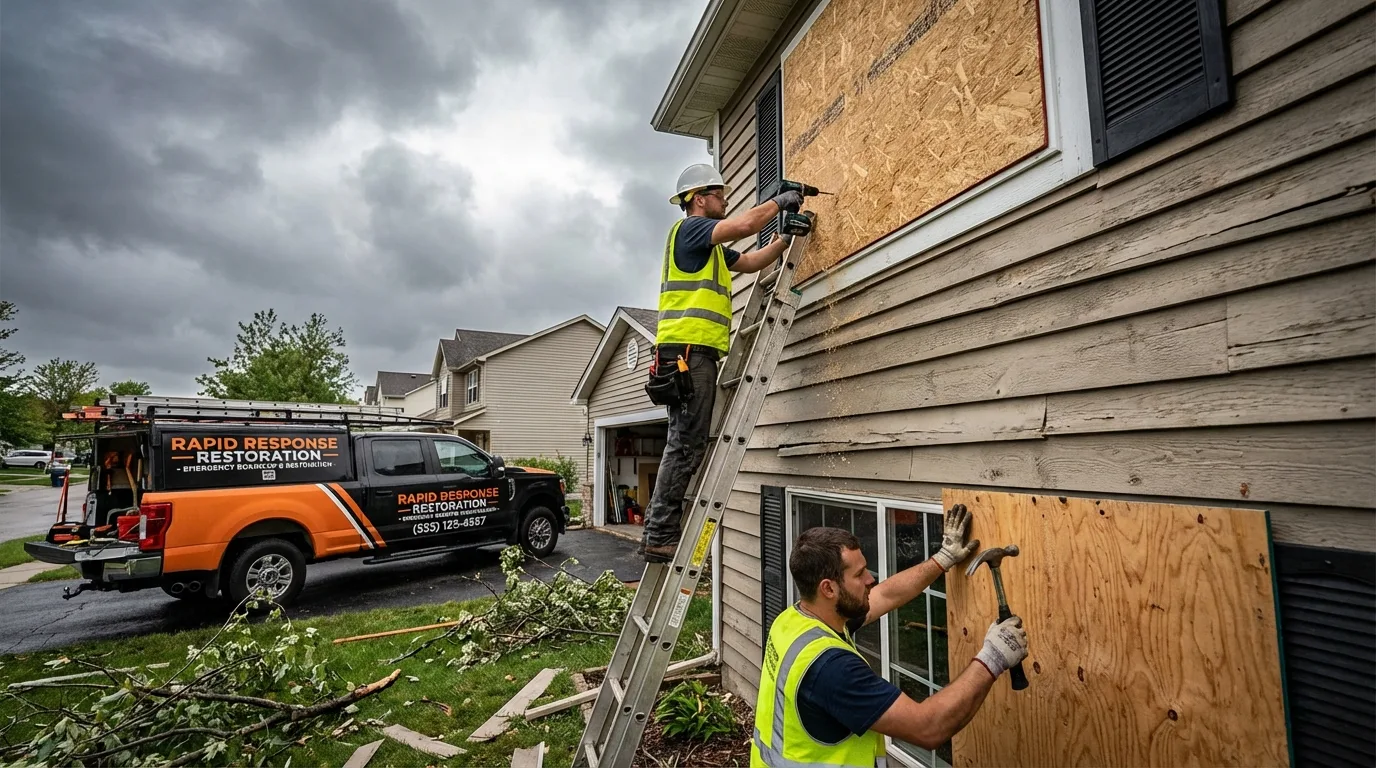
Professional crew boarding up broken windows on storm-damaged home with plywood

Window Board-Up Service

Broken windows allow wind-driven rain to cause rapid interior damage. Our crews board all openings with exterior-grade plywood sealed at edges to prevent further water intrusion.

Technical Workflow

How professional restoration progresses

This sequence keeps decisions measurable, documented, and aligned with insurance requirements and safe reconstruction.

Damage Scope Assessment

We identify all exposed areas from damaged shingles, missing decking, broken ridge caps, and compromised flashing. The tarp must cover well beyond the visible damage to prevent wind-driven rain entry.

Contractor-Grade Tarping

We use heavy-duty woven poly tarps (not hardware store blue tarps) secured with 2x4 batten strips screwed into roof framing. This method withstands subsequent storms and prevents flapping that damages remaining roofing.

Window & Opening Board-Up

Broken windows and compromised doors are boarded with exterior-grade plywood, sealed at edges. We also secure garage doors—the most common failure point during hurricanes that leads to catastrophic structural failure.

Documentation for Insurance

We photograph all damage before and after tarping, providing detailed reports that satisfy insurance requirements. This documentation proves you fulfilled your duty to mitigate and supports the full scope of your claim.

Regional considerations

South Florida

Florida building codes require tarps to withstand sustained 70+ mph winds in coastal areas. Standard blue tarps fail in these conditions. We use engineered tarp systems with structural fastening appropriate for Florida wind loads.

Charlotte, NC

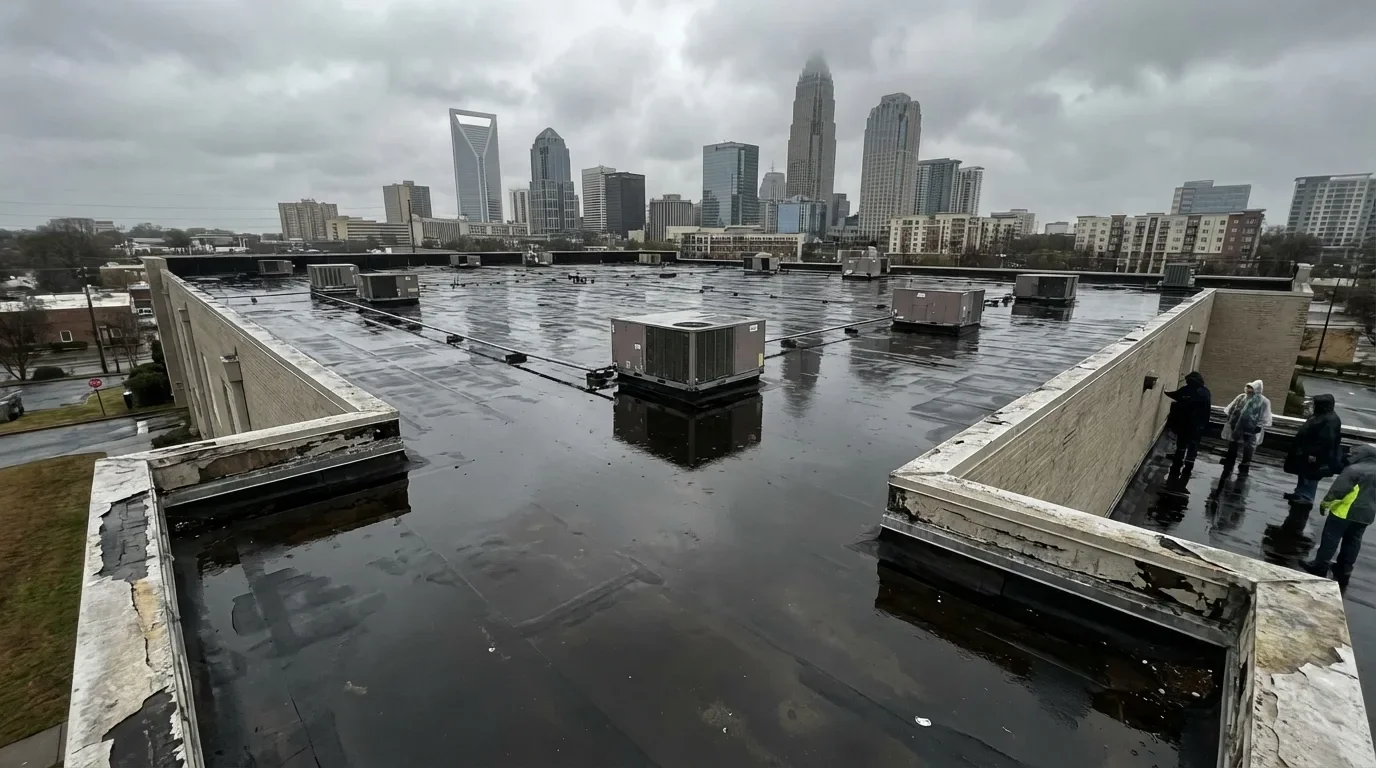
Severe thunderstorms can damage roofs multiple times per season. Our tarping crews in the Charlotte area are experienced with both wind-damaged asphalt shingle roofs and the winter ice dam scenarios common in the Piedmont.

Coastal SC

Hurricane evacuations mean homes sit unprotected during storms. We coordinate pre-storm board-up for coastal properties before evacuation orders, and deploy tarping crews immediately after storm passage when roads reopen.