888-245-5155
Call Now 24/7
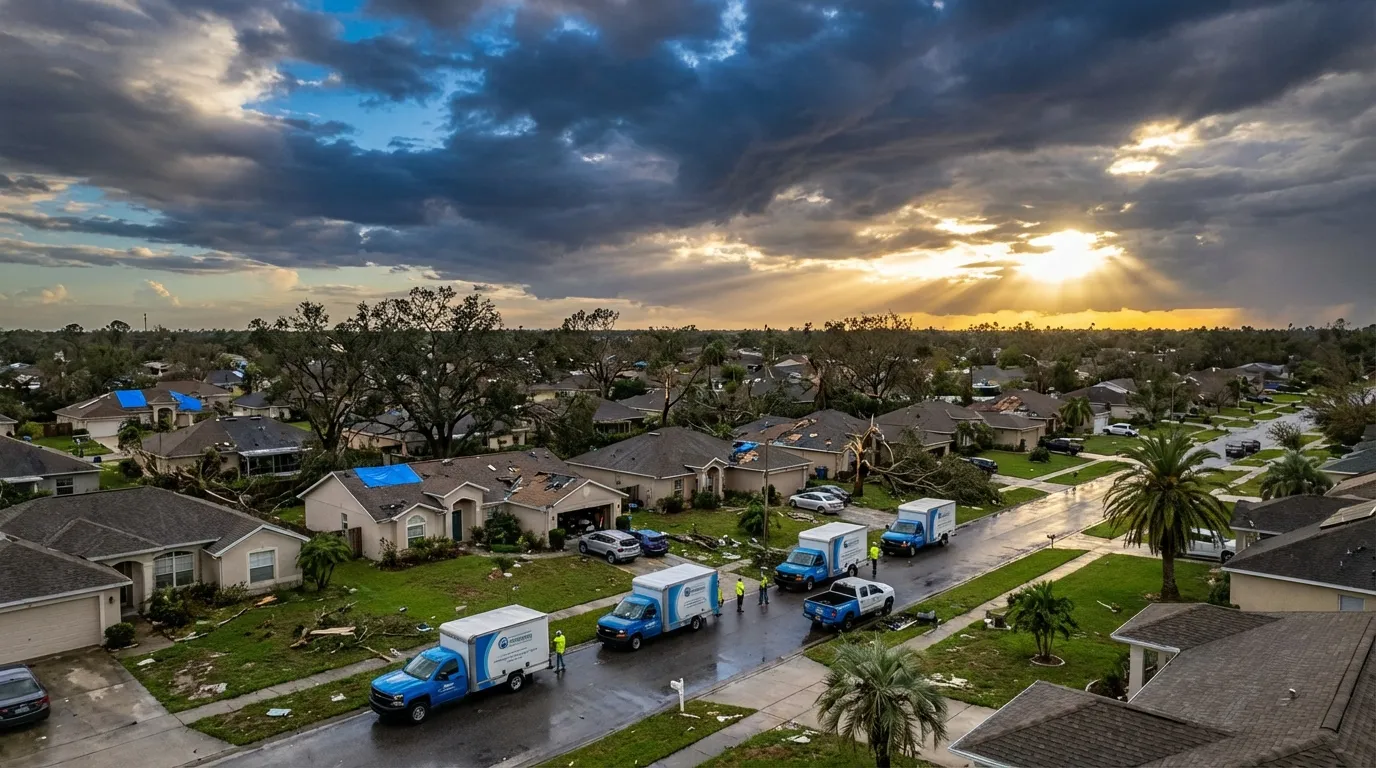
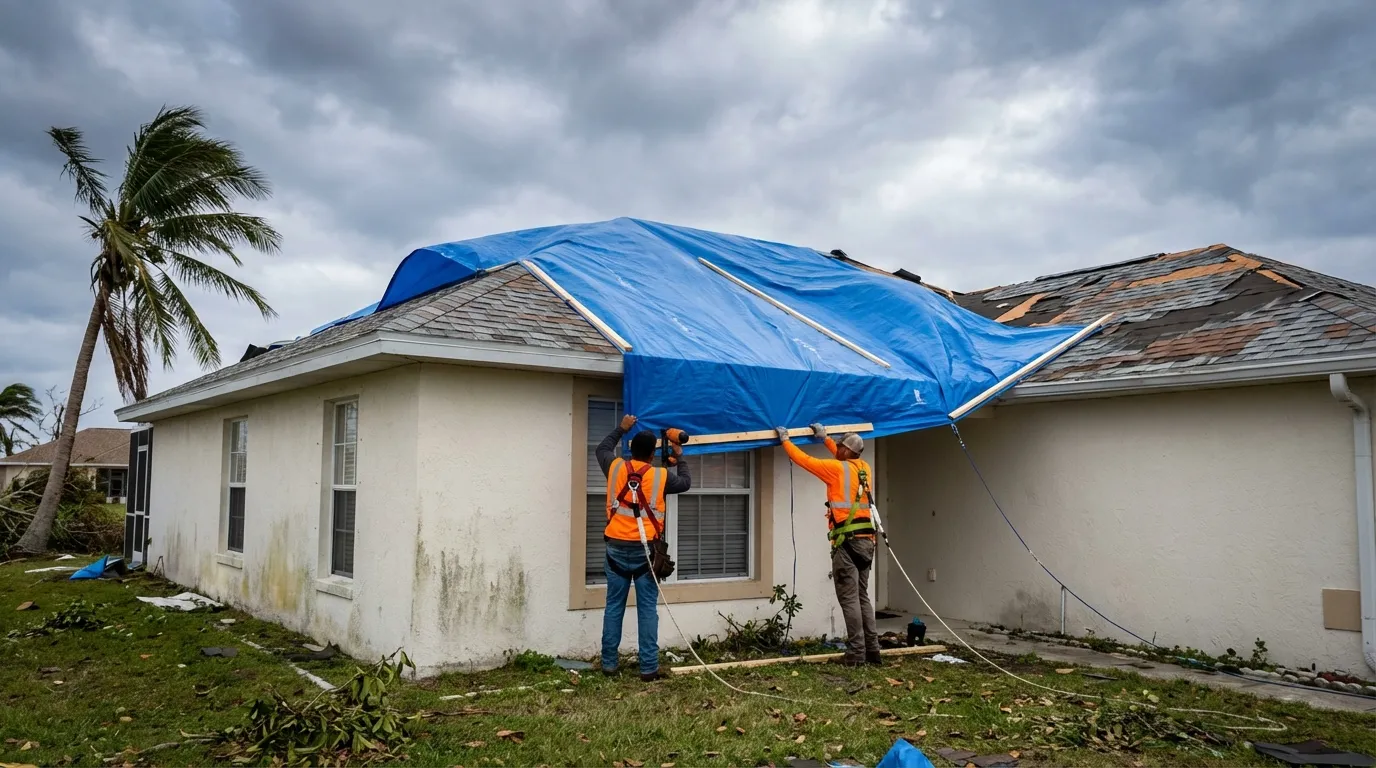
Storm aftermath with homes requiring insurance claims for wind and water damage

Storm & Hurricane Damage Guide

Storm Damage Insurance Claims

Storm damage claims are among the most disputed in insurance. The line between wind and water damage, hurricane deductible triggers, flood policy requirements, and FEMA assistance eligibility can mean tens of thousands of dollars in coverage differences. Understanding these distinctions before filing is critical.

  • Wind vs Water
  • Hurricane Deductible
  • FEMA Claims
  • Flood Insurance

First-Hour Priorities

What to do immediately

Step 1

File your homeowners AND flood claims separately

If your property sustained both wind and water damage, file two separate claims: one on your homeowners policy for wind damage (roof, siding, windows) and one on your flood policy for rising water or storm surge. Mixing them creates disputes and delays.

Step 2

Understand your hurricane deductible before calling

Check your policy declarations page for the hurricane deductible—typically 2% or 5% of your home's insured value, NOT the claim amount. On a $400,000 home with a 2% hurricane deductible, you pay the first $8,000. Know this number before filing.

Step 3

Document wind and water damage separately

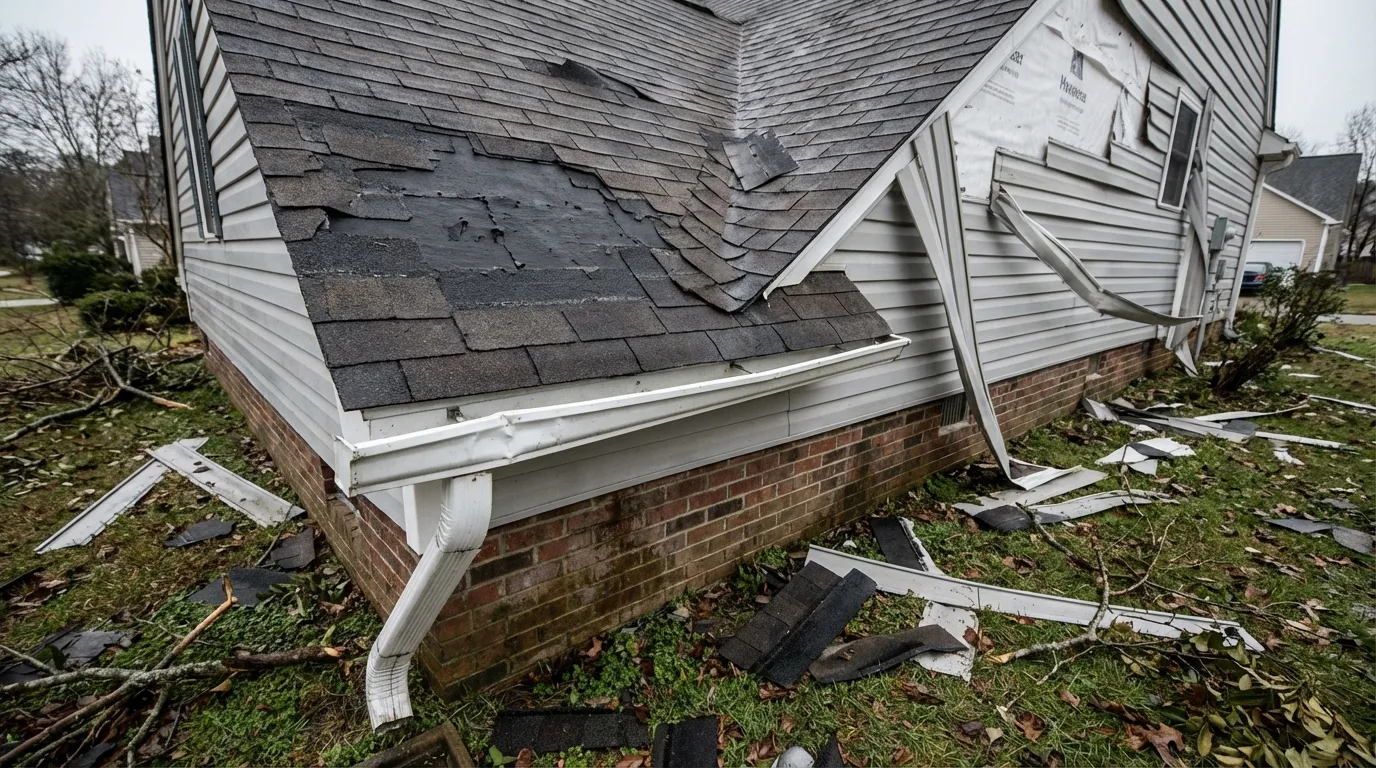
Take photos that clearly show wind damage (torn shingles, structural) separately from water damage (waterline marks, surge). Label your photos. This separation directly affects which policy covers what and prevents disputes.

Step 4

Apply for FEMA assistance if a disaster is declared

Check if your county has a federal disaster declaration at DisasterAssistance.gov. FEMA Individual Assistance supplements—not replaces—insurance. Apply even if you have insurance, as FEMA may cover gaps like temporary housing.

Field Visuals

Scenarios, equipment, and restoration examples

These examples show the conditions and response patterns our teams evaluate during active storm damage restoration.

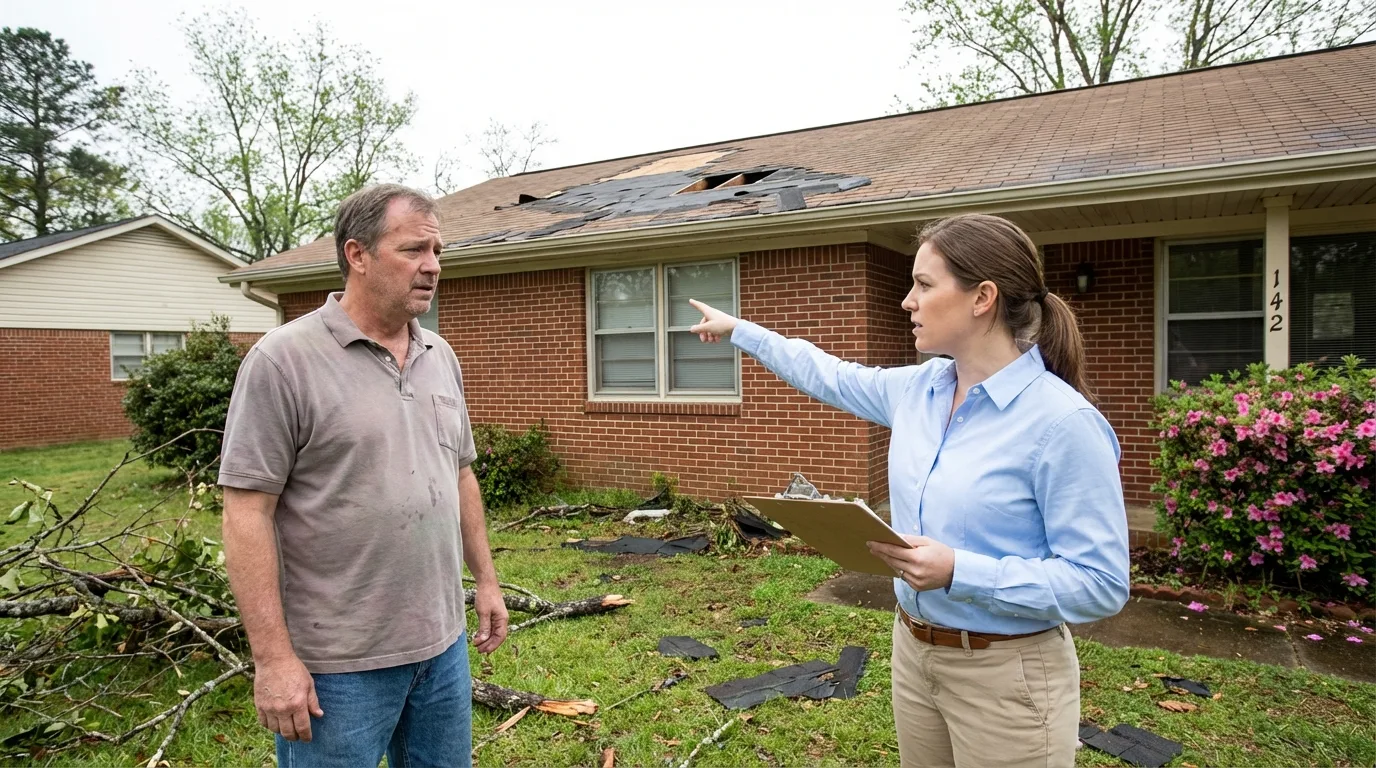
Insurance adjuster documenting storm damage to residential property with clipboard

Professional Damage Documentation

Thorough documentation of damage patterns — separating wind from water — is the foundation of a successful storm damage claim. We prepare detailed reports before the adjuster arrives.

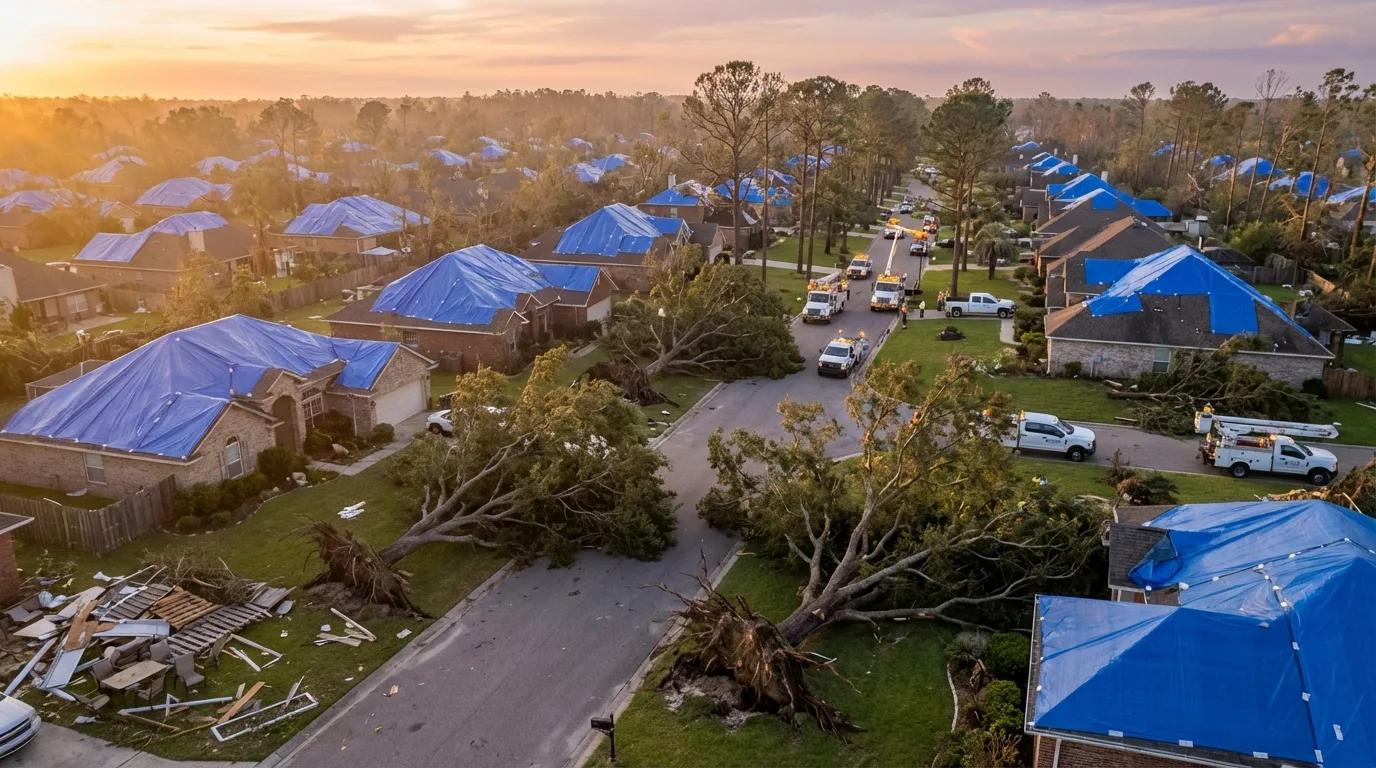
Aerial view of suburban neighborhood after hurricane with blue tarps on multiple rooftops

Community-Wide Storm Impact

After major storms, insurance companies process thousands of claims simultaneously. Having professional documentation and a restoration partner who understands the claims process makes a significant difference in your settlement timeline.

Technical Workflow

How professional restoration progresses

This sequence keeps decisions measurable, documented, and aligned with insurance requirements and safe reconstruction.

Damage Documentation & Separation

We document all damage with clear separation between wind-caused damage (covered by homeowners) and water/flood damage (covered by flood policy). This separation is the foundation of successful storm claims.

Policy Review & Deductible Assessment

We review your policy to identify your specific deductible (standard vs. hurricane), coverage limits, additional living expense provisions, and any exclusions that may affect your claim.

Adjuster Coordination

We prepare a detailed scope of work before the adjuster visit and walk through the property together. Our documentation supports your claim with measurements, material specifications, and code requirements.

Supplement & Dispute Resolution

If the initial estimate falls short, we prepare supplemental claims with additional documentation. For disputed items, we provide engineering reports, code citations, and industry standards to support fair settlement.

Regional considerations

Florida

Florida has the highest hurricane deductibles in the nation (2-10% of insured value). The state also requires separate wind vs. flood claim filing. Citizens Insurance (state insurer of last resort) has specific rules for hurricane claims. Assignment of Benefits (AOB) reform has changed how restoration companies can interact with your claim.

North Carolina

NC hurricane deductibles are typically lower than Florida (1-5%). However, inland flooding from hurricanes (like Florence 2018) often catches homeowners without flood insurance. NC has a FAIR Plan for high-risk coastal properties that private insurers won't cover.

South Carolina

SC Wind & Hail Underwriting Association covers coastal properties. Hurricane deductibles range from 1-5%. Charleston and coastal properties often need separate wind and flood policies. Post-Hugo building code improvements may qualify for insurance discounts.

Need help with a storm damage claim?

Our team navigates wind vs. water disputes, hurricane deductibles, and FEMA claims. We document damage to maximize your coverage.