888-245-5155
Call Now 24/7
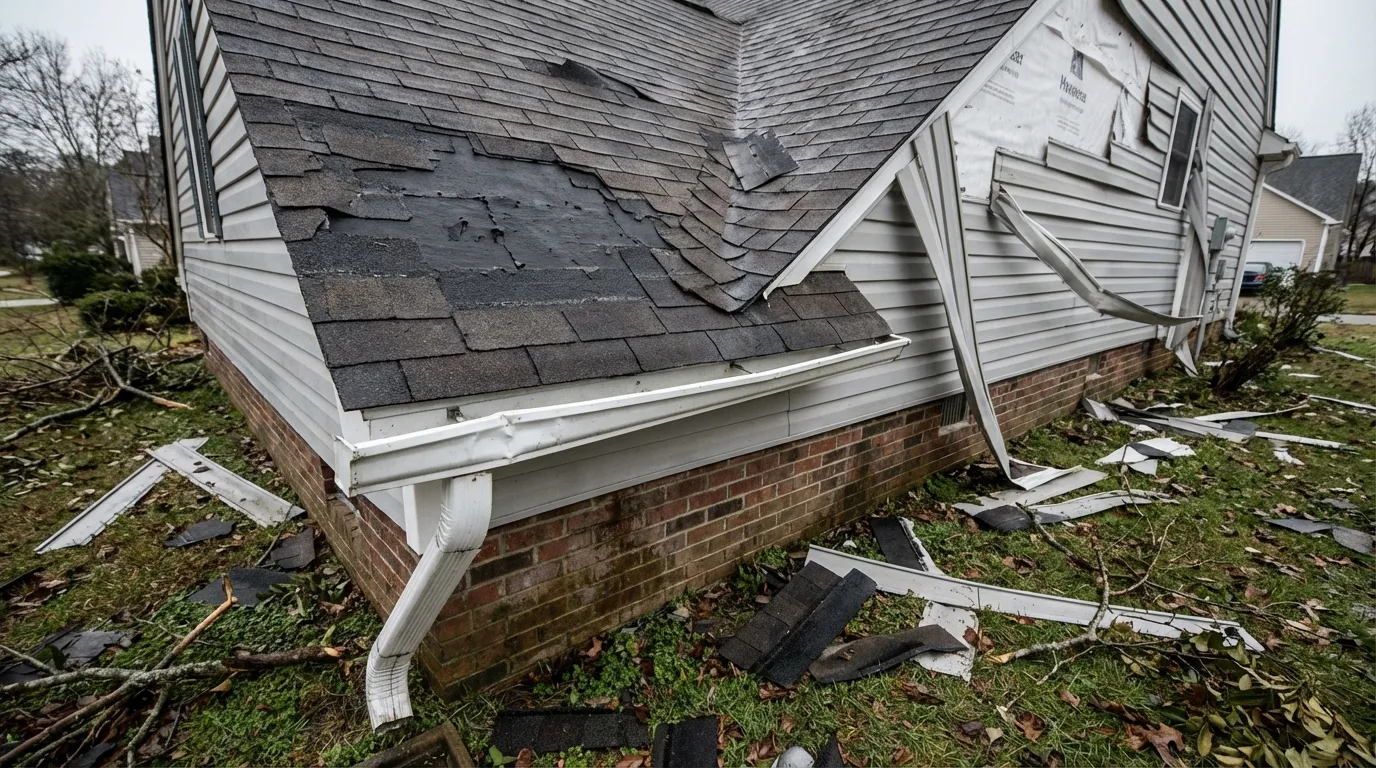
Wind-damaged residential roof with missing shingles and torn siding

Storm & Hurricane Damage Guide

Wind Damage Repair & Restoration

Wind damage starts at sustained speeds as low as 45 mph—well below hurricane force. Missing shingles, torn siding, broken windows, and structural shifting all require professional assessment and repair before secondary water damage sets in.

  • Roof Repair
  • Siding Restoration
  • Structural Assessment
  • Insurance Documentation

First-Hour Priorities

What to do immediately

Step 1

Inspect your roof from the ground—do NOT climb up

After high winds, look for missing shingles, exposed underlayment, displaced flashing, or sagging areas from the ground. Damaged roofs may have compromised decking that cannot support weight safely. Call a professional for roof-level inspection.

Step 2

Check for siding and window damage

Walk the exterior and note any cracked, bent, or missing siding panels. Check all windows for broken seals, cracked glass, or frame separation. Even hairline cracks allow wind-driven rain intrusion.

Step 3

Cover exposed areas with tarps if safe

If you can safely access roof edges or window openings from a ladder, secure heavy-duty tarps with battens. This prevents rain intrusion and is required by most insurance policies as part of your mitigation duty.

Step 4

Document everything before repairs begin

Photograph all wind damage from multiple angles. Include close-ups of missing shingles, torn siding, broken windows, and any interior water staining from rain intrusion. Your insurance adjuster needs this documentation.

Field Visuals

Scenarios, equipment, and restoration examples

These examples show the conditions and response patterns our teams evaluate during active storm damage restoration.

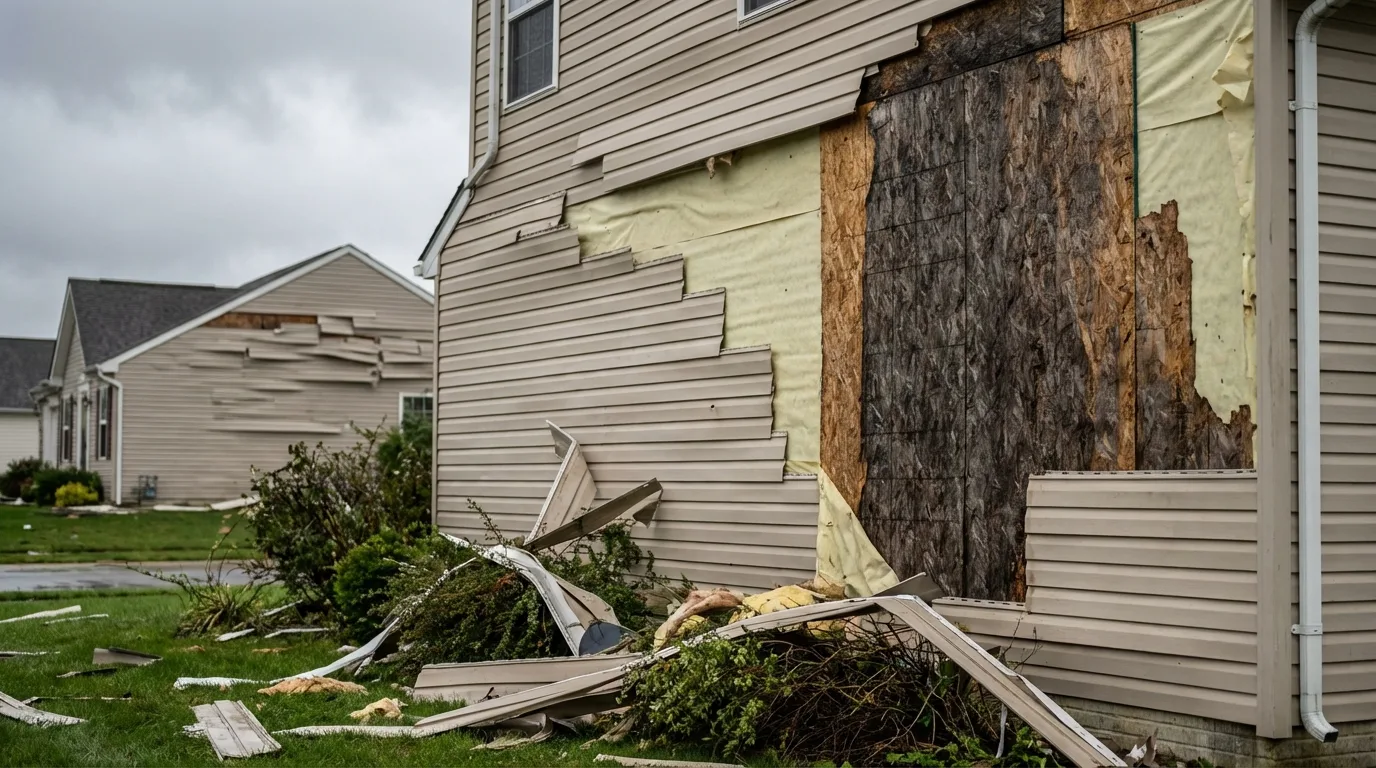
Severely damaged vinyl siding torn from two-story home by straight-line winds

Siding Stripped by Wind

Straight-line winds exceeding 70 mph rip siding panels off in large sections, exposing house wrap and sheathing to subsequent rain intrusion.

Wind-damaged residential roof with missing shingles and displaced ridge cap

Roof Shingle Loss

Missing shingles expose the underlayment and decking to rain. Each rainfall event penetrates deeper into the roof system, multiplying the damage.

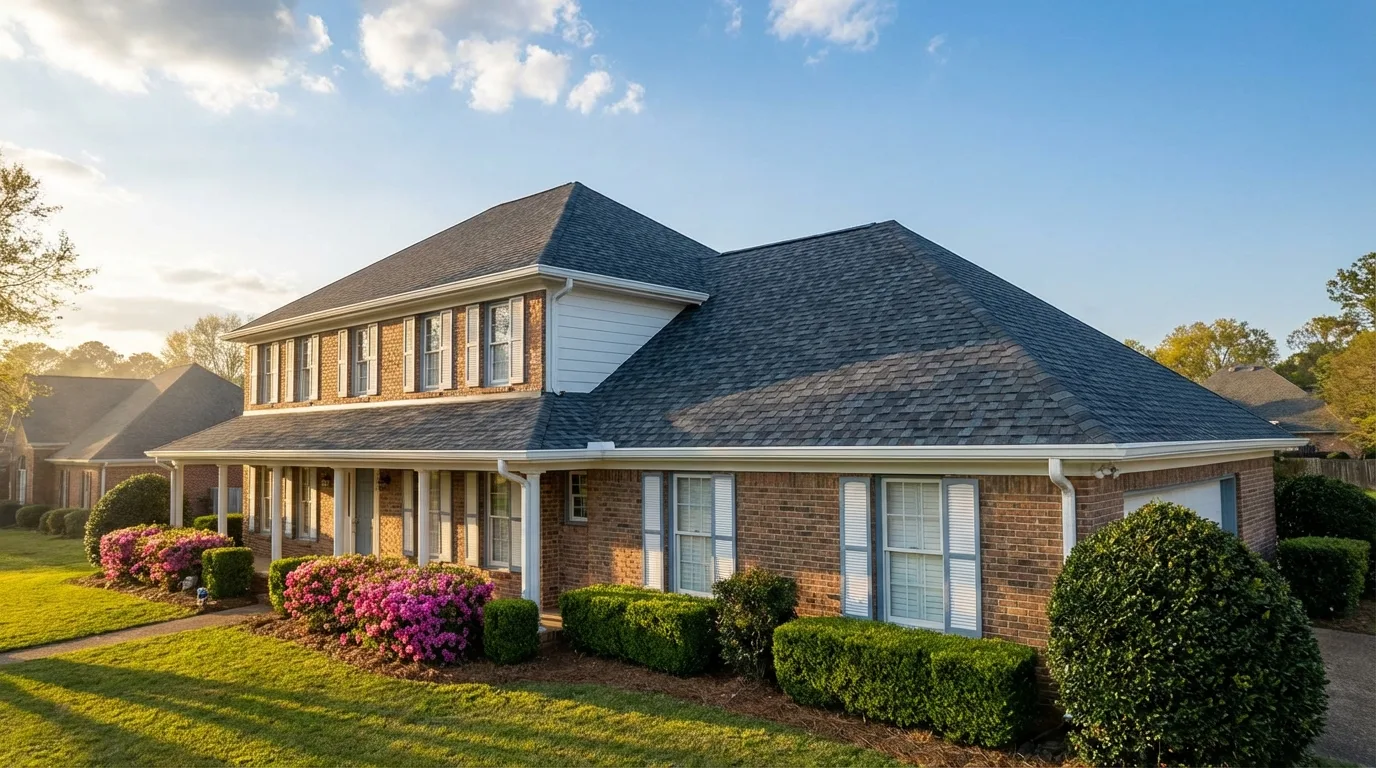
Fully restored residential roof with new architectural shingles after wind damage repair

Complete Roof Restoration

After wind damage assessment and insurance documentation, the full roof was replaced with impact-resistant architectural shingles meeting current building code.

Technical Workflow

How professional restoration progresses

This sequence keeps decisions measurable, documented, and aligned with insurance requirements and safe reconstruction.

Wind Damage Assessment

Professional inspection identifies all wind damage including non-obvious issues: lifted shingle tabs, compromised nail seals, displaced ridge caps, soffit damage, and structural shifting at connections.

Emergency Securing

Exposed areas are tarped and boarded to prevent rain intrusion. We use contractor-grade tarps with proper batten strips and fastening—not the DIY approach that blows off in the next wind event.

Insurance Documentation

Detailed wind damage reports with measurements, photos, and material specifications. We separate wind damage from any pre-existing conditions to support your claim accurately.

Repair & Replacement

Full roof replacement, siding installation, window replacement, and structural repairs to restore your property to pre-storm condition. We match existing materials when possible or upgrade to current code requirements.

Regional considerations

South Florida

Florida building codes require wind-rated roofing systems. After wind damage, repairs must meet current code—often resulting in upgrades to impact-resistant shingles or metal roofing. Wind mitigation inspections can significantly reduce insurance premiums.

Charlotte, NC

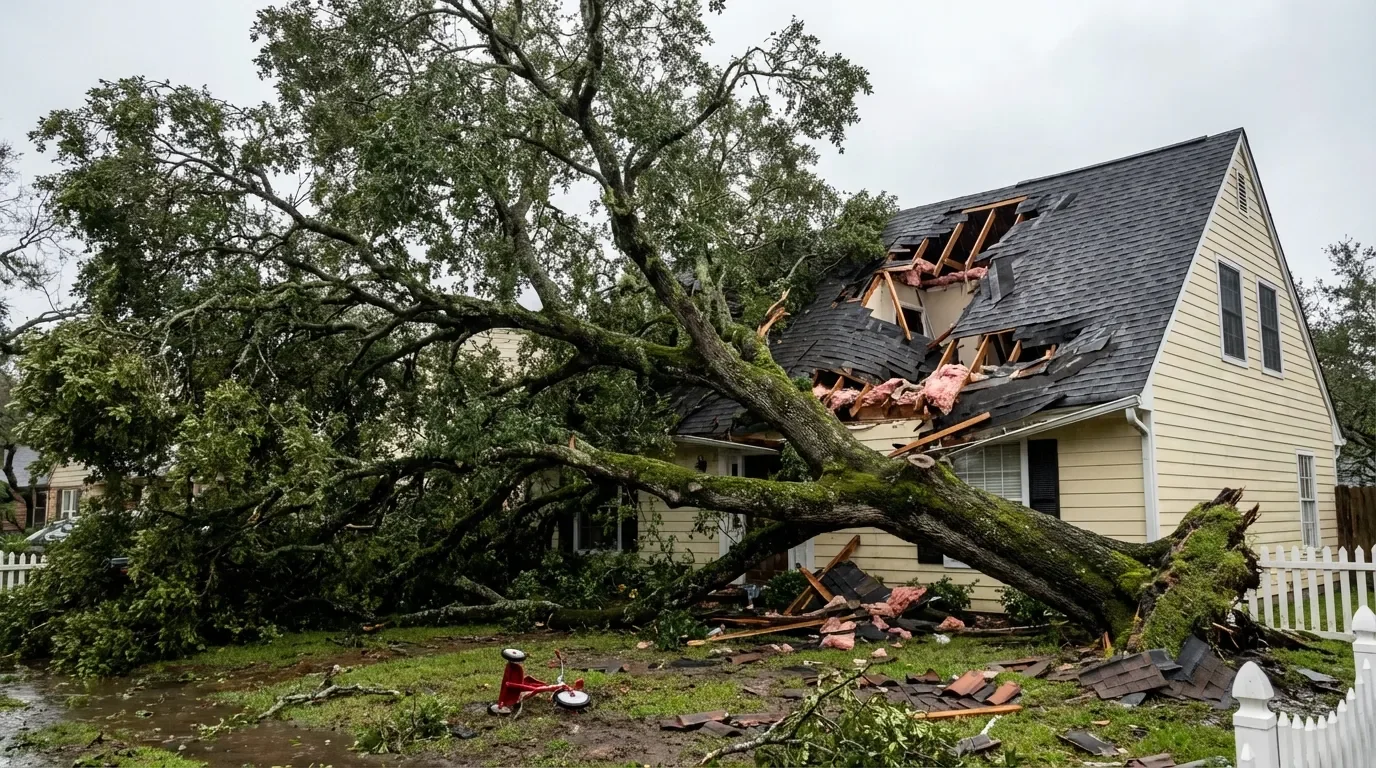
Severe thunderstorms produce straight-line winds exceeding 70 mph multiple times per year. These events cause widespread roof and tree damage. Charlotte area homes often have asphalt shingle roofs vulnerable to high wind uplift.

South Carolina Coast

Coastal SC faces both hurricane winds and regular severe thunderstorms. Charleston and Myrtle Beach properties built before modern wind codes are especially vulnerable. Post-storm repairs often include wind resistance upgrades.