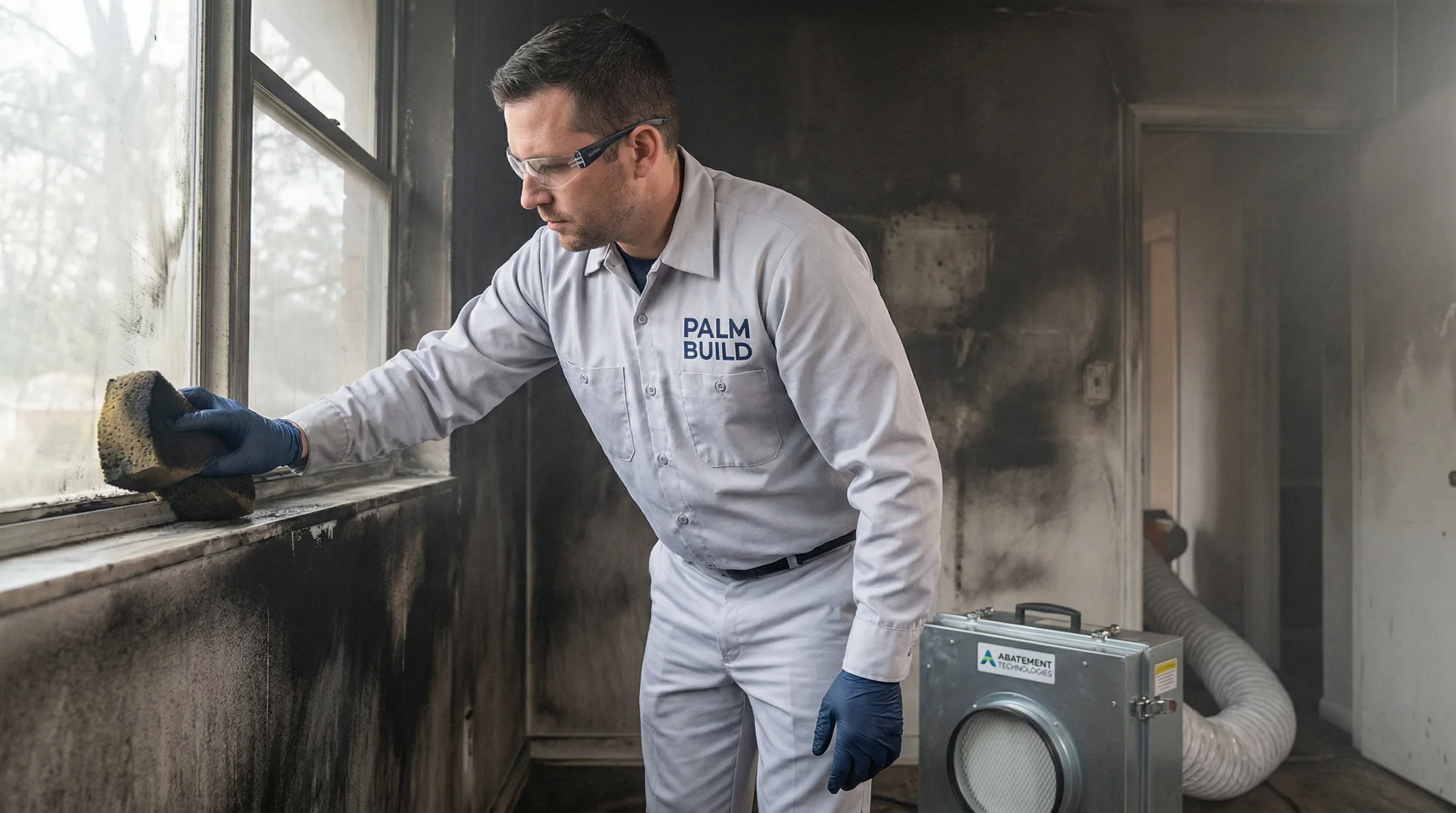
Smoke odor is fundamentally different from most household smells because it is not simply a surface
contaminant. When materials burn, they release microscopic particles—many smaller than 0.1 microns—that
become airborne and travel throughout the structure via air currents, HVAC systems, and pressure differentials.
These particles embed themselves in porous materials such as drywall, wood framing, carpet fibers, insulation,
and textiles. The odor is not sitting on top of these surfaces; it is physically trapped within them at a
molecular level. This is why wiping down walls or shampooing carpet provides only temporary relief. The
particles continue to off-gas volatile organic compounds over time, especially as temperature and humidity
levels change.
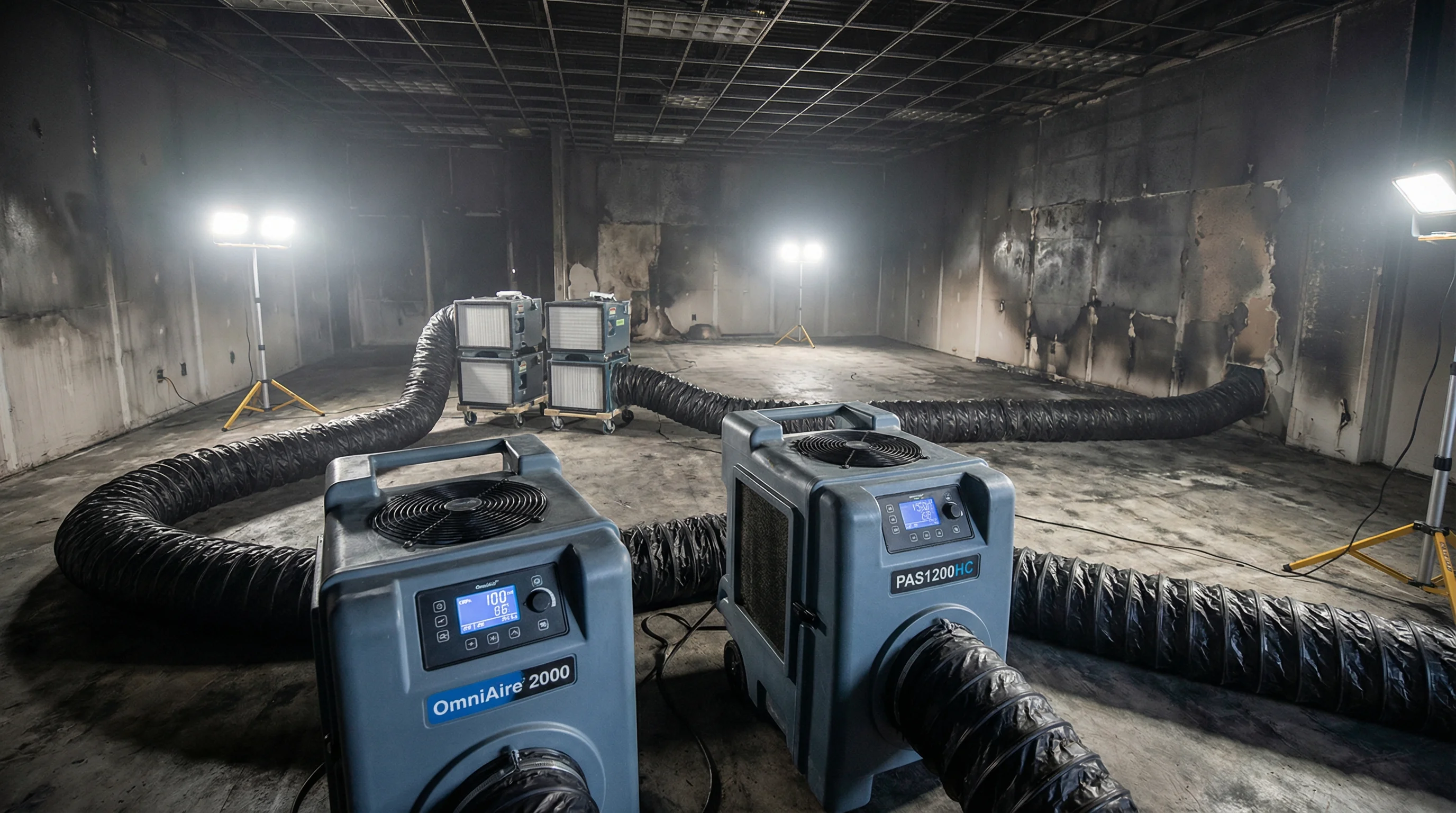
Professional deodorization relies on three primary technologies, each suited to different conditions.
Thermal fogging heats a petroleum- or water-based deodorizing solution to produce a dense
dry fog with particle sizes that match smoke molecules. Because the fog particles are the same size as the
original smoke, they follow the same pathways into porous materials and chemically neutralize odor at the
source. Thermal fogging is highly effective for rapid treatment but requires the space to be fully evacuated.
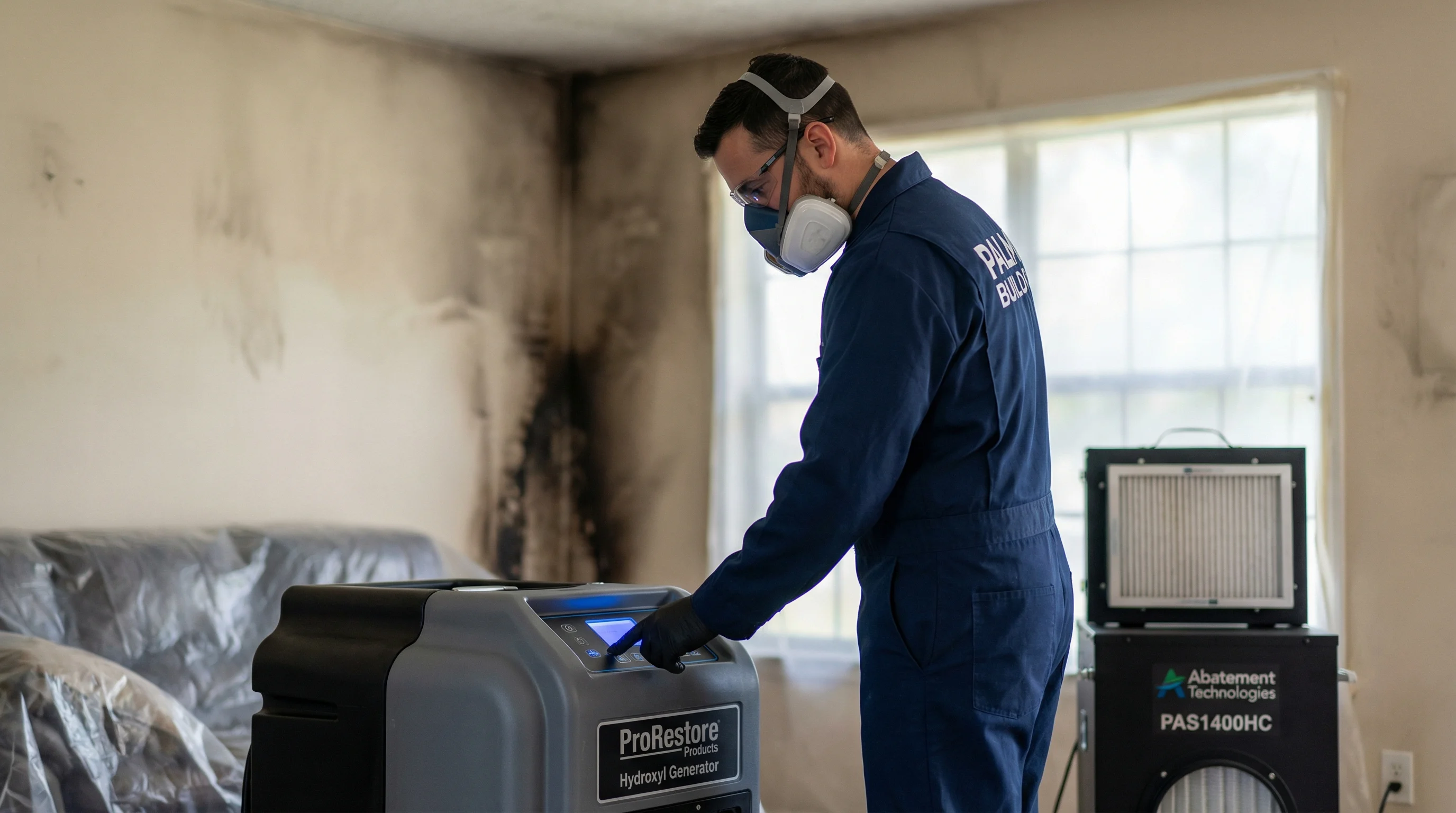
Hydroxyl generators produce hydroxyl radicals—naturally occurring oxidizers—that break down
odor-causing organic compounds through a photocatalytic process. They are safe for occupied environments and
work well for sustained, multi-day treatment of moderate odor. Ozone generators produce
ozone (O3), an extremely powerful oxidizer that destroys odor molecules on contact. Ozone is the
most aggressive option and is reserved for severe cases, with the requirement that all living things be
removed from the treated space during operation. In many whole-house restoration projects, two or all three
methods are used in sequence for comprehensive results.
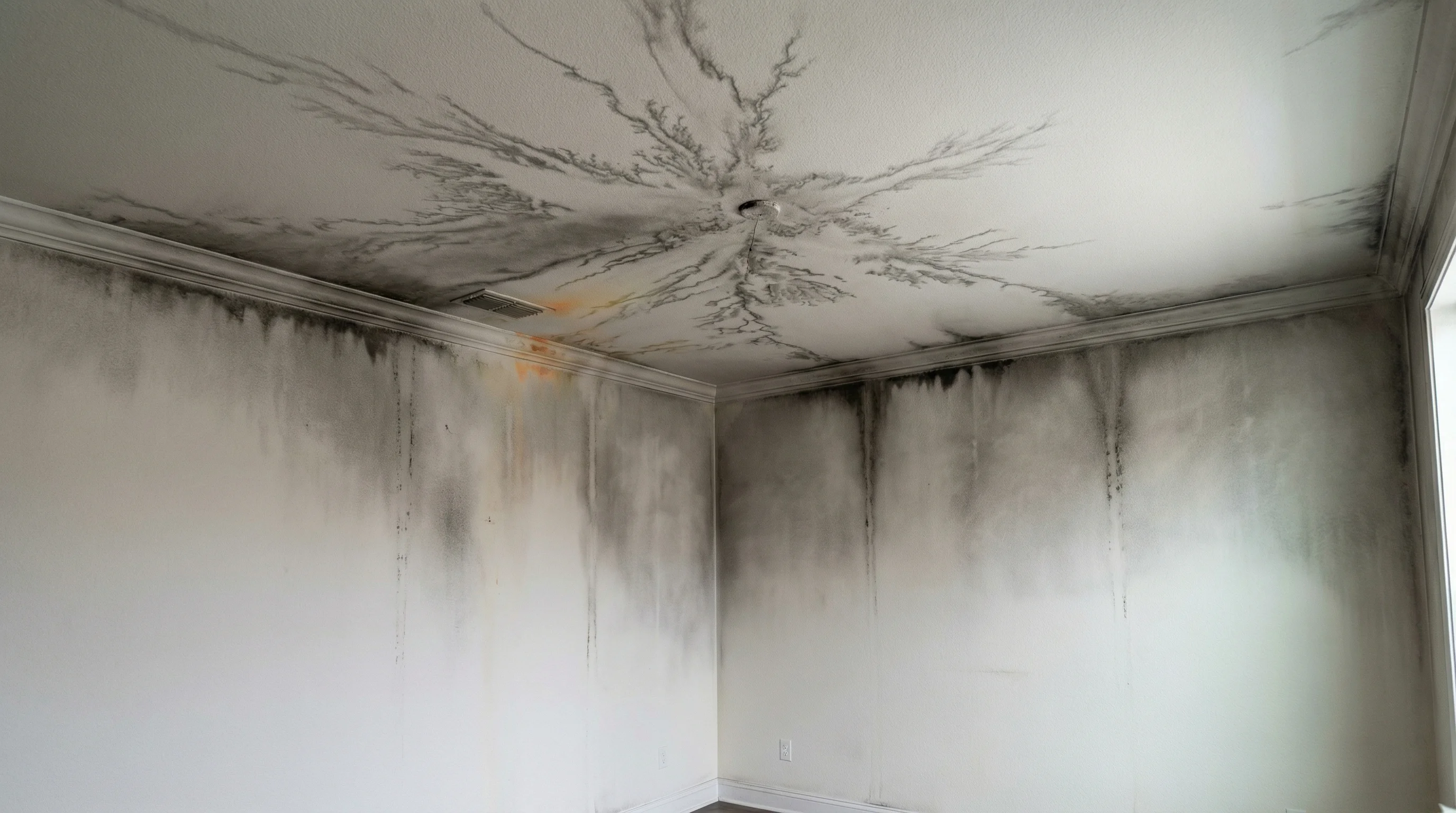
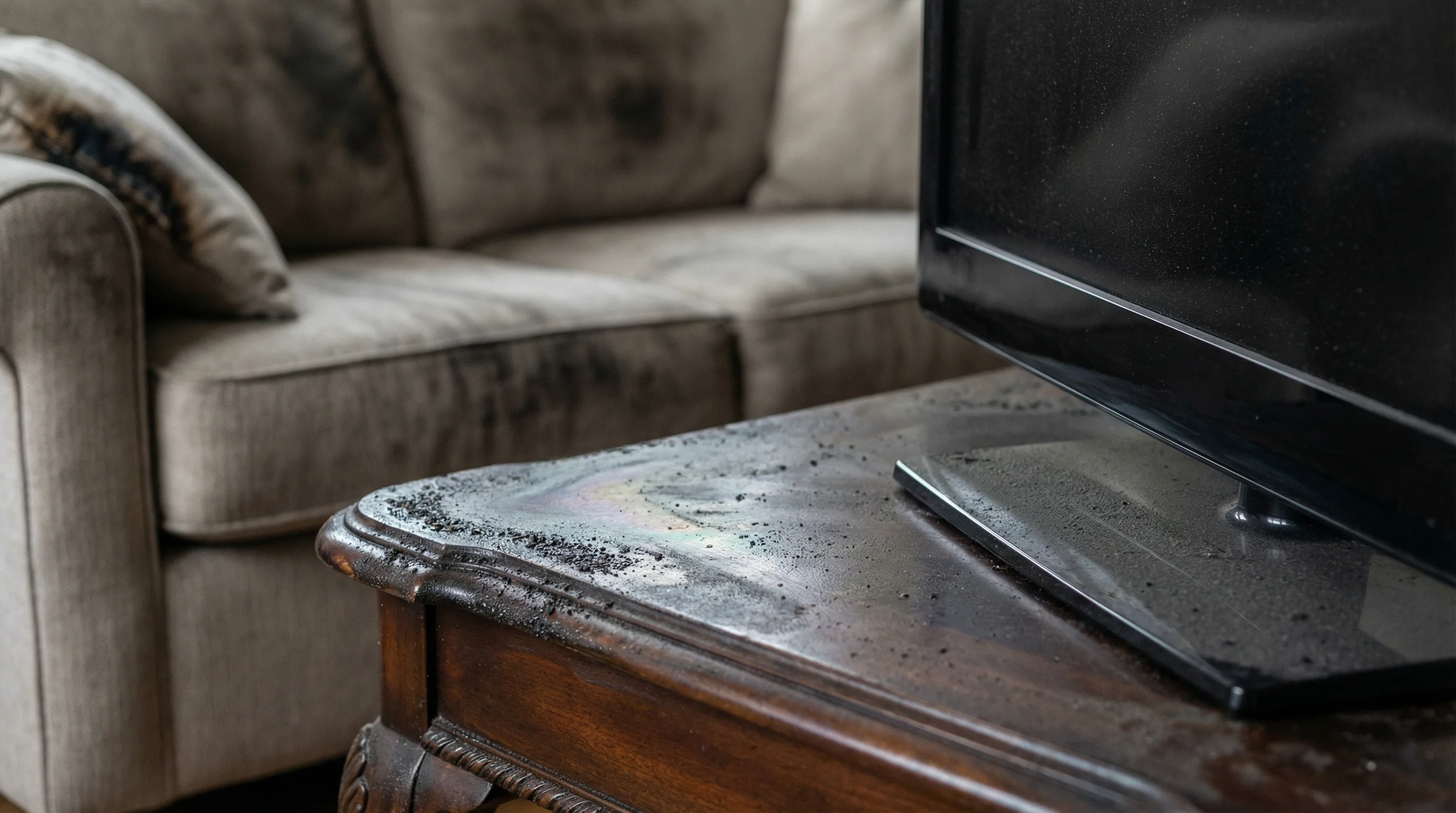
A critical prerequisite for any deodorization treatment is thorough soot removal. Soot is the visible,
particulate residue of combustion, and it contains the concentrated odor-causing compounds. If deodorization
is attempted over soot-covered surfaces, the treatment cannot reach the embedded smoke particles beneath.
Worse, the soot itself continues to off-gas, reintroducing odor into the space. Once surfaces are properly
cleaned and deodorization is complete, the final step is applying an odor-sealing primer—such as a
shellac-based or specialty encapsulant product—to all structural surfaces before finish painting. This primer
creates a molecular barrier that prevents any residual odor compounds trapped deep within the substrate from
migrating through the new paint film. Skipping this step is one of the most common causes of odor
reappearance weeks or months after an otherwise successful restoration.