Kitchen fires produce a category of smoke residue that is fundamentally different from what occurs in
structural fires. When cooking oils, grease, and food proteins combust, they generate what the restoration
industry calls protein smoke—a nearly invisible, yellowish film that coats every exposed surface. Unlike
the heavy black soot from a house fire, protein residue is deceptively thin and easy to overlook during
initial inspection. Left untreated, it darkens over days and weeks, permanently staining paint, discoloring
light-colored stone and laminate, and producing a rancid odor that intensifies rather than fading. Standard
household cleaners, degreasers, and even commercial cleaning products cannot break down the molecular
bonds in protein smoke residue. Professional restoration requires enzyme-based cleaners formulated
specifically for organic combustion byproducts, applied systematically to every affected surface in the
kitchen and surrounding rooms.
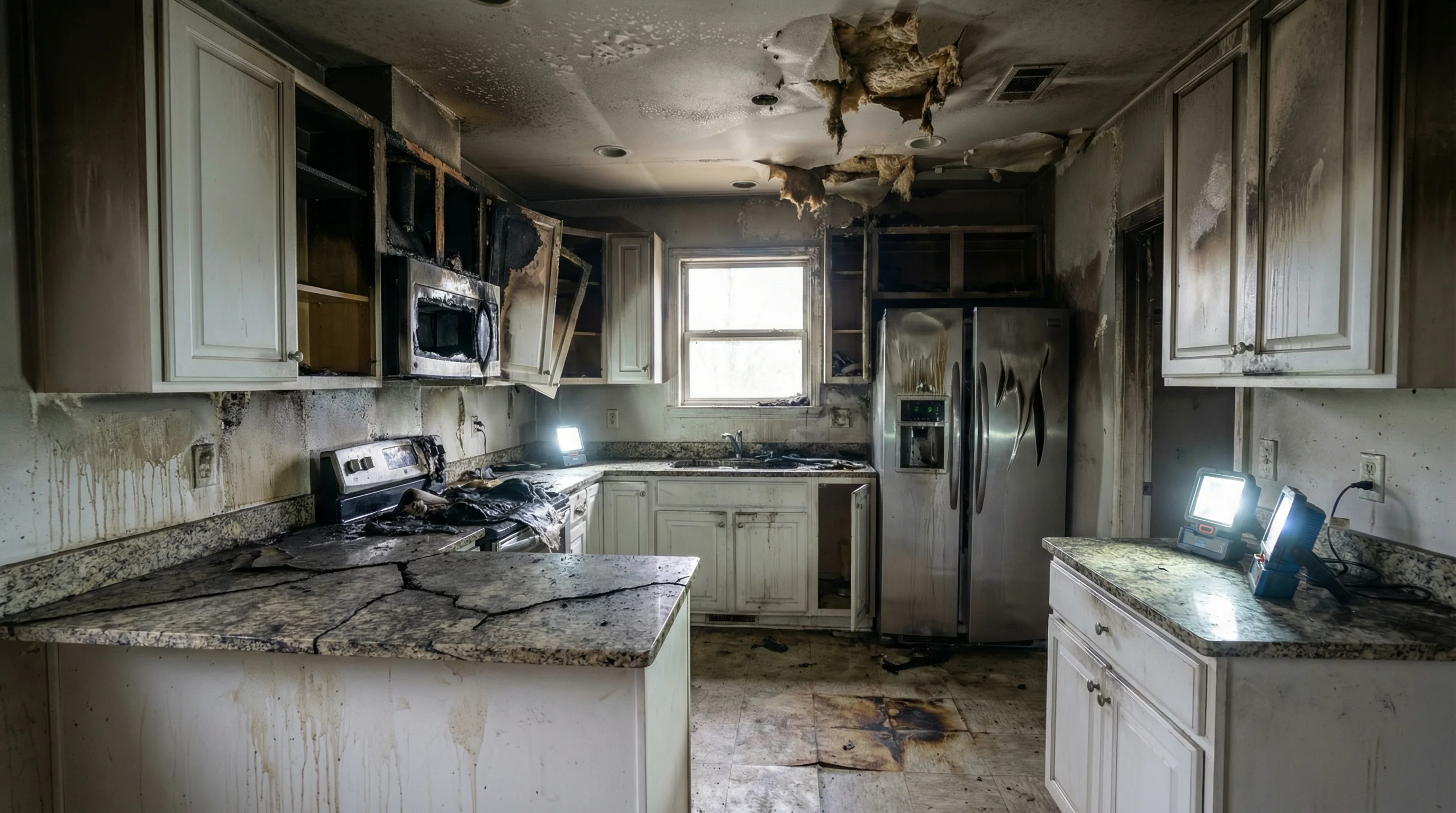
The type of kitchen fire also determines the damage pattern and restoration approach. Grease fires, which
account for the majority of kitchen fires, tend to produce intense but relatively localized heat damage
concentrated around the stovetop, range hood, and upper cabinets, combined with widespread protein smoke
contamination throughout the home. Electrical appliance fires—caused by faulty wiring in dishwashers,
refrigerators, or microwaves—often produce a different damage pattern with more synthetic smoke residue
and potential electrical hazards behind walls and in junction boxes. Appliance fires may also generate
toxic fumes from burning plastics and insulation, requiring air quality testing before the space is
reoccupied. Understanding the fire origin is essential for determining the full scope of hidden damage
and developing an accurate restoration plan.
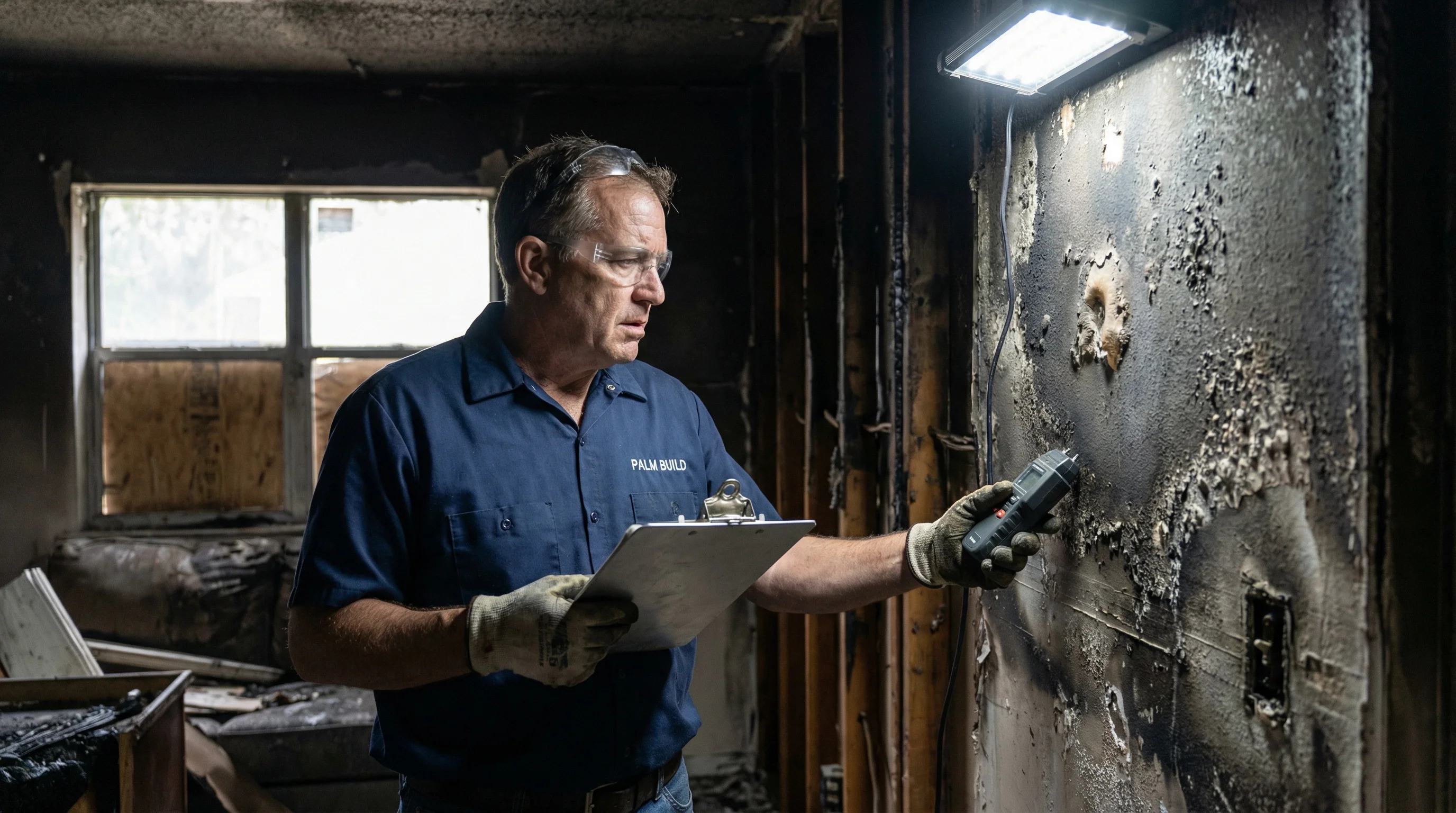
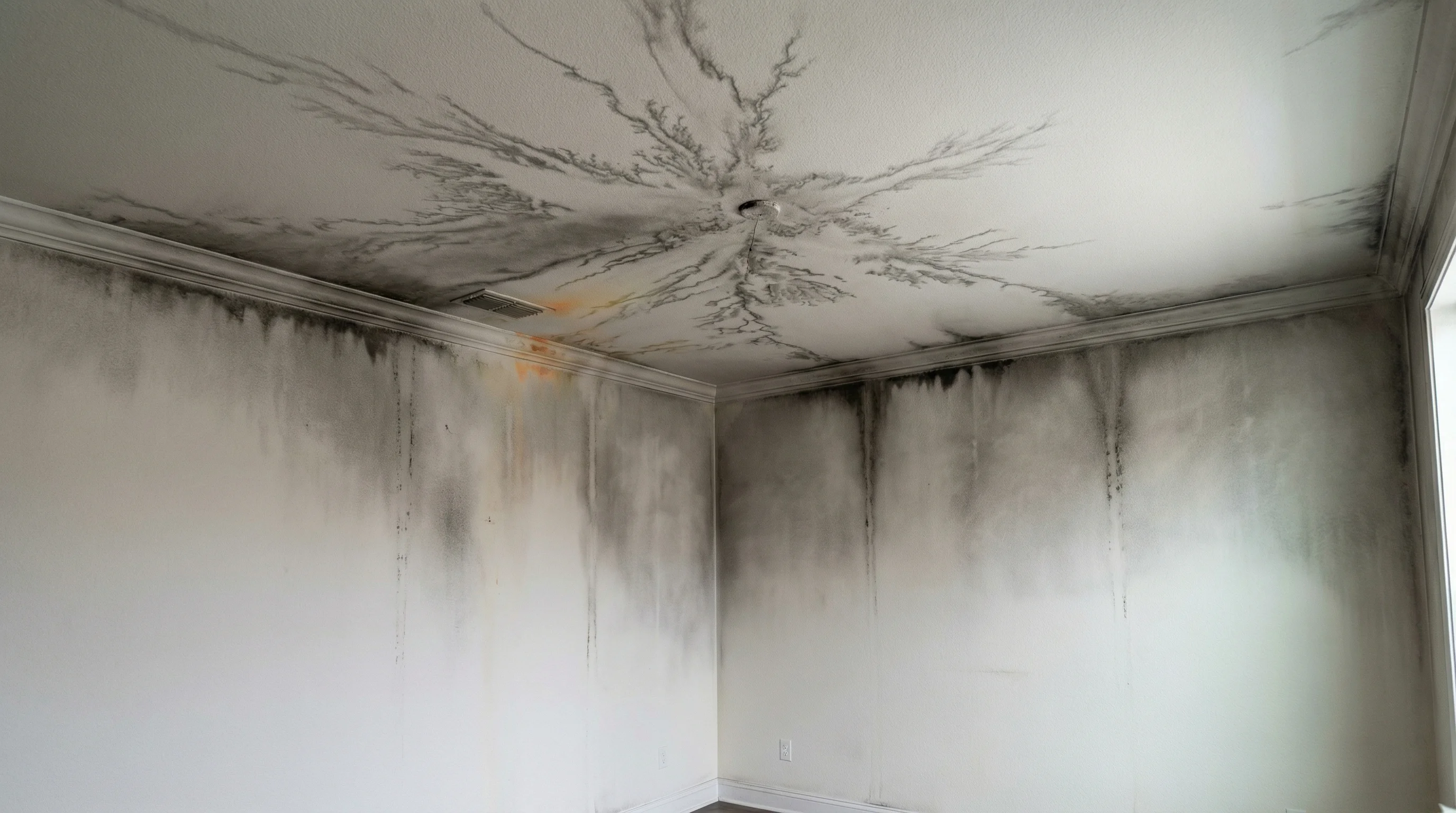
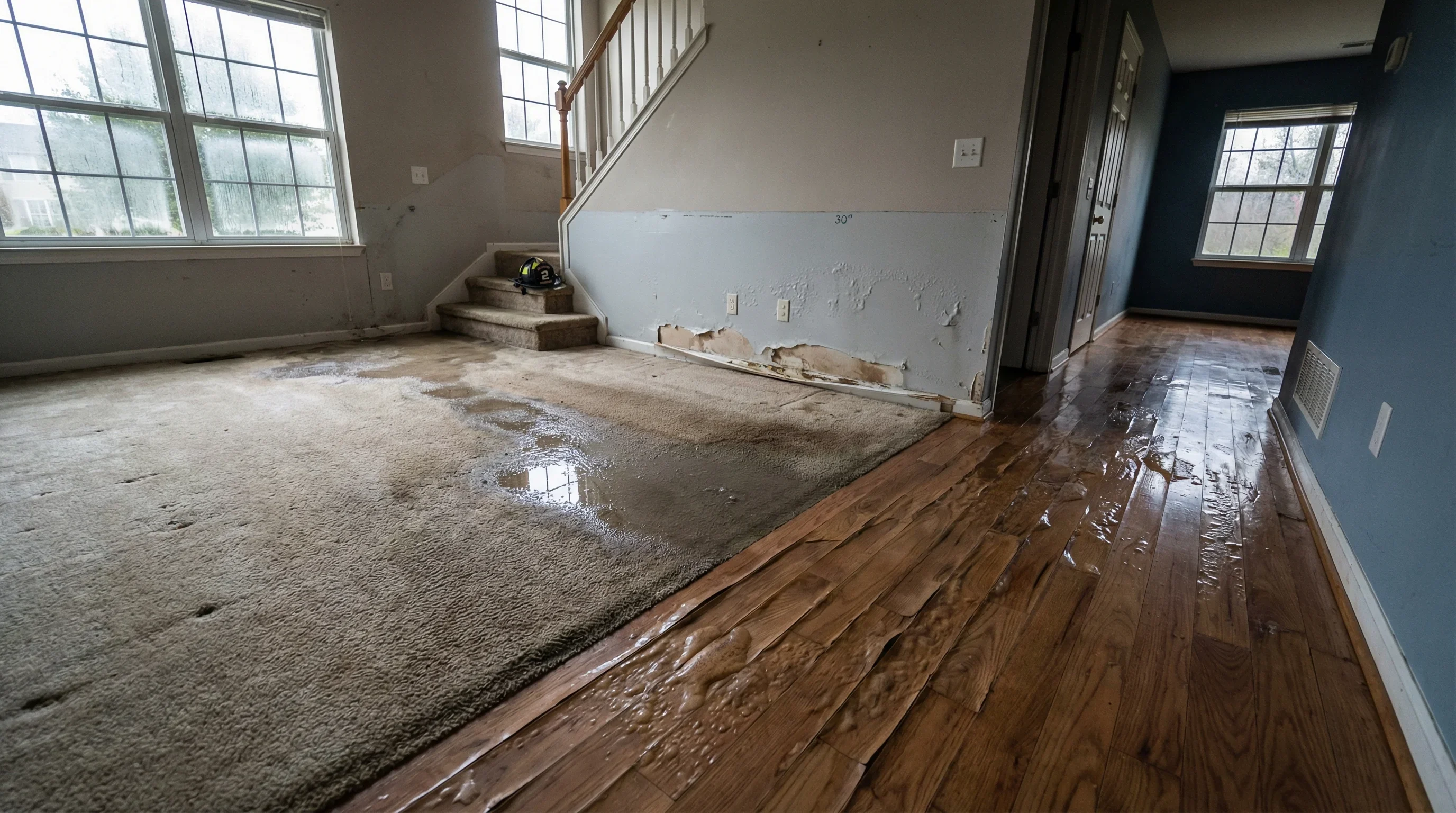
One of the most commonly overlooked aspects of kitchen fire restoration is the hidden damage behind
cabinets, inside wall cavities, and beneath flooring. Firefighting water pools in enclosed spaces
behind base cabinets, seeps into subfloor materials, and wicks into wall insulation through gaps in
drywall. Without proper inspection and drying, this trapped moisture creates ideal conditions for mold
growth within 48 to 72 hours—turning a fire damage claim into a compounding mold remediation project.
Heat damage to wall framing, even if not visibly charred, can weaken structural members enough to require
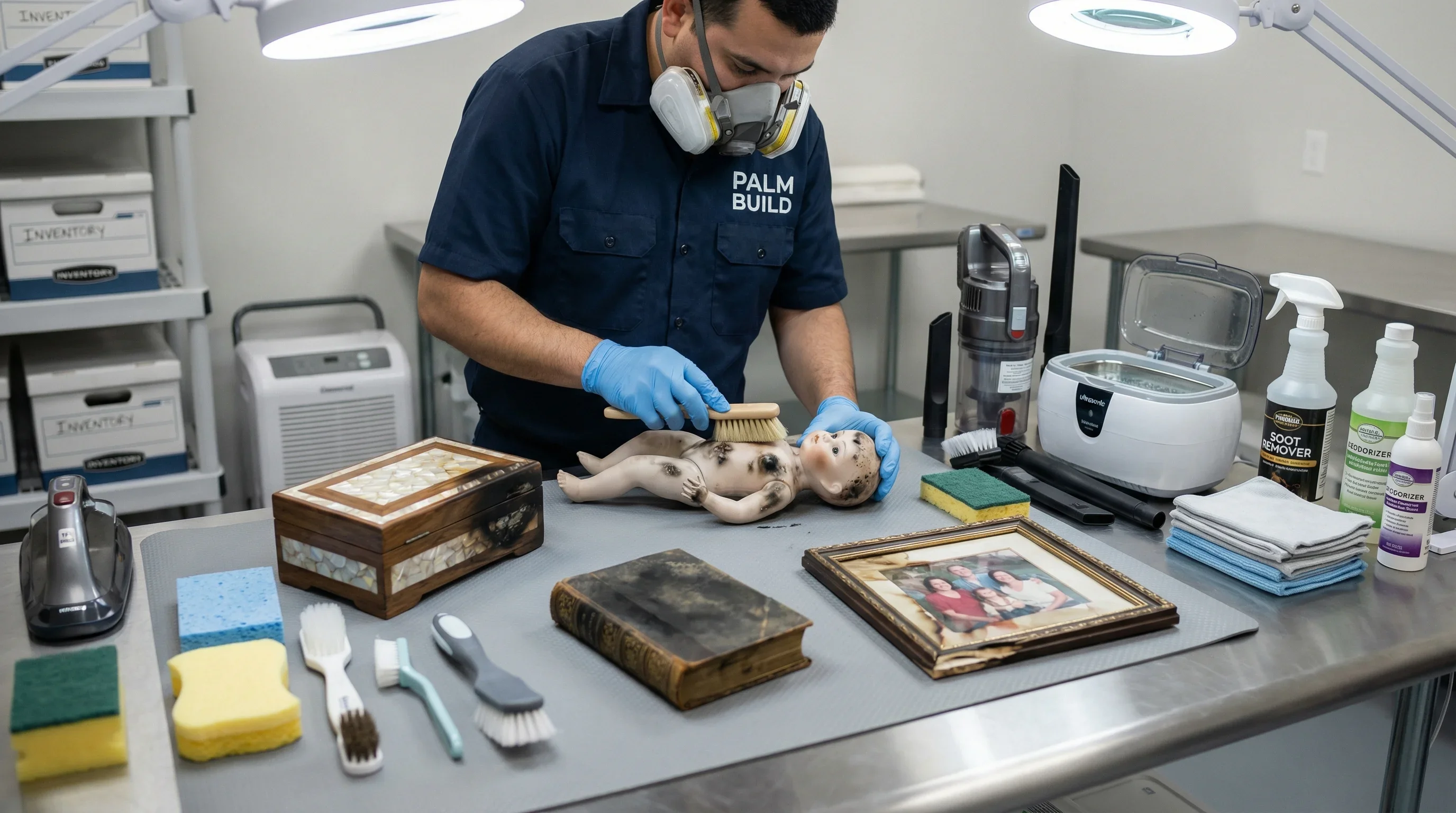
sistering or replacement. A thorough kitchen fire restoration progresses through four distinct phases:
emergency mitigation to stop ongoing damage, detailed assessment and documentation for insurance,
cleaning and decontamination of all salvageable materials, and finally complete reconstruction of
damaged components. Skipping or rushing any of these phases leads to lingering odor problems, hidden
mold, or premature failure of rebuilt components.