Step 1
Remove loose cushions and stand them upright
Separating cushions from the frame allows airflow on all sides and prevents moisture from being trapped between layers. Stand cushions on edge so both faces can breathe.
Upholstery Restoration Guide
How injection drying, steam extraction, and professional deodorization restore smoke-damaged sofas, water-soaked chairs, and fire-exposed cushioned furniture to pre-loss condition.
First-Hour Priorities
Step 1
Separating cushions from the frame allows airflow on all sides and prevents moisture from being trapped between layers. Stand cushions on edge so both faces can breathe.
Step 2
Rubbing pushes soot, smoke residue, and contaminants deeper into upholstery fibers and padding. Use clean white towels to gently blot any surface moisture or wet spots.
Step 3
Standing water wicks up through furniture legs and into padding and frame materials. Place aluminum foil or plastic blocks under each leg to break contact with wet flooring.
Step 4
Insurance adjusters need evidence of damage in place. Photograph all upholstered items from multiple angles showing damage before any furniture is moved, cleaned, or discarded.
Field Visuals
These examples show the conditions and techniques our textile restoration teams use during active projects.
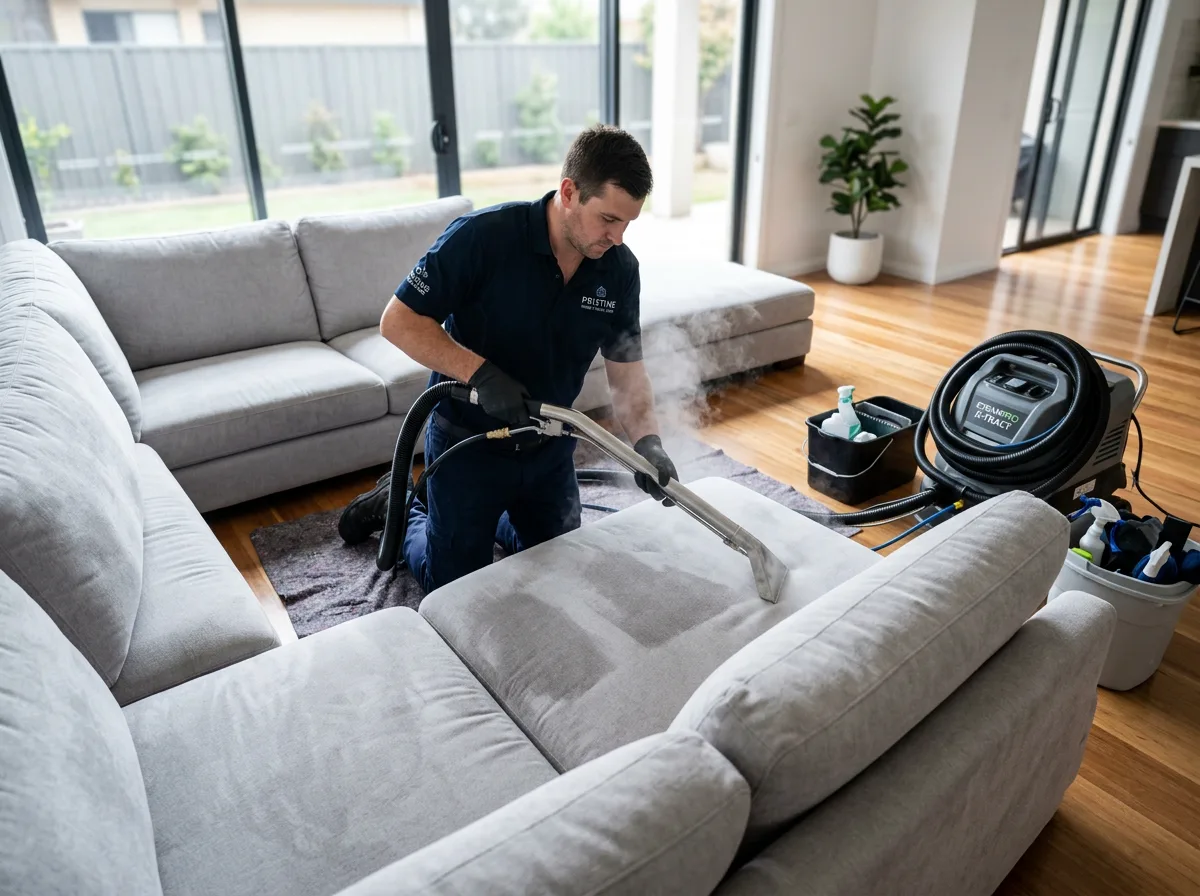
A restoration technician performing hot water extraction on a smoke-damaged sofa, removing embedded soot and odor from fabric and padding.
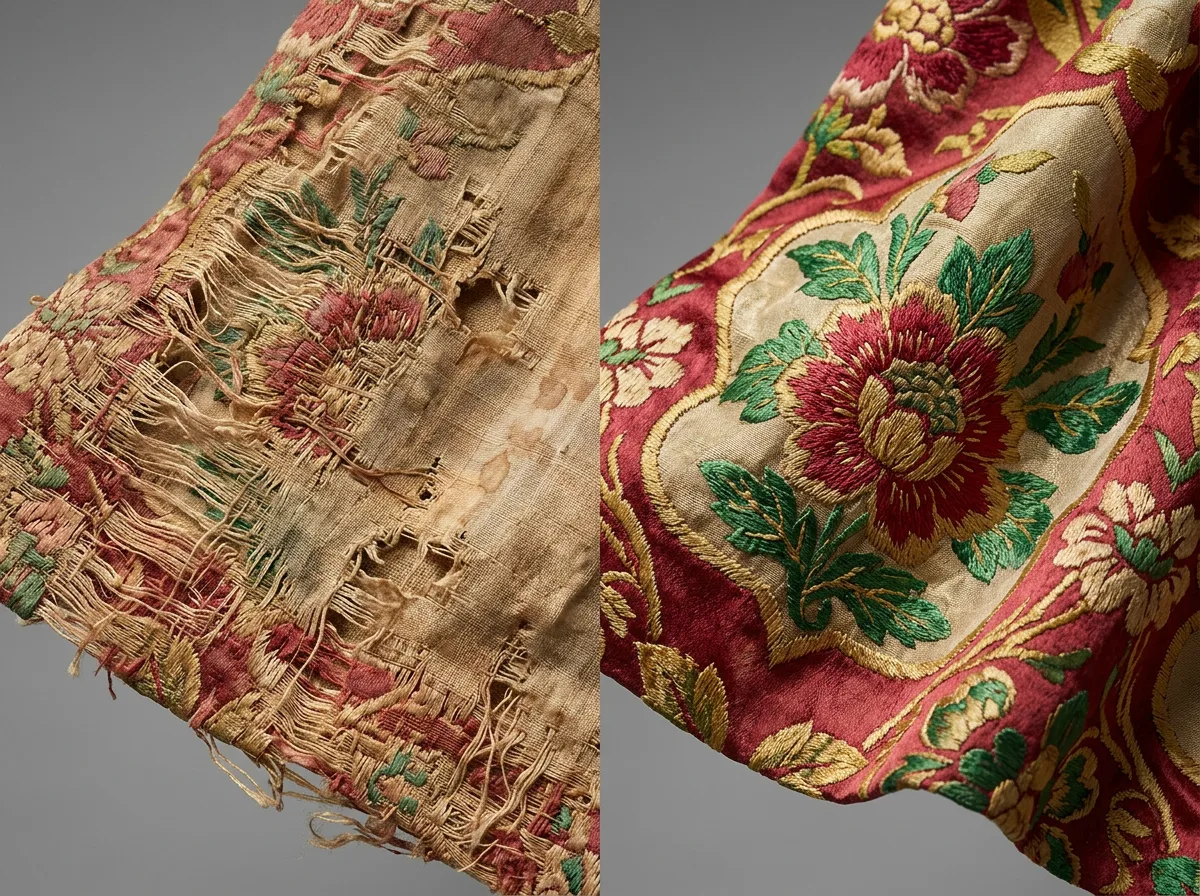
Comparison of an upholstered chair showing heavy smoke damage before cleaning and the restored result after professional treatment.
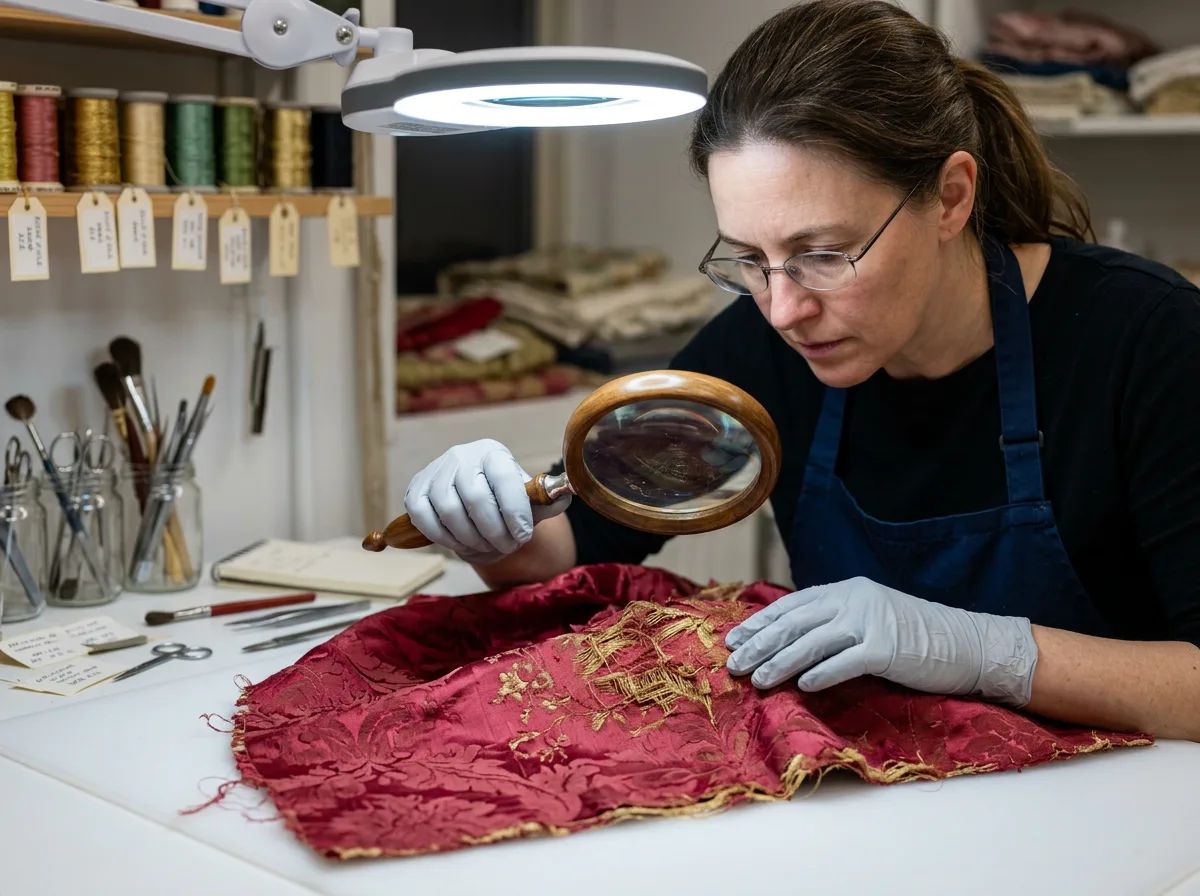
Colorfastness and fiber composition testing ensure the correct cleaning methods are used for each unique upholstery material.
Restoration Process
Each step is documented, tracked, and aligned with insurance requirements to ensure your textiles receive proper care.
Each piece is inspected to determine fabric composition, construction method, and colorfastness. Natural fibers, synthetics, and blends each require different cleaning chemistry and techniques.
Loose soot is removed with HEPA-filtered dry vacuums. Stains and heavy residue receive targeted pre-treatment. Water-damaged pieces undergo controlled extraction to remove moisture from padding and frame.
Hot water extraction or low-moisture encapsulation cleaning is applied based on fabric type. Ozone or hydroxyl treatment eliminates smoke odor from padding, frame, and fabric at the molecular level.
Cleaned pieces are inspected under multiple lighting conditions for residual staining, odor, and fabric integrity. Moisture meters confirm padding is fully dry before the piece is approved for return.
Florida
Florida's year-round humidity accelerates mold growth inside upholstery padding within 24-48 hours of water exposure. Rapid extraction and dehumidification are critical to prevent permanent biological contamination.
North Carolina
Wood stove and fireplace fires during winter months produce heavy particulate smoke that penetrates deep into upholstery padding. These losses often require extended ozone treatment beyond standard cycles.
Coastal Areas
Salt water from storm surge is highly corrosive to furniture frames and metal components like springs, staples, and hardware. We assess structural integrity alongside fabric restoration for coastal flood damage.
Continue Your Research
Every hour matters when it comes to textile restoration. Call now for immediate assessment and professional care for your fabrics and garments.