Step 1
NC uses standard ISO policy forms
Most NC homeowners policies follow standard Insurance Services Office (ISO) forms, making coverage more predictable than states with heavily customized policies.
North Carolina Insurance Guide
North Carolina's insurance market is more stable than Florida's, but NC homeowners still face unique considerations: coastal wind/hail deductibles, the Beach and Fair Plan, inland flooding risks, and ice storm damage. Here's what NC homeowners need to know.
Key Steps
Step 1
Most NC homeowners policies follow standard Insurance Services Office (ISO) forms, making coverage more predictable than states with heavily customized policies.
Step 2
If you live on the coast, check for percentage-based wind/hail deductibles similar to Florida's hurricane deductibles. These are less common inland.
Step 3
Homeowners in coastal counties who can't get private wind coverage may need the NC Beach and Fair Plan. This is a separate policy for wind/hail only.
Step 4
The NC Department of Insurance (1-855-408-1212) assists with complaints, claim disputes, and post-disaster resources. They are known for being consumer-friendly.
NC has a more stable, less contentious insurance market than Florida
Coastal NC homeowners should check for wind/hail deductibles and consider the Beach Plan
Inland flooding is a significant NC risk — separate flood insurance is wise even outside flood zones
NC DOI offers consumer-friendly assistance and post-disaster help
Ice and winter storm damage is covered under standard NC homeowners policies
In-Depth Guide
North Carolina's insurance market offers a significantly more stable and predictable environment than Florida's, but NC homeowners still face unique considerations that require informed decision-making. The state's geographic diversity — from the hurricane-exposed Outer Banks to the tornado-prone Piedmont to the flood-susceptible mountain valleys — means no single insurance strategy fits all NC homeowners. Understanding your specific regional risks and matching your coverage accordingly is the key to adequate protection.
The Charlotte metro area, where Palm Build maintains its NC office, faces a distinct risk profile dominated by severe thunderstorms, winter freezing events, and occasional tornado activity. Pipe bursts from winter freezing are among the most common and costly claims in the Charlotte area — a single burst supply line can cause tens of thousands of dollars in water damage within hours. Standard homeowners policies cover these events, but the key to fair settlement is rapid documentation and mitigation. The speed of water extraction and structural drying directly determines the scope and cost of restoration.
Coastal NC homeowners face a more complex insurance environment. The NC Beach and Fair Plan provides wind and hail coverage in 18 coastal counties, but it is a separate policy that requires coordination with your standard homeowners insurance. Wind/hail percentage deductibles may apply in coastal areas, functioning similarly to Florida's hurricane deductibles. And the inland flooding risk demonstrated by Hurricanes Florence and Matthew — which dumped historic rainfall across eastern NC — means separate flood insurance is prudent even for properties well outside FEMA-designated flood zones.
Visual Reference
Real-world examples of the documentation, coordination, and processes involved in insurance claims.
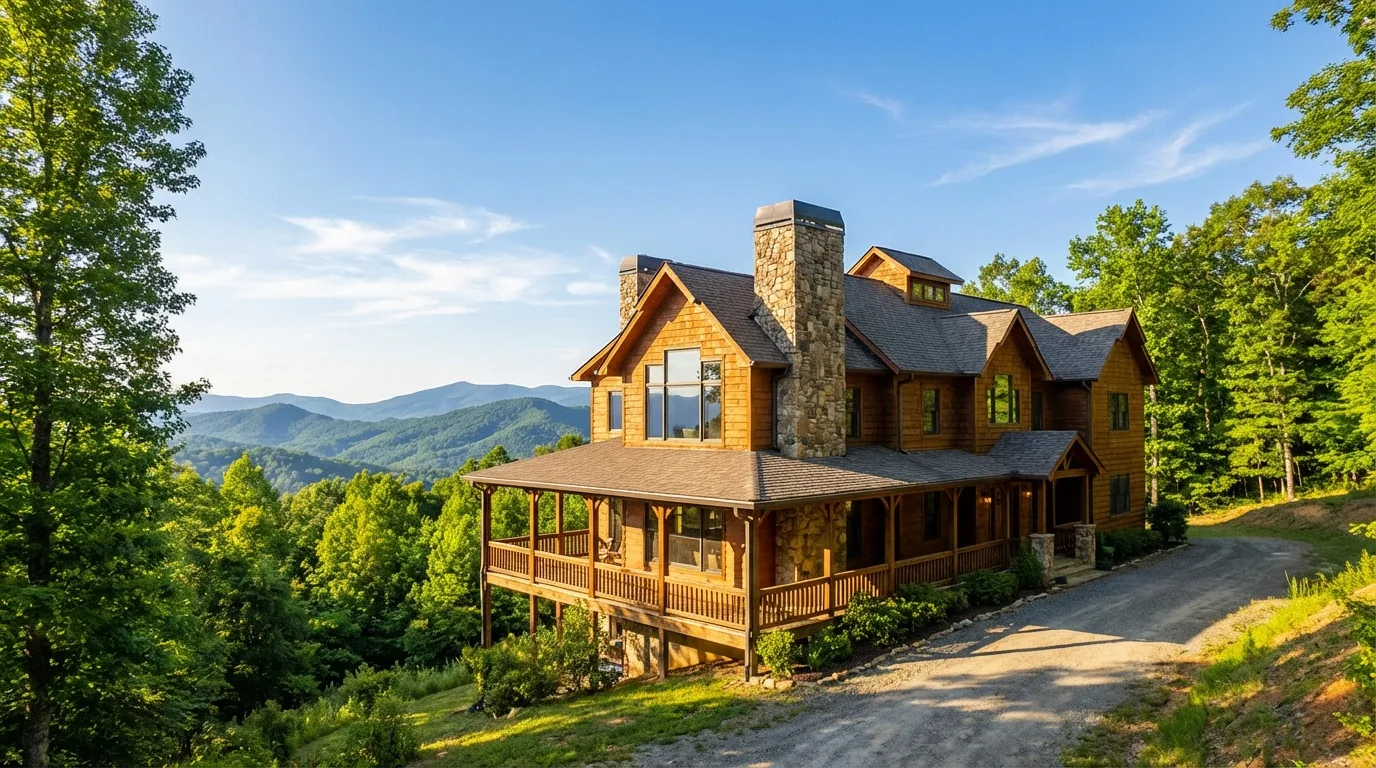
NC homeowners face unique risks from coastal wind to mountain flooding that require informed insurance decisions.

NC adjusters tend to be responsive and straightforward — good documentation leads to fair outcomes.

Pipe bursts from winter freezing are among the most common NC claims. Professional moisture readings establish the full extent of hidden damage behind walls and under floors.

NC insurers generally follow standard ISO procedures. Thorough documentation and prompt reporting lead to straightforward claim resolution in most cases.
Step-by-Step
Understanding each step gives you leverage and helps prevent common problems.
Understand your deductibles (standard and wind/hail), coverage limits, and any endorsements. NC policies are typically straightforward.
Coastal wind, inland flooding, winter ice storms, and tornado damage all happen in NC. Make sure your coverage matches your actual risk profile.
NC insurers and adjusters are generally cooperative. Thorough documentation leads to fair settlements.
1-855-408-1212. They investigate complaints, facilitate communication, and provide post-disaster assistance.
Charlotte Metro
Pipe bursts from winter freezing, severe thunderstorm wind damage, and hail are the most common claims. Standard deductibles apply for most perils.
Coastal NC (Outer Banks / Wilmington)
Wind/hail percentage deductibles may apply. The NC Beach Plan provides wind coverage where private insurers won't. Hurricane Florence caused massive inland flooding.
Western NC (Asheville / Mountains)
Mudslides, flash flooding, and winter storm damage are the primary concerns. Standard flood exclusions apply — consider separate flood coverage near waterways.
Common Questions
NC has a more stable insurance market with less carrier turnover, lower hurricane deductibles, and a more consumer-friendly regulatory environment. Standard ISO policy forms are common, making coverage more predictable. The NC DOI is known for being responsive to consumer complaints. However, coastal NC counties may have wind/hail percentage deductibles similar to Florida.
Yes. Ice dam damage — where ice buildup at roof edges prevents meltwater from draining, forcing water under shingles and into walls — is a covered peril under standard NC homeowners policies. Document the ice dam formation and resulting interior water damage separately to establish cause and effect for your claim.
The NC Insurance Underwriting Association (Beach Plan) provides wind and hail coverage for properties in 18 coastal counties where private insurers may not offer wind coverage. It is a separate policy from your homeowners insurance — you need both. The Beach Plan covers wind and hail damage only; your regular homeowners policy covers everything else.
While Charlotte is inland, flooding from heavy rain, creek overflow, and inadequate drainage affects properties throughout the metro area. Hurricane Florence (2018) demonstrated that inland NC flooding can be catastrophic. NFIP preferred-risk policies for properties outside high-risk flood zones are relatively affordable — often under $500 per year — and provide valuable protection.
Call the NC DOI Consumer Services hotline at 1-855-408-1212. They assist with claim disputes, stalled claims, and questions about coverage. The NC DOI is known for being responsive and consumer-friendly — filing a complaint often accelerates resolution of stuck claims. You can also file complaints online at ncdoi.gov.
Continue Reading
Our Charlotte team understands NC insurance. We help with documentation, adjuster coordination, and navigating NC DOI resources.