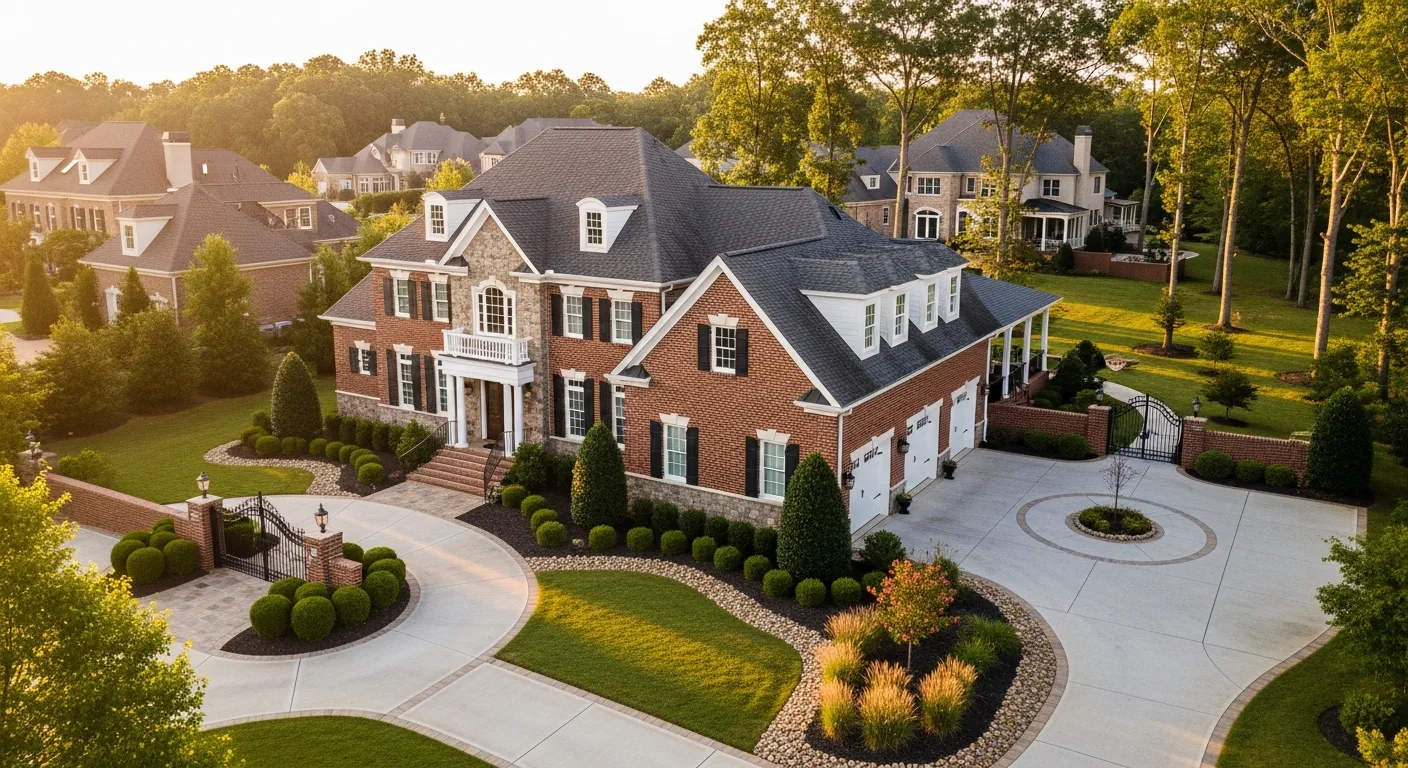
Reconstruction Services in Concord, North Carolina
From drywall replacement after a crawl space flood to full structural rebuilds after fire, Palm Build manages every phase of reconstruction in Concord — navigating the city's dual permit system, Cabarrus County building codes, historic district requirements, and insurance coordination — so one team takes your project from demolition through final walkthrough.
20 miles — Charlotte, NC 30-45 min Response IICRC Certified
Why Concord Reconstruction Requires Local Knowledge
Concord's dual permit system, historic district preservation requirements, and North
Carolina licensing laws create a reconstruction environment that generic contractors
struggle to navigate. A fire-damaged home on North Union Street faces different
regulatory hurdles than a water-damaged ranch in Christenbury — and both require a
contractor who understands Cabarrus County's specific process from day one.
Dual Permit System
2 offices
Separate permit authorities
Concord operates under a dual-review permitting model unique in the Charlotte metro. The City of Concord Planning Department handles zoning compliance — setbacks, lot coverage, land use — while Cabarrus County Construction Standards issues building permits for structural, electrical, mechanical, and plumbing work through the Accela online system. A reconstruction contractor unfamiliar with this split wastes weeks submitting to the wrong office or waiting for one approval before starting the other. Palm Build navigates both simultaneously.
Historic District Preservation
1880s-1930s
Historic housing stock
Concord's North Union Street and South Union Street corridors, along with the Edgewood neighborhood, contain homes dating from the 1880s through the 1930s. Reconstruction in these areas must satisfy the Preservation Steering Committee review — exterior materials, window profiles, porch details, and roofing materials must be period-appropriate. Submitting non-compliant plans triggers revision cycles that add 4-6 weeks to your project timeline.
NC General Contractor License
$30K+
NC license threshold
North Carolina requires a general contractor license for any project exceeding $30,000 — and most reconstruction projects after fire, water, or storm damage exceed that threshold easily. Palm Build holds full NC GC licensing for structural, electrical, mechanical, and plumbing work. We pull our own permits, manage all trade inspections, and ensure every phase meets current NC Residential Building Code.
Insurance-Funded Reconstruction
60-70%
Projects requiring supplements
Most Concord reconstruction projects are insurance-funded, which means every line item must be documented in Xactimate format, every scope change requires a supplement with photographic evidence, and every code-required upgrade needs an ordinance-and-law endorsement justification. Palm Build's documentation and estimating process is built specifically for insurance-funded work — not retrofit from a general contracting workflow.
Concord reconstruction projects require coordination with both the City of Concord
Planning Department and Cabarrus County Construction Standards — Palm Build manages both
permit tracks simultaneously to prevent delays.
Reconstruction by Damage Type
What We Rebuild After Every Type of Damage
Different damage types require different reconstruction scopes. Here's what Palm Build
handles for each category of loss in Concord homes — from minor drywall repair to full
structural rebuilds.
Water Damage Reconstruction
Hardwood floor replacement
Cupped, buckled, or delaminated boards replaced with matching species
Drywall & framing
Water-saturated drywall and swollen studs removed to dry substrate
Crawl space repair
Damaged joists, subflooring, vapor barriers, and insulation replaced
Kitchen/bath rebuild
Cabinet, countertop, tile, and fixture replacement after supply line failures
Fire Damage Reconstruction
Structural framing
Fire-compromised load-bearing walls, headers, and roof trusses rebuilt
Electrical rewiring
Heat-damaged wiring, panels, and fixtures replaced to current NC code
HVAC replacement
Ductwork, handlers, and condensers damaged by heat or soot contamination
Smoke/soot remediation
Deep cleaning or replacement of all smoke-affected surfaces and finishes
Storm Damage Reconstruction
Roof replacement
Partial or full roof tear-off and reinstallation with code-compliant materials
Window & door replacement
Impact-shattered or wind-compromised windows and entry doors
Siding repair
Vinyl, fiber cement, or wood siding blown off or cracked by wind-borne debris
Soffit & fascia
Wind-peeled soffit panels and rotted fascia boards replaced and sealed
Mold Damage Reconstruction
Framing replacement
Mold-colonized studs, plates, and headers cut out and replaced
Subfloor replacement
OSB or plywood subflooring with active mold growth removed and replaced
Insulation replacement
Fiberglass batts and blown-in insulation contaminated by mold spores
HVAC cleaning/replacement
Ductwork and handlers colonized by mold through crawl space connection
Reconstruction Timeline
The Concord Reconstruction Process
From damage assessment through final Cabarrus County inspection, here's how Palm Build
manages the reconstruction phase of your Concord restoration project.
01
Damage Assessment & Scope Development
Days 1-5
We walk the property with you and your insurance adjuster to develop a comprehensive reconstruction scope. Every damaged element is documented, measured, and priced using Xactimate — the same estimating software your insurance carrier uses. For Concord homes, we include line items for material matching, Cabarrus County code-required upgrades, and historic district compliance when applicable. This scope becomes the blueprint for permitting, material ordering, and construction scheduling.
02
Permit Acquisition via Cabarrus County Accela
Days 5-15
Building permits are submitted through Cabarrus County's Accela online portal for structural, electrical, mechanical, and plumbing work. Simultaneously, City of Concord Planning reviews zoning compliance — setbacks, lot coverage, and use restrictions. For historic district properties, we coordinate with the Preservation Steering Committee for exterior material approvals. Palm Build manages all permit applications and plan reviews — homeowners never need to visit a permitting office.
03
Demolition & Material Ordering
Days 10-20
Damaged materials are removed to clean substrate. For Concord's older homes with original hardwood, plaster, or custom trim, we carefully document salvageable materials for reuse or replication. Reconstruction materials are ordered based on the approved scope — specialty items like matching hardwood species, period-appropriate trim profiles for historic homes, and custom-milled components are ordered early to account for lead times of 2-6 weeks.
04
Structural Repair & Rough-In
Weeks 3-6
Framing, electrical rough-in, plumbing rough-in, HVAC modifications, and structural repairs are completed and inspected by Cabarrus County before drywall is installed. Code-required upgrades happen at this stage: updated electrical panels, GFCI protection, arc-fault breakers, insulation improvements, and structural connection enhancements. Each trade is inspected separately before the next phase begins.
05
Finish Work & Installation
Weeks 6-10
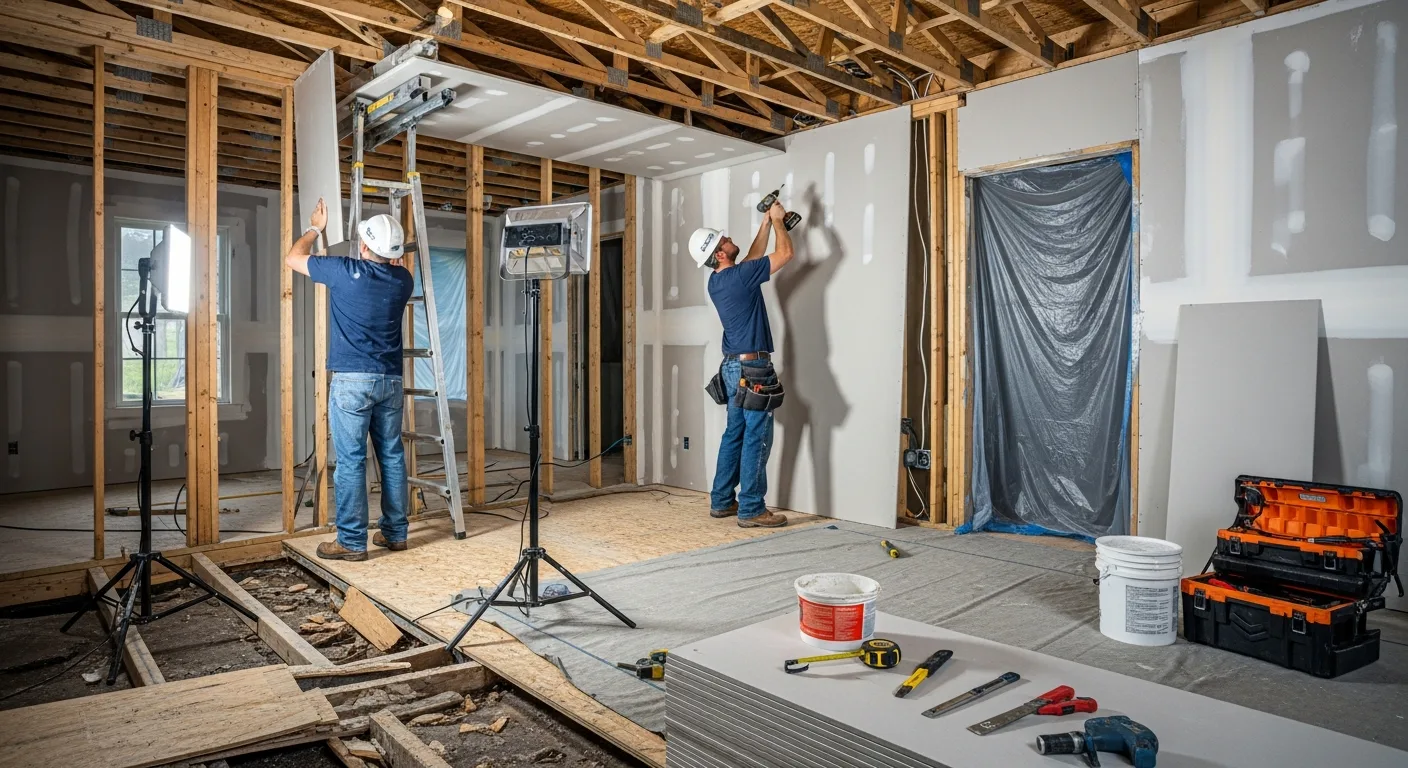
Drywall hanging, taping, and finishing. Flooring installation — hardwood, tile, carpet, or engineered wood. Cabinet and countertop installation. Painting, trim installation, and fixture mounting. For Concord historic homes, this phase includes custom millwork replication, period-appropriate paint colors, and architectural detail matching that satisfies Preservation Committee standards.
06
Final Inspection & Walkthrough
Week 10-12
Final inspections by Cabarrus County for electrical, plumbing, mechanical, and building. We schedule inspections proactively and address any corrections immediately. The final walkthrough with you confirms every item in the scope has been completed to satisfaction. A completion certificate is provided to your insurance carrier along with final photos and inspection records, triggering release of any held depreciation payments.
Concord Permit Guide
Concord's Dual-Review Permit Model
Unlike most Charlotte-metro cities where a single office handles all permits, Concord
splits responsibility between two separate authorities. Understanding this dual-review
model is essential — submitting to the wrong office wastes weeks. Palm Build manages
both permit tracks simultaneously.
City of Concord Planning
Zoning Compliance
Setbacks, lot coverage, land use restrictions, historic district exterior review
Required for any structural modification — framing, load-bearing wall changes, foundation repair. Submitted through Cabarrus County Accela portal.
Electrical Permit
Required for panel replacement, rewiring, new circuit installation, fixture changes. Separate inspection by Cabarrus County electrical inspector.
Mechanical Permit
Required for HVAC system replacement, ductwork modification, exhaust fan installation. Includes equipment sizing verification.
Plumbing Permit
Required for pipe replacement, fixture relocation, water heater installation, drain line repair. Includes pressure testing.
Floodplain Development Permit
Conditional
Additional permit required for properties in FEMA-designated Special Flood Hazard Areas along Rocky River and Irish Buffalo Creek. Includes elevation certificate requirements.
Zoning Compliance Review
City of Concord Planning reviews all reconstruction for setback compliance, lot coverage limits, and use restrictions before building permits are issued.
Accela Online Portal
Cabarrus County uses the Accela Citizen Access portal for permit applications, plan
review tracking, inspection scheduling, and status updates. Palm Build submits all
permits electronically through Accela and monitors review status daily — homeowners
receive updates at each milestone without needing to check the portal themselves.
Concord Pricing
Reconstruction Costs in Concord
These ranges reflect actual Concord and Cabarrus County project costs for
insurance-funded reconstruction work. Concord's mix of 1980s-1990s subdivisions and
newer Christenbury-era luxury homes means material costs and complexity vary widely.
Current residential reconstruction in the Concord area averages $160-$230 per square
foot depending on scope and finish level.
Minor Reconstruction
1-2 rooms, surface-level repairs
Drywall replacement (1-2 rooms)$2,000 - $6,000
Flooring repair/replacement$1,500 - $8,000
Paint & finish work$1,000 - $4,000
Minor electrical/plumbing$500 - $2,000
Total minor project$5,000 - $20,000
Major Reconstruction
Multi-room, structural involvement
Kitchen or bathroom rebuild$15,000 - $40,000
Structural framing repair$5,000 - $25,000
Electrical/plumbing rough-in$3,000 - $15,000
Roofing & exterior$8,000 - $30,000
Total major project$20,000 - $100,000+
Full Rebuild
Structural rebuild, whole house
Complete structural rebuild$60,000 - $150,000
Full mechanical systems$15,000 - $45,000
Interior finish (all rooms)$20,000 - $60,000
Code upgrades & permits$5,000 - $25,000
Total full rebuild$100,000 - $300,000+
Historic Preservation Expertise
Concord's Historic Districts: Reconstruction with Preservation Sensitivity
Concord's North Union Street, South Union Street, and Edgewood neighborhoods contain
some of Cabarrus County's most architecturally significant homes — Queen Anne
Victorians, Craftsman bungalows, Colonial Revivals, and early textile-era cottages
dating from the 1880s through the 1930s. When fire, water, or storm damage strikes these
homes, reconstruction isn't just about rebuilding — it's about preserving the
architectural character that makes these neighborhoods historically significant.
For restoration contractors unfamiliar with Concord's preservation requirements,
historic district reconstruction becomes a costly learning experience. Work gets
rejected by the Preservation Steering Committee, materials get returned to suppliers,
and timelines extend while the contractor figures out what the Committee requires. Palm
Build understands which materials, finishes, and architectural details satisfy review —
saving weeks of revision cycles.
Preservation Steering Committee Review
Exterior reconstruction in Concord's historic districts requires review by the Preservation Steering Committee. Proposed materials, window styles, porch details, and roofing types must be approved before work begins. Submitting non-compliant plans triggers revision cycles that can add 4-6 weeks to your project.
1880s-1930s Construction Methods
Concord's oldest homes feature balloon framing, plaster-over-lath walls, original-growth hardwood floors, and hand-milled trim profiles that cannot be matched with modern stock lumber. Reconstruction requires sourcing specialty materials, coordinating with architectural millwork suppliers, and employing craftsmen skilled in period-appropriate techniques.
Material Sensitivity
Period-appropriate exterior materials are non-negotiable in historic districts. Original clapboard siding profiles, wood window configurations, brick mortar color matching, standing-seam metal roofing, and historically accurate paint colors all factor into reconstruction scope and cost. Palm Build sources these materials from regional specialty suppliers before demolition begins.
Concord Historic Districts
North Union Street
South Union Street
Edgewood
Downtown Concord Core
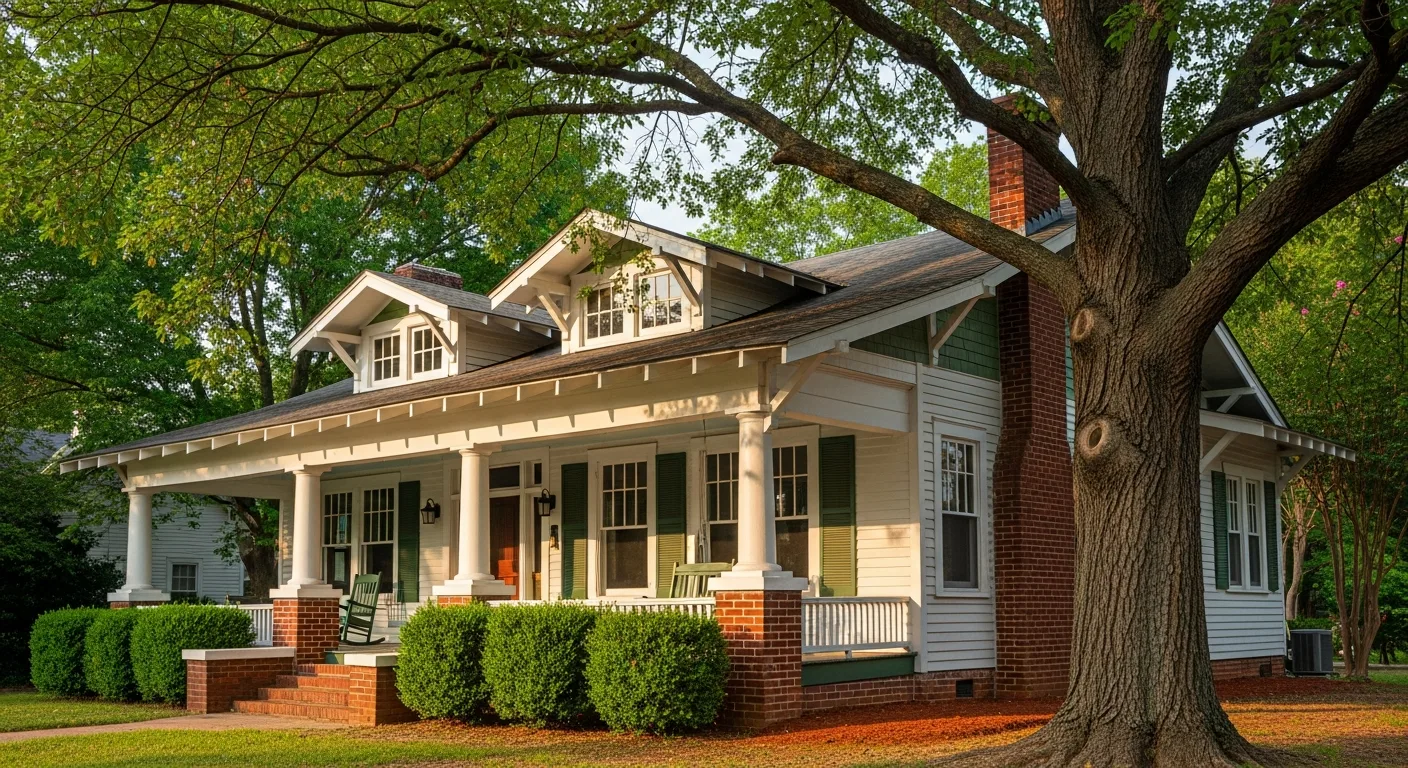
Concord's historic Craftsman homes require period-appropriate materials and
Preservation Steering Committee approval for all exterior reconstruction work
Important for homeowners:
Insurance policies cover reconstruction to pre-loss condition. For historic homes,
"pre-loss condition" includes period-appropriate materials — which cost more than
modern equivalents. Make sure your policy includes replacement cost coverage and an
ordinance-and-law endorsement to cover the difference.
Our Work
Concord Reconstruction Results
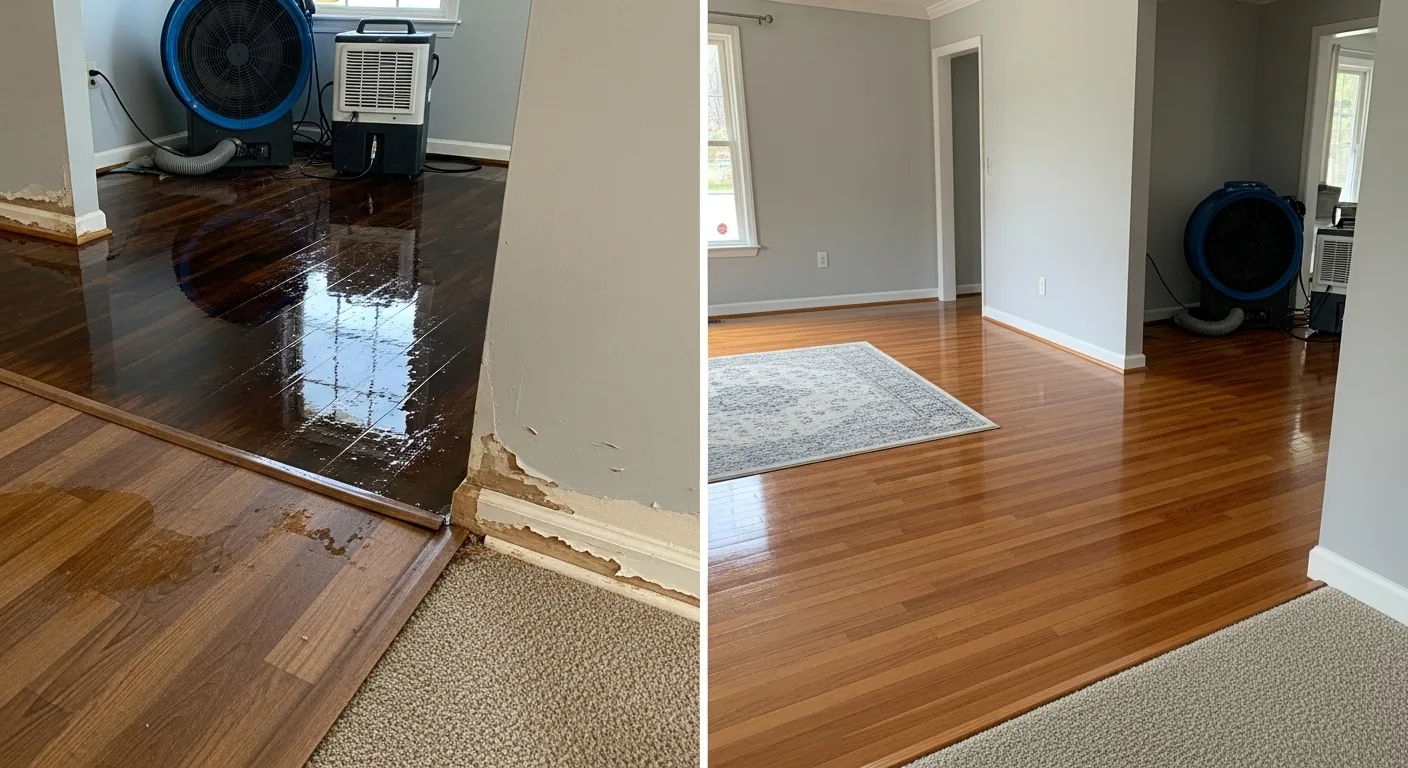
Water damage reconstruction: from saturated subfloor to fully restored living space
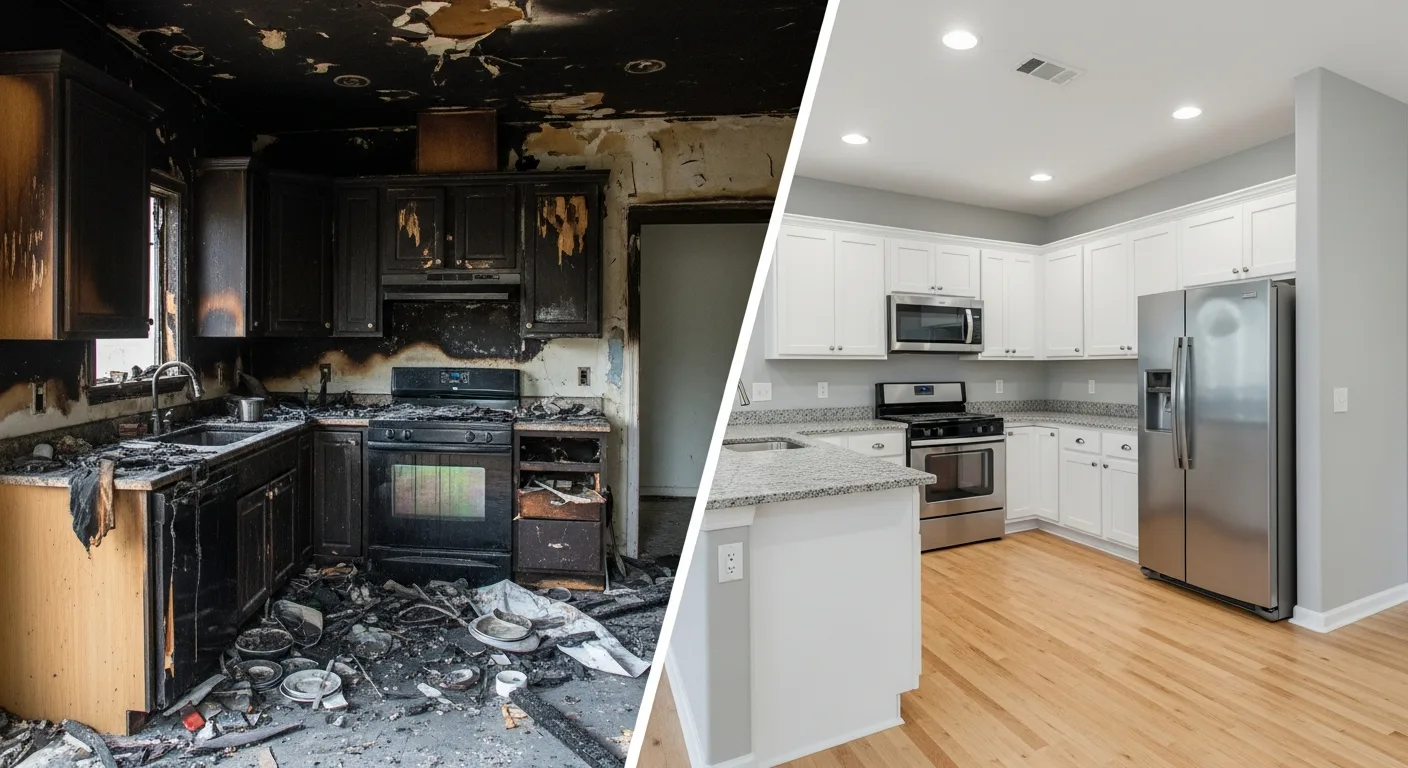
Fire damage reconstruction: structural rebuild with new framing, drywall, and finishes
Complete reconstruction: every trade coordinated under one project manager
Christenbury luxury home: premium materials and finishes matched to original spec
The Palm Build Difference
Why Concord Homeowners Choose Palm Build for Reconstruction
Dual Permit Navigation
We manage both sides of Concord's split permitting system simultaneously — City of Concord Planning for zoning compliance and Cabarrus County Construction Standards for building permits. No double submissions, no waiting for one office before starting with the other. This parallel approach saves 2-3 weeks compared to contractors who handle them sequentially.
Historic District Sensitivity
We understand what Concord's Preservation Steering Committee requires for exterior reconstruction in the North Union, South Union, and Edgewood historic districts. Period-appropriate materials, window profiles, trim details, and roofing specifications are built into our initial scope — not discovered during a rejection cycle.
NC General Contractor License
Palm Build holds full North Carolina general contractor licensing. We pull our own Cabarrus County permits, manage all trade inspections, and ensure code compliance throughout the reconstruction. No subcontracting the license, no unlicensed work, no inspection surprises.
Insurance Coordination & Xactimate
Our reconstruction estimates use the same Xactimate software and pricing database your insurance carrier uses. This eliminates format-based disputes, reduces supplement negotiation cycles, and ensures your claim is funded at the correct amount for Concord-area material and labor costs.
Single-Source Responsibility
Mitigation and reconstruction under one roof. Our mitigation team's documentation feeds directly into the reconstruction scope — no information lost in the handoff between companies. Reconstruction planning begins during the drying phase, not after it ends, saving Concord homeowners 2-4 weeks of displacement.
Common Questions
Concord Reconstruction FAQ
What permits are required for reconstruction in Concord?
Concord uses a dual permit system. Zoning review goes through the City of Concord Planning Department at 35 Cabarrus Avenue West (704-920-5152), while building permits are issued by the Cabarrus County Construction Standards Division at 65 Church Street South (704-920-2128). Both use the Cabarrus County Accela online portal. Structural, electrical, mechanical, and plumbing work each require separate permits and inspections. Properties in the North Union, South Union, or Edgewood Historic Districts may also require Preservation Steering Committee review for exterior changes. Floodplain properties need an additional permit from the Planning Department.
How long does reconstruction take after fire or water damage in Concord?
Minor reconstruction such as single-room drywall and flooring replacement takes 1-3 weeks. Moderate projects involving multiple rooms, a kitchen, or bathroom run 4-8 weeks. Major structural rebuilds after significant fire or storm damage take 8-16 weeks. Christenbury luxury homes with premium finishes and custom millwork may extend to 16-20 weeks due to material sourcing and specialty subcontractor coordination. Historic district properties can add 2-4 weeks for Preservation Committee review.
Does Palm Build handle reconstruction in Concord's historic districts?
Yes. Concord's North Union Street, South Union Street, and Edgewood Historic Districts require that exterior reconstruction maintain the district's architectural character. The Preservation Steering Committee may review proposed changes before building permits are issued. Palm Build initiates this review during the mitigation phase so it runs parallel to — not after — permit applications. We source period-appropriate materials, match original trim profiles, and coordinate with preservation requirements alongside standard building code compliance.
What is Chinese drywall and could my Concord home have it?
Chinese drywall is sulfur-emitting drywall imported from China that was widely used during the 2004-2007 construction boom when domestic supply couldn't keep up with demand. Homes in Concord's Christenbury corridor and other subdivisions built during this period are at risk. The sulfur emissions corrode copper plumbing, electrical wiring, and HVAC evaporator coils — causing premature system failures and a distinctive rotten-egg odor. Full remediation requires removing all affected drywall, inspecting and replacing corroded copper, and replacing HVAC coils. If your home was built between 2004 and 2007 and has never been tested, a reconstruction project is the right time to investigate.
Why do 1990s Concord homes need subfloor replacement after water damage?
Many Concord homes built from the late 1980s through the 1990s — in neighborhoods like Castlebrooke, Oak Park, and Sheffield Manor — used composition board (OSB) subflooring instead of plywood. OSB swells irreversibly when exposed to water. Unlike plywood, which can sometimes be dried and salvaged, OSB that has absorbed moisture permanently expands and loses structural integrity. After a crawl space flood, pipe burst, or any sustained water exposure, affected OSB panels must be cut out and replaced — there is no drying option. This is the single largest driver of water damage reconstruction costs in this era of Concord home.
Does insurance cover reconstruction after damage in Concord?
Yes — if the original damage was caused by a covered peril such as fire, sudden water damage, or wind, your homeowners insurance covers reconstruction to pre-loss condition. However, when reconstruction triggers code-required upgrades — updated electrical panels, GFCI outlets, modern smoke detectors, structural connections — standard coverage only pays to rebuild to the original specification. An ordinance-and-law endorsement covers the gap, which can be $10,000-$50,000 for pre-1990 Concord homes. Palm Build coordinates directly with your adjuster and submits supplements when hidden damage or code requirements expand the original scope.
What makes Christenbury luxury home reconstruction different?
Christenbury Hall and Christenbury Glen estate homes are valued over $1 million and feature premium finishes that require specialized reconstruction: custom hardwood flooring, designer tile, granite and quartz countertops, high-end cabinetry, custom millwork, and integrated smart home systems. Standard reconstruction crews using builder-grade materials will not match the pre-loss condition your insurance policy guarantees. Palm Build sources premium materials, coordinates with specialty subcontractors for home automation and luxury finishes, and manages the extended timelines these projects require — typically 12-20 weeks for significant damage.
Can Palm Build match original materials in older Concord homes?
Yes. Concord's older neighborhoods — the historic districts, Beverly Hills, Logan, West Concord — feature original hardwood floors, plaster walls, custom millwork, and period-specific materials that cannot be replaced with standard modern equivalents. We source matching hardwood species, replicate trim profiles, and use appropriate plaster or specialty finishes to maintain the home's character. For historic district properties, material matching is not just aesthetic — it may be required by the Preservation Steering Committee for exterior reconstruction elements.
Need Reconstruction After Damage in Concord?
Palm Build handles the full rebuild — from demolition through final walkthrough — with one team, one point of contact, and full permit coordination through Concord's dual system. No handoffs to separate contractors, no gaps in your timeline.