Reconstruction Services in Fort Lauderdale, Florida
Fort Lauderdale sits inside the High Velocity Hurricane Zone — the strictest construction code jurisdiction in the United States. Every reconstruction project here must meet HVHZ standards, navigate Broward County's 40-year building recertification requirements, and address aging CBS construction found in 62% of the city's pre-1980 housing stock. Palm Build handles the full rebuild from our Deerfield Beach hub — demolition through final Broward County inspection — with one team, one project manager, and insurance coordination throughout.
Deerfield Beach — Minutes from Fort Lauderdale Under 30 min Response IICRC Certified
Full-Scope Reconstruction for Fort Lauderdale Homes
Palm Build's reconstruction covers every trade and material needed to return your Fort
Lauderdale home to pre-loss condition — rebuilt to current HVHZ standards. From CBS
stucco systems to terrazzo floor restoration, here's what we handle with South
Florida-specific expertise.
CBS Wall & Stucco Systems
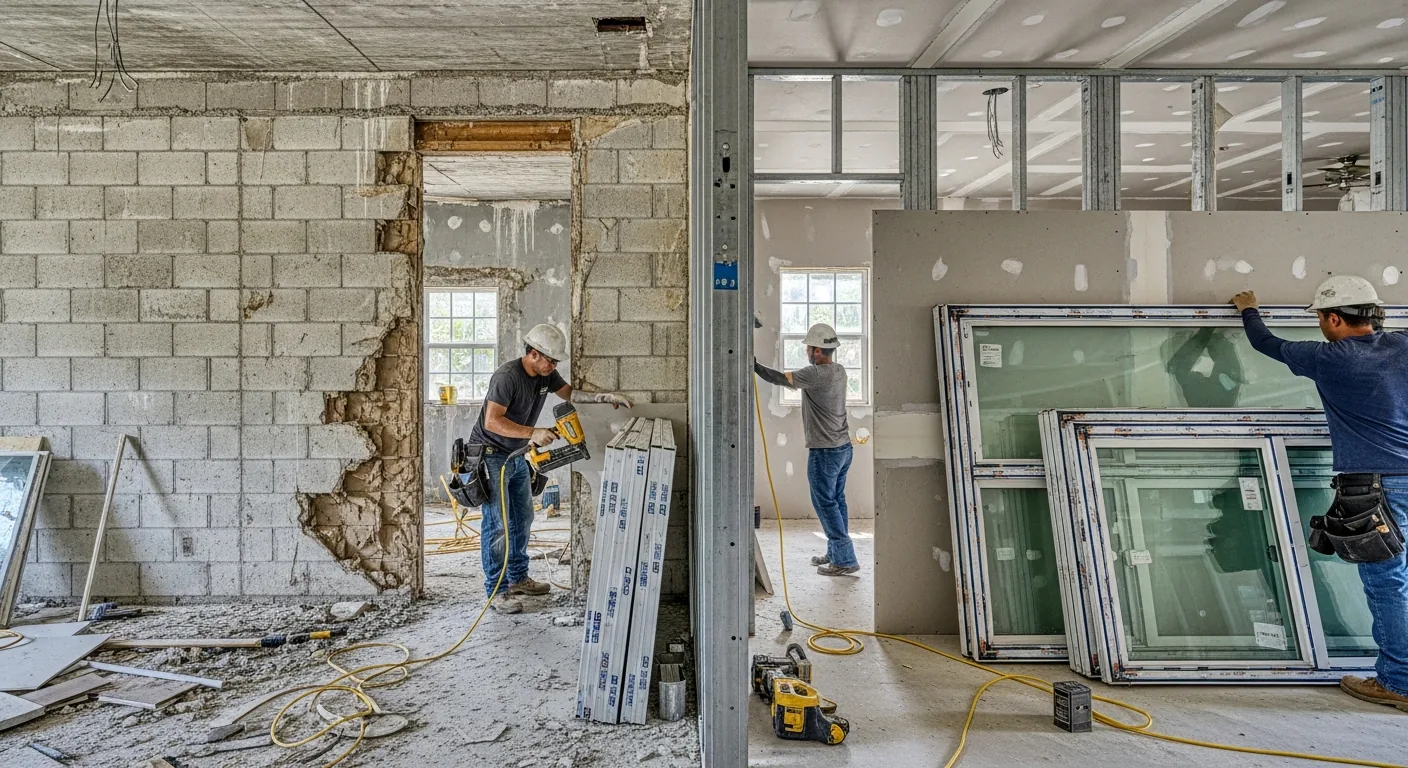
Fort Lauderdale's concrete block stucco (CBS) construction dominates the housing stock — and it behaves fundamentally differently than wood-frame construction during and after damage. Water intrusion behind CBS walls migrates through porous concrete block via capillary action, often saturating areas far from the visible damage point. Fire-damaged CBS may require structural evaluation of the block integrity itself. Reconstruction demands removal of damaged stucco to clean substrate, assessment of the underlying block for moisture absorption and efflorescence, installation of proper moisture barriers, and reapplication of multi-coat stucco systems — all to current HVHZ specifications.
Flooring & Finish Work
Fort Lauderdale homes span the full spectrum: terrazzo floors in Mid-Century Modern Coral Ridge homes, marble and travertine in Las Olas waterfront estates, porcelain tile in contemporary builds, and engineered hardwood throughout Victoria Park. After water damage, natural stone and terrazzo require professional grinding, honing, and re-sealing — not just replacement. Terrazzo restoration is a specialized trade; improper techniques destroy the original aggregate pattern permanently. We source matching stone from original quarry lots and coordinate with terrazzo specialists who understand South Florida's vintage floor systems.
Electrical & Plumbing
HVHZ electrical requirements exceed the rest of Florida: whole-house surge protection, GFCI outlets throughout all habitable areas, arc-fault breakers, and hurricane-rated electrical panels are mandatory during reconstruction. Plumbing reconstruction in Fort Lauderdale frequently involves replacing polybutylene piping — widespread in homes built between 1978 and 1995 — with modern CPVC or PEX systems. Chinese drywall homes (2001-2008) may have corroded copper supply lines requiring full replacement. All work must pass Broward County inspection.
Kitchen & Bathroom Rebuilds
Fort Lauderdale kitchen and bathroom reconstruction demands coordination across all trades — plumbing, electrical, cabinetry, stone fabrication, tile, painting, and fixture installation. In waterfront homes along Las Olas Isles and Seven Isles, salt air corrosion affects fixtures and hardware that must be specified in marine-grade materials during the rebuild. Complete gut-outs require HVHZ-compliant moisture barriers, properly rated exhaust systems, and updated plumbing that meets current Broward County code.
Roofing & Exterior
HVHZ roofing standards are the most demanding in the nation. Barrel tile on Mediterranean Revival homes must be installed with mortar-set or mechanical attachment systems rated for HVHZ wind speeds — up to 180 mph design pressure. Flat roofs on contemporary builds require HVHZ-rated membrane systems with enhanced edge securement. All impact windows and doors must carry Miami-Dade NOA (Notice of Acceptance) approval. Stucco exterior reconstruction requires proper lath, three-coat application, and texture matching — with HVHZ-rated wall assemblies behind the finish.
Architectural Detail Matching
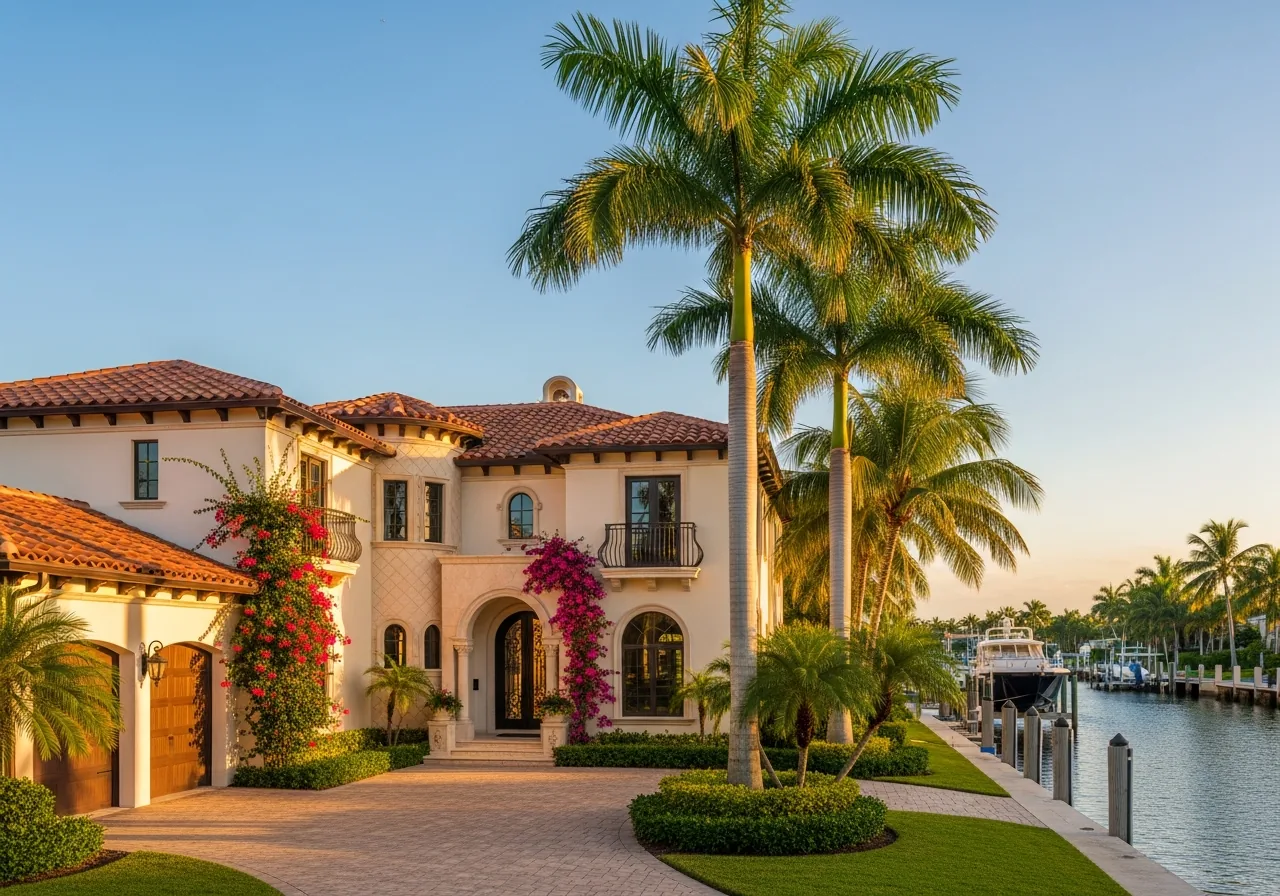
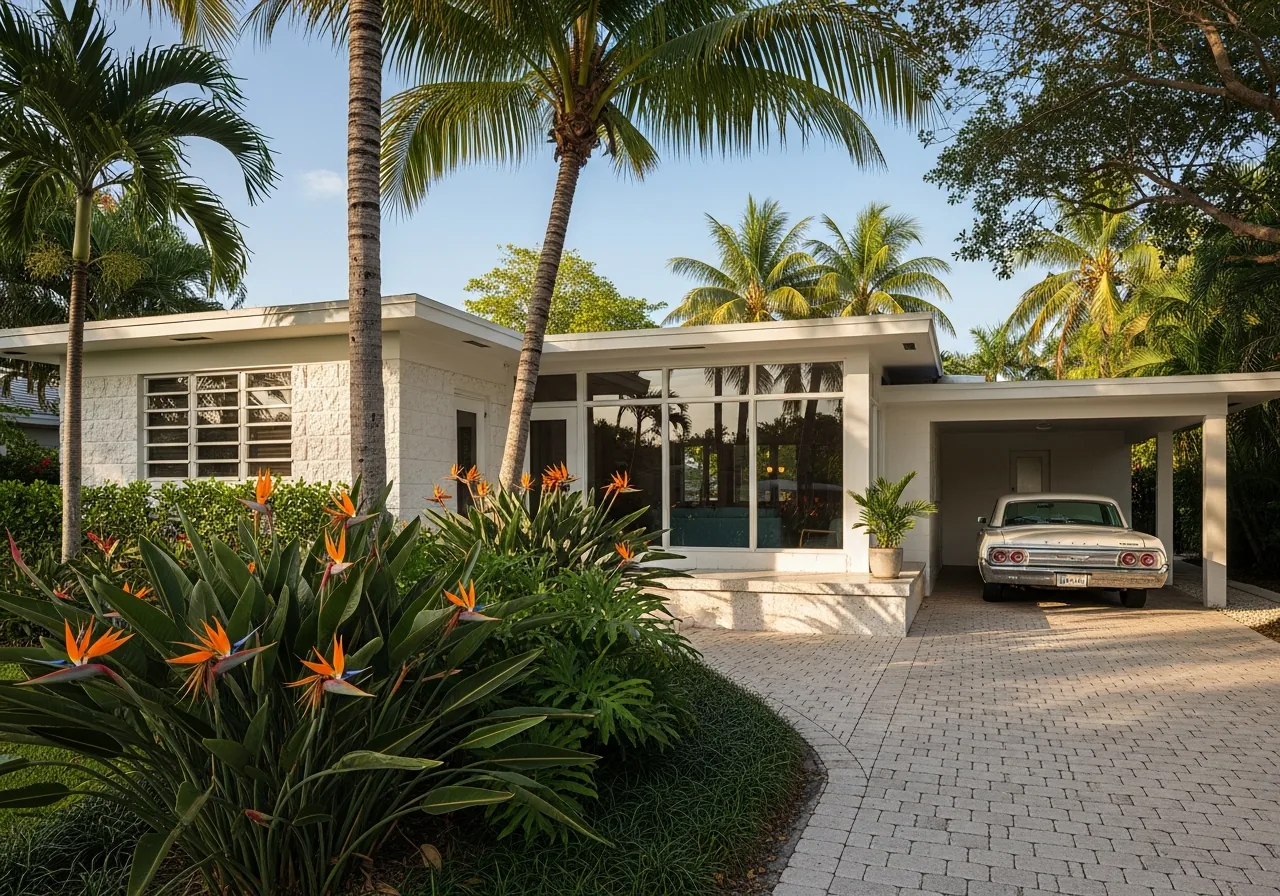
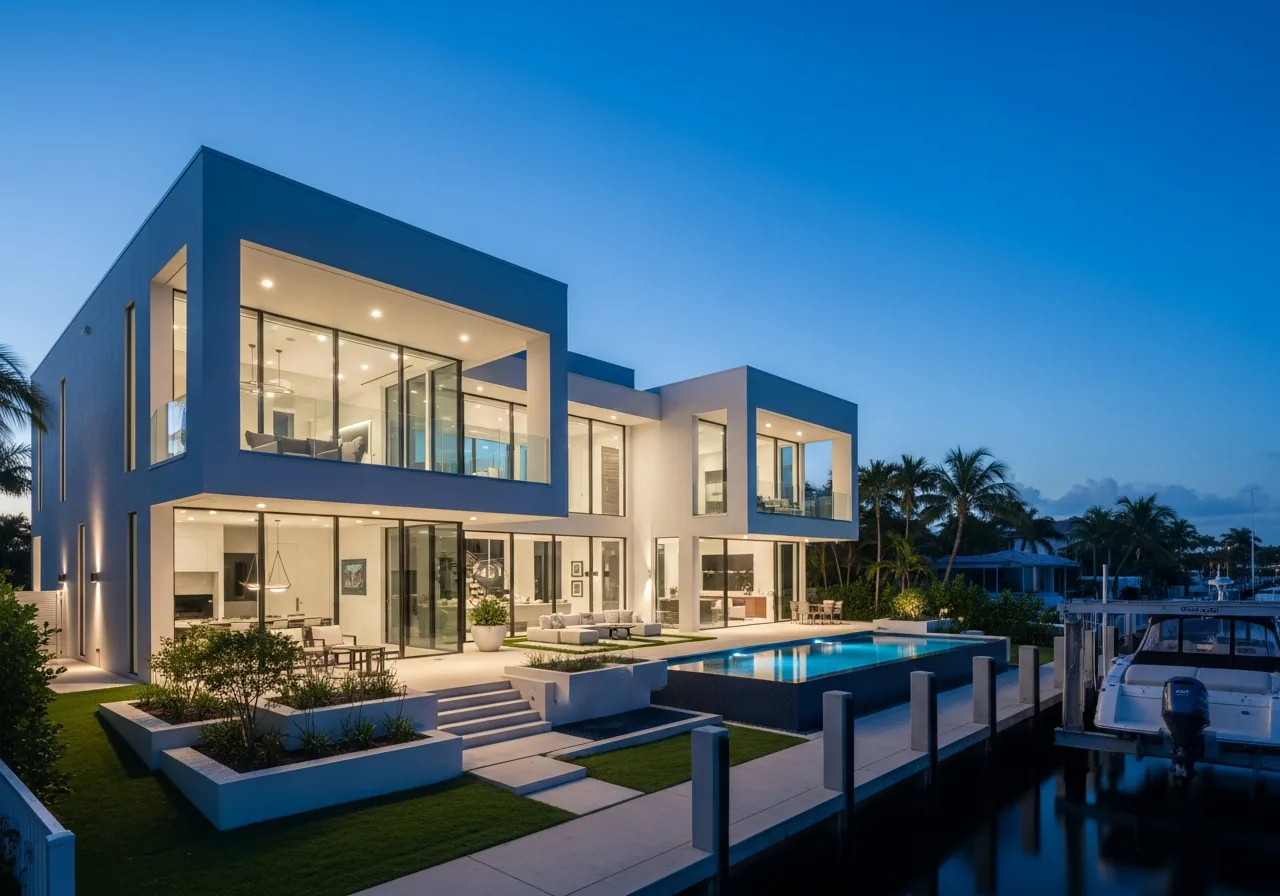
Fort Lauderdale's three dominant architectural styles each present unique reconstruction challenges. Mediterranean Revival homes (Las Olas, Harbor Beach) feature barrel tile, cast stone columns, arched openings, and wrought iron railings. Mid-Century Modern homes (Imperial Point, Coral Ridge) feature original terrazzo, jalousie windows, decorative concrete block screens, and distinctive horizontal lines. Contemporary builds feature clean stucco, impact glass curtain walls, and flat roof systems. We match materials, proportions, and architectural vocabulary specific to each style.
Fort Lauderdale-Specific Expertise
Three Architectural Styles, Three Reconstruction Approaches
Fort Lauderdale's architectural diversity demands reconstruction expertise across
Mediterranean Revival, Mid-Century Modern CBS, and Contemporary styles — each with
different materials, structural systems, and preservation challenges. Generic
contractors treat every home the same. We don't.
Mediterranean Revival
1920s-present
Las Olas Harbor Beach Rio Vista Colee Hammock
Barrel tile roofing, multi-coat textured stucco in earth tones, arched openings with keystone accents, cast stone columns and balustrades, wrought iron railings, decorative tile work, and courtyards. Reconstruction demands sourcing period-appropriate barrel tile profiles, matching stucco textures by hand, replicating cast stone details, and restoring wrought iron elements — all while meeting HVHZ wind-resistance standards that the original construction never contemplated.
Reconstruction Note
Barrel tile must be mechanically fastened or mortar-set to HVHZ standards. Arched openings require structural lintels rated for current wind loads. Cast stone replacement pieces must match original profiles exactly.
Mid-Century Modern / CBS Ranch
1950s-1970s
Imperial Point Coral Ridge Victoria Park Wilton Manors adjacent
Concrete block stucco (CBS) construction with flat or low-slope roofs, original terrazzo flooring, jalousie windows, decorative concrete block screens (brise-soleil), carport conversions, and distinctive horizontal lines. These homes are the backbone of Fort Lauderdale's housing stock — and the most likely to contain polybutylene plumbing, require 40-year recertification, and need HVHZ upgrades during reconstruction.
Reconstruction Note
Terrazzo restoration requires diamond-grinding specialists. Jalousie windows must be replaced with HVHZ-rated impact alternatives. Decorative block screens may need structural reinforcement. Flat roofs require HVHZ-rated membrane systems.
Contemporary Modern
2000s-present
New builds across Fort Lauderdale Las Olas infill Flagler Village
Impact glass curtain walls, clean smooth stucco, flat roof systems with parapet walls, open floor plans, rooftop terraces, and minimalist detailing. These homes were built to current HVHZ standards but reconstruction after damage still requires HVHZ-compliant materials and methods — impact glass replacement alone can run $800-$1,500 per opening with 6-10 week lead times for custom sizes.
Reconstruction Note
Impact glass curtain wall systems require manufacturer-certified installers. Flat roof membrane replacement must meet HVHZ edge securement standards. Clean stucco demands precision finish work — any imperfection is visible.
Understanding the Process
Mitigation vs. Reconstruction: Why One Company Should Handle Both
Property restoration has two distinct phases — and the gap between them is where Fort
Lauderdale projects go sideways. In South Florida's year-round heat and humidity (rarely
below 60% relative humidity even in winter), mold colonizes exposed CBS walls and
framing within 24-48 hours. Every day of delay between mitigation completion and
reconstruction start expands the scope.
Phase 1: Mitigation
Mitigation stops the active damage. For water damage, this means extraction and
structural drying — critical in Fort Lauderdale where ambient humidity regularly exceeds
80% during the May-October rainy season. For fire, it's board-up, soot stabilization,
and water removal from fire suppression. For hurricanes, it's emergency tarping, debris
clearing, and securing the building envelope against further moisture intrusion.
Mitigation is urgent — it begins within hours and typically takes 3-7 days.
Many restoration companies — especially national franchises operating in South Florida —
only handle this phase. When mitigation is complete, they hand your project off to a
separate general contractor for reconstruction. In Fort Lauderdale's market, this
handoff creates a gap of weeks where nothing happens while the new contractor learns the
home's HVHZ requirements, CBS construction details, and Broward County permit process.
Phase 2: Reconstruction
Reconstruction rebuilds what was damaged. This is the general contracting phase: stucco
repair, drywall replacement, flooring installation, cabinetry, countertops, painting,
trim, electrical, plumbing, roofing, and finish work. In Fort Lauderdale, reconstruction
requires permits from the Broward County Building Division, HVHZ code compliance (impact
windows, hurricane straps, enhanced structural connections), inspections at multiple
stages, and coordination with your insurance adjuster on scope and pricing.
When the same company handles both mitigation and reconstruction, the transition is
seamless. Our reconstruction team reviews the scope during mitigation — not after it's
complete. Permits are submitted while drying is still underway. Materials are ordered
before the last dehumidifier leaves. For Fort Lauderdale homes requiring HVHZ-rated
impact windows (6-10 week lead times), this early ordering can save months.
Palm Build: One Team, Both Phases
Palm Build handles mitigation and reconstruction as a single coordinated project. No
handoffs to separate contractors, no gaps in your timeline, no duplicated documentation,
no conflicting estimates. One project manager, one insurance contact, one team from
emergency response through final Broward County inspection — critical for Fort Lauderdale
homes where HVHZ code compliance and CBS construction complexity demand continuity.
From scope development through final Broward County inspection, here's how Palm Build
manages the reconstruction phase of your Fort Lauderdale restoration project — including
HVHZ code compliance, 40-year recertification considerations, and specialty material
coordination.
01
Scope Assessment & Estimating
Days 1-5
We walk through the property with you and your insurance adjuster to develop a comprehensive reconstruction scope. Every damaged item is documented, measured, and priced using Xactimate — the industry-standard estimating software insurance carriers use. For Fort Lauderdale's CBS homes, we include line items for HVHZ-required upgrades (impact windows, hurricane straps, enhanced roof systems), polybutylene plumbing replacement where applicable, Chinese drywall remediation if present, and architectural detail matching for Mediterranean Revival, Mid-Century Modern, or Contemporary styles.
02
Permit Acquisition & Code Review
Days 5-15
City of Fort Lauderdale Building Services Division permits are submitted for all structural, electrical, mechanical, and plumbing work. HVHZ compliance is verified for every element — impact ratings, wind-load calculations, structural connection details. Florida's 50% substantial improvement rule is evaluated: if reconstruction costs exceed 50% of the home's pre-damage market value, the entire structure must meet current code including flood elevation in FEMA zones. Broward County's 40-year recertification status is checked — pending recertification items may need to be addressed during reconstruction.
03
Demolition & Material Prep
Days 10-20
Damaged materials are removed to clean substrate. During demolition, we identify hidden conditions: Chinese drywall (hydrogen sulfide smell, blackened copper), polybutylene plumbing, corroded electrical, mold behind CBS walls. HVHZ-rated impact windows are ordered immediately — lead times run 6-10 weeks for custom sizes. Specialty materials (barrel tile for Mediterranean Revival, terrazzo aggregates for Mid-Century restoration) are sourced from specific manufacturers. Insurance supplements are filed for any hidden damage discovered during demolition.
04
Structural & Rough-In Work
Weeks 3-8
Framing, electrical rough-in, plumbing rough-in, HVAC modifications, and structural repairs are completed and inspected before finishes are installed. This is where HVHZ upgrades happen: hurricane straps at every roof-to-wall and wall-to-foundation connection, impact-rated window and door installation, upgraded electrical panels with whole-house surge protection, GFCI protection throughout, arc-fault breakers, and enhanced wind-resistance detailing. Each trade is inspected separately by Broward County.
05
Finish Work & Specialty Installation
Weeks 6-14
Stucco application and texturing to match existing architectural style. Flooring installation — including terrazzo restoration for Mid-Century homes. Cabinet and countertop installation. Barrel tile roofing with HVHZ-rated attachment. Custom millwork and trim. Painting including specialty finishes. Fixture installation. For Fort Lauderdale's diverse architectural stock, this phase involves coordinating style-specific subcontractors alongside standard trades to achieve the finish quality each home's architecture demands.
06
Final Inspections & Walkthrough
Project Completion
Final electrical, plumbing, mechanical, and building inspections by the City of Fort Lauderdale Building Services Division. HVHZ compliance is verified for all hurricane-hardening elements. We schedule inspections proactively and address any corrections immediately. The final walkthrough with the homeowner confirms every item in the scope has been completed to satisfaction. A completion certificate and all HVHZ compliance documentation are provided to your insurance carrier for final payment release.
HVHZ Code Compliance
Code Compliance During Fort Lauderdale Reconstruction
Fort Lauderdale sits inside the High Velocity Hurricane Zone — the most demanding
construction code jurisdiction in the United States. HVHZ standards exceed the rest of
Florida's already-strict Building Code. During reconstruction, every structural,
electrical, and mechanical element must meet current HVHZ requirements — not the code
the home was originally built under. Broward County's 40-year building recertification
adds another compliance layer, and post-Surfside milestone inspections now apply to
condos and co-ops over 3 stories at 25 and 40 years.
HVHZ Upgrade Requirements
Impact-rated windows and doors with Miami-Dade NOA approval
Typically required for: Pre-2002 homes
Hurricane straps at every roof-to-wall and wall-to-foundation connection
Typically required for: Pre-2002 homes
Wind-resistant roof covering tested to HVHZ wind speeds (up to 180 mph)
Typically required for: Pre-2007 homes
Whole-house surge protection and upgraded electrical panel
Typically required for: Pre-2008 homes
GFCI outlets in all habitable areas (HVHZ exceeds NEC minimums)
Typically required for: Pre-2014 homes
Arc-fault circuit interrupter (AFCI) breakers for all living spaces
Typically required for: Pre-2008 homes
Insulation upgrades to current Florida Energy Code R-values
Typically required for: Pre-2012 homes
Flood elevation compliance in FEMA SFHA zones (if 50% threshold exceeded)
Typically required for: All ages in flood zones
What Requires Permits vs. What Doesn't
Work ItemPermit Required
Structural wall removal or modificationYes
Electrical panel upgrade or rewiringYes
Plumbing rerouting or pipe replacementYes
Impact window and door installationYes
Roof replacement or repairYes
HVAC system replacementYes
Interior painting (no structural changes)No
Cabinet replacement (same footprint)No
Flooring replacement (no subfloor work)No
Fixture replacement (same location)No
40-Year Building Recertification
Broward County requires structural and electrical recertification for buildings
40+ years old (every 10 years after). With 62% of Fort Lauderdale housing built
before 1980, most properties are subject to this requirement. During
reconstruction, outstanding recertification items may need to be addressed — or
the reconstruction itself may trigger a recertification review. Palm Build
coordinates with Broward County Building Division to ensure reconstruction scope
satisfies both damage repair and recertification requirements simultaneously.
Post-Surfside Milestone Inspections
Following the Champlain Towers South collapse in Surfside (2021), Florida enacted
SB 4-D requiring milestone inspections for condos and co-ops over 3 stories at 25
years (within 3 miles of the coast) and 40 years. Fort Lauderdale's condo stock is
heavily affected. During reconstruction of condo units, structural integrity of
the building envelope, balconies, and common elements may need to be verified as
part of the milestone inspection timeline.
Fort Lauderdale-Specific Issue
Chinese Drywall: A Critical Fort Lauderdale Reconstruction Concern
Between 2001 and 2008, defective Chinese-manufactured drywall was installed in an
estimated 100,000+ US homes — and Florida accounted for approximately 60% of all
complaints. Fort Lauderdale's construction boom during this period means thousands of
homes and condos in the city may contain this material. During any reconstruction
project, identifying and remediating Chinese drywall is critical.
What Is Chinese Drywall?
Chinese drywall (CDW) contains high levels of sulfur compounds — primarily hydrogen
sulfide (H2S) — that off-gas in warm, humid conditions. Fort Lauderdale's year-round
subtropical climate accelerates this off-gassing. The hydrogen sulfide corrodes copper
plumbing, HVAC evaporator coils, electrical wiring, and metal fixtures. Health effects
include respiratory irritation, headaches, and nosebleeds.
CDW was imported during a US drywall shortage caused by the combined demand of
Florida's post-2004/2005 hurricane reconstruction boom and the nationwide housing
bubble. It was installed by legitimate contractors using what appeared to be standard
drywall — most homeowners had no idea their home contained defective material until
copper started corroding.
Risk Period
Fort Lauderdale homes built or substantially renovated between 2001 and 2008 are at
highest risk. Condos, townhomes, and single-family homes in all neighborhoods may be
affected.
How to Identify Chinese Drywall
Blackened or corroded copper plumbing pipes and fittings
Premature failure of HVAC evaporator coils (within 2-5 years)
Sulfur or rotten egg smell, especially in enclosed spaces
Blackened or tarnished silver jewelry, copper fixtures, and electrical wiring
Drywall stamped with Chinese manufacturer markings (check attic side)
Persistent respiratory irritation, headaches, or nosebleeds for occupants
CDW Remediation During Reconstruction
Identification & Testing
Visual inspection of drywall stamps, copper corrosion assessment, air quality testing for hydrogen sulfide and strontium levels. We check all accessible drywall in attics, behind switch plates, and in utility spaces.
Full Drywall Removal
All affected drywall must be completely removed — partial remediation is not effective. This includes drywall in walls, ceilings, and closets throughout affected areas. Containment barriers prevent cross-contamination during removal.
Copper & Mechanical Replacement
All corroded copper supply lines, gas lines, and electrical wiring are replaced. HVAC evaporator coils that have been exposed to hydrogen sulfide are replaced. Fire suppression sprinkler heads in affected areas are tested and replaced if corroded.
Rebuild with Compliant Materials
American-manufactured drywall meeting ASTM C36 standards is installed. All new electrical, plumbing, and HVAC components are installed to current HVHZ code. The rebuild follows the same process as any Fort Lauderdale reconstruction — permits, inspections, and HVHZ compliance throughout.
CDW Discovery During Reconstruction
When Chinese drywall is discovered during demolition for an unrelated reconstruction
project (water damage, fire, hurricane), the CDW remediation becomes part of the
reconstruction scope. If your original damage claim was for a covered peril, the
additional CDW remediation work — drywall replacement, copper re-piping, HVAC coil
replacement — is typically covered as hidden damage discovered during reconstruction.
Palm Build files insurance supplements for CDW remediation immediately upon discovery,
with documentation including photographs, manufacturer stamps, and copper corrosion
evidence.
Fort Lauderdale Pricing
Reconstruction Costs in Fort Lauderdale
Fort Lauderdale reconstruction costs reflect the city's HVHZ requirements, CBS
construction complexity, and diverse architectural stock. Current residential
reconstruction costs in Fort Lauderdale average $200-$375 per square foot — driven by
HVHZ-rated materials, specialty CBS labor, and code compliance requirements that exceed
every other jurisdiction in the state. These ranges reflect actual Fort Lauderdale
project costs for insurance-funded restoration work.
Minor Reconstruction
Stucco repair, flooring, paint in 1-2 rooms
$15,000 - $40,000
Includes HVHZ-rated materials where applicable
Moderate Reconstruction
Kitchen/bath rebuild, multiple rooms, CBS wall repair
$40,000 - $100,000
Impact windows, hurricane straps, code upgrades included
Major Reconstruction
Structural rebuild, full HVHZ hardening, multi-system
$100,000 - $300,000+
Full HVHZ compliance, architectural detail matching
Full Reconstruction
Complete rebuild, CDW remediation, total gut renovation
$300,000+
Chinese drywall remediation, poly-B replacement, full code upgrade
Fort Lauderdale Cost Premiums
HVHZ code compliance premium+15-25% vs non-HVHZ areas
Impact windows (per opening)$800-$1,500 vs $300-$600 standard
CBS specialist labor+10-20% vs wood-frame markets
Mediterranean Revival detail matching+20-35% for barrel tile, cast stone
Terrazzo floor restoration$15-$30/sq ft vs $5-$12 standard tile
Chinese drywall full remediation$25,000-$80,000 per home
Our Work
Fort Lauderdale Reconstruction Results
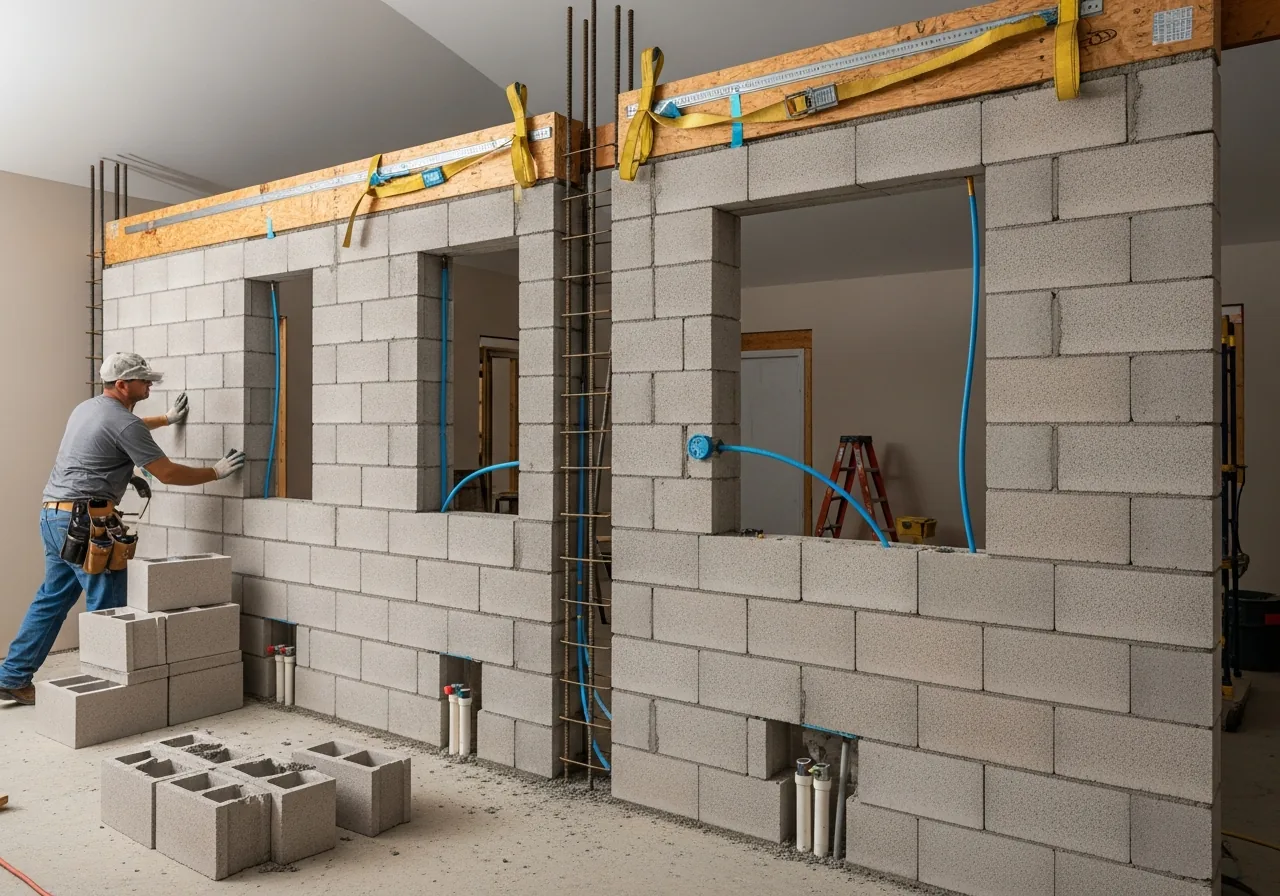
CBS wall reconstruction with HVHZ hurricane straps and moisture barriers
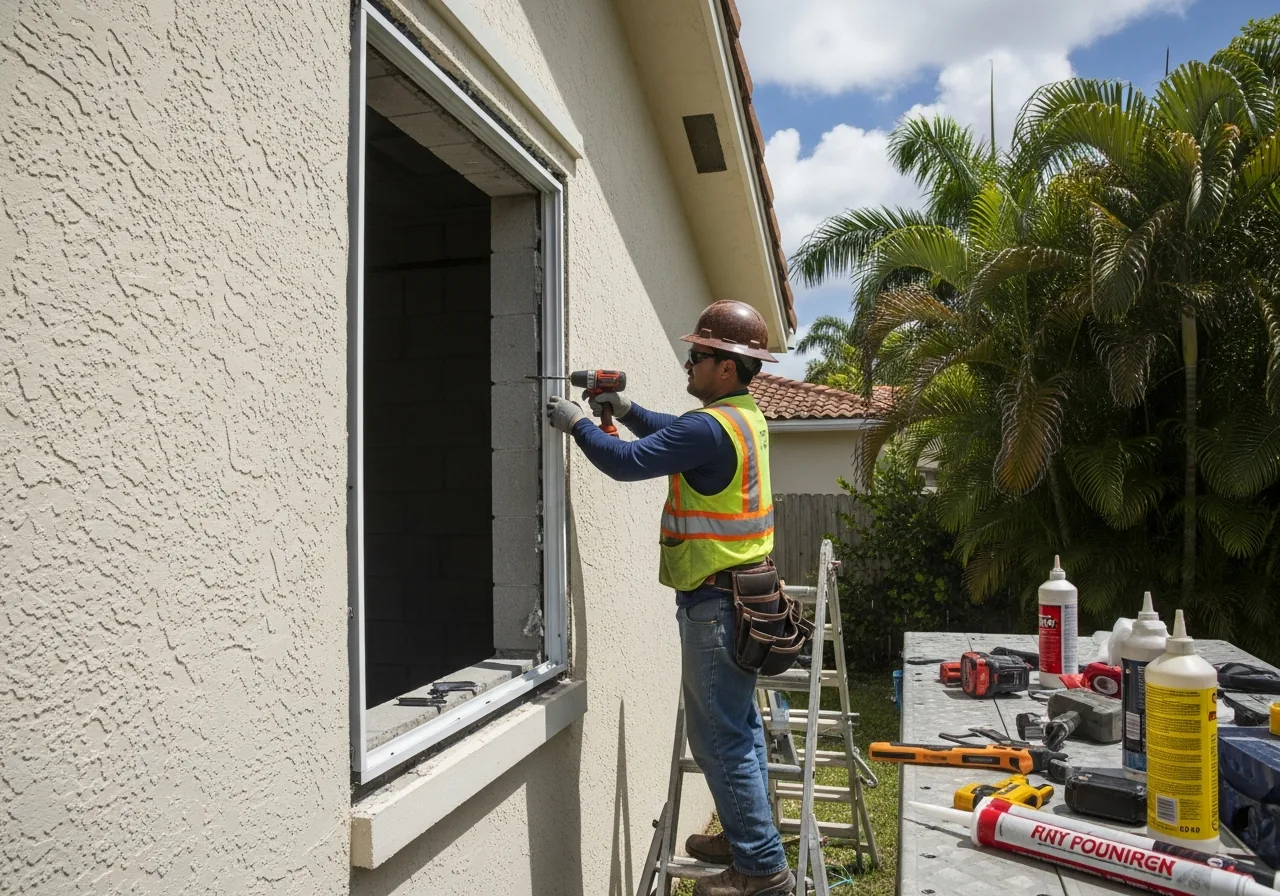
Miami-Dade NOA approved impact window installation — required for all HVHZ reconstruction
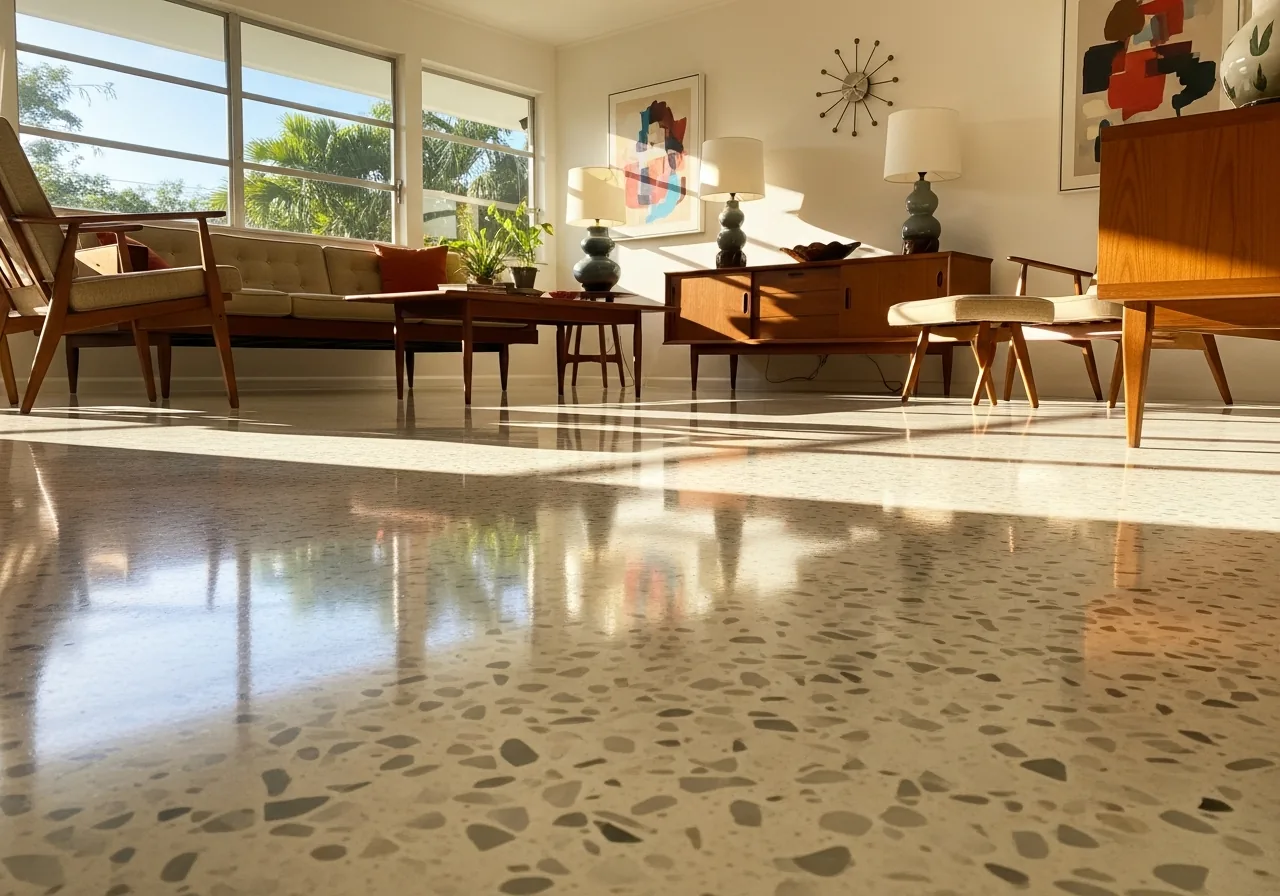
Terrazzo floor restoration preserving original Mid-Century Modern character
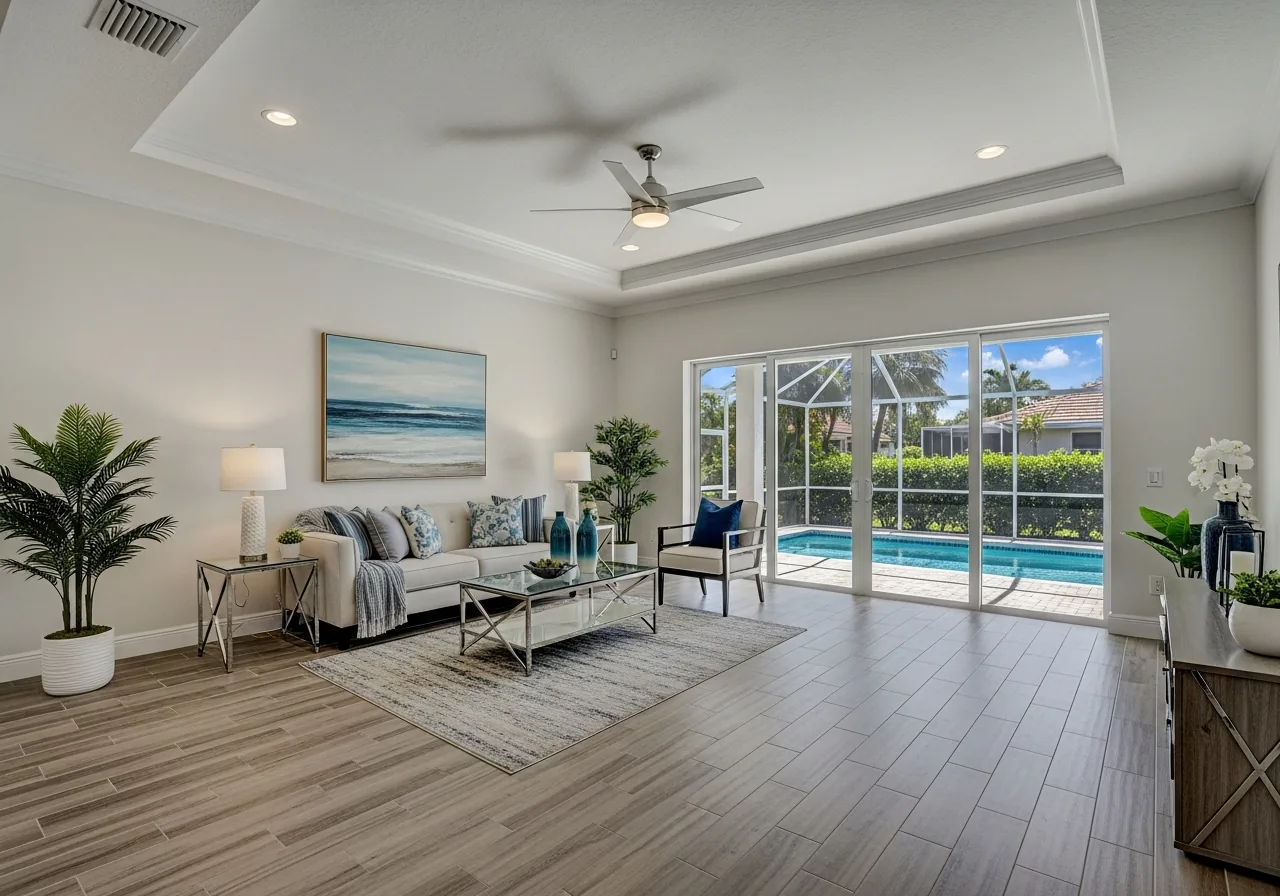
Completed reconstruction: every element meets HVHZ standards while matching pre-loss quality
Insurance Coverage
What Insurance Covers for Fort Lauderdale Reconstruction
When reconstruction follows a covered loss (fire, sudden water damage, wind, etc.), your
homeowners policy covers the cost of returning your home to pre-loss condition. In Fort
Lauderdale's HVHZ, the ordinance-and-law endorsement is the single most important add-on
to your policy — it covers the mandatory code upgrades that bring pre-1980 homes up to
current HVHZ standards during reconstruction. Florida law (Fla. Stat. 627.70132)
requires claims within 1 year of loss.
Structural repair and rebuild to pre-loss condition (CBS walls, stucco, framing)
Flooring, cabinetry, countertops, and finish materials matching pre-loss quality
Electrical, plumbing, and HVAC repair or replacement
Impact window/door and exterior stucco restoration to HVHZ standards
City of Fort Lauderdale Building Services permits and Broward County inspection fees
HVHZ code upgrades required during reconstruction (with ordinance-and-law endorsement)
Temporary living expenses during reconstruction (ALE)
Hidden damage discovered during demolition (Chinese drywall, polybutylene, mold)
Debris removal and disposal of damaged materials
Critical Policy Endorsements for Fort Lauderdale
Ordinance & Law Coverage
Covers the cost of HVHZ-required upgrades that exceed pre-loss construction standards. In Fort Lauderdale, the gap between pre-1980 construction and current HVHZ code is enormous — impact windows, hurricane straps, enhanced electrical systems. Without this endorsement, mandatory code upgrades come out of pocket.
Replacement Cost Value (RCV)
Pays to replace damaged items with new items of like kind and quality — critical for Fort Lauderdale homes with specialty materials. ACV (Actual Cash Value) depreciates materials, leaving you with a fraction of replacement cost for 40+ year old CBS construction.
Additional Living Expense (ALE)
Covers temporary housing during reconstruction. Fort Lauderdale's rental market averages $2,500-$4,500/month for comparable housing. Major reconstruction can take 12-24 weeks. Ensure your ALE limit covers your expected timeline.
Palm Build Manages the Entire Florida Claims Process
Florida's insurance market is in crisis — carrier exits, skyrocketing premiums, and AOB
reform have created a complex claims landscape. Our reconstruction estimates are written
in Xactimate — the same software your carrier uses. We coordinate directly with your
adjuster throughout reconstruction, handling supplements for hidden damage discovered
during demolition (Chinese drywall, polybutylene, mold behind CBS walls) and
HVHZ-required code upgrades.
Why Fort Lauderdale Homeowners Choose Palm Build for Reconstruction
Single-Source: Mitigation Through Rebuild
No handoffs between companies. Our mitigation and reconstruction teams work as one unit. Reconstruction planning begins during the drying phase — not after it ends. In Fort Lauderdale's subtropical climate where mold colonizes exposed materials within 24-48 hours, this overlap isn't just convenient — it prevents secondary damage that expands the scope and the cost.
HVHZ Code Experts
Fort Lauderdale sits inside the High Velocity Hurricane Zone — the strictest construction code in the nation. Our team understands HVHZ-specific requirements that contractors from outside Broward/Miami-Dade routinely miss: NOA-approved impact ratings, enhanced structural connections, HVHZ-specific roofing attachment methods, and the inspection protocol that Broward County enforces. We get it right the first time.
Architectural Detail Matching
Fort Lauderdale's three dominant architectural styles — Mediterranean Revival, Mid-Century Modern CBS, and Contemporary — each demand different materials, techniques, and sensibilities. We match barrel tile profiles for Las Olas estates, restore original terrazzo in Coral Ridge ranch homes, and source HVHZ-rated impact glass for contemporary builds. Your reconstructed home matches the original architectural character, not a compromise version.
Broward County Permit Experience
We navigate the City of Fort Lauderdale Building Services Division daily. Permit applications, plan reviews, 40-year recertification coordination, milestone inspection compliance, HVHZ code reviews — we handle every aspect of the regulatory process. Our established relationships with Broward County inspectors mean fewer delays, fewer correction notices, and faster project completion.
Deerfield Beach Proximity
Our South Florida Operations Hub at 786 S Military Trail in Deerfield Beach is minutes from every Fort Lauderdale neighborhood. When you need emergency mitigation, we're there in under 30 minutes. During reconstruction, our project managers visit your site daily — not weekly. Proximity means faster response, tighter oversight, and immediate problem-solving.
Insurance Coordination Throughout
Our Xactimate-based estimates match the format insurance carriers use — eliminating format disputes and reducing approval timelines. We coordinate directly with your adjuster on initial scope, file supplements for hidden damage (Chinese drywall, polybutylene, mold behind CBS walls) discovered during demolition, and document all HVHZ code upgrades for ordinance-and-law coverage claims. One team manages your project and your claim simultaneously.
Common Questions
Fort Lauderdale Reconstruction FAQ
What is the HVHZ and how does it affect reconstruction in Fort Lauderdale?
The High Velocity Hurricane Zone (HVHZ) covers Miami-Dade and Broward counties — including all of Fort Lauderdale. HVHZ construction standards are the strictest in the nation, requiring Miami-Dade NOA (Notice of Acceptance) approved impact windows and doors, enhanced roof-to-wall connections using hurricane straps at every truss, wind-resistant roof coverings tested to HVHZ wind speeds (up to 180 mph design pressure), and reinforced CBS wall systems. Any reconstruction in Fort Lauderdale must meet current HVHZ standards, not the code the home was originally built under. For homes built before 2002, these upgrades can add 15-25% to project costs — typically covered by an ordinance-and-law endorsement on your insurance policy.
What is Broward County's 40-year building recertification and how does it affect my reconstruction?
Broward County requires buildings 40 years and older to undergo structural and electrical recertification, with re-inspection every 10 years after. Post-Surfside (2021), Florida also added milestone inspections for condos and co-ops over 3 stories at 25 and 40 years. With 62% of Fort Lauderdale's housing stock built before 1980, most properties are subject to this requirement. During reconstruction, if your building hasn't completed its 40-year recertification, the reconstruction scope may need to address deficiencies identified in that inspection — or the reconstruction itself may trigger a recertification review by Broward County Building Division.
Does Palm Build handle Chinese drywall remediation during reconstruction?
Yes. Fort Lauderdale homes built or renovated between 2001 and 2008 may contain Chinese drywall (CDW) — defective drywall that emits hydrogen sulfide gas, corroding copper plumbing, HVAC coils, and electrical wiring. Florida accounted for 60% of all CDW complaints in the US. During reconstruction, if CDW is discovered, full remediation requires removal of all affected drywall, replacement of corroded copper plumbing and wiring, HVAC coil replacement, and installation of compliant American-manufactured drywall. Palm Build identifies CDW during the demolition phase and adjusts the reconstruction scope accordingly.
How long does reconstruction take in Fort Lauderdale?
Minor reconstruction (stucco repair, flooring in 1-2 rooms): 2-4 weeks. Moderate reconstruction (kitchen/bath rebuild, multiple rooms, CBS wall repair): 6-12 weeks. Major reconstruction (structural rebuild, full HVHZ hardening, Chinese drywall remediation): 12-24 weeks. Fort Lauderdale timelines are affected by HVHZ material requirements (impact windows often have 6-10 week lead times), Broward County permit processing, and the availability of CBS-specialized tradespeople in the South Florida market.
What does reconstruction cost in Fort Lauderdale?
Minor reconstruction ranges from $15,000-$40,000. Moderate reconstruction (kitchen/bath, multiple rooms) ranges from $40,000-$100,000. Major reconstruction with full HVHZ upgrades ranges from $100,000-$300,000+. Fort Lauderdale's HVHZ requirements add a 15-25% premium over non-HVHZ areas — impact windows alone can cost $800-$1,500 per opening versus $300-$600 for standard replacements. CBS specialist labor and architectural detail matching for Mediterranean Revival or Mid-Century Modern homes add further cost.
Does insurance cover HVHZ code upgrades during reconstruction?
Standard homeowners policies cover reconstruction to pre-loss condition. HVHZ-required upgrades — impact windows, hurricane straps, enhanced roof systems — that exceed pre-loss specifications are covered by an ordinance-and-law endorsement. This endorsement is critical in Fort Lauderdale where the gap between pre-loss construction (often 1960s-1980s standards) and current HVHZ code is enormous. Without it, mandatory code upgrades come out of pocket. Palm Build's Xactimate-based estimates separate covered reconstruction from code-upgrade line items, maximizing your ordinance-and-law claim.
Can Palm Build match Fort Lauderdale's different architectural styles during reconstruction?
Yes. Fort Lauderdale features three dominant architectural styles that each require different reconstruction approaches: Mediterranean Revival (Las Olas, Harbor Beach, Rio Vista) with barrel tile, textured stucco, arched details, and cast stone; Mid-Century Modern CBS ranch homes (Imperial Point, Coral Ridge, Victoria Park) with terrazzo floors, jalousie windows, and horizontal design lines; and Contemporary Modern new construction with impact glass curtain walls, clean stucco, and flat roof systems. We match materials, proportions, and architectural vocabulary specific to each style.
What about polybutylene plumbing discovered during reconstruction?
Polybutylene (poly-B) plumbing was installed in Fort Lauderdale homes from the late 1970s through the mid-1990s. This gray plastic piping degrades from chlorinated municipal water and fails catastrophically — often the original cause of the water damage that led to reconstruction. When poly-B is discovered during demolition, we replace it with modern CPVC or PEX systems as part of the reconstruction scope. If the water damage was caused by a poly-B failure, the plumbing replacement is typically covered under your homeowners claim.
Trusted Vendors
Trusted local pros in Fort Lauderdale
Outside our restoration scope, these are the vetted, licensed contractors we trust
alongside our work. Personally evaluated, reference-checked, and recommended by Palm
Build.
Need Reconstruction After Damage in Fort Lauderdale?
Palm Build handles the full rebuild — from demolition through final Broward County inspection — with one team, HVHZ code expertise, and insurance coordination throughout. CBS stucco, impact windows, 40-year recertification compliance, architectural style matching.