Reconstruction Services in Charlotte, North Carolina
From drywall replacement after a burst pipe to full structural rebuilds after a fire, Palm Build handles every phase of reconstruction — including historic district compliance, Mecklenburg County permitting, and insurance coordination — so one team manages your project from demolition through final walkthrough.
Local Office — Charlotte, NC Same day Response IICRC Certified
Mitigation vs. Reconstruction: Why One Company Should Handle Both
Most Charlotte homeowners don't realize that property restoration has two distinct
phases — and that the gap between them is where projects go sideways. Understanding this
distinction helps you avoid the most common source of delays, cost overruns, and
communication breakdowns in the restoration process.
Phase 1: Mitigation
Mitigation stops the active damage. For water damage, this means extraction and
structural drying. For fire, it's board-up, soot stabilization, and water removal from
fire suppression. For mold, it's containment and remediation. For storms, it's emergency
tarping and debris clearing. Mitigation is urgent — it begins within hours of the event
and typically takes 3-7 days. The goal is to stabilize the property and prevent further
loss.
Many restoration companies — especially national franchises — only handle this phase.
When mitigation is complete, they hand your project off to a separate general contractor
for reconstruction. This handoff creates a gap of days to weeks where nothing happens to
your home while the new contractor reviews the scope, submits their own estimate, and
schedules their crews.
Phase 2: Reconstruction
Reconstruction rebuilds what was damaged. This is the general contracting phase: drywall
replacement, flooring installation, cabinetry, countertops, painting, trim, electrical,
plumbing, roofing, and finish work. Reconstruction requires permits from Mecklenburg
County LUESA, inspections at multiple stages, and coordination with your insurance
adjuster on scope and pricing. It typically takes 2-12 weeks depending on project
complexity.
When the same company handles both mitigation and reconstruction, the transition is
seamless. Our reconstruction team reviews the scope during mitigation — not after it's
complete. Permits are submitted while drying is still underway. Materials are ordered
before the last dehumidifier leaves. This overlap can save Charlotte homeowners 2-4
weeks of displacement compared to the handoff model.
Palm Build: One Team, Both Phases
Palm Build handles mitigation and reconstruction as a single coordinated project. No
handoffs to separate contractors, no gaps in your timeline, no duplicated documentation,
no conflicting estimates. One project manager, one insurance contact, one team from
emergency response through final walkthrough.
Palm Build's reconstruction capability covers every trade and material needed to return
your Charlotte home to pre-loss condition — or better. Here's what we handle, with
Charlotte-specific expertise in each category.
Drywall & Framing
Water-damaged, fire-damaged, or mold-contaminated drywall and framing are removed to clean substrate and replaced with new materials. In Charlotte's older homes with plaster walls — common in Myers Park, Dilworth, and Plaza Midwood — we match the original plaster finish or coordinate with specialty plasterers when required by historic district standards. Modern moisture-resistant drywall (greenboard or purple board) is used in wet areas and crawl space-adjacent walls.
Flooring & Finish Work
Hardwood floor restoration is one of our most common Charlotte reconstruction scopes. The city's 1950s-70s brick ranch homes almost universally have original hardwood floors that cup, buckle, or delaminate after water damage. When salvageable, we sand, refinish, and seal. When replacement is needed, we source matching species (typically red or white oak) and weave new boards into existing flooring for seamless transitions. Tile, carpet, vinyl, and engineered wood are also replaced to pre-loss condition.
Electrical & Plumbing
Water, fire, and storm damage frequently affect electrical and plumbing systems. We handle panel replacements, rewiring of damaged circuits, new fixture installation, pipe repair and replacement, and fixture upgrades required by current Charlotte building code. For older Charlotte homes, reconstruction often triggers code-required upgrades to electrical panel capacity, GFCI protection, arc-fault breakers, and smoke/CO detector placement — covered by ordinance-and-law endorsements.
Kitchen & Bathroom Rebuilds
These are the most complex reconstruction scopes because they involve all trades — plumbing, electrical, cabinetry, countertops, tile, flooring, painting, and fixtures. After water or fire damage, Charlotte kitchens and bathrooms often require complete gut-outs and rebuilds. We handle everything from demolition through final fixture installation, coordinating all subcontractors as part of our reconstruction management.
Roofing & Exterior
Storm and fire damage often require partial or full roof replacement, siding repair or replacement, window installation, soffit and fascia repair, gutter replacement, and exterior painting. Charlotte's diverse housing stock — brick ranch, craftsman, colonial, farmhouse — each requires specific roofing and siding materials and installation techniques. We coordinate with roofing subcontractors and manage the exterior scope as part of the overall reconstruction project.
Custom Millwork & Trim
Charlotte's older homes feature custom trim profiles, crown molding patterns, baseboards, window casings, and architectural details that cannot be matched with standard big-box lumber. We replicate original trim profiles using custom milling, source specialty moldings from architectural millwork suppliers, and install finish carpentry that matches the home's original character. This is especially critical for historic district homes where the Charlotte-Mecklenburg Historic Landmarks Commission requires period-appropriate materials.
Charlotte-Specific Expertise
Historic District Reconstruction: Charlotte's Unique Challenge
Charlotte has eight designated Local Historic Districts where reconstruction work must
comply with Charlotte-Mecklenburg Historic Landmarks Commission standards in addition to
standard building code. This isn't just an aesthetic preference — it's a legal
requirement that affects material selection, architectural details, and sometimes
requires a Certificate of Appropriateness before work can begin.
For restoration contractors unfamiliar with these requirements, historic district
reconstruction becomes a costly learning experience — work gets rejected, materials get
returned, and timelines extend while the contractor figures out what the Commission
requires. Palm Build has navigated these requirements on multiple Charlotte projects and
understands which materials, finishes, and architectural details satisfy Commission
review.
The practical impact: when we reconstruct a fire-damaged Myers Park Tudor Revival or a
water-damaged Dilworth craftsman bungalow, we source period-appropriate trim profiles,
match original mortar color and joint style for brick repair, use historically accurate
window designs, and coordinate with the Commission proactively rather than reactively.
This saves weeks compared to contractors who submit non-compliant plans and face
revision cycles.
Charlotte's Historic Districts
Hermitage Court
Myers Park (portions)
Plaza Midwood
Dilworth
Fourth Ward
Wesley Heights
Optimist Park
Other designated areas
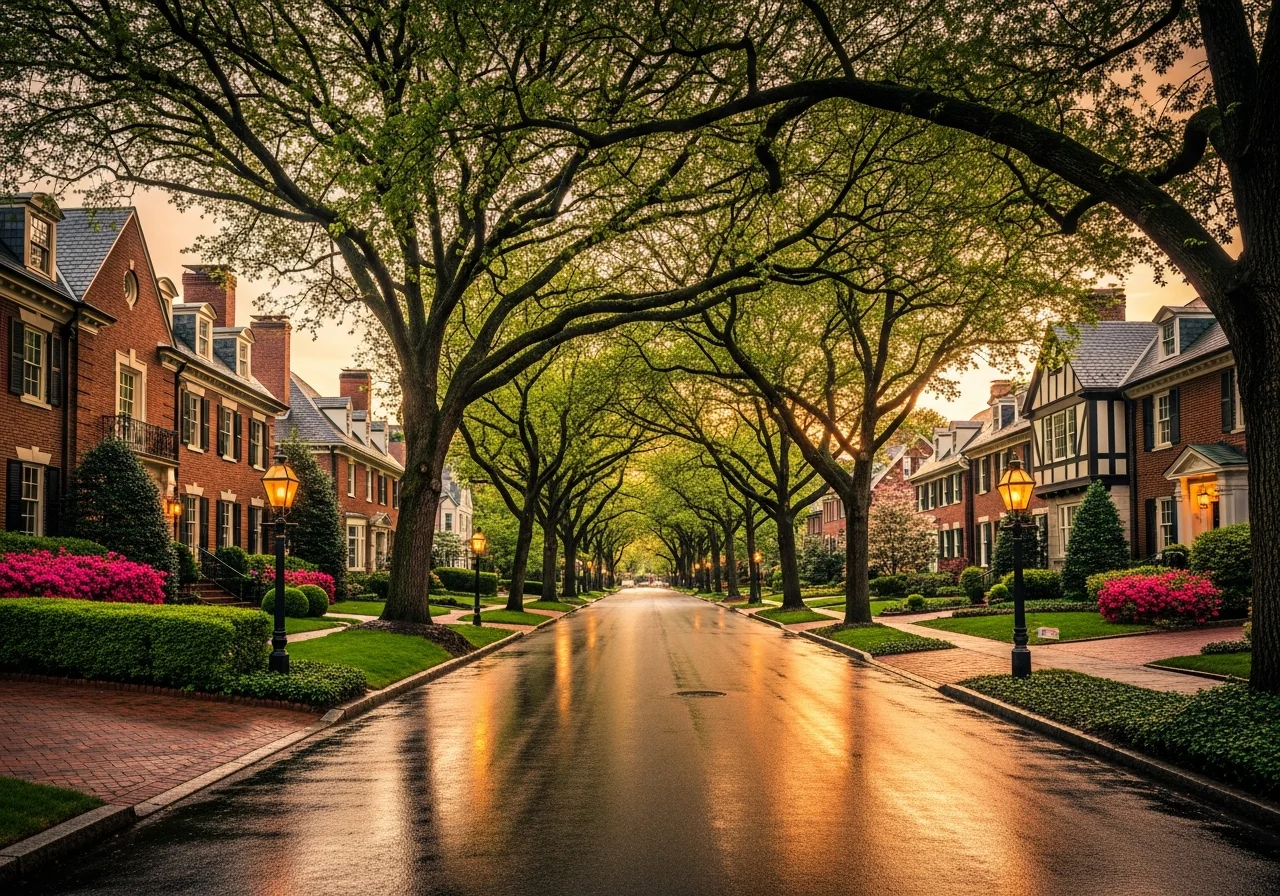
Myers Park's historic homes require period-appropriate materials and Historic
Landmarks Commission approval for exterior reconstruction
Reconstruction Timeline
The Charlotte Reconstruction Process
From scope development through final inspection, here's how Palm Build manages the
reconstruction phase of your Charlotte restoration project.
01
Scope Development & Estimating
Days 1-5
We walk through the property with you and your insurance adjuster to develop a comprehensive reconstruction scope. Every damaged item is documented, measured, and priced using Xactimate — the industry-standard estimating software that insurance carriers use. For Charlotte's older homes, we include line items for material matching, custom millwork, and code-required upgrades that generic estimates often miss.
02
Permitting & Approvals
Days 5-15
Mecklenburg County LUESA permits are submitted for all structural, electrical, mechanical, and plumbing work. For historic district properties, we coordinate with the Charlotte-Mecklenburg Historic Landmarks Commission for Certificate of Appropriateness when required. We handle all permit applications, plan reviews, and pre-inspection coordination — homeowners never need to visit a permitting office.
03
Demolition & Material Ordering
Days 10-20
Damaged materials are removed to clean substrate. For Charlotte homes with original plaster, hardwood, or custom trim, we carefully remove and document salvageable materials for reuse or replication. Reconstruction materials are ordered based on the approved scope — for specialty items like matching hardwood species, custom trim profiles, or period-appropriate fixtures, we order early to account for lead times that can extend 2-6 weeks.
04
Rough-In & Structural Work
Weeks 3-6
Framing, electrical rough-in, plumbing rough-in, HVAC modifications, and structural repairs are completed and inspected by Mecklenburg County before drywall is installed. This is where code-required upgrades happen: updated electrical panels, GFCI protection, arc-fault breakers, insulation upgrades, and structural connection improvements. Each trade is inspected separately before the next phase begins.
05
Finish Work & Final Inspections
Weeks 6-12
Drywall hanging, taping, and finishing. Flooring installation. Cabinet and countertop installation. Painting and trim. Fixture installation. Final electrical, plumbing, and mechanical inspections by LUESA. We schedule inspections proactively and address any corrections immediately to prevent delays. The final walk-through with the homeowner confirms every item in the scope has been completed to satisfaction.
Code Requirements
Building Code Upgrades During Charlotte Reconstruction
Charlotte requires that reconstruction meet current building code — not the code the
home was originally built under. For Charlotte's older housing stock, this means
mandatory upgrades during reconstruction that can add 10-20% to project costs. The good
news: these upgrades are typically covered by an ordinance-and-law endorsement on your
insurance policy. Confirm this coverage exists on your policy now — before you need it.
Electrical panel upgrade to current NEC capacity requirements
Typically required for: Pre-1980 homes
GFCI outlets in kitchens, bathrooms, and exterior locations
Typically required for: Pre-1990 homes
Arc-fault circuit interrupter (AFCI) breakers for bedrooms
Typically required for: Pre-2002 homes
Smoke detector placement per current code (interconnected, in every bedroom)
Typically required for: Pre-2000 homes
Carbon monoxide detectors on every level with sleeping areas
Typically required for: Pre-2010 homes
Insulation upgrades to current energy code R-values
Typically required for: Pre-2000 homes
Hurricane clips or structural connectors at roof-to-wall connections
Typically required for: Pre-2005 homes
Tempered glass in bathrooms, stairways, and near doors
Typically required for: Pre-1980 homes
Check Your Ordinance-and-Law Coverage
Without an ordinance-and-law endorsement, code-required upgrades during
reconstruction come out of your pocket. For a 1960s Charlotte brick ranch with
original electrical, this can mean $5,000-$15,000 in upgrades not covered by your
base policy. Ask your insurance agent about this endorsement now — adding it before
a loss is inexpensive.
Charlotte Pricing
Reconstruction Costs in Charlotte
Charlotte reconstruction costs are driven by scope, materials, and whether code upgrades
or historic district compliance is required. Current building material costs in the
Charlotte metro average $180-$250 per square foot for residential reconstruction. These
ranges reflect actual Charlotte project costs for insurance-funded restoration work.
Minor Reconstruction
Drywall, flooring, paint in 1-2 rooms
$5,000 – $20,000
Moderate Reconstruction
Kitchen/bath rebuild, multiple rooms
$20,000 – $75,000
Major Reconstruction
Structural rebuild, full floor or whole house
$75,000 – $300,000+
Our Work
Charlotte Reconstruction Results
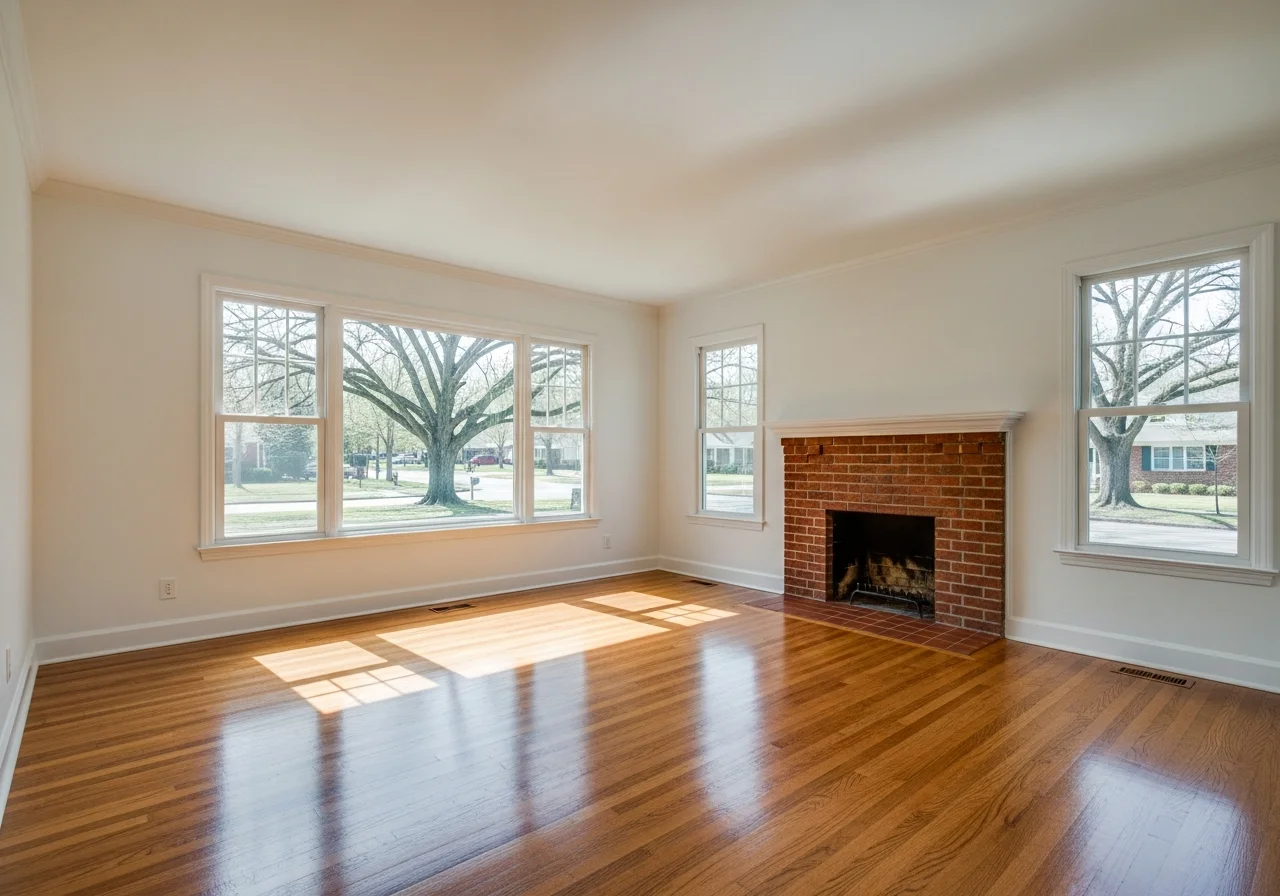
Completed reconstruction: refinished hardwood floors, fresh paint, new trim
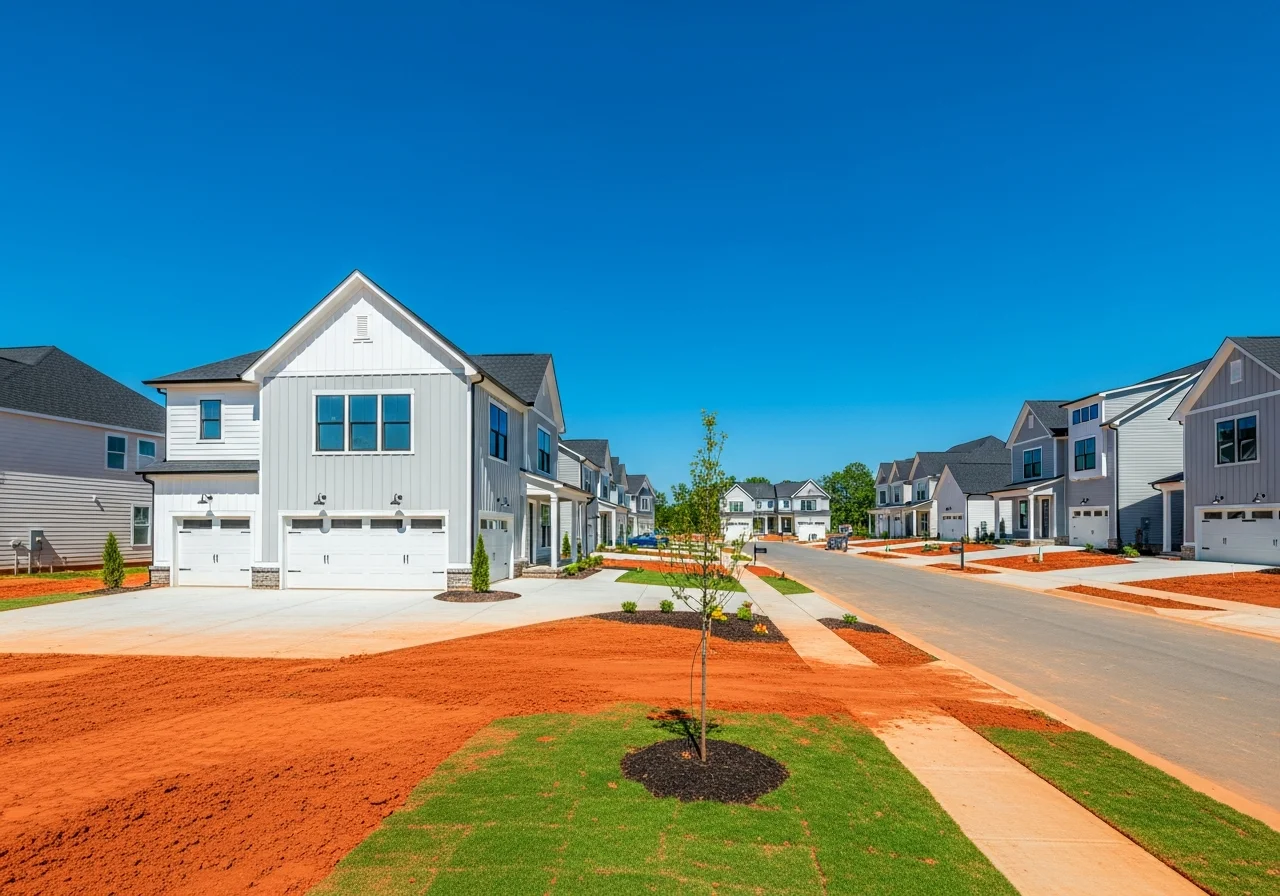
Modern Charlotte construction standards that reconstruction must now match
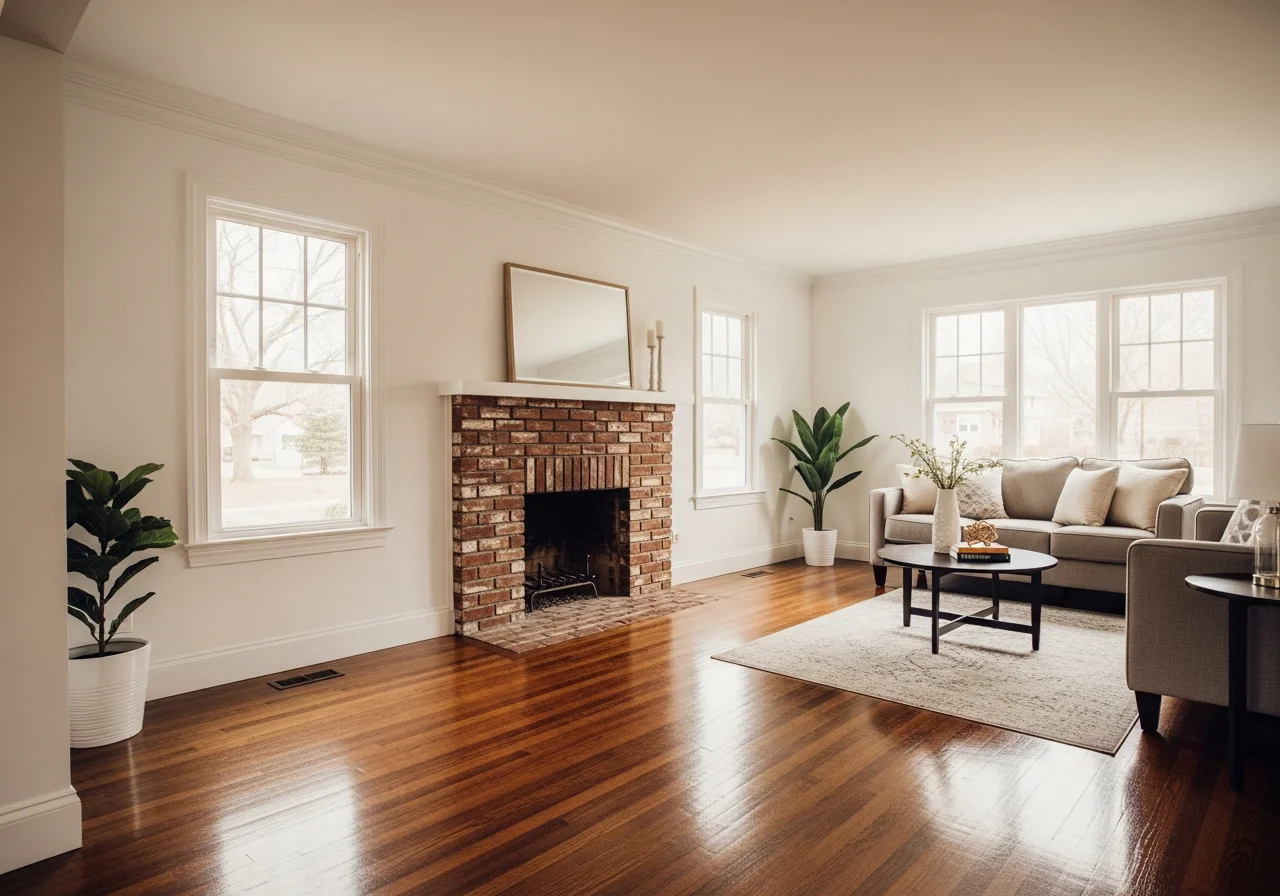
Post-fire reconstruction: completely rebuilt to pre-loss condition
Historic district homes require period-appropriate materials and Commission approval
Insurance Coverage
What Insurance Covers for Reconstruction
When reconstruction follows a covered loss (fire, sudden water damage, wind, etc.), your
homeowners policy covers the cost of returning your home to pre-loss condition. Palm
Build's Xactimate-based estimates match the format insurance carriers use, reducing
supplemental negotiations and approval delays.
Structural repair and rebuild to pre-loss condition
Drywall, flooring, cabinetry, countertops, and finish materials
Electrical, plumbing, and HVAC repair or replacement
Painting, trim, and finish carpentry
Permits and inspection fees
Building code upgrades required during reconstruction (with ordinance-and-law endorsement)
Temporary living expenses during reconstruction (ALE)
Debris removal and disposal of damaged materials
Palm Build Manages the Entire Claims Process
Our reconstruction estimates are written in Xactimate — the same software your insurance
carrier uses. This eliminates the back-and-forth that occurs when contractors submit
estimates in different formats. We coordinate directly with your adjuster throughout the
reconstruction, handling supplements for hidden damage discovered during demolition and
code-required upgrades.
Why Charlotte Homeowners Choose Palm Build for Reconstruction
Mitigation + Reconstruction = One Team
No handoffs between companies. Our mitigation and reconstruction teams work as one unit. Reconstruction planning begins during the drying phase — not after it ends. This overlap saves Charlotte homeowners 2-4 weeks of displacement compared to the traditional handoff model.
Licensed NC General Contractor
Palm Build holds North Carolina general contractor licensing for structural, electrical, mechanical, and plumbing work. We pull our own Mecklenburg County LUESA permits, manage all inspections, and ensure code compliance throughout the reconstruction.
Charlotte Historic District Experience
We've navigated Charlotte-Mecklenburg Historic Landmarks Commission requirements on multiple projects in Myers Park, Dilworth, Plaza Midwood, and Fourth Ward. We know which materials, finishes, and details satisfy Commission review — avoiding rejected plans and revision cycles.
Xactimate-Based Insurance Estimates
Our reconstruction estimates use the same Xactimate software and pricing database that your insurance carrier uses. This eliminates format-based disputes, reduces supplemental negotiation cycles, and gets your claim approved faster.
Custom Material Matching
We source matching hardwood species for Charlotte's older floors, replicate custom trim profiles for period-appropriate millwork, and use specialty finishes for plaster wall matching. Your reconstructed home matches the character of the original — not just the function.
Common Questions
Charlotte Reconstruction FAQ
What's the difference between mitigation and reconstruction?
Mitigation stops the damage — water extraction, structural drying, mold containment, soot stabilization. Reconstruction rebuilds what was damaged — drywall, flooring, cabinetry, roofing, painting, electrical, and plumbing. Many restoration companies only handle mitigation and hand off reconstruction to a separate general contractor. Palm Build handles both phases as one coordinated project, eliminating the gap between mitigation completion and rebuild start that often adds weeks to your displacement.
Does Palm Build handle the full rebuild or just cosmetic repairs?
Full structural reconstruction. We handle drywall, framing, flooring, roofing, cabinetry, countertops, painting, trim, electrical, plumbing, HVAC, and finish work. For Charlotte homes requiring structural engineering after fire or storm damage, we coordinate with licensed structural engineers and ensure all work passes Mecklenburg County LUESA inspections.
Do I need permits for reconstruction after damage in Charlotte?
Yes — Mecklenburg County LUESA requires permits for all structural, electrical, mechanical, and plumbing work during reconstruction. Permits expire if work is not started within 180 days or is discontinued for 365 days. Palm Build handles all permit applications, inspections, and code compliance coordination as part of our reconstruction scope.
What about historic district requirements in Charlotte?
Charlotte has eight designated Local Historic Districts including Myers Park, Dilworth, Plaza Midwood, Fourth Ward, Wesley Heights, and others. Reconstruction work in these districts must comply with Charlotte-Mecklenburg Historic Landmarks Commission standards in addition to standard building code. This includes using period-appropriate materials, matching original architectural details, and sometimes obtaining a Certificate of Appropriateness before work begins. Palm Build has experience navigating these requirements.
Will my home have to meet current building code during reconstruction?
Yes — Charlotte requires that reconstruction meet current building codes, not the original code the home was built under. For older Charlotte homes, this often means upgrades to electrical panels, insulation, GFCI outlets, smoke detector placement, and structural connections. These upgrades are typically covered by an ordinance-and-law endorsement on your insurance policy — ask your agent if you have this coverage.
How long does reconstruction take after water or fire damage in Charlotte?
Minor reconstruction (drywall replacement, flooring in one room): 1-2 weeks. Moderate reconstruction (multiple rooms, kitchen or bathroom): 4-8 weeks. Major reconstruction (structural rebuild, full-floor or whole-house): 8-16 weeks. Charlotte's building material costs averaging $180-$250 per square foot and current contractor demand affect timelines.
Does insurance cover reconstruction costs?
Yes — if the original damage was caused by a covered peril (fire, sudden water damage, wind, etc.), your homeowners policy covers reconstruction to pre-loss condition. Additional coverage for building code upgrades requires an ordinance-and-law endorsement. Charlotte homeowners should confirm this endorsement exists on their policy, especially for older homes where code-required upgrades during reconstruction can add 10-20% to project costs.
Can Palm Build match original materials in older Charlotte homes?
Yes. Charlotte's older neighborhoods — Myers Park, Dilworth, Plaza Midwood, Fourth Ward — feature original hardwood floors, plaster walls, custom millwork, and period-specific materials that can't be replaced with standard modern equivalents. We source matching hardwood species, replicate trim profiles, and use appropriate plaster or specialty finishes to maintain the home's character and meet historic district requirements where applicable.
Need Reconstruction After Damage in Charlotte?
Palm Build handles the full rebuild — from demolition through final walkthrough — with one team, one point of contact, and insurance coordination throughout. No handoffs to separate contractors, no gaps in your timeline.