Musty Odors on the First Floor
The most common first sign York homeowners notice is a persistent musty or earthy smell — particularly when the HVAC system cycles on. This odor originates in the crawl space, where mold and mildew are actively growing on floor joists, subfloor panels, and fallen insulation. Because warm air rises from the crawl space into the living area through gaps around plumbing penetrations, electrical runs, and HVAC supply boots, the smell migrates upward constantly. In York's humid subtropical climate, this odor intensifies from May through September and defines how visitors experience the home. If your York home smells musty despite regular cleaning, the crawl space is almost certainly the source.
Buckling or Soft Hardwood Floors
When crawl space moisture saturates floor joists and subfloor panels over months or years, the wood absorbs water vapor, swells, and loses structural integrity. Hardwood flooring above a moisture-compromised crawl space develops cupping (edges higher than center), crowning, or outright buckling as the wood responds to the moisture gradient from below. Many York homes — particularly the historic core and mid-century ranch homes — have original hardwood flooring that is especially sensitive to moisture fluctuations. If you notice hardwood floors that have started cupping, soft spots in hallways, or a bounce when walking across rooms, the subfloor beneath has likely been compromised by persistent crawl space humidity.
Increased Energy Bills
A crawl space operating at 80-90% humidity forces your HVAC system to work significantly harder. The system must dehumidify air migrating upward from the crawl space before it can cool or heat the living space effectively. York homeowners with crawl space moisture problems consistently report 15-25% higher energy costs compared to neighbors with encapsulated crawl spaces. The effect is most pronounced during summer months when York's ambient humidity exceeds 70% and the crawl space is pushing saturated air into the home through every floor penetration. If your energy bills have climbed steadily without other explanation, the crawl space is likely the hidden load your HVAC system is fighting.
Visible Mold on Floor Joists
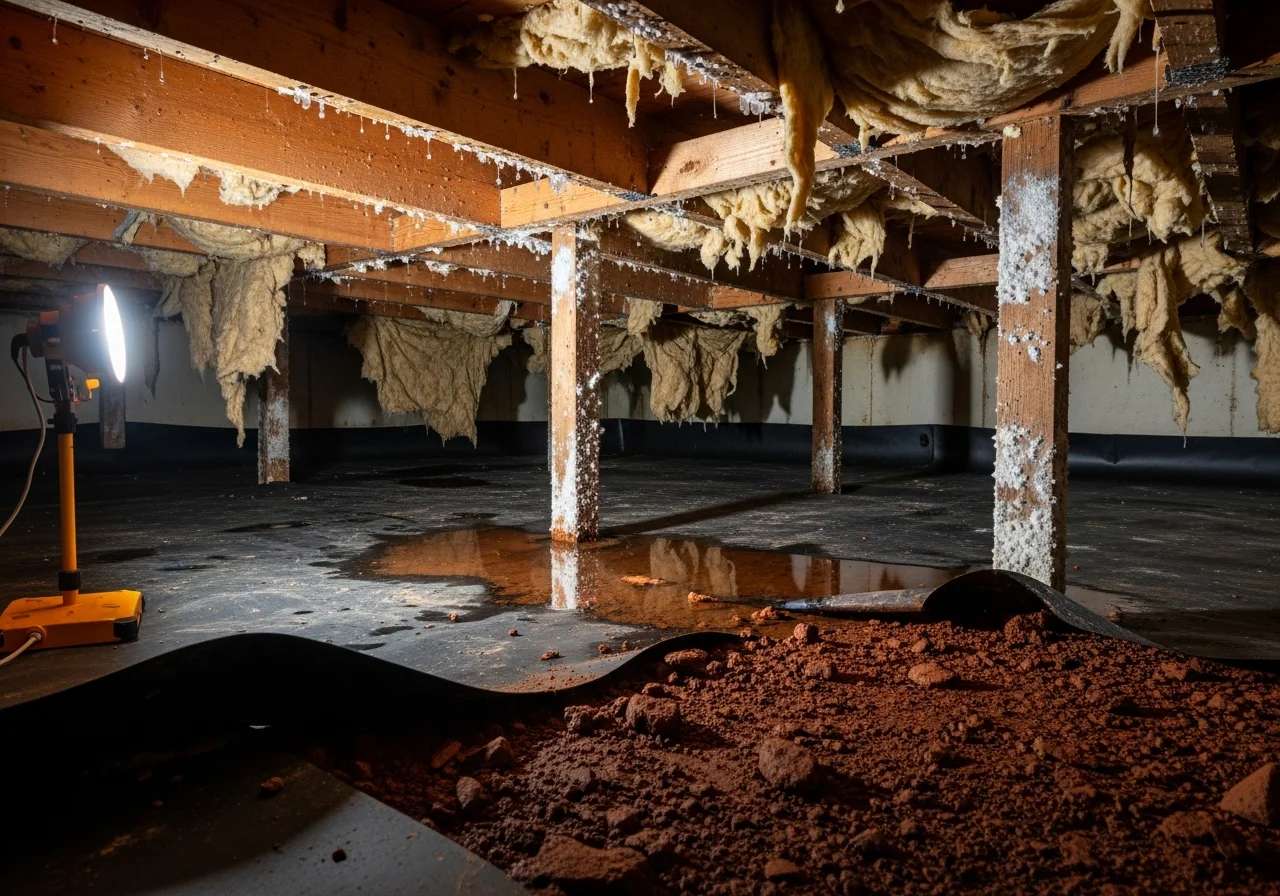
By the time mold is visible on crawl space structural wood — white, green, or black colonies on floor joists, rim joists, sill plates, or subfloor panels — the moisture problem has been active for an extended period. York's Piedmont clay soil and humid climate create ideal conditions for Aspergillus, Penicillium, and Cladosporium — the most common crawl space mold species. Visible mold on structural wood means the wood has been above 20% moisture content for weeks or months, and fungal decay that compromises load-bearing capacity may already be underway. Any visible mold should be evaluated by an IICRC-certified remediation company — South Carolina does not license mold inspectors at the state level.
Condensation on Ductwork and Pipes
Condensation forming on HVAC ductwork, cold water pipes, or toilet tanks inside the crawl space is a direct indicator that warm humid air is contacting cooler surfaces — the exact mechanism that drives crawl space deterioration in York's climate. When indoor humidity exceeds 55-60%, condensation also appears on windows and registers in the living space above. This condensation drips onto insulation, structural wood, and the crawl space floor, compounding the moisture load. If you see water droplets on ductwork or supply pipes during a crawl space inspection, the space is actively generating moisture damage even if mold is not yet visible.
Pest Intrusion — Termites, Roaches, and Rodents
Moisture-compromised crawl spaces in York attract pests that thrive in damp, dark environments. Subterranean termites — a significant concern in York County — require soil contact and moisture to survive, and a wet crawl space provides both. Wood-destroying insects, cockroaches, and rodents are drawn to the humid microclimate beneath homes with failing vapor barriers. York County's warm season extends termite activity from March through November, and a crawl space with standing water or elevated humidity provides ideal conditions. If a pest inspector has identified termite activity or you're seeing increased roach or rodent presence, the crawl space moisture environment is likely the root cause.
Standing Water After Rain Events
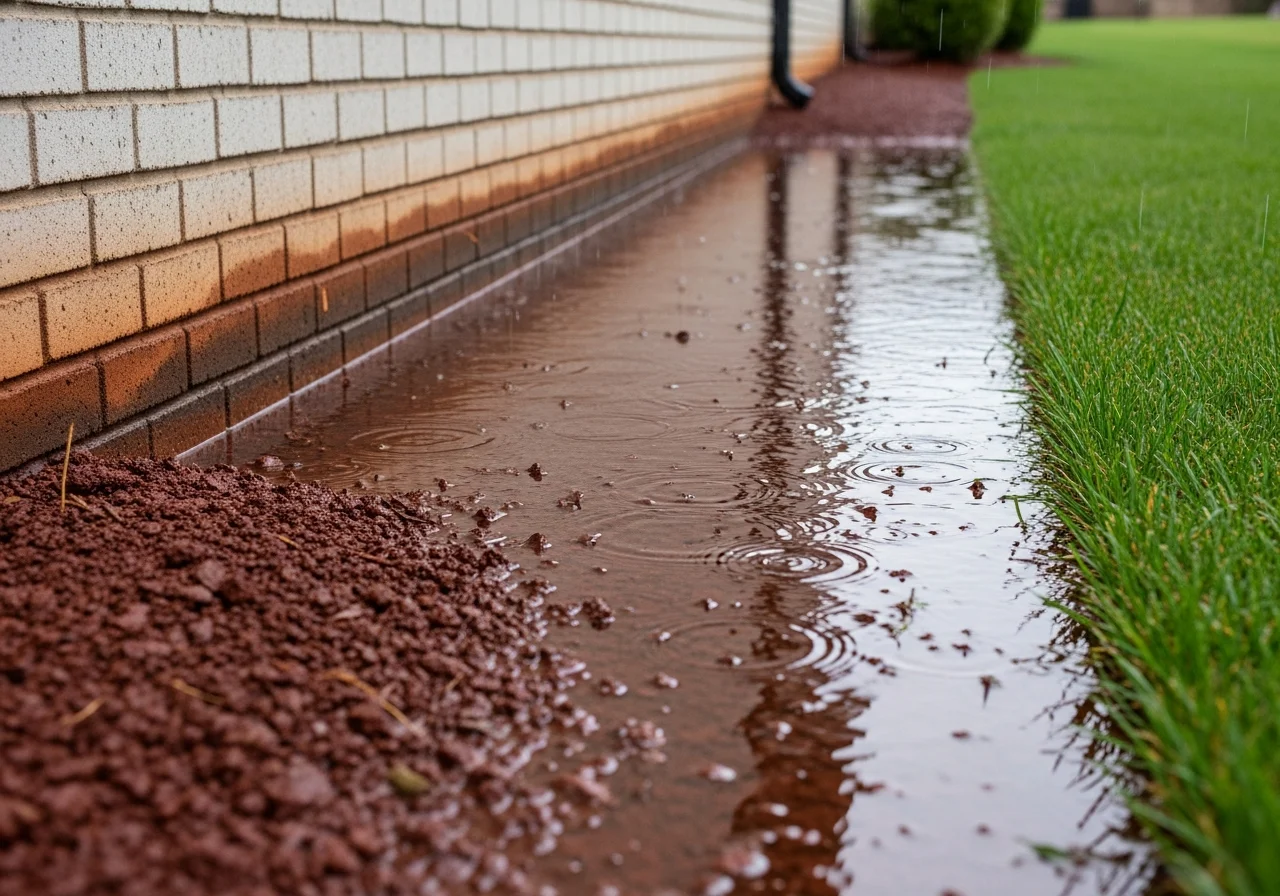
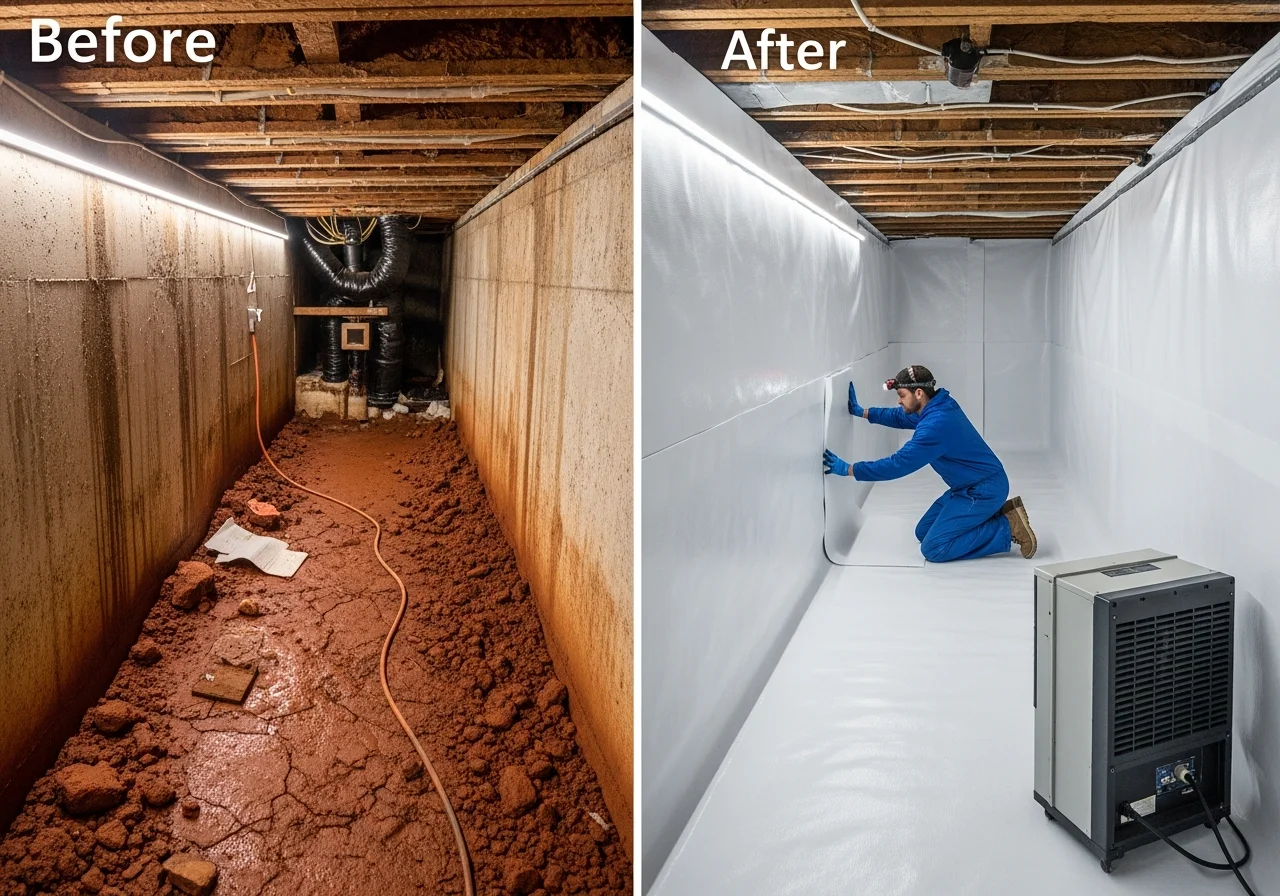
Standing water in the crawl space after rain events is the most severe symptom and indicates active water intrusion — not just humidity. On York's Piedmont clay soil, rainfall that cannot infiltrate downward flows laterally toward foundations, enters through wall-floor joints, and pools on the crawl space floor. Some York homes experience standing water only during heavy rain; others maintain a thin film of water for days after moderate storms. Any standing water requires drainage correction in addition to encapsulation — sealing the crawl space without addressing liquid water entry will trap water inside the encapsulated space and accelerate structural damage.