(888) 245-5155
Call Now 24/7
Palm Build fire damage restoration technician assessing smoke and soot damage inside a York SC home with thermal imaging equipment and PPE
YORK SC — 24/7 FIRE & SMOKE DAMAGE RESPONSE

Fire & Smoke Damage Cleanup in York, South Carolina

From the pre-1950 wood-frame homes along Congress Street to the newer subdivisions of Austen Lakes and McFarland Estates, Palm Build's IICRC-certified fire restoration team delivers structural assessment, professional soot removal, deep smoke odor elimination, and full reconstruction — with insurance coordination from emergency dispatch through final walkthrough.

Charlotte Office — ~35 minutes to York 45-75 min Response IICRC Certified

45-75 min

Emergency Response

24/7

Dispatch Available

IICRC

Certified Technicians

Local Risk Factors

Why York, SC Faces Elevated Fire Risks

York's unique blend of pre-Civil War historic homes, mid-century mill housing, and newer subdivisions creates a range of fire risks that vary block by block. Aging electrical systems, wood-burning heat sources, and deferred maintenance in older properties mean fire and smoke damage restoration in York requires local knowledge of the building stock and materials involved.

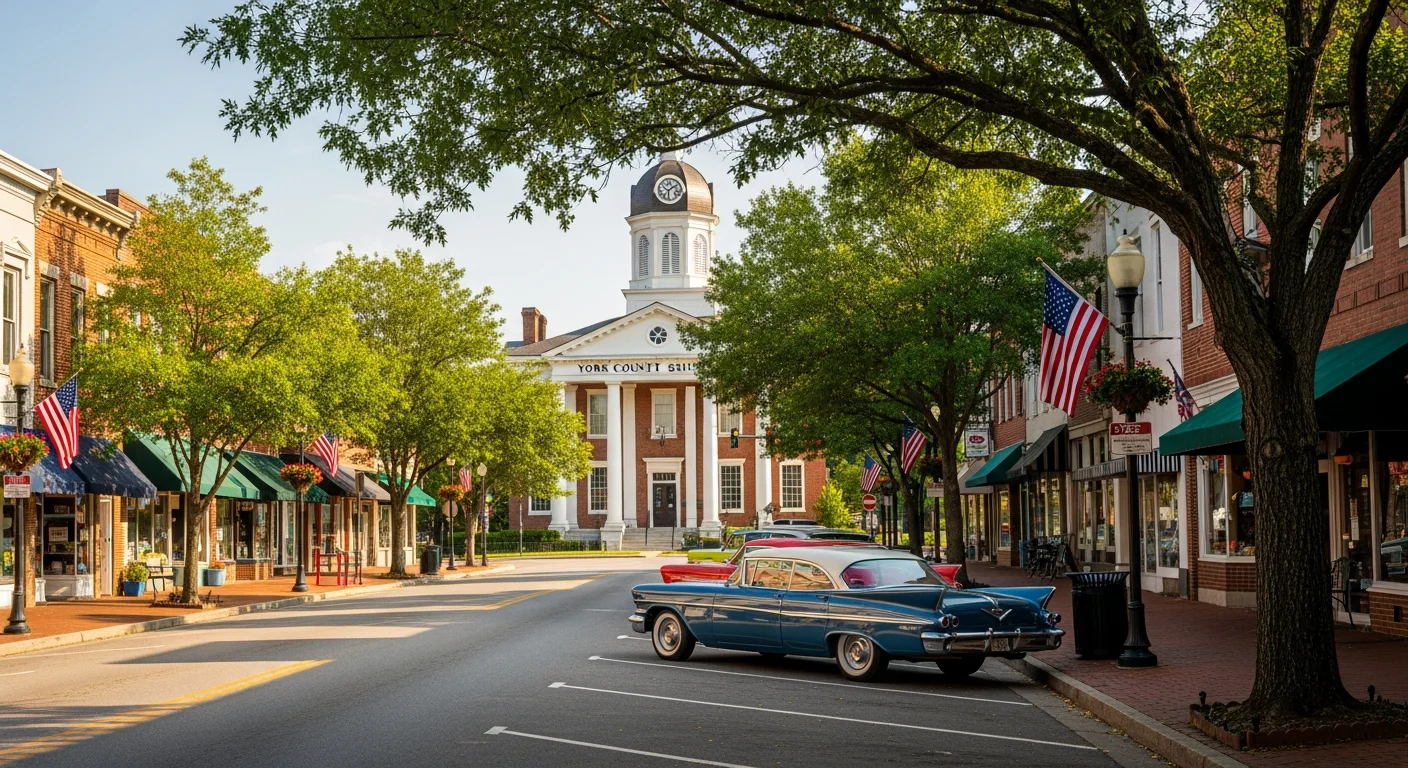
Historic downtown York SC showing older brick and wood-frame buildings along Congress Street

York's historic downtown — aging electrical systems and original construction materials in buildings dating to the 1800s create elevated fire risk

Historic Homes with Aging Wiring

High

York's historic district and older residential neighborhoods along Congress Street and Liberty Hill contain homes built from the 1840s through the 1940s with original knob-and-tube wiring, ungrounded outlets, and undersized electrical panels never upgraded for modern appliance loads. These older systems overheat behind plaster-and-lath walls where fires smolder undetected for hours. By the time York Fire Department arrives, smoke has penetrated deep into original heart pine framing, plaster walls, and hardwood floors that cannot be replaced with off-the-shelf materials.

Peak season: Year-round
Older Furnaces & HVAC Failures

High

Many York homes — particularly in the older neighborhoods south of downtown and along Charlotte Road — rely on aging gas furnaces and heat pumps that have exceeded their expected service life. Cracked heat exchangers, corroded gas connections, and deteriorating ductwork insulation near hot components create ignition risks that spike every heating season. York's mix of natural gas and propane-fed systems in outlying areas adds variety to the fire types our crews encounter — each requiring different soot assessment and odor treatment protocols.

Peak season: Oct – Mar

Wood Stoves & Holiday Cooking

Moderate

Wood-burning stoves and fireplaces remain common in York's older homes and rural properties along the town's western edge toward Sharon. Creosote buildup in chimneys that go years without professional cleaning causes chimney fires that spread into attic spaces and wall cavities. During the holidays, deep-frying turkeys, unattended stovetop cooking, and overloaded electrical circuits from seasonal decorations drive a consistent spike in fire calls across York County. Kitchen fires in York's open-concept newer homes spread smoke through the entire living area via HVAC circulation before residents realize the extent of contamination.

Peak season: Nov – Jan

Dryer Vent & Space Heater Fires

Moderate

Clogged dryer vents are the leading cause of residential fires nationally, and York is no exception. Older homes with long, kinked dryer vent runs through interior walls accumulate lint that restricts airflow and reaches ignition temperatures during normal operation. Space heaters — heavily used in York homes with inadequate central heating, particularly older rentals and mill-era housing — placed too close to curtains, bedding, or furniture cause fast-moving fires with heavy synthetic soot from burning fabrics and plastics. These fires produce toxic fumes requiring air quality testing beyond standard soot cleaning.

Peak season: Nov – Feb

Types of Fire & Smoke Damage

Fire & Smoke Damage Types in York, SC Homes

Every fire produces different types of damage depending on what burned, how hot it burned, and how long it burned. York's diverse building stock — from 1850s heart pine and plaster to modern vinyl and engineered wood — means restoration crews must identify the exact soot types present before any cleaning begins. Using the wrong approach permanently sets stains and compounds contamination.

Kitchen Fires

The most common fire type in York homes. Grease fires, unattended stovetop cooking, and oven malfunctions spread quickly through York's older kitchens with wood cabinetry and limited ventilation. Open floor plans in newer York subdivisions allow smoke and soot to circulate through HVAC systems into every room before the fire is contained.

Soot Profile

Protein residue — greasy, yellowish film

Electrical Fires

York's historic homes with original knob-and-tube wiring, aluminum branch circuits from 1960s-era construction, and overloaded panels are the primary source of electrical fires. These fires typically start behind walls and smolder for hours, producing heavy smoke penetration into structural framing before flames become visible. Restoration requires opening walls to assess hidden char damage.

Soot Profile

Mixed — dry soot with potential wire insulation residue

Heating System Fires

Furnace failures, chimney fires from creosote buildup, space heaters placed too close to combustibles, and malfunctioning gas connections drive a predictable spike in York fire calls every winter. Wood stove fires in York's rural properties along the western edge produce heavy natural-material soot, while space heater fires generate toxic synthetic soot from burning carpet, curtains, and upholstery.

Soot Profile

Varies — natural soot from wood, synthetic from fabrics

Protein & Wet Smoke Damage

Protein smoke from kitchen fires and slow-burning, smoldering fires produces an invisible, oily residue that discolors paint, varnish, and finishes over days to weeks. It is nearly impossible to see immediately after the fire but becomes increasingly visible as it oxidizes. In York's historic homes with original plaster walls and wood trim, protein residue bonds deeply into porous surfaces and cannot be removed with standard cleaning products.

Soot Profile

Invisible oily film — pungent, acrid odor

Dry Soot Damage

Fires burning wood, paper, and natural materials at high temperatures produce dry, powdery, gray-black soot that spreads through air currents and HVAC ductwork. In York homes, dry soot coats every horizontal surface in rooms far from the fire origin. The key danger: wiping dry soot smears it into surfaces permanently. York's original heart pine floors and plaster walls require HEPA vacuuming first, followed by specialized chemical sponge treatment.

Soot Profile

Powdery, gray-black — spreads via air movement

Oil & Synthetic Soot Damage

When plastics, vinyl siding, synthetic carpeting, and petroleum-based materials burn, they produce thick, oily, black soot with a strong chemical odor. Burning vinyl releases hydrogen chloride gas that forms hydrochloric acid on moist surfaces — creating chemical contamination beyond the visible fire zone. York's newer vinyl-sided homes in subdivisions off Highway 321 require air quality testing and specialized neutralization for this type of soot contamination.

Soot Profile

Thick, oily, black — chemical contamination risk

Our Fire Restoration Process

How We Restore York, SC Homes After Fire & Smoke Damage

Fire restoration in York involves multiple simultaneous damage types — structural fire damage, soot contamination, smoke odor, and water from suppression. Our 6-step process addresses all of these in a coordinated sequence designed to minimize your total restoration timeline and protect York's unique historic building materials.

01

Emergency Response & Board-Up

Hours 1-4

We secure your York property immediately after fire department clearance. Board-up covers damaged windows, doors, and exposed wall sections; roof tarping prevents rain intrusion through fire-compromised areas. York's afternoon thunderstorms during spring and summer can cause thousands in additional water damage to an unsecured fire-damaged home overnight. Our crews respond 24/7 and are typically on-site within 60-90 minutes for York and surrounding York County properties.

02

Damage Assessment & Documentation

Days 1-2

Our IICRC-certified team performs a comprehensive walk-through documenting every affected area with photos, video, and moisture readings. We classify the soot type present — critical in York where a single home may contain protein residue in the kitchen, dry soot from burning heart pine framing, and synthetic soot from modern furnishings. For York's historic properties, we document original architectural features requiring preservation-grade restoration versus standard replacement.

03

Smoke & Soot Removal

Days 3-10

Professional soot removal uses chemistry matched to the specific soot types identified during assessment. HEPA vacuuming removes loose particulate without spreading it. Chemical sponges lift embedded dry soot from York's plaster walls and hardwood floors. Specialized degreasers address protein residue from kitchen fires. Solvent-based cleaners handle synthetic soot from vinyl and polymer materials found in newer York homes. Every surface is cleaned methodically — ceilings, walls, floors, cabinetry, fixtures, and HVAC components.

04

Odor Elimination

Days 5-14

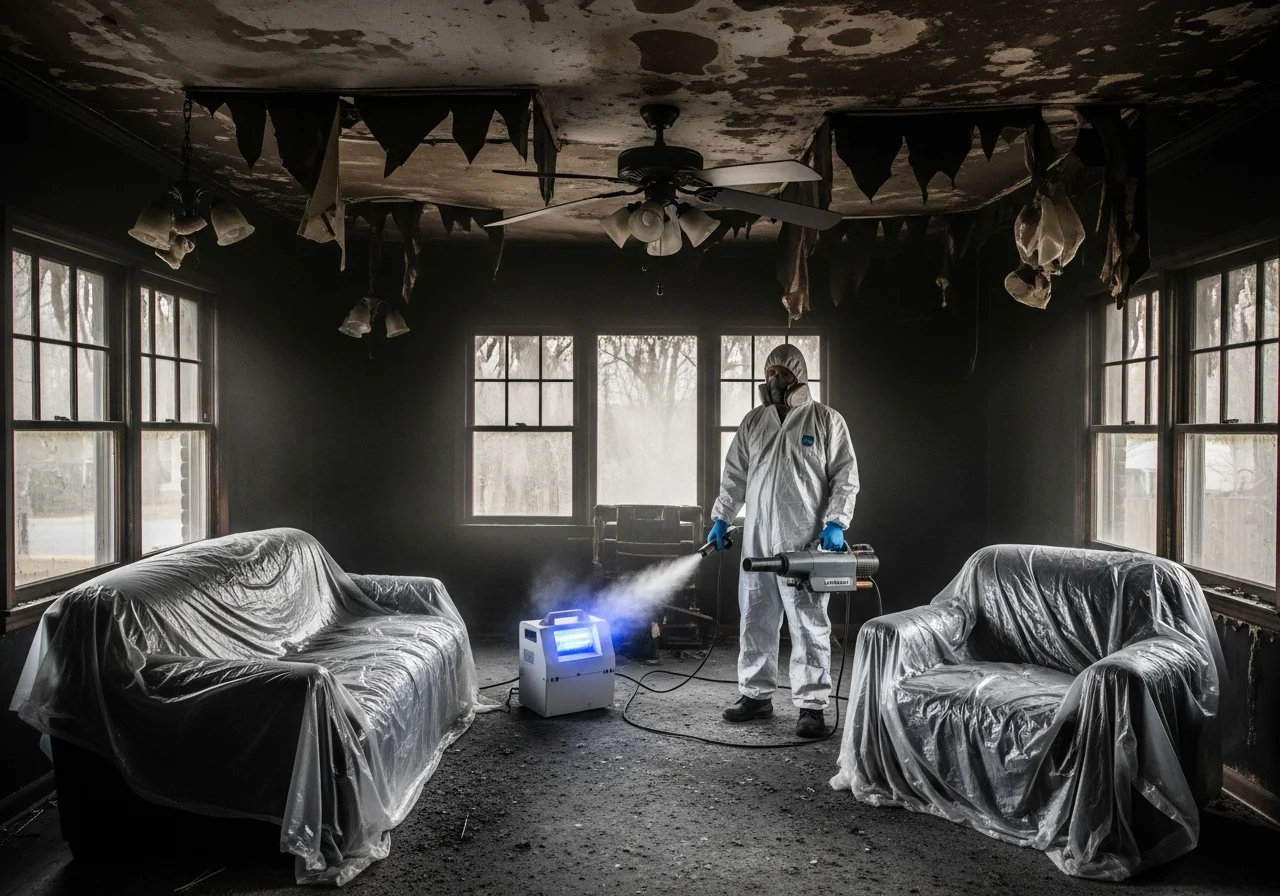
Smoke odor elimination in York homes uses a multi-method approach matched to the building materials involved. Thermal fogging penetrates masonry, plaster, and brick in historic York homes — these porous materials trap smoke odor deep within their structure. Ozone treatment neutralizes chemical odors from synthetic material fires common in newer construction. Hydroxyl generation maintains safe air quality throughout the multi-day process. We verify odor elimination with before-and-after air quality testing.

05

Structural Cleaning & Preparation

Days 7-14

Once soot and odor are addressed, deep structural cleaning prepares the property for reconstruction. HVAC ductwork is professionally cleaned and sealed. Electrical systems are inspected for heat damage. Plumbing is tested for compromised connections. In York's older homes, we assess whether original heart pine subfloors, plaster walls, and structural timbers can be preserved or require replacement — always prioritizing preservation of historic materials where structurally sound.

06

Restoration & Rebuild

Weeks 2-8+

Full reconstruction begins once cleaning and odor treatment are verified complete: drywall, flooring, cabinetry, painting, electrical, plumbing, and all finish work. We coordinate SC LLR permits through York County, handle all required inspections, and manage the rebuild from framing to final punch list. For York's historic homes, we source period-appropriate materials and techniques to preserve the building's character while meeting current building code. Call (704) 464-0121 to schedule your assessment.

Understanding the Damage

Soot & Smoke Damage Guide for York's Construction Types

York's building stock ranges from 1840s plaster-and-heart-pine construction to modern vinyl-clad subdivisions. The construction materials in your home determine the soot type, the cleaning chemistry required, and whether surfaces can be restored or must be replaced. Using the wrong approach causes permanent damage.

Professional smoke damage remediation technician cleaning soot from walls in a York SC home

Soot removal in a York home — proper technique and chemistry selection prevents permanent staining on original materials

Historic Plaster & Heart Pine Construction

Pre-1940s York homes — Congress Street, Liberty Hill, downtown core

York's oldest homes feature plaster-and-lath walls, original heart pine framing and flooring, brick chimneys, and hand-built cabinetry that cannot be matched with modern materials. Soot penetrates deeply into plaster's porous surface, and standard cleaning products can dissolve the lime binder, causing irreversible damage. Heart pine floors absorb soot into their open grain, and aggressive scrubbing drives contamination deeper rather than removing it.

Professional Cleaning Approach

  • Dry cleaning only — HEPA vacuuming before any wet treatment
  • Chemical sponges for plaster walls to avoid dissolving lime binder
  • Hand-cleaning heart pine floors with grain-appropriate techniques
  • Specialized masonry cleaning for brick chimneys and fireplaces
  • Thermal fogging for odor in porous plaster and masonry materials

Modern Drywall & Vinyl Construction

Post-1990s subdivisions — Highway 321 corridor, newer York developments

York's newer homes use standard drywall, vinyl siding, engineered flooring, and synthetic carpeting. While these materials are easier to clean than historic plaster, they present their own challenges. Drywall paper facing absorbs soot permanently if not treated quickly — once soot bonds to paper, the only solution is full replacement. Vinyl siding melts at temperatures as low as 165 degrees F and releases hydrogen chloride when burning, creating chemical contamination that requires air quality testing and neutralization beyond standard soot cleaning.

Professional Cleaning Approach

  • Rapid treatment within 48 hours to prevent permanent drywall staining
  • Air quality testing for hydrogen chloride in vinyl fire zones
  • Full vinyl siding replacement in fire-affected areas — cleaning is insufficient
  • Engineered flooring typically requires replacement rather than cleaning
  • Ozone treatment for chemical odors from synthetic material combustion

Mixed-Era Construction

Renovated historic homes, additions to older structures

Many York homes combine original 19th-century construction with modern additions and renovations — plaster walls in the front rooms with drywall additions in the back, original hardwood floors transitioning to engineered products, brick veneer over wood framing. These mixed-material homes are the most complex to restore after fire because each material type requires different cleaning chemistry, different techniques, and different timelines. A single wall may have plaster on one side and drywall on the other, each requiring completely different treatment.

Professional Cleaning Approach

  • Material-by-material assessment before any cleaning begins
  • Transition zones between old and new construction documented separately
  • Different cleaning protocols applied room-by-room based on materials present
  • Original materials preserved wherever structurally sound
  • Modern code compliance coordinated with historic preservation where applicable

Insurance Claims

Fire Damage Insurance Claims in York, SC

Fire is one of the most comprehensively covered perils under South Carolina HO-3 homeowners policies. Unlike water or mold damage, fire claims rarely face coverage disputes. York homeowners typically carry policies through major carriers with straightforward fire coverage — the key is proper documentation and professional scope writing from day one.

Palm Build restoration specialist reviewing fire damage insurance claim documentation with York SC homeowner

On-site insurance claim consultation with a York homeowner — proper documentation from day one ensures full coverage

What Your SC Policy Covers for Fire Damage

Structural repair and reconstruction to pre-loss condition

Professional soot and smoke cleaning of all affected surfaces

Smoke odor elimination (thermal fogging, ozone, hydroxyl)

Water damage from fire suppression (extraction and drying)

Contents restoration or replacement (furniture, electronics, clothing)

Additional Living Expenses (ALE) for temporary housing

Debris removal and hazardous material disposal

Building code upgrades required during reconstruction

Your York Fire Claim: Step by Step

1

Contact Your Insurance Company

File your claim as soon as the fire department clears the scene. South Carolina law requires carriers to acknowledge your claim within 15 days and begin investigation within 30 days. Note your claim number, adjuster's name, and direct contact information. Most York homeowners carry HO-3 policies through carriers like State Farm, Allstate, or USAA — fire is one of the most comprehensively covered perils under these policies.

2

Document Everything Before Cleanup

Before any cleanup begins, photograph and video every affected area — fire damage, smoke staining, soot deposits, water from fire suppression, and damaged personal property. Palm Build's assessment team documents your property in the exact format South Carolina adjusters require: room-by-room photos, moisture readings, soot type classification, and structural integrity notes. This documentation becomes the foundation of your claim.

3

Professional Damage Assessment & Scope

Our IICRC-certified team creates a detailed scope of work covering every restoration task required — from emergency board-up through final reconstruction. For York's historic homes, we document original materials requiring preservation-grade restoration versus standard replacement, which directly affects your claim value. We use Xactimate estimating software — the same platform your adjuster uses — so our scopes speak the same language.

4

Adjuster Coordination & Approval

Palm Build works directly with your insurance adjuster throughout the claims process. We attend the adjuster's on-site inspection, walk them through our documentation and scope, and negotiate any disputed line items on your behalf. York County properties often require SC LLR permitting for structural work — we include these costs in the initial scope rather than submitting costly supplements after work begins.

5

Restoration & Payment Coordination

Once the scope is approved, restoration begins immediately. Insurance typically issues payment in two phases: an initial payment (minus your deductible) when work begins, and a recoverable depreciation payment when restoration is complete. We coordinate payment timing with your carrier so there are no out-of-pocket gaps during the project. Your Additional Living Expenses (ALE) coverage pays for temporary housing while your York home is being restored.

Palm Build Manages Your Fire Claim

We work directly with your insurance adjuster from the first inspection. Our fire damage documentation — structural assessments, soot type classification, moisture readings, photo evidence, and detailed Xactimate scopes — is formatted exactly how South Carolina adjusters and carriers expect to receive it. This reduces back-and-forth and gets your York claim approved faster.

Insurance Claims Guide

Our Work

York Fire Restoration: The Process in Action

From initial damage assessment through complete reconstruction — see how Palm Build restores York homes after fire and smoke damage.

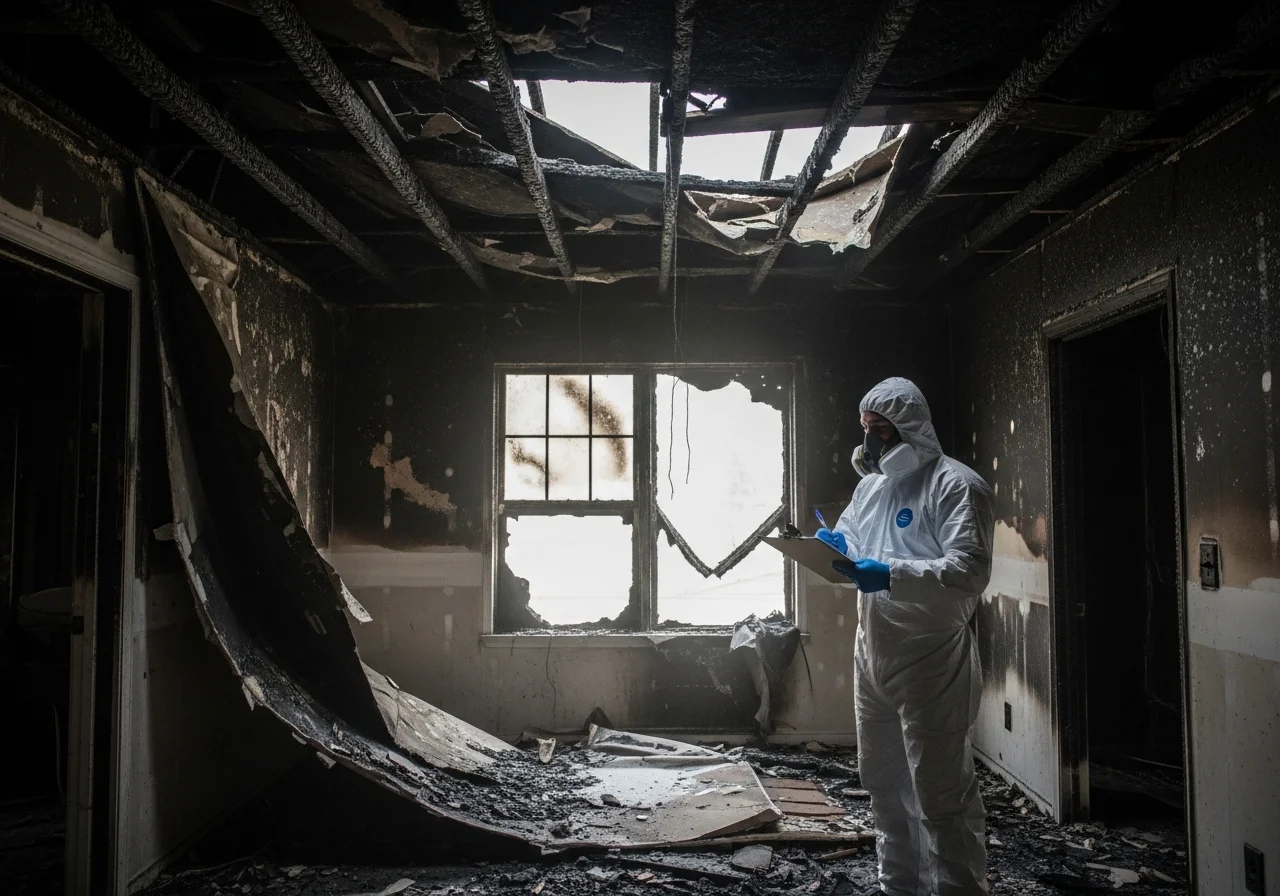
Fire and smoke damage assessment in a York SC home showing soot-covered walls and ceilings
Initial fire and smoke damage assessment — documenting soot patterns and structural impact
Professional smoke damage remediation technician performing soot removal in a York SC residence
Professional soot removal using HEPA vacuums and chemical sponge treatment
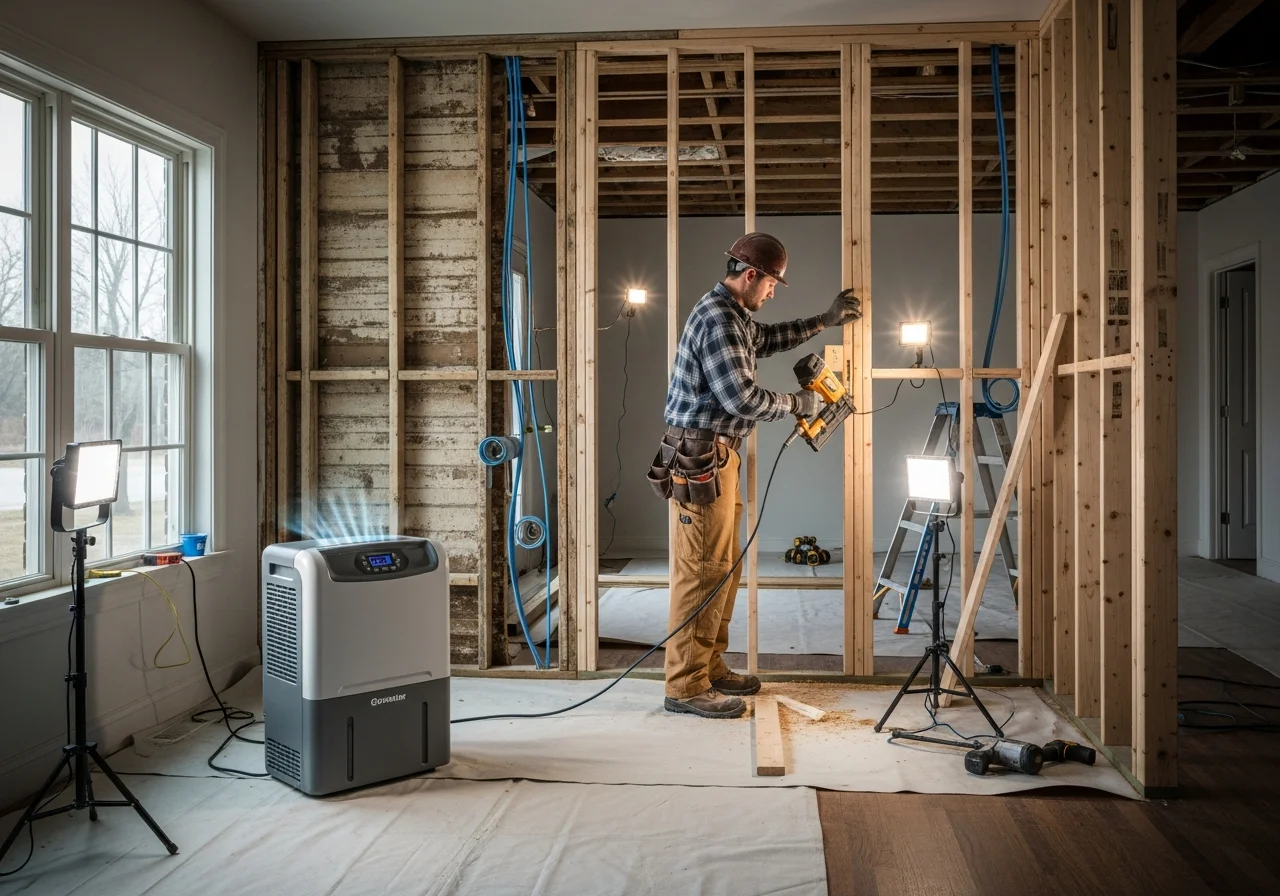
Reconstruction framing underway in a fire-damaged York SC home with new structural lumber
Reconstruction framing — new structural members replacing fire-compromised sections
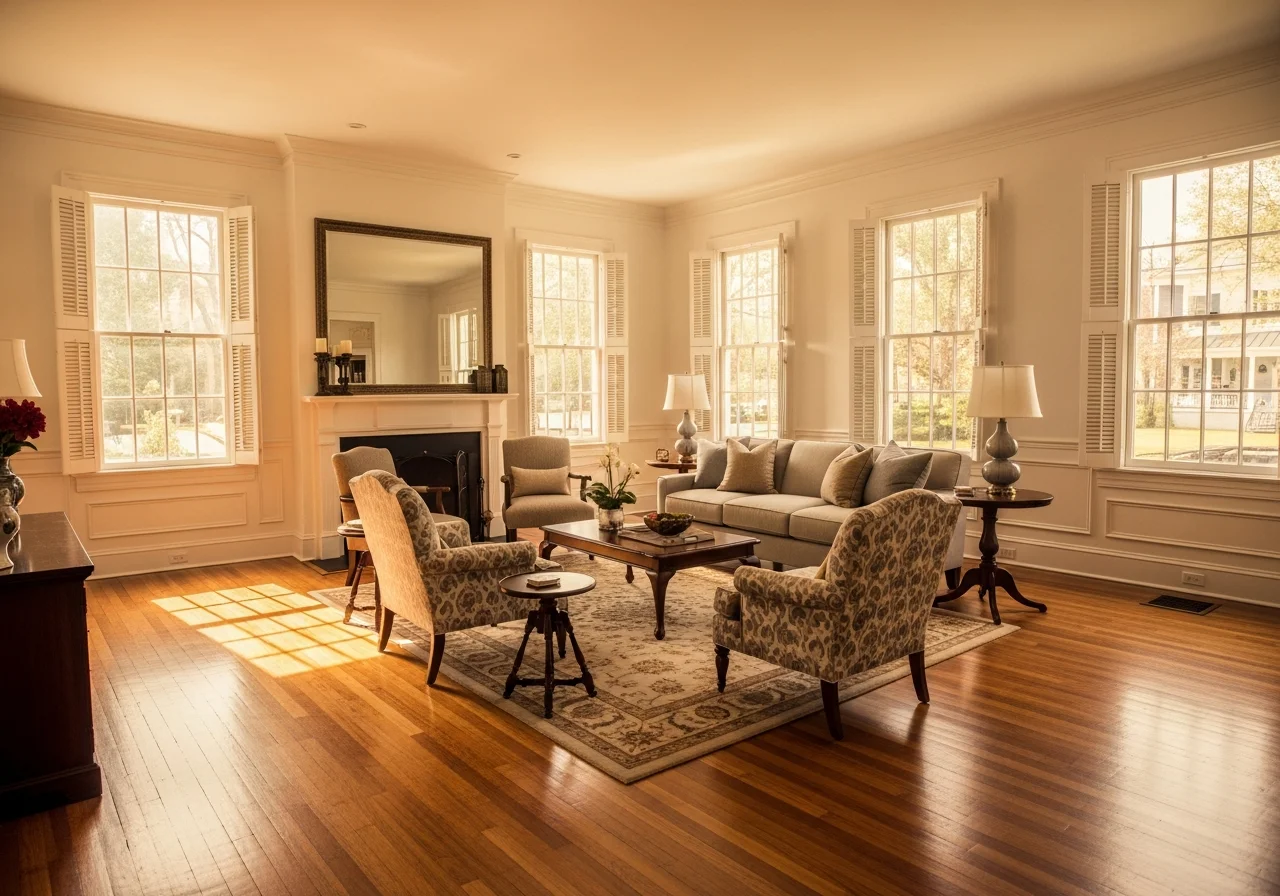
Beautifully restored living room after fire damage restoration in York SC
After: Fully restored with new finishes, paint, and flooring — returned to pre-loss condition

Common Questions

York Fire & Smoke Damage FAQ

Answers to the most common questions York homeowners ask after a fire — covering response time, insurance claims, SC licensing, historic home restoration, and restoration timelines.

How quickly can Palm Build respond to a fire in York, SC?
Our Charlotte-based fire restoration team arrives in York within 45 to 75 minutes from our Crompton Street operations hub. We dispatch 24/7/365 with board-up materials, air scrubbers, extraction equipment, and PPE. Call (704) 464-0121 any time.
Is fire damage covered by homeowners insurance in York?
Yes — fire damage is one of the most comprehensively covered perils under standard South Carolina homeowners policies (HO-3). Coverage typically includes structural repair, contents replacement, smoke damage cleanup, suppression water damage, and Additional Living Expenses for temporary housing. Palm Build provides detailed documentation from the first call to maximize your settlement.
How long does fire restoration take in York?
A contained kitchen fire with smoke damage typically takes 2 to 4 weeks from cleanup through reconstruction. Significant structural fires can take 3 to 6 months or longer. York's historic homes with plaster walls and period materials often require additional time for preservation-sensitive restoration and specialty material sourcing.
Why are York's older homes at higher fire risk?
York's pre-1950 homes often carry original or minimally updated electrical systems — knob-and-tube wiring, Federal Pacific or Zinsco panels, and circuits designed for a fraction of the electrical load modern households demand. Combined with wood stove use, space heater reliance during heating season, and balloon-frame construction that allows fire to travel between floors, these homes face significantly elevated fire risk compared to modern construction.
Can smoke odor be completely eliminated from a York home?
Yes, but only with professional equipment and techniques. Standard household cleaning products cannot reach embedded smoke particles. Palm Build uses thermal fogging, hydroxyl generators, and ozone treatment to eliminate odor at the molecular level. For York's older homes with plaster walls and deep smoke penetration, we may seal surfaces with odor-blocking primers before reconstruction.
What about water damage from firefighting suppression?
Fire suppression water is the leading cause of secondary damage after a house fire. A single fire hose delivers 150 to 250 gallons per minute. In York homes with crawl space foundations over red clay soil, this water pools and creates mold risk within 24 to 48 hours. Palm Build handles fire and water damage simultaneously, beginning extraction and structural drying while performing soot stabilization.
Does Palm Build handle historic home fire restoration in York?
Yes. York's historic properties require preservation-sensitive restoration — plaster repair with lime-based compounds, heart-pine floor matching from architectural salvage, custom-milled trim profiles, and masonry work using compatible lime mortar. We document every original element before demolition and coordinate with preservation requirements to maintain historic character while meeting current building code.

Fire or Smoke Damage in York?

Soot etching becomes permanent within 48-72 hours. Suppression water triggers mold in 24-48. Every hour of delay increases your restoration scope and cost. Palm Build responds to York fire emergencies in under 75 minutes with the equipment, certifications, and insurance expertise to restore your home from fire to finish.

45-75 min Response IICRC Certified