(888) 245-5155
Call Now 24/7
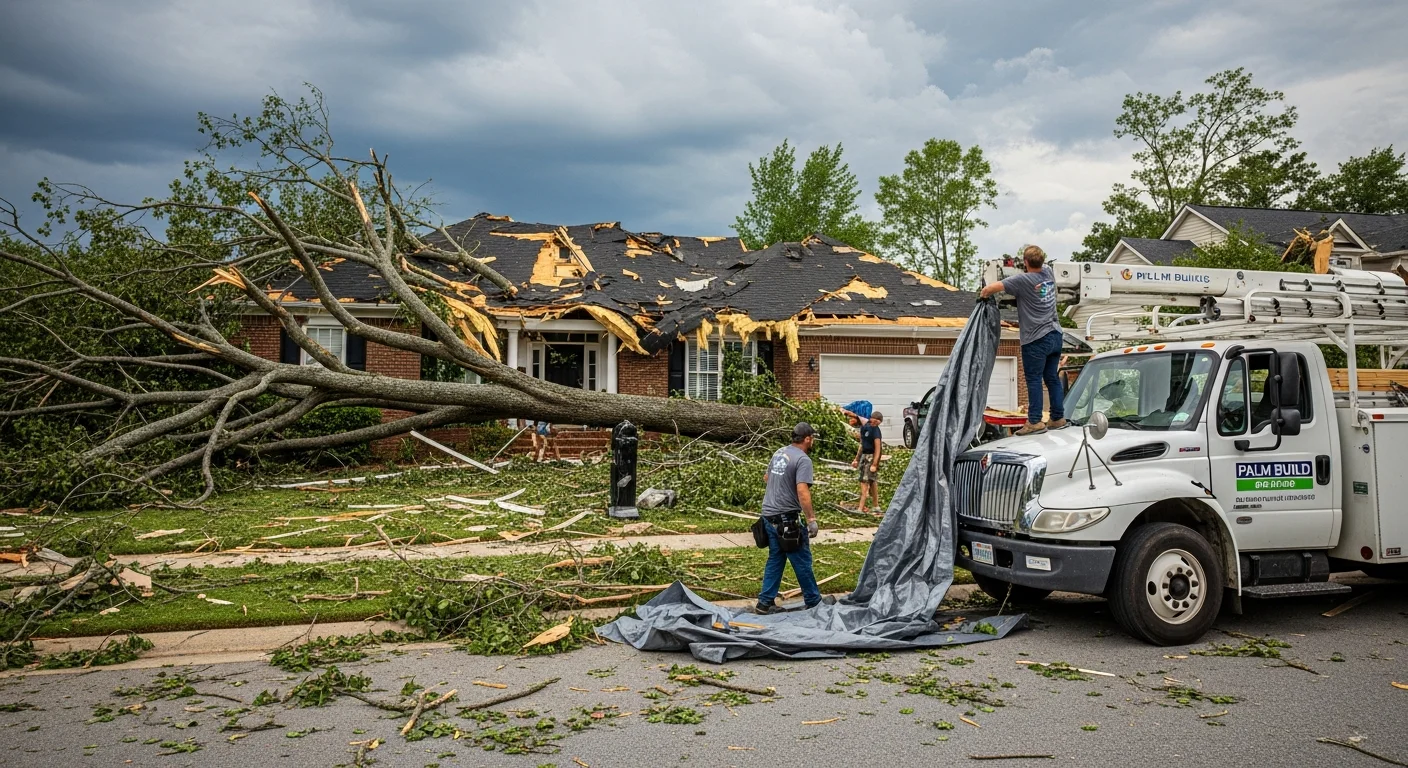
Storm damage to a residential home in Clover SC showing a fallen tree across the roof with damaged shingles and exposed decking requiring emergency tarping
CLOVER SC — 24/7 STORM & WIND DAMAGE RESPONSE

Storm & Wind Damage Restoration in Clover, SC

Clover may sit 150 miles inland, but Piedmont severe weather and tropical remnants hit this York County town hard. With 46 inches of annual rainfall, Lake Wylie wind exposure, and mature tree canopy across neighborhoods like River Hills and Shadow Lake, storm damage is an annual reality. Palm Build responds from Charlotte in 35 to 45 minutes with emergency tarping, water extraction, structural stabilization, and insurance documentation from the first call.

28 miles — Charlotte, NC 35-45 min Response IICRC Certified

35-45 min

Emergency Response

24/7

Dispatch Available

IICRC

Certified Technicians

Storm Risk Profile

Why Clover SC Faces Elevated Storm Risk

Clover's combination of Piedmont thunderstorm exposure, Lake Wylie wind corridors, inland tropical remnants, and a mature tree canopy creates a storm damage profile that demands specialized restoration expertise.

Piedmont Thunderstorm Corridor

10+"

Documented single-event rainfall in York County

Clover sits squarely in the South Carolina Piedmont thunderstorm belt, where warm Gulf moisture collides with cooler air masses moving across the Blue Ridge foothills. The SC State Hazard Mitigation Plan documents single-event rainfall exceeding 10 inches in York County — enough to overwhelm Clover's aging stormwater infrastructure in hours.
Tropical Remnants Push Inland

180 mi

Distance to SC coast

Clover is only 180 miles from the coast, close enough that tropical systems retain destructive wind and rainfall as they track northwest through the Carolinas. Tropical Storm Helene delivered sustained winds and torrential rain across York County in September 2024 — proving that Clover's inland location offers no protection from tropical-origin storms.

Lake Wylie Wind Corridor

325 mi

Lake Wylie shoreline

Lake Wylie's 325-mile shoreline creates a massive fetch zone where wind accelerates across open water before striking lakeside communities. Clover neighborhoods along the lake's western shore — River Hills, Cooks Cove, and surrounding developments — experience wind speeds measurably higher than inland areas during severe weather events.

Mature Canopy Tree Exposure

50-80 yr

Age of canopy trees in older neighborhoods

Clover's established neighborhoods feature 50- to 80-year-old oaks, hickories, and pines that tower over rooflines. During severe storms, saturated soil loosens root systems while high winds exploit the canopy's sail effect. Tree falls onto structures are among the most destructive — and most common — storm damage events in Clover.

Storm damage to a residential roof in Clover SC showing wind and debris impact
Storm damage to a Clover SC roof — Piedmont thunderstorms and Lake Wylie wind corridors combine to produce severe roof damage across York County.

Neighborhood Storm Profiles

Storm Damage Risk by Clover Neighborhood

Storm vulnerability in Clover varies dramatically by proximity to Lake Wylie, tree canopy density, construction era, and drainage infrastructure. This neighborhood-level intelligence helps homeowners understand their specific risk profile.

River Hills

Critical

Built: 1970s-2000s

Primary risk: Lake wind exposure + mature tree falls + aging roofs

Storm profile: Lake Wylie waterfront community with direct wind exposure across the lake fetch. Mature hardwood canopy towers over aging rooflines. Older homes have original composition shingles well past useful life, and lakeside lots face amplified wind loads during severe weather.

Shadow Lake

Critical

Built: 1980s-1990s

Primary risk: Older envelope + dense tree exposure

Storm profile: Older building envelope with 30-40 year construction. Dense tree coverage throughout the subdivision creates significant canopy exposure during high wind events. Original windows, siding, and roofing materials are well past rated lifespan and vulnerable to storm penetration.

Cooks Cove

Critical

Built: 1990s-2010s

Primary risk: Localized flooding + crawl space water intrusion

Storm profile: Low-lying lakeside community prone to localized flooding during heavy rainfall events. Stormwater drainage capacity is exceeded during 3+ inch rain events. Crawl space homes in lower elevations face water intrusion from both roof compromise and ground saturation.

Tioga Pointe

High Risk

Built: 2005-2015

Primary risk: Storm rain intrusion at roof penetrations

Storm profile: Mid-age construction with composition shingle roofs approaching the 15-20 year vulnerability window. Storm-driven rain finds entry at flashing, penetrations, and ridge vents — the weakest points on any roof system. Multi-story homes increase wind exposure at upper elevations.

Masons Crossing

High Risk

Built: 2000s-2010s

Primary risk: Roof tab lift + garage door intrusion

Storm profile: Three-tab shingle roofs in this price range are vulnerable to wind lift during events exceeding 60 mph. Attached garages with builder-grade door seals allow wind-driven rain intrusion. Storm damage often starts at the garage and migrates into the main structure.

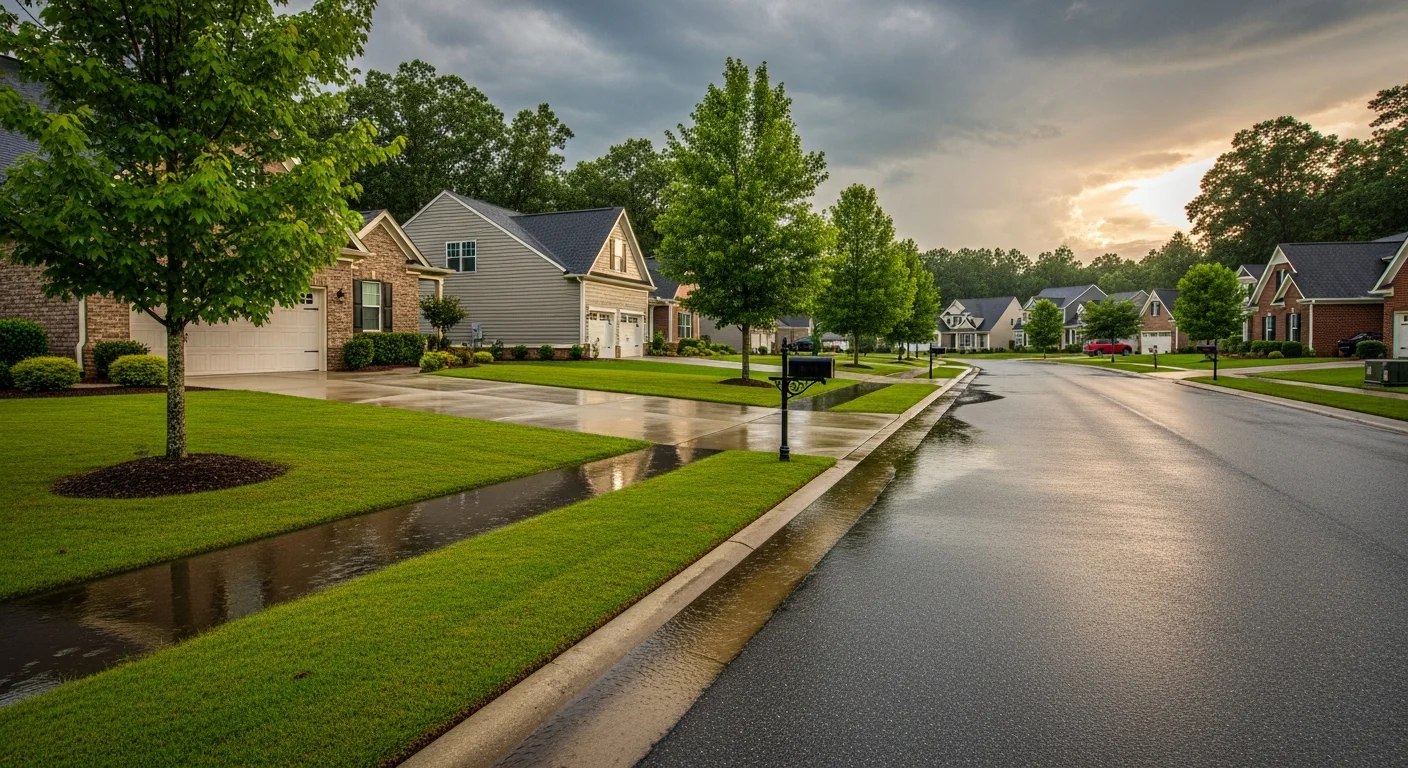
Residential neighborhood in Clover SC during heavy rainfall showing storm water accumulation
A Clover neighborhood during a severe rainfall event — low-lying areas near Lake Wylie are particularly vulnerable to stormwater accumulation and flooding.

Local Risk Factor

The Lake Wylie Wind Corridor: Clover's Unique Storm Threat

Lake Wylie doesn't just define Clover's geography — it fundamentally changes the town's storm damage profile. Understanding the lake fetch effect, canopy interaction, and which communities sit in the wind corridor is essential for every lakeside homeowner.

The Lake Fetch Effect

12,000

Lake surface acres

Lake Wylie stretches over 12,000 acres with 325 miles of shoreline. During severe weather, wind accelerates unobstructed across the lake's open water surface — a phenomenon meteorologists call "fetch." By the time these winds reach Clover's western lakeside communities, they carry significantly more energy than winds measured at inland stations just a few miles east.

Amplified Wind Speed at the Shore

15-25%

Higher wind gusts vs. inland

Open water offers zero friction to slow wind. When a thunderstorm or tropical remnant pushes across Lake Wylie, wind gusts on the Clover shoreline can exceed inland measurements by 15-25%. This isn't dramatic enough to make headlines, but it's enough to lift shingle tabs, shear siding fasteners, and snap mature tree limbs that inland homes survive intact.

Mature Canopy Compounds the Risk

#1

Cause of structural storm damage

The lakeside communities in Clover were developed among mature hardwood forests. Trees that survived decades of normal weather become liabilities during lake-amplified wind events. Saturated soil from heavy rain loosens root systems while the canopy acts as a sail — tree falls onto structures are the single most destructive storm damage event in Clover's lake corridor.

Building Envelope Under Sustained Load

360°

Full envelope inspection required

Lake-facing facades endure sustained wind pressure, not just gusts. This constant load works at flashings, ridge vents, soffit panels, and siding joints — gradually opening pathways for water intrusion that may not be visible for weeks. Post-storm inspections in the lake corridor must check every potential entry point on the wind-facing side of the structure.

Most Exposed Communities in Clover's Lake Corridor

River Hills

Direct western lake frontage with maximum fetch exposure and mature canopy

Cooks Cove

Low-lying lakeside lots with wind exposure plus flooding vulnerability

Lake Wylie Estates

Waterfront properties with minimal wind break between lake and structures

Kings Cove

Elevated lakeside lots with increased wind exposure at ridge elevation

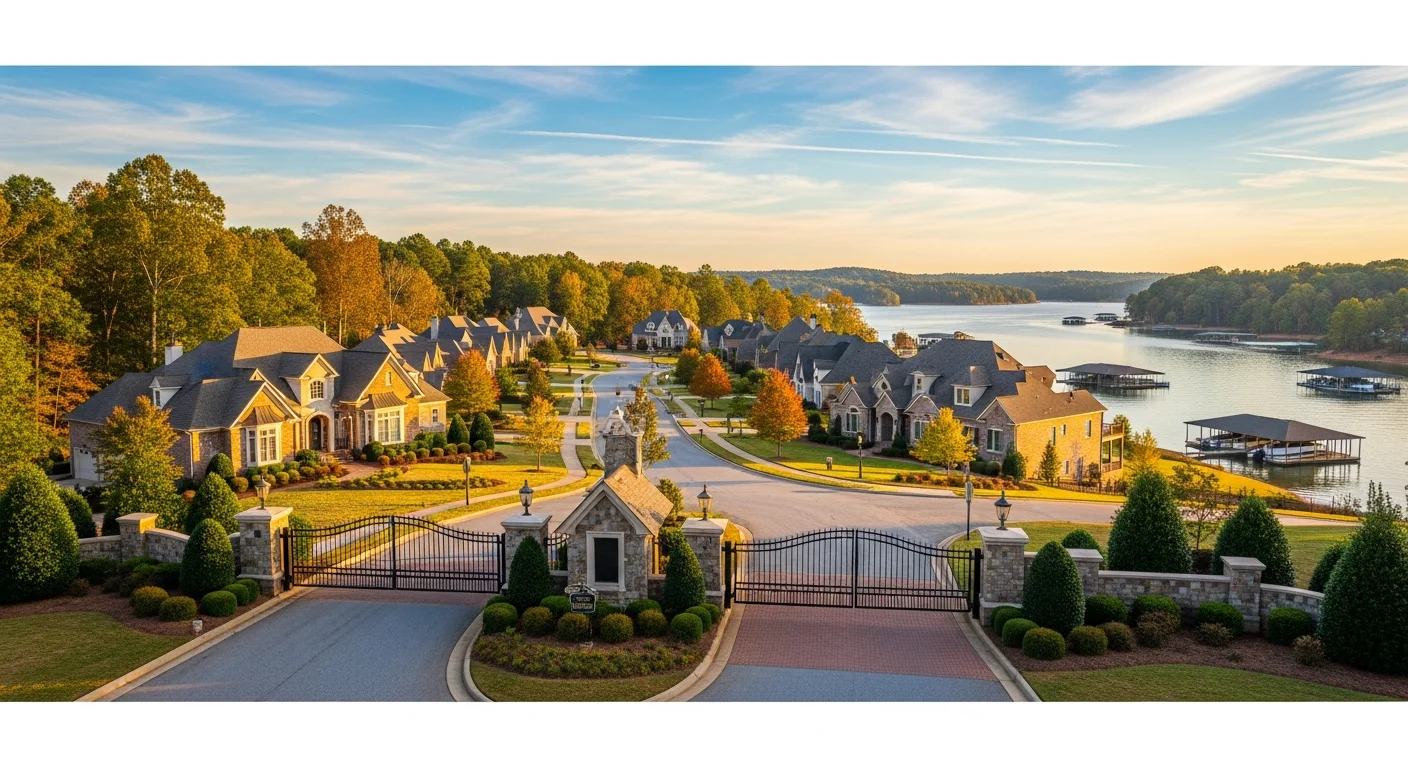
Lake Wylie lakeside community near Clover SC showing wind-exposed residential properties
A Lake Wylie community near Clover — lakeside properties face amplified wind loads during severe weather as storms accelerate across the open water surface.

Our Process

Clover SC Storm Damage Restoration Process

From emergency tarping through full reconstruction, our six-step process addresses every layer of storm damage. Each phase is documented for insurance purposes and managed by a single project team from start to finish.

01

Emergency Tarping & Board-Up

Compromised roofs, broken windows, and damaged siding are secured within hours of your call. With Clover averaging 47 inches of annual rainfall, rapid board-up is critical — every hour a roof is open allows additional water intrusion into attic decking, insulation, and wall cavities below.

02

Damage Assessment & Documentation

Our team documents every point of storm damage: wind-lifted shingles, tree impact zones, siding penetrations, and water migration paths. For Clover homes near Lake Wylie, we pay particular attention to wind-driven rain entry at the building envelope — the damage pattern that lake-effect wind exposure creates.

03

Water Extraction & Structural Drying

Storm-driven water is extracted from the structure using commercial-grade equipment. For Clover crawl space homes — common in older neighborhoods like River Hills and Shadow Lake — we inspect and treat the crawl space where roof leaks drive water through the structure and pool beneath the home.

04

Debris Removal & Site Clearing

Tree falls, shattered roofing materials, broken siding, and storm debris are removed and disposed of properly. Clover's mature hardwood canopy means tree-on-structure events are common — we coordinate with certified arborists for safe removal when trees are still entangled with the roofline or power lines.

05

Structural Repair & Reconstruction

We handle the full scope: roof replacement, structural framing repair, siding restoration, window replacement, and interior finish work. York County requires building permits for all structural repairs — we manage the entire permitting process and coordinate with county inspectors through final sign-off.

06

Full Restoration & Warranty

Every repair is inspected for workmanship and code compliance before final walkthrough. We provide a written warranty and maintain your complete project file for future insurance reference. Your home is returned to its pre-storm condition — or better.

Seasonal Storm Patterns

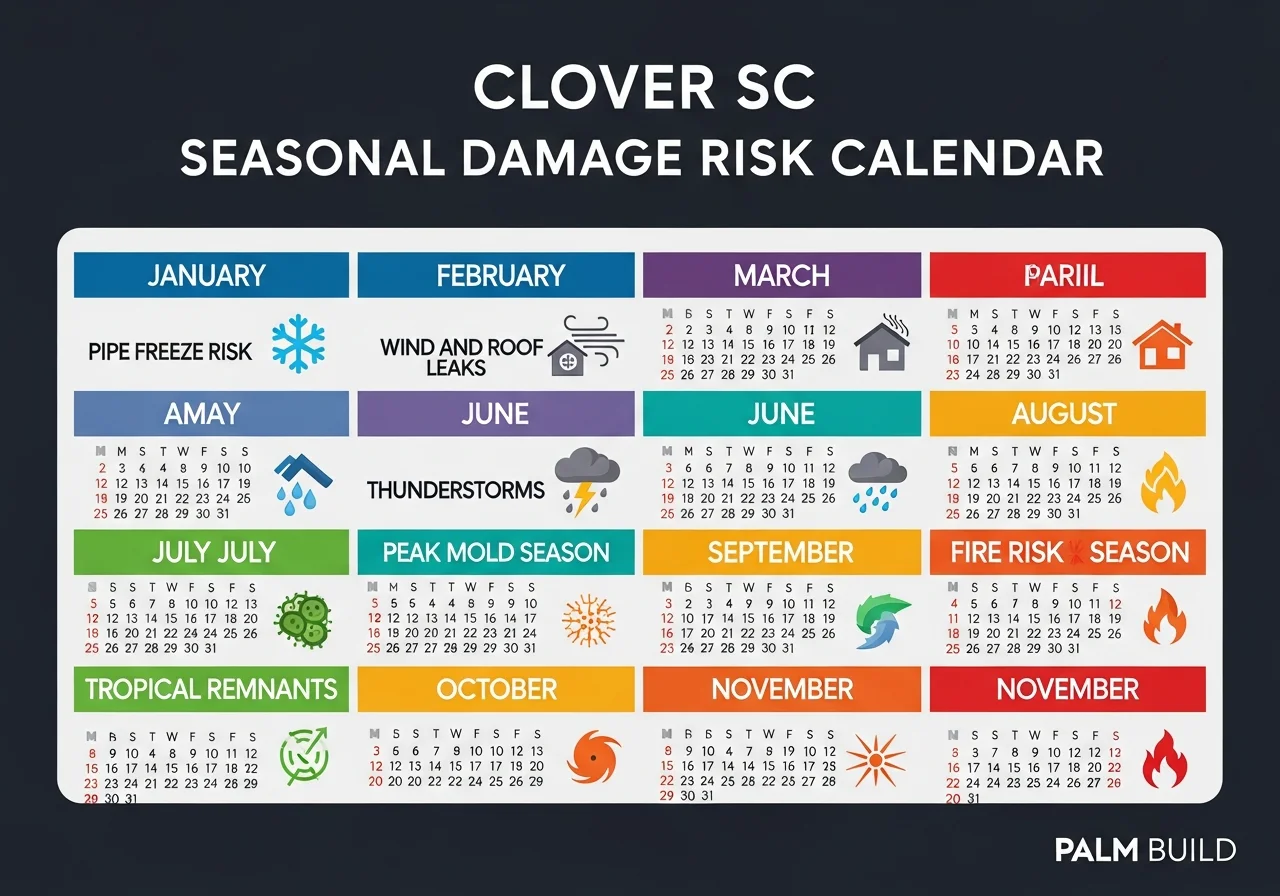
Clover SC Storm Damage Calendar

Clover's Piedmont climate produces distinct storm damage patterns throughout the year. Understanding when your home faces the greatest risk helps with preparation, insurance review timing, and knowing when to call for professional assessment.

Spring (March - May)

14.5" avg rainfall

Severe Thunderstorm Season

The most dangerous period for Clover. Warm Gulf air collides with cooler fronts to produce supercell thunderstorms with large hail, damaging straight-line winds, and occasional tornadoes. March alone averages 5+ inches of rainfall. This is when most major roof and siding damage occurs.

Primary risks: Hail, straight-line winds, tornadoes

Summer (June - August)

13.2" avg rainfall

Afternoon Pop-Up Storms

Heat-driven convective storms form rapidly in the afternoon, often with little warning. While individually less destructive than spring supercells, their frequency — sometimes 3-4 events per week — means cumulative damage to already-compromised roofing. Humidity above 70% accelerates mold growth in any moisture-compromised structure.

Primary risks: Lightning, localized wind bursts, rapid mold growth

Fall (September - November)

10.8" avg rainfall

Tropical Remnant Season

Peak hurricane season drives tropical systems inland through the Carolinas. Tropical Storm Helene demonstrated in September 2024 that Clover is not immune — sustained winds and heavy rainfall overwhelmed York County infrastructure. Fall is also when homes damaged in spring storms finally develop visible mold from months of hidden moisture intrusion.

Primary risks: Tropical remnant winds, prolonged rainfall, compound damage

Winter (December - February)

10.1" avg rainfall

Ice Storms & Freeze Damage

Ice storms, though less frequent, cause catastrophic tree damage when ice loads snap branches and topple mature trees onto structures. Freeze-thaw cycles exploit storm damage from previous seasons — water that infiltrated through summer storm damage freezes in wall cavities, expanding cracks and accelerating structural deterioration.

Primary risks: Ice loading, tree falls, freeze-thaw structural damage

Seasonal storm damage patterns in Clover SC showing year-round weather risks
Clover experiences storm damage risks year-round, from spring supercells and summer convective storms to fall tropical remnants and winter ice events.

Cost Transparency

Storm Damage Restoration Costs in Clover SC

Storm restoration costs in Clover depend on the scope of damage, structural involvement, and whether secondary damage like mold has developed. These ranges reflect current York County project costs for residential properties.

Minor Storm Damage

Emergency tarping & board-up $500 - $2,500
Roof repair (partial, localized) $2,500 - $8,000
Siding repair / section replacement $1,500 - $6,000
Water extraction & drying $1,200 - $4,500
Interior repair (drywall, paint, trim) $1,500 - $6,000
Typical minor storm damage range $7,000 - $25,000

Major Storm + Structural Damage

Full roof replacement $8,000 - $22,000
Complete siding replacement $5,000 - $16,000
Structural framing repair $4,000 - $18,000
Tree removal from structure $2,500 - $10,000
Mold remediation (secondary) $3,000 - $12,000
Total major storm damage range $25,000 - $80,000+

Important: These are pre-insurance estimates. Most Clover homeowners with standard homeowners policies pay only their deductible for covered storm damage. We work directly with your insurance adjuster to ensure the full scope of damage is documented and covered. Call (704) 464-0121 for a free storm damage assessment.

Insurance Navigation

Storm Damage Insurance Claims in Clover SC

The critical distinction for Clover homeowners: wind damage and flood damage are covered under completely different policies. Understanding your coverage before a storm hits can save you tens of thousands of dollars — especially in Lake Wylie communities where both risks are present.

Wind and hail damage to roofing, siding, windows, and gutters is covered under standard York County homeowners policies

Water damage resulting from a storm-compromised roof or building envelope is typically a covered peril under your windstorm coverage

Tree removal from a structure is generally covered — but tree removal from the yard alone is often excluded or capped at $500-$1,000

Wind/hail deductibles are separate from your standard deductible — often 1-2% of dwelling coverage ($2,500-$6,000 on a $250K-$300K Clover home)

Flood damage from rising water requires separate NFIP flood insurance — most Clover homeowners near Lake Wylie and low-lying areas do NOT carry it

Mold from delayed storm repair typically faces $5,000-$10,000 sublimits — easily exceeded when months pass between storm damage and discovery

Wind vs. Flood: The Coverage Gap for Lake Wylie Homes

Lake Wylie communities face a unique dual risk: wind-driven rain damage (covered by homeowners insurance) and rising water from lake flooding (requires separate NFIP flood policy). During major storms, both can occur simultaneously, creating documentation challenges. Our adjusters meticulously separate wind damage from flood damage to maximize your covered claim while identifying coverage gaps before they become surprises.

Documentation That Supports Full Claims

Our storm damage documentation includes wind direction analysis, individual impact measurements, moisture intrusion mapping with thermal imaging, and date-stamped photo evidence. This level of detail supports full Replacement Cost Value claims and helps counter ACV settlement attempts on older roofs. See our insurance restoration process guide.

Why Palm Build

Why Clover Homeowners Choose Palm Build After Storms

Storm restoration in Clover demands a company that understands the Lake Wylie wind corridor, York County permitting, and the specific damage patterns that lakeside Piedmont communities experience. That's what we deliver — every time.

Charlotte Office, 30-Minute Response to Clover

Our Charlotte headquarters is 30 minutes from Clover via I-85 and SC-274. When storms hit, we deploy crews directly — no franchise approval chain, no out-of-state subcontractors learning local building codes on the job. We know York County's permitting requirements and inspector expectations because we work here regularly.

Lake Corridor Damage Expertise

Clover's Lake Wylie wind corridor creates damage patterns unique to lakeside communities — amplified wind loads, sustained envelope pressure, and compound tree-on-structure events. We understand the specific inspection protocols required for lake-exposed properties and document accordingly for insurance.

IICRC Multi-Certified Technicians

Our technicians hold IICRC certifications in water damage restoration, mold remediation, and fire restoration. When a storm-damaged roof leads to water intrusion leads to mold growth, one company with multi-discipline credentials manages the entire restoration under a unified scope of work.

Insurance Documentation Specialists

We document wind direction patterns, individual impact marks, moisture migration paths, and structural compromise with measurement references and date-stamped metadata. This comprehensive documentation supports full Replacement Cost Value claims — critical for Clover's older lakeside homes that might otherwise be settled at depreciated ACV.

Emergency Tarping Through Final Reconstruction

From the first tarp to the final coat of paint, one company handles every phase. We manage York County's building permit process, coordinate with inspectors, and deliver a written warranty on all work. No gaps between contractors, no finger-pointing, no delays.

Common Questions

Clover Storm Damage FAQ

How quickly can Palm Build respond to storm damage in Clover?
Our Charlotte-based team typically arrives in Clover within 35 to 45 minutes from our Crompton Street operations hub — approximately 28 miles via I-85 South and SC-55. We dispatch 24/7/365, including during active storm events. During major weather events with widespread damage across the Charlotte metro, we activate our catastrophe response protocol with additional crews. Call (704) 464-0121 any time.
Does homeowners insurance cover storm damage in Clover SC?
Wind and storm damage are covered perils under standard South Carolina homeowners policies. However, flood damage from rising water or drainage overwhelm requires separate NFIP or private flood insurance. This distinction matters in Clover — wind-driven rain that enters through a roof breach is covered under your wind claim, but ground-level water intrusion from drainage failure during the same storm requires separate flood coverage. Palm Build documents damage by source and entry point to ensure each claim is filed under the correct policy.
Why does Lake Wylie increase storm damage risk in Clover?
Lake Wylie's 13,400-acre surface creates an open-water fetch that accelerates wind speeds before they reach lake-adjacent neighborhoods. Storms approaching from the prevailing southwest track gain speed across the unobstructed lake surface and hit communities like River Hills, Shadow Lake, and Tioga Pointe with higher wind loads than typical inland Piedmont locations experience. This amplified wind combines with mature tree canopy in older neighborhoods to create a compounding hazard — lake-boosted gusts topple trees onto aging rooflines, and the resulting roof breach admits the heavy rainfall that accompanies the same storm.
Which Clover neighborhoods are most vulnerable to storm damage?
River Hills (established 1978) has the highest exposure due to Lake Wylie wind, mature canopy, aging roof systems, and high property values generating claims up to $55,000. Shadow Lake (1982) faces similar tree and envelope aging risks. Cooks Cove experiences localized flooding during intense downpours. Masons Crossing sees roof tab blow-off and garage water intrusion. Downtown Clover's older housing stock from the 1940s-1970s is vulnerable to structural wind damage and tree fall due to aged framing and mature trees.
Should I get emergency tarping before filing an insurance claim?
Yes — and you should do it immediately. Your insurance policy contractually requires you to mitigate further damage after a loss event. Delaying tarping after roof damage allows wind-driven rain to enter the structure, causing secondary water damage to ceilings, walls, insulation, and flooring that dramatically increases total claim cost. Emergency tarping and board-up expenses are covered as part of your claim. Call Palm Build at (704) 464-0121 for 24/7 emergency tarping.
What types of storms cause the most damage in Clover?
Clover experiences three primary storm damage patterns: severe thunderstorms from May through August that produce damaging winds, heavy downpours, and localized flooding; tropical remnants from September through October that deliver sustained wind and multi-inch rainfall events (the SC State Hazard Plan documents 10-inch single-event totals in York County); and winter straight-line wind events from January through March that exploit aging roof systems weakened by freeze-thaw cycles. The Lake Wylie wind corridor amplifies damage from all three patterns for lakeside neighborhoods.
How long does storm damage restoration take in Clover?
Emergency tarping and board-up: same day. Water extraction from storm intrusion: 1-2 days. Structural drying: 3-5 days. Partial roof repair: 1-3 weeks depending on material availability. Full roof replacement: 2-4 weeks. Complete reconstruction of major storm damage: 4-12 weeks. River Hills and Shadow Lake homes with premium finishes and complex roof systems may require additional time for material matching and specialty finish restoration.
What should I do immediately after storm damage to my Clover home?
Document all damage with photos and video before moving anything. Cover exposed areas with tarps if safe to do so. Do not enter rooms with sagging or wet ceilings. Do not clean up tree debris until it has been photographed in place. Contact your insurance company to open a claim. Call Palm Build at (704) 464-0121 for emergency tarping and mitigation — this prevents secondary damage and is covered by your policy.

Storm Damage in Clover? Every Hour of Exposure Compounds the Cost.

An exposed roof or broken window turns wind damage into water damage — and water damage into mold damage. Palm Build's Charlotte team responds to Clover in 35-45 minutes with emergency tarping, water extraction, and structural stabilization. Insurance documentation starts from our first call.

35-45 min Response IICRC Certified