Damage Categories
Types of Fire & Smoke Damage in Clover SC Properties
Fire damage in Clover takes six distinct forms depending on the ignition source and
construction type. Understanding each category helps homeowners know what to expect
during professional restoration — and why shortcuts lead to lingering problems.
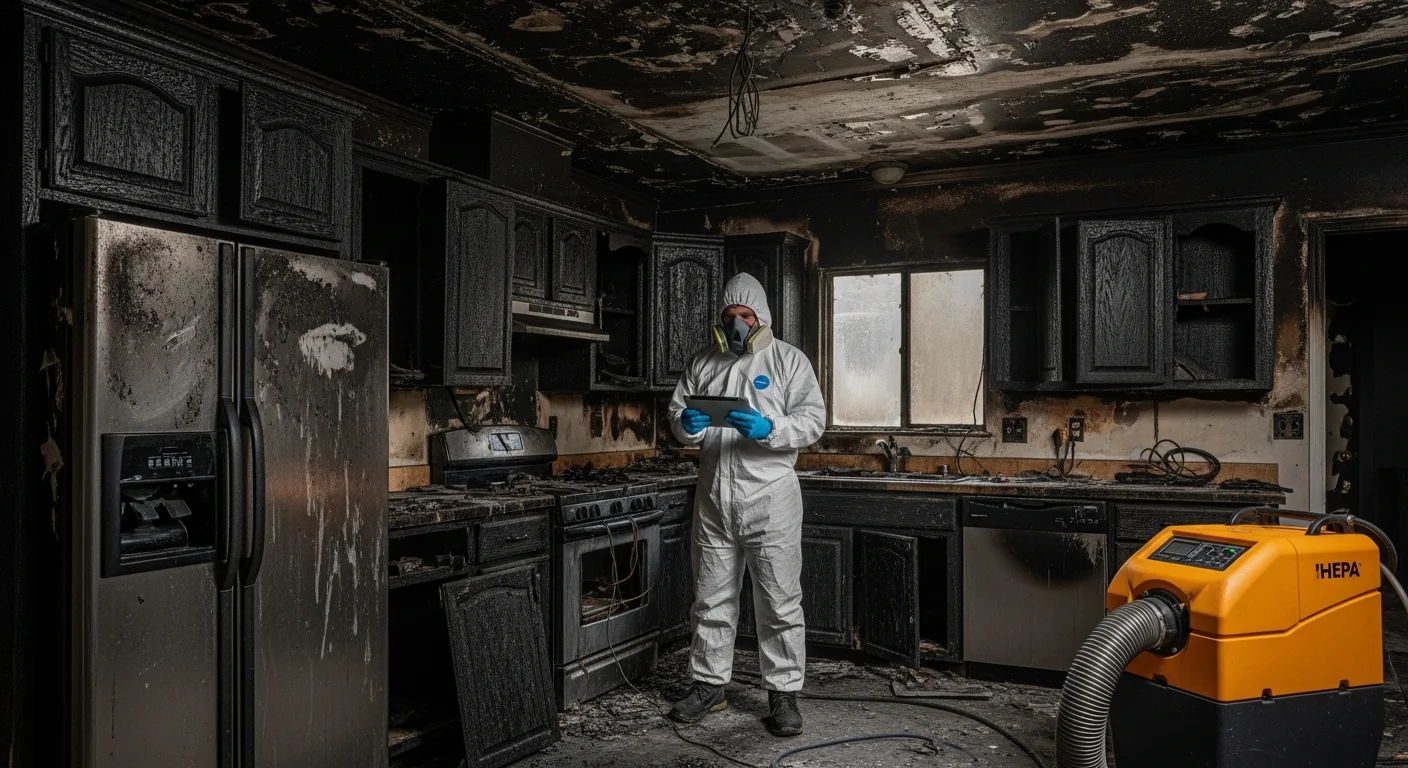
Grease fires are the leading cause of residential fire calls in Clover. Modern open-concept kitchens in developments like Baker's Landing and Creekside allow smoke and soot to travel through the entire living space within minutes. Protein-based kitchen fire residue leaves invisible alkaline films that corrode metal surfaces, etch glass, and produce a pungent odor that standard cleaning cannot eliminate.
Common signs: Grease-coated cabinets, corroded appliances, smoke-saturated soft furnishings, persistent cooking odor throughout home
Clover's older homes along Kings Mountain Street and the downtown core contain original or mid-century wiring never rated for modern electrical loads. Aluminum branch wiring, Federal Pacific panels, and deteriorated wire insulation create arc fault conditions that ignite within wall cavities — producing fires that burn undetected behind drywall before breaking through to visible surfaces.
Common signs: Charred wall cavities, melted outlet boxes, burned insulation, hidden fire spread through framing
Space heaters, wood stoves, and aging furnaces drive Clover's winter fire season from November through March. Portable heaters placed too close to curtains, bedding, or furniture ignite quickly. Wood stove installations with deteriorated chimney liners or improper clearances from combustibles cause chimney fires that extend into the roof structure and attic space.
Common signs: Scorched flooring near heaters, chimney fire damage to roof framing, melted synthetic carpeting, attic fire spread
Lint accumulation in dryer vents is the second-leading cause of residential fires in newer Clover subdivisions. Long vent runs, crimped flexible ducting, and years of neglected maintenance create conditions where dryer lint ignites from exhaust heat. These fires often start in the laundry room wall cavity and spread through framing before detection.
Common signs: Burned laundry room walls, melted dryer components, fire spread through wall cavities to adjacent rooms
Smoke Migration in Attached Housing
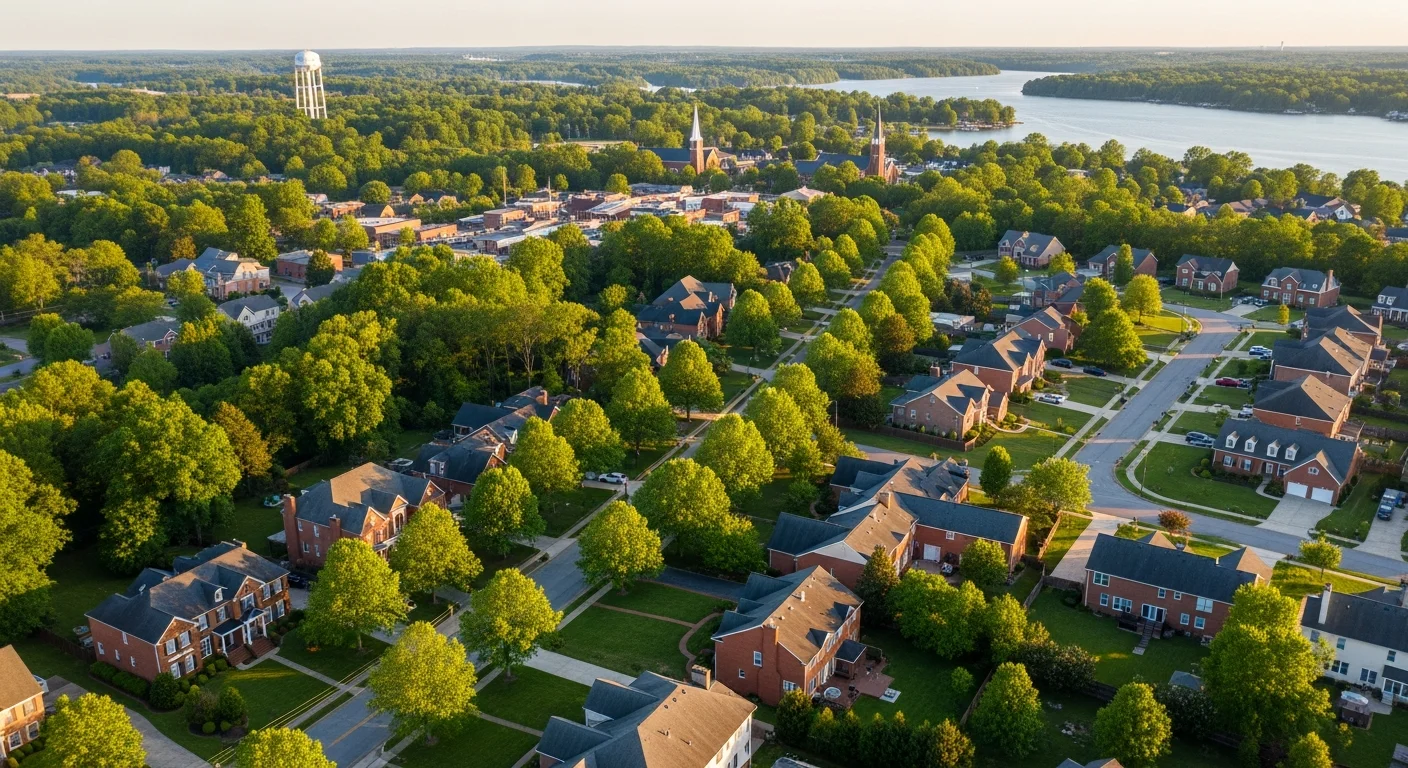
Townhome and duplex communities like The Bluffs at Lake Wylie and Hamiltons Bay experience multi-unit smoke events where fire in one unit pushes smoke through shared attic plenums, HVAC systems, and electrical penetrations into neighboring homes. Units with no direct flame contact still sustain significant smoke and soot damage requiring professional restoration.
Common signs: Soot deposits in neighboring units, smoke odor in shared HVAC systems, contaminated attic insulation across multiple homes
Historic Masonry Fire Damage
Clover's downtown historic district features masonry commercial buildings and adjacent residences with dense brick and plaster construction. Fire in these structures produces intense heat that spalls brick faces, cracks mortar joints, and compromises structural integrity. Smoke penetrates deep into porous masonry and plaster — requiring specialized cleaning techniques that preserve the historic character while eliminating contamination.
Common signs: Spalled brick faces, cracked mortar joints, smoke-saturated plaster walls, heat-damaged structural lintels