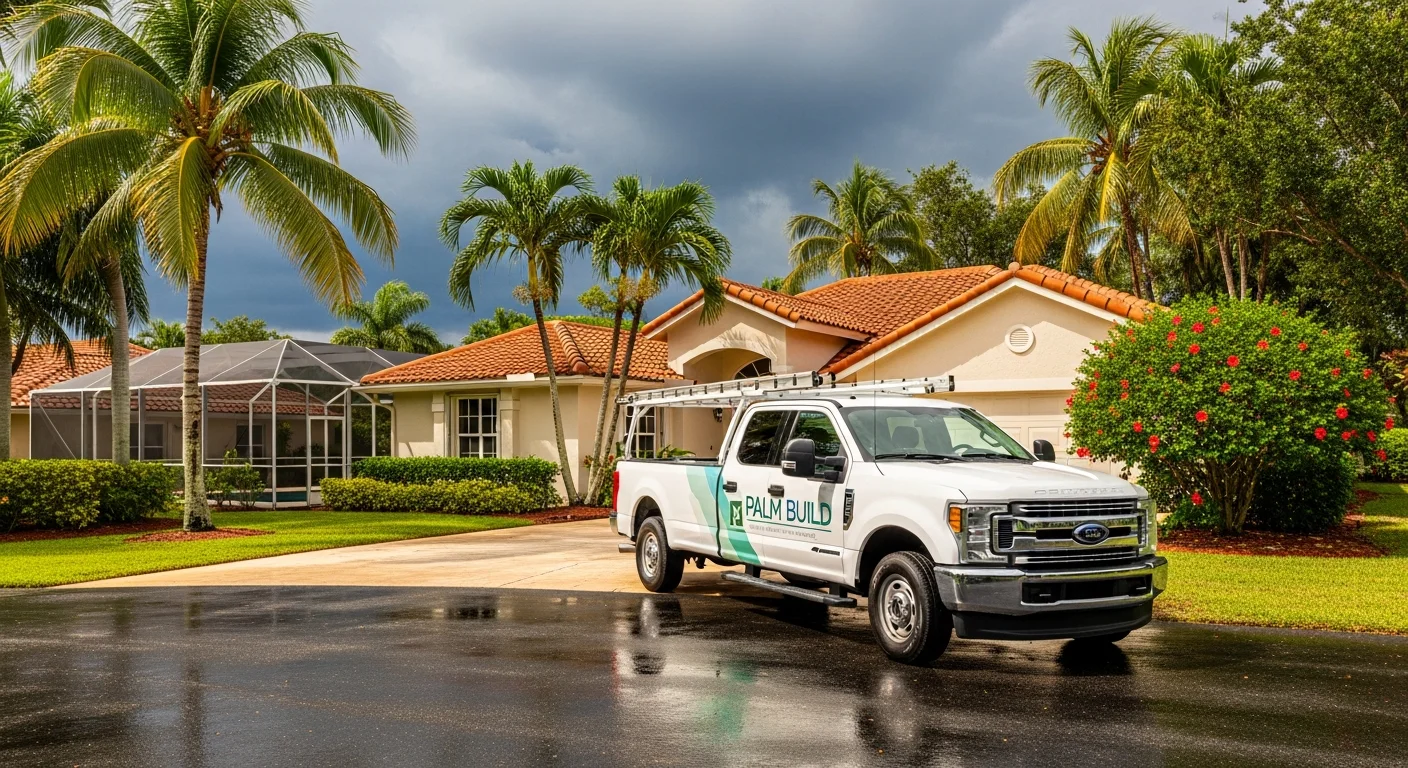
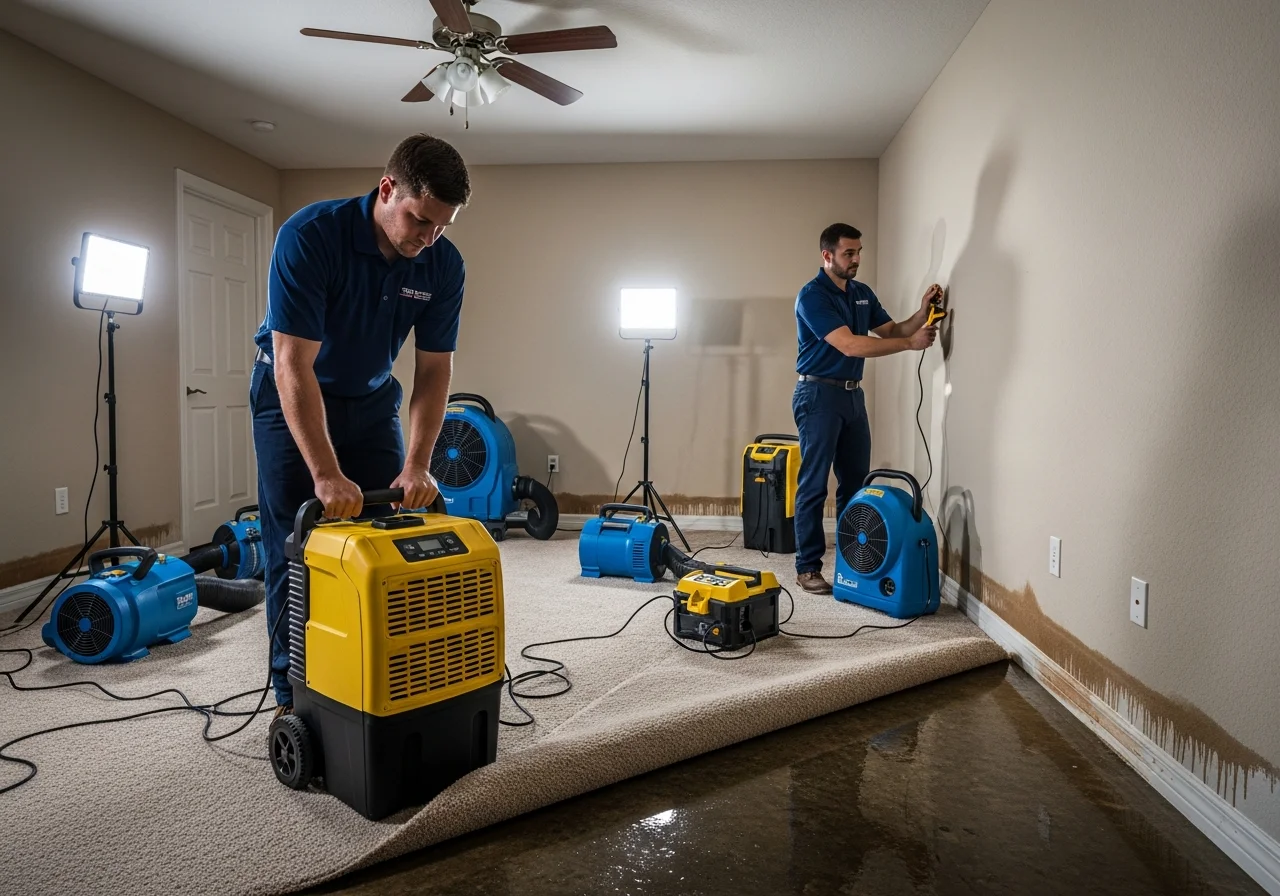
Coral Springs sits inside Broward County's High Velocity Hurricane Zone — the strictest building code jurisdiction in the United States. Every reconstruction project must meet HVHZ wind ratings, impact-rated openings, CBS stucco specifications, and tile roof requirements that didn't exist when most Coral Springs homes were built in the 1970s-1990s. Palm Build handles the full rebuild from our Deerfield Beach hub — Broward County permits, code-required upgrades, insurance coordination, and the Ordinance or Law coverage gaps that catch homeowners off guard.
Deerfield Beach — 15 Minutes from Coral Springs 30 min Response IICRC Certified
Coral Springs isn't a generic South Florida suburb. Its location inside the High
Velocity Hurricane Zone, CBS concrete block construction, mandatory tile roofing, and
Broward County's demanding permit process each create reconstruction complexities that
contractors from outside the area routinely underestimate. Here's what makes
reconstruction here different.
HVHZ Code Compliance
Coral Springs sits inside Broward County's High Velocity Hurricane Zone — the strictest building code jurisdiction in the United States. Every reconstruction project must meet current HVHZ wind ratings: impact-rated windows and doors on all openings, enhanced roof-to-wall connections rated for HVHZ wind speeds, and structural fastener patterns that exceed standard Florida Building Code requirements. For homes built in the 1970s-1990s — which is most of Coral Springs — the gap between original construction and current HVHZ standards is enormous. Generic contractors from outside Broward County routinely underestimate these requirements and fail inspections.
CBS Stucco Rebuild Expertise
Coral Springs' housing stock is overwhelmingly CBS concrete block stucco — from 1970s Maplewood ranch homes to 1990s Eagle Trace estates. CBS reconstruction is fundamentally different from wood-frame work. Water migrates through porous concrete block via capillary action, saturating areas far from the visible damage point. Original 1970s-80s homes were built without moisture barriers between block and stucco. Stucco systems require three-coat application over proper moisture barriers with texture matching to existing finishes. Contractors who treat CBS like drywall on studs create problems that surface months later.
Tile Roof Requirements
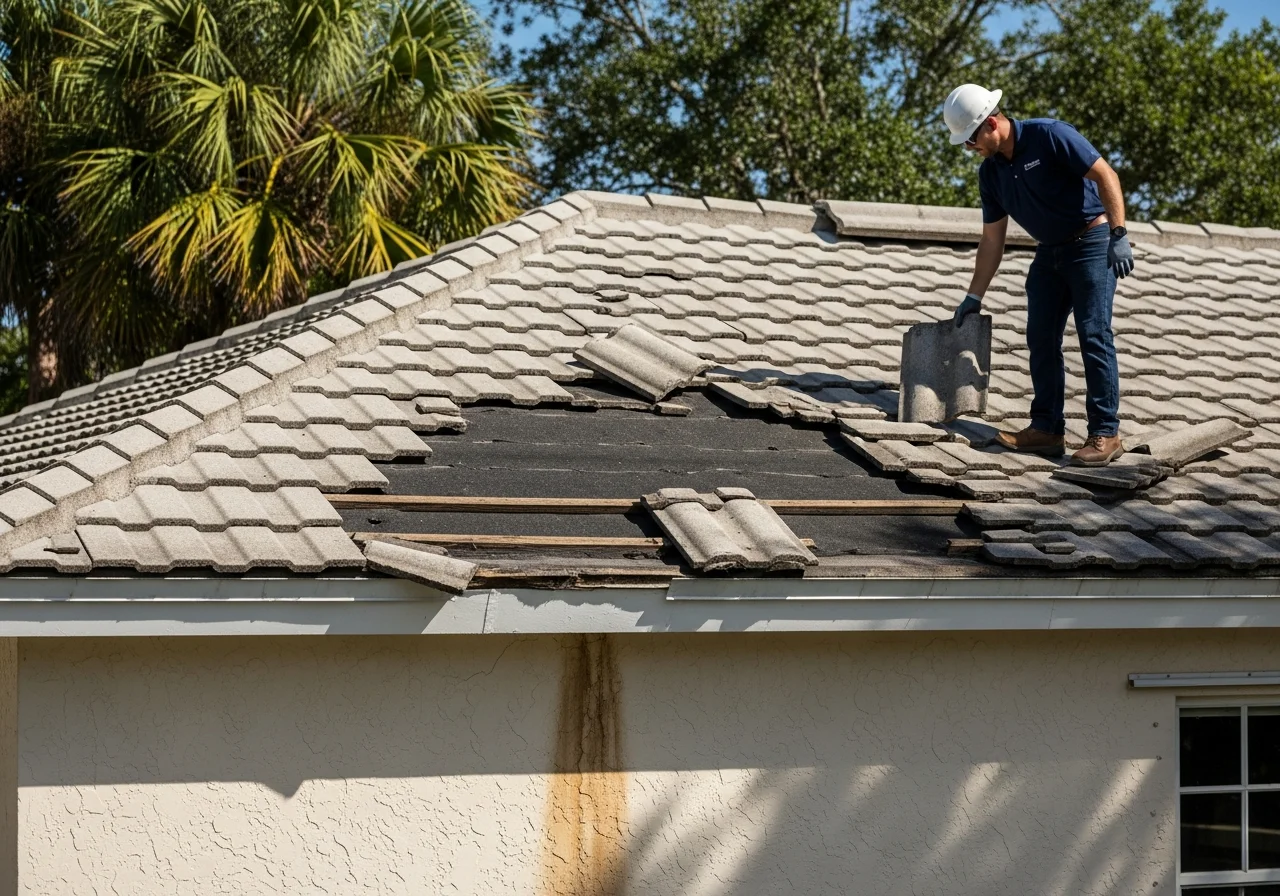
The City of Coral Springs Roofing Ordinance restricts asphalt shingle to only 10 named subdivisions. Every other neighborhood requires concrete or clay tile roofing. During reconstruction, any roof replacement must comply with this ordinance — and tile roofing with HVHZ-rated attachment costs significantly more than standard asphalt shingle. Tile profiles must match existing roof sections. Underlayment must meet HVHZ specifications with specific fastener patterns. Companies unfamiliar with Coral Springs' tile ordinance quote asphalt shingle and discover the restriction after permits are denied.
Permit Complexity
Broward County's permit process is among the most demanding in Florida. The City of Coral Springs Building Division requires permits for structural, plumbing, electrical, roofing, and mechanical work — each with individual trade inspections. Impact windows and doors must carry a current NOA (Notice of Acceptance) from Miami-Dade County and appear on the Florida Building Commission's product approval database. A Notice of Commencement must be recorded with Broward County Records before any work begins. Our established relationships with Coral Springs inspectors mean fewer delays and faster project completion.
Neighborhood Profiles
Coral Springs Neighborhood Reconstruction Guide
Every Coral Springs neighborhood has a distinct construction profile shaped by the
decade it was built, the materials used, and the code standards in effect at the time.
During reconstruction, these differences determine the scope, cost, and HVHZ compliance
requirements. Here's what we encounter in each area.
Eagle Trace
1985-1995|Mediterranean / Golf Community
Barrel tile roofing approaching 30-40 year replacement age, original stucco cracking at expansion joints, no moisture barriers behind stucco, cast-iron drain lines under slab nearing end of life. HOA architectural review required for all exterior reconstruction.
Complexity: High
Heron Bay
1996-2008|Mediterranean Revival Estates
Newest housing stock but approaching code-upgrade age. Chinese drywall possible in 2005-2008 builds. Barrel tile underlayment approaching 20-25 year lifecycle. Impact window seal degradation on early installations. HOA mandates Mediterranean architectural compliance.
Complexity: Moderate
Kensington
1980s-1990s|CBS Single-Family / Townhomes
Original flat tile roofing, no hurricane straps, original electrical panels, polybutylene plumbing in some sections. Stucco weathering and cracking from 30+ years of thermal cycling. Community-specific exterior requirements.
Complexity: High
Wyndham Lakes
1980s-1990s|CBS Lakefront Community
Lake-adjacent moisture exposure, original tile roofing nearing replacement, CBS walls without moisture barriers. Higher humidity at lakefront lots accelerates material degradation. HOA exterior palette restrictions.
Complexity: High
Cypress Run
1975-1985|CBS Ranch / Canal-Adjacent
Among the oldest Coral Springs housing stock. Original cast-iron drain lines, no moisture barriers, original aluminum wiring in some units, flat or low-slope tile roofs with aged underlayment. Canal proximity raises water table concerns during heavy rain.
Complexity: Very High
Maplewood
1970s-1980s|CBS Ranch Homes
Original 1970s CBS construction with zero HVHZ compliance features. No hurricane straps, no impact openings, original single-pane windows, aged electrical panels (Federal Pacific, Zinsco). Most likely to require full code-upgrade reconstruction.
Complexity: Very High
Ramblewood East
1970s-1980s|CBS Condos / Townhomes
Aging condo complexes with documented chronic roof leak issues. Shared wall complications requiring HOA master policy coordination. Original plumbing risers, flat roof membrane degradation, HVAC condensate problems.
Complexity: High
The Isles
1985-1995|CBS Waterfront / Canal
Canal-front exposure increases moisture and flooding risk. Tile roofing at 30-40 year mark. Original stucco systems with no moisture barriers. Salt-air corrosion on metal components despite inland location due to canal system.
Complexity: High
HVHZ Code Zone
HVHZ Building Code Requirements for Coral Springs Reconstruction
The High Velocity Hurricane Zone encompasses all of Broward and Miami-Dade Counties. It
imposes wind-resistance and impact-protection requirements that go significantly beyond
the standard Florida Building Code. During reconstruction, every element must meet
current HVHZ standards — not the code the home was originally built under. For most
Coral Springs homes, this means a comprehensive code upgrade that transforms the
reconstruction scope and cost.
HVHZ Requirements During Reconstruction
Impact-rated windows and doors on ALL openings (no plywood alternatives)
Miami-Dade NOA requiredAffects: Pre-2002 homes
HVHZ requires impact-rated products with a current Notice of Acceptance from Miami-Dade County. Large missile impact testing (9 lb 2x4 at 34 mph for windows, 50 mph for doors). No shutters-only option for new or replacement openings during reconstruction.
Enhanced roof-to-wall connections at every truss/rafter
HVHZ Table 2322.1Affects: Pre-2002 homes
Hurricane straps rated for HVHZ wind speeds at every roof-to-wall connection point. Single-wrap straps are insufficient — HVHZ requires clips or double-wrap straps with specific nail patterns. Most 1970s-90s Coral Springs homes have toe-nailed connections only.
Tile roof attachment with HVHZ-rated fastener patterns
FBC Section 1523 (HVHZ)Affects: All roof replacements
Tile roofing in the HVHZ requires mechanical attachment (not mortar-set) with specific fastener patterns based on roof zone. Perimeter and corner zones require increased fastener density. Full underlayment replacement with HVHZ-rated self-adhering modified bitumen.
HVHZ structural requirementsAffects: Pre-2002 homes
Continuous load path from roof to foundation. CBS wall reinforcement with properly grouted cells and J-bolt anchorage. Many older Coral Springs homes lack adequate wall-to-slab connections for current HVHZ wind loads.
Product approvals from Miami-Dade County (NOA) for all exterior components
FBC HVHZ Chapter 17Affects: All exterior work
Every exterior product installed during reconstruction — windows, doors, roofing, soffits, garage doors — must carry an active Miami-Dade County NOA. Standard Florida product approvals are NOT sufficient in the HVHZ. This single requirement catches more out-of-area contractors than any other.
Upgraded electrical panel with whole-house surge protection
NEC / FBC ElectricalAffects: Pre-2008 homes
GFCI outlets in all habitable areas, AFCI breakers for living spaces, whole-house surge protection, and panel upgrades from undersized 100-amp to minimum 200-amp service where required by reconstruction scope.
Garage door impact rating or wind-load reinforcement
HVHZ TAS 201/202/203Affects: Pre-2002 homes
Garage doors are the weakest point in most Coral Springs homes. HVHZ requires impact-rated garage doors or reinforcement kits meeting TAS 201, 202, and 203 testing protocols. A failed garage door during a hurricane pressurizes the home, leading to roof failure.
The Code Gap: What HVHZ Upgrades Cost by Era
1970s homes (Maplewood, Cypress Run)
Original Construction
Single-pane jalousie windows, no hurricane straps, no impact protection, 100A panel
Current HVHZ Requirement
Impact windows with Miami-Dade NOA, HVHZ-rated straps at every connection, 200A panel
The HVHZ code-upgrade costs shown above are NOT covered by standard homeowners
insurance — they require an Ordinance or Law endorsement. Without this
endorsement, mandatory HVHZ upgrades during reconstruction come entirely out of
pocket. Many Coral Springs homeowners don't discover this gap until reconstruction
has already begun. Palm Build evaluates your Ordinance or Law coverage during the
initial scope development and advises you before demolition starts.
Miami-Dade NOA Requirement
In the HVHZ, standard Florida product approvals are not sufficient. Every exterior
product — windows, doors, roofing, garage doors, soffits — must carry a current
Notice of Acceptance (NOA) from Miami-Dade County. This means specific
manufacturers, specific product lines, and specific installation methods. Palm
Build verifies NOA compliance for every product before ordering, preventing the
failed inspections and re-work that plague contractors unfamiliar with HVHZ
requirements.
Reconstruction Timeline
The Coral Springs Reconstruction Process
From damage assessment through final City of Coral Springs inspection, here's how Palm
Build manages your reconstruction — including HVHZ code compliance, Broward County
permits, tile roofing coordination, and specialty CBS material matching.
01
Damage Assessment & Scope Development
Days 1-5
We walk through the property with you and your insurance adjuster to document every damaged element. Xactimate-based estimates match the format carriers use — eliminating format disputes. For Coral Springs' CBS homes, we include line items for HVHZ code-required upgrades (impact windows with Miami-Dade NOA, hurricane straps, enhanced electrical), tile roofing with HVHZ-rated attachment and full underlayment replacement, moisture barrier installation behind stucco, and Ordinance or Law coverage evaluation. Your code-upgrade cost is calculated upfront — not after construction begins.
02
Permits & HVHZ Code Review
Days 5-15
City of Coral Springs Building Division permits are submitted covering all trades — structural, plumbing, electrical, roofing, and mechanical. Notice of Commencement is filed with Broward County Records. HVHZ compliance is verified for every exterior product: Miami-Dade NOA numbers confirmed, wind-load calculations completed, structural connection details prepared. Impact window orders are placed immediately — HVHZ-rated products from approved manufacturers carry 6-10 week lead times for custom sizes. Tile roofing materials are sourced to match existing profiles.
03
Demolition & Discovery
Days 10-20
Damaged materials are removed to clean substrate. This is when hidden conditions emerge in Coral Springs' 1970s-1990s homes: no moisture barriers behind stucco, polybutylene plumbing (catastrophic burst risk), aluminum wiring, absent hurricane straps, corroded tie beams, and mold behind CBS walls. Each discovery is documented immediately with photos and moisture readings. Insurance supplements are filed for every hidden condition. Impact window measurements are verified against rough openings. Tile is sourced to match existing roof profiles and colors.
04
Structural & Rough-In
Weeks 3-8
CBS block replacement, structural reinforcement, electrical rough-in, plumbing rough-in, and HVAC modifications are completed and inspected. This is where HVHZ code upgrades happen: hurricane straps at every roof-to-wall connection, impact window rough openings prepared for proper anchorage into CBS walls, wall-to-foundation connections enhanced for HVHZ wind loads, upgraded electrical panels with whole-house surge protection. Each trade is inspected separately by the City of Coral Springs.
05
Finishes & Specialty Work
Weeks 6-14
Three-coat stucco application with texture matching over new moisture barriers. Tile roofing with HVHZ-rated mechanical attachment, specific fastener patterns by roof zone, and full underlayment replacement. Impact window and door installation with proper CBS anchorage and Miami-Dade NOA verification. Impact-rated garage door installation. Flooring, cabinetry, countertop, and fixture installation. Interior and exterior painting. For Eagle Trace, Heron Bay, and Kensington homes, architectural detail matching ensures the finished product meets both HVHZ code and HOA standards.
06
Final Inspections & Turnover
Project Completion
Final electrical, plumbing, mechanical, roofing, and building inspections by the City of Coral Springs Building Division. All HVHZ compliance elements are verified — impact ratings with NOA documentation, structural connections, roof attachment patterns, garage door compliance. The final walkthrough with the homeowner confirms every item in the scope has been completed to satisfaction. A completion certificate, NOA documentation for all impact products, and full compliance records are provided to your insurance carrier for final payment release.
Reconstruction Triggers
Types of Reconstruction Needs in Coral Springs
Reconstruction in Coral Springs is triggered by different damage types — each with its
own scope, HVHZ code implications, and insurance considerations. Regardless of the
damage source, every reconstruction must meet current HVHZ building code standards,
making Coral Springs reconstruction inherently more complex and costly than non-HVHZ
areas.
Frequent
Post-Water Damage Reconstruction
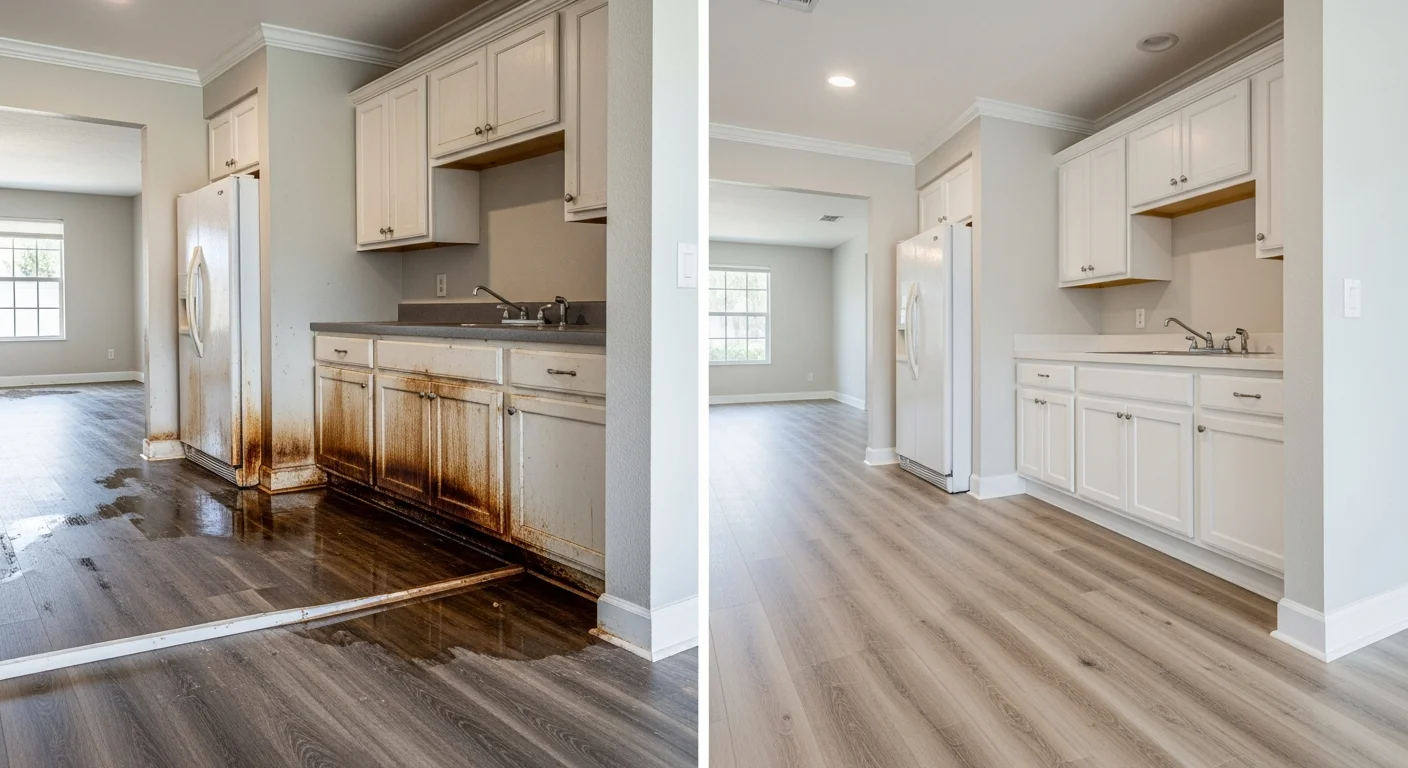
Water damage reconstruction in Coral Springs is driven by CBS-specific behavior: water migrates through porous concrete block via capillary action, saturating areas far beyond the visible entry point. Canal-adjacent homes in Cypress Run and The Isles face recurring flood exposure. Polybutylene plumbing failures in 1970s-80s homes cause catastrophic pipe bursts. Cast-iron drain lines under slabs corrode after 40-50 years, leaking sewage into the soil beneath the slab. Post-water reconstruction includes CBS block drying verification, moisture barrier installation behind stucco, complete re-stuccoing where water has compromised the bond, and HVHZ code upgrades on all reconstructed elements.
Frequent
Post-Fire Reconstruction
Fire-damaged CBS homes require structural evaluation of the block itself — heat causes spalling (surface flaking) and can compromise the block's compressive strength at temperatures above 1,100 degrees F. Smoke damage penetrates CBS pores and requires professional cleaning or block replacement. Kitchen fires in Coral Springs condos at Ramblewood East and older complexes often affect shared walls requiring HOA coordination. Full fire reconstruction includes structural assessment, hazardous material abatement (asbestos in pre-1980 homes), HVHZ code upgrades on all reconstructed elements, and complete interior rebuild to current Florida Building Code.
Most Common
Post-Storm / Hurricane Reconstruction
Hurricane and tropical storm damage in Coral Springs typically presents as tile roof failures (uplift, underlayment breach, ridge cap displacement), impact window or shutter failures in pre-code homes, stucco cracking from debris impact, and water intrusion through compromised building envelopes. The 1970s-90s homes without hurricane straps suffer roof-to-wall connection failures. Post-storm reconstruction triggers the most extensive HVHZ code upgrades because roof and window replacement naturally activates the full HVHZ compliance requirement. This is where Ordinance or Law coverage becomes critical — storm damage reconstruction in Coral Springs routinely costs 25-40% more than the damage repair alone due to mandatory code upgrades.
Notable
Post-Mold Damage Reconstruction
Coral Springs' year-round 70%+ humidity means any moisture intrusion feeds mold growth within 24-48 hours. Mold behind CBS walls is particularly problematic — the block's porous surface provides an ideal growth medium, and contamination can extend through wall cavities well beyond the visible mold. Post-mold reconstruction requires complete removal of contaminated materials, antimicrobial treatment of CBS block surfaces, HEPA air filtration during remediation, and reconstruction with proper moisture barriers to prevent recurrence. When mold damage is extensive enough to require wall reconstruction, HVHZ code upgrades are triggered on all reconstructed elements.
Coral Springs Pricing
Reconstruction Costs in Coral Springs
Coral Springs reconstruction costs reflect the HVHZ code premium, CBS construction
complexity, mandatory tile roofing, and impact-rated product requirements. Current
residential reconstruction costs in Coral Springs average $180-$350 per square foot —
driven by HVHZ-rated materials, CBS specialist labor, and the code compliance
requirements that Broward County enforces. These ranges reflect actual Coral Springs
project costs for insurance-funded restoration work.
Minor Reconstruction
Stucco repair, flooring, paint in 1-2 rooms
$15,000 - $40,000
Includes HVHZ-rated materials where applicable
Moderate Reconstruction
Kitchen/bath rebuild, multiple rooms, CBS wall repair
$40,000 - $100,000
Impact windows, hurricane straps, code upgrades included
Major Reconstruction
Structural rebuild, tile roof, full HVHZ code hardening
$100,000 - $300,000+
Full HVHZ compliance, impact openings, tile roofing throughout
Full Reconstruction
Complete rebuild, total gut renovation with code upgrade
$300,000+
Full HVHZ hardening, complete plumbing/electrical replacement
Coral Springs HVHZ Cost Premiums
HVHZ code compliance premium vs non-HVHZ areas+15-25%
Impact windows with Miami-Dade NOA (per opening)$800-$1,500 vs $300-$600 standard
Tile roofing with HVHZ attachment (per square)$450-$750 vs $250-$400 asphalt
CBS specialist labor premium+10-20% vs wood-frame markets
Impact-rated garage door replacement$2,500-$5,000 vs $800-$1,500 standard
Hurricane strap retrofit (full home)$3,000-$8,000
Electrical panel upgrade (100A to 200A)$2,500-$4,500
Seasonal Demand
When Coral Springs Reconstruction Demand Peaks
Reconstruction demand in Coral Springs follows a distinct seasonal pattern driven by
hurricane season. The surge doesn't peak during the storms themselves — it peaks in the
weeks and months after, when damage assessments are complete, insurance claims are
approved, and reconstruction begins in earnest. October through November sees the
highest concentration of active reconstruction projects as the post-hurricane backlog
builds.
Fire
Jan
Post-holiday fire rebuilds
Water
Feb
Plumbing failure rebuilds
Planning
Mar
Pre-season permits filed
Storm
Apr
Spring storm damage starts
Mold
May
Wet season mold discoveries
Storm
Jun
Hurricane season opens
Storm/Mold
Jul
Daily storm damage + mold
Hurricane
Aug
Peak storm damage season
Hurricane
Sep
Peak hurricane threat
Rebuild
Oct
Post-hurricane reconstruction surge
Backlog
Nov
Backlog from storm season
Backlog
Dec
Year-end reconstruction push
low Demand
moderate Demand
high Demand
extreme Demand
Post-Hurricane Reconstruction Surge
After a major hurricane impacts Broward County, reconstruction demand surges for 6-18
months. Contractor availability drops, material prices spike (especially tile roofing and
impact windows), and permit processing times extend. During these periods, homeowners who
engage a contractor immediately after their insurance claim is approved secure faster
timelines and better material availability. Waiting 3-6 months post-storm can add 2-4
months to reconstruction timelines and 10-15% to material costs.
Insurance Coverage
Insurance & Ordinance or Law Coverage for Coral Springs Reconstruction
When reconstruction follows a covered loss, your homeowners policy covers the cost of
returning your home to pre-loss condition. In Coral Springs, the Ordinance or Law
endorsement is the single most critical policy add-on — it covers the mandatory HVHZ
code upgrades that bring 1970s-1990s homes up to current building code standards during
reconstruction. Florida law requires claims within 1 year of loss and supplemental
claims within 18 months.
Structural repair and rebuild to pre-loss condition (CBS walls, stucco, framing)
Flooring, cabinetry, countertops, and finish materials matching pre-loss quality
Electrical, plumbing, and HVAC repair or replacement
Impact window/door and exterior stucco restoration to current HVHZ code
City of Coral Springs Building Division permits and inspection fees
Code upgrades required during reconstruction (with Ordinance or Law endorsement)
Temporary living expenses during reconstruction (Additional Living Expense / ALE)
Hidden damage discovered during demolition (mold, polybutylene, aluminum wiring)
Tile roof replacement with HVHZ-rated attachment when damaged by covered peril
Debris removal and disposal of damaged materials
Critical Policy Endorsements for Coral Springs
Ordinance or Law Coverage
Covers the cost of HVHZ code-required upgrades that exceed pre-loss construction standards. In Coral Springs, the gap between 1970s-1990s construction and current HVHZ code is the largest in the country. Impact windows with Miami-Dade NOA, hurricane straps at every connection, HVHZ-rated tile attachment, impact garage doors, upgraded electrical systems — none of these existed when most Coral Springs homes were built. Without this endorsement, mandatory HVHZ upgrades during reconstruction come entirely out of pocket. The code-upgrade cost alone can range from $20,000 to $80,000. This is the single most important endorsement for Coral Springs homeowners.
Replacement Cost Value (RCV)
Pays to replace damaged items with new items of like kind and quality — critical for Coral Springs homes with specialty materials like tile roofing, CBS stucco systems, and terrazzo floors. ACV (Actual Cash Value) depreciates materials, leaving you with a fraction of replacement cost for 30-50 year old construction materials. A tile roof depreciated from its original 1990 installation is worth almost nothing under ACV — but costs $15,000-$30,000 to replace.
Additional Living Expense (ALE)
Covers temporary housing during reconstruction. Coral Springs' rental market averages $2,200-$4,000/month for comparable single-family housing. Major reconstruction can take 12-24 weeks. Ensure your ALE limit covers your expected timeline — some policies cap ALE at 12 months or a dollar limit that may not reflect current South Florida rental rates. HVHZ code upgrades often extend reconstruction timelines beyond initial estimates.
Florida Insurance Deadlines
ActionDeadlineStatute
Initial claim filing1 year from date of lossFla. Stat. 627.70132
Supplemental claims18 months from date of lossFla. Stat. 627.70132
Civil remedy noticeRequired before litigationFla. Stat. 624.155
Palm Build Manages the Entire Florida Claims Process
Our reconstruction estimates are written in Xactimate — the same software your carrier
uses. We coordinate directly with your adjuster throughout reconstruction, handling
supplements for hidden damage discovered during demolition and HVHZ code-required
upgrades covered by your Ordinance or Law endorsement. The code-upgrade line items are
separated from standard reconstruction costs, maximizing your Ordinance or Law claim
while keeping the base reconstruction scope clean for your carrier.
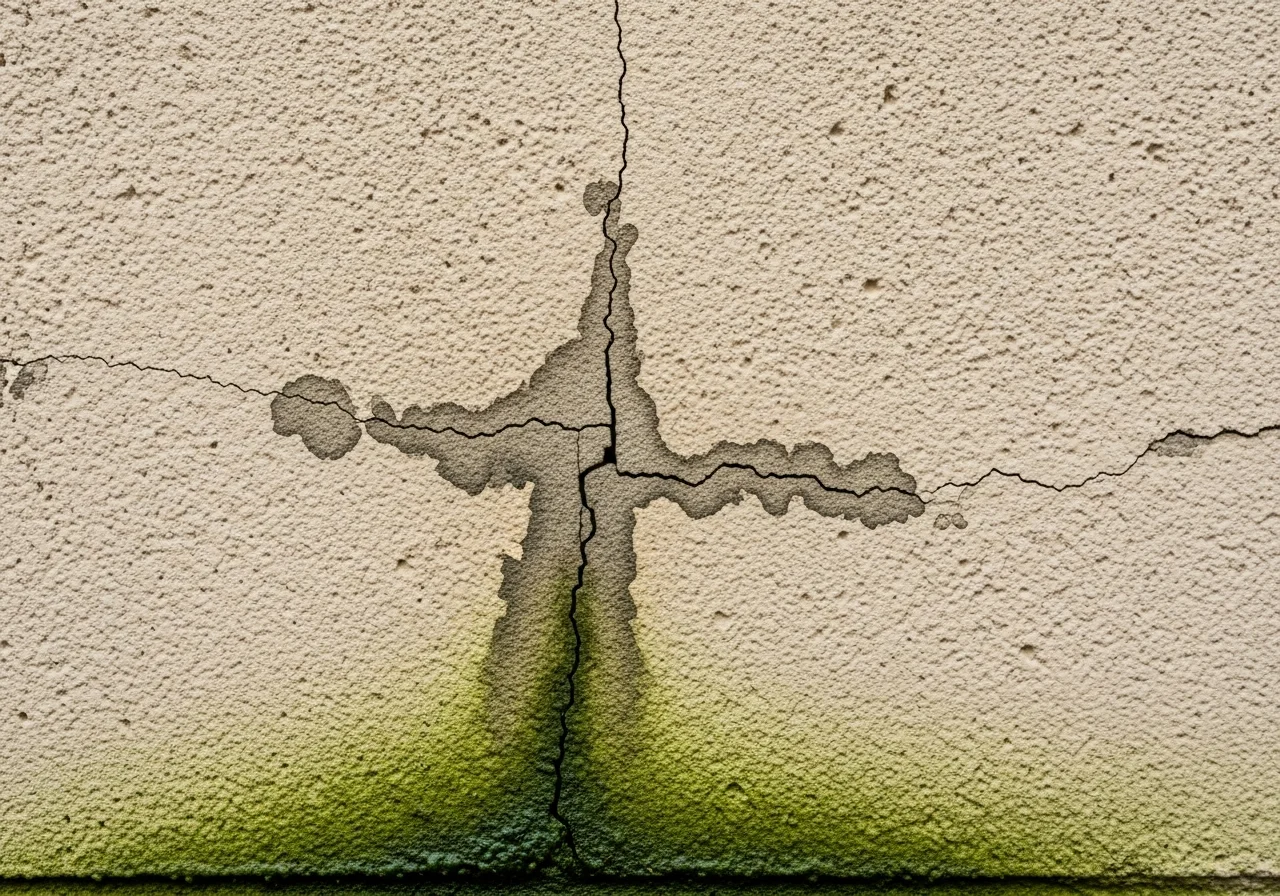
CBS stucco cracking from thermal cycling — moisture barrier installation prevents recurrence during reconstruction
Active reconstruction project — CBS block drying verification before wall reconstruction begins
The Palm Build Difference
Why Coral Springs Homeowners Choose Palm Build for Reconstruction
Single-Source: Mitigation Through Rebuild
No handoffs between companies. Our mitigation and reconstruction teams work as one unit. Reconstruction planning begins during the drying phase — not after it ends. In Coral Springs' subtropical climate where mold colonizes exposed CBS materials within 24-48 hours, this overlap isn't just convenient — it prevents secondary damage that expands the scope and the cost.
HVHZ Code Experts
Coral Springs sits inside the strictest building code zone in the country. Our team understands every HVHZ requirement that out-of-area contractors miss: Miami-Dade NOA product approvals, HVHZ-rated roof attachment patterns, enhanced structural connections, impact garage door requirements, and the inspection protocol that the City of Coral Springs enforces. We get it right the first time — no failed inspections, no correction notices, no delays.
CBS Construction Specialists
CBS concrete block stucco is the dominant construction in every Coral Springs neighborhood. We understand CBS behavior during and after damage — moisture migration through porous block, three-coat stucco system requirements, structural evaluation of fire-damaged block, moisture barrier installation that original construction omitted, and texture matching across decades of stucco finishes. Generic wood-frame contractors treat CBS like drywall on studs. We don't.
Broward County Permit Experience
We navigate the City of Coral Springs Building Division daily. Notice of Commencement filings with Broward County Records, trade inspections at each phase, impact window NOA verification, tile roofing HVHZ compliance, HOA architectural review coordination — we handle every aspect of the regulatory process. Our established relationships with local inspectors mean fewer delays and faster project completion.
Deerfield Beach — 15 Minutes Away
Our South Florida Operations Hub at 786 S Military Trail in Deerfield Beach is 15 minutes from Coral Springs via the Sawgrass Expressway. Emergency mitigation in under 30 minutes. Daily project manager site visits during reconstruction. Immediate problem-solving when hidden conditions are discovered during demolition. Proximity is an operational advantage — not just a marketing claim.
Insurance Coordination & Ordinance or Law Maximization
Our Xactimate-based estimates separate standard reconstruction costs from HVHZ code-upgrade line items — maximizing your Ordinance or Law claim while keeping the base scope clean for your carrier. We coordinate directly with your adjuster on initial scope, file supplements for hidden damage discovered during demolition, and document all HVHZ upgrades for Ordinance or Law coverage. The code-upgrade cost is calculated during scope development, not after construction begins.
Common Questions
Coral Springs Reconstruction FAQ
What makes reconstruction in Coral Springs different from other South Florida cities?
Coral Springs sits inside Broward County's High Velocity Hurricane Zone (HVHZ), which imposes the strictest building codes in the United States. Every reconstruction must meet current HVHZ wind ratings — not the code the home was originally built under. Since most Coral Springs homes were built between 1970-2000, the gap between original construction and current HVHZ requirements is significant: impact-rated windows and doors on all openings, enhanced roof-to-wall connections, tile roofing with HVHZ-rated attachment, and upgraded electrical systems. Additionally, Coral Springs' tile roof ordinance restricts asphalt shingle to only 10 named subdivisions, meaning most reconstruction projects require concrete or clay tile roofing.
Does my insurance cover HVHZ code upgrades during Coral Springs reconstruction?
Standard homeowners policies cover reconstruction to pre-loss condition only. Code-required upgrades — impact windows, hurricane straps, enhanced electrical, tile roofing to current HVHZ specifications — are covered only if you carry an Ordinance or Law endorsement. This is the single most important endorsement for Coral Springs homeowners. Without it, mandatory HVHZ code upgrades come entirely out of pocket. The cost gap between pre-loss construction standards and current HVHZ code in a 1970s-1990s Coral Springs home can easily reach $30,000-$80,000. Palm Build's Xactimate-based estimates separate covered reconstruction from code-upgrade line items, maximizing your Ordinance or Law claim.
How long does reconstruction take in Coral Springs?
Minor reconstruction (stucco repair, flooring, paint in 1-2 rooms): 2-4 weeks. Moderate reconstruction (kitchen/bath rebuild, CBS wall repair, multiple rooms): 6-12 weeks. Major reconstruction (structural rebuild, full tile roof replacement, impact windows throughout): 12-24 weeks. Coral Springs timelines are affected by impact window lead times (6-10 weeks for custom sizes), tile roofing material availability, Broward County permit processing times, and the seasonal surge in reconstruction demand following hurricane season.
What does reconstruction cost in Coral Springs?
Minor reconstruction ranges from $15,000-$40,000. Moderate reconstruction (kitchen/bath, multiple rooms, CBS wall repair) ranges from $40,000-$100,000. Major reconstruction with full HVHZ code compliance ranges from $100,000-$300,000+. Coral Springs costs reflect the HVHZ code premium: impact windows cost $800-$1,500 per opening versus $300-$600 for standard; tile roofing runs $450-$750 per square versus $250-$400 for asphalt shingle; and CBS specialist labor runs 10-20% above wood-frame markets. Overall, HVHZ compliance adds 15-25% to reconstruction costs compared to non-HVHZ areas.
What permits are required for reconstruction in Coral Springs?
The City of Coral Springs Building Division requires permits for all structural, plumbing, electrical, roofing, and mechanical work. A Notice of Commencement must be filed with Broward County Records before work begins. Individual trade inspections are required at each phase. Impact window and door installations require separate HVHZ product approval verification — the product must appear on the Florida Building Commission's product approval database with a current NOA (Notice of Acceptance) from Miami-Dade County. Palm Build handles the entire permit process from application through final inspection.
Why does Coral Springs require tile roofs instead of asphalt shingle?
The City of Coral Springs Roofing Ordinance restricts asphalt shingle roofing to only 10 named subdivisions. All other areas require concrete or clay tile roofing. During reconstruction after damage, any roof replacement must comply with this ordinance. Tile roofing with HVHZ-rated attachment (including specific fastener patterns, underlayment requirements, and ridge cap specifications) costs significantly more than asphalt shingle but provides superior wind resistance and a 50+ year lifespan. Palm Build sources tile to match existing roof profiles and colors, ensuring the reconstructed roof integrates seamlessly with undamaged sections.
Can Palm Build match the original finishes in my Coral Springs home during reconstruction?
Yes. Coral Springs' master-planned neighborhoods each have distinctive architectural styles. Eagle Trace homes feature Mediterranean elements with barrel tile and textured stucco. Heron Bay estates have specific earth-tone palettes and arched details. Kensington and Wyndham Lakes homes follow different design standards. During reconstruction, we document existing textures (skip trowel, knockdown, sand finish), color profiles, tile roof profiles, and architectural details before demolition begins. Stucco is color-matched using the same base mix — not paint over mismatched texture. Tile is sourced from the same manufacturers where possible.
What happens if hidden damage is discovered during reconstruction of my Coral Springs home?
Demolition of CBS walls in Coral Springs' 1970s-1990s homes routinely reveals hidden conditions: no moisture barriers behind original stucco, polybutylene plumbing (catastrophic burst risk), aluminum wiring (fire hazard), corroded tie beams, mold behind CBS block walls, and absent hurricane straps. Each discovery expands the reconstruction scope. Palm Build documents every hidden condition immediately, files insurance supplements with your carrier, and provides transparent cost breakdowns for items outside insurance coverage. The key is catching these conditions during demolition — not after walls are closed up.
Trusted Vendors
Trusted local pros in Coral Springs
Outside our restoration scope, these are the vetted, licensed contractors we trust
alongside our work. Personally evaluated, reference-checked, and recommended by Palm
Build.
Need Reconstruction After Damage in Coral Springs?
Palm Build handles the full rebuild — from demolition through final Broward County inspection — with one team, HVHZ code expertise, CBS stucco specialists, and insurance coordination throughout. Tile roofing, impact windows, Ordinance or Law coverage maximization.