Fire & Smoke Damage Cleanup in Boca Raton, Florida
From Royal Oak Hills' mid-century CBS homes to Boca West's luxury estates, Palm Build's IICRC-certified team handles structural fire damage, soot removal from stucco and tile, smoke odor elimination in CBS wall cavities, and full reconstruction to Florida Building Code — with insurance coordination from the first call.
Deerfield Beach — Minutes from Boca Raton 30-45 min Response IICRC Certified
After a Fire in Boca Raton, Every Hour of Delay Costs You
The fire department puts out the flames — but that's when the real damage clock starts.
In South Florida's humid subtropical climate, soot corrosion, smoke penetration, and
mold from fire-suppression water all accelerate dramatically. The difference between a
$15,000 restoration and a $60,000 rebuild often comes down to how fast professional
mitigation begins.
CRITICAL FACTOR 1
Florida Humidity Accelerates Soot Damage
Boca Raton's year-round humidity — averaging 74% — accelerates the chemical reaction between acidic soot and household surfaces. Soot residue that might take days to cause permanent etching in dry climates begins damaging stainless steel appliances, marble countertops, chrome fixtures, and glass within hours in South Florida's moisture-laden air. The humidity reacts with soot compounds to form sulfuric and hydrochloric acid on every exposed surface.
CRITICAL FACTOR 2
Stucco Walls Trap Smoke in CBS Cavities
Boca Raton's predominant CBS (concrete block and stucco) construction creates a unique smoke damage challenge. Smoke infiltrates the hollow cores of concrete block walls and becomes trapped — invisible from the surface but actively releasing odor compounds for weeks or months. Unlike wood-frame construction where walls can be opened for cleaning, CBS remediation requires specialized injection techniques or partial demolition to access contaminated wall cavities.
CRITICAL FACTOR 3
Central AC Spreads Smoke to Every Room
Every Boca Raton home runs central air conditioning year-round. When a fire occurs, smoke and soot particles are drawn into the return air system and distributed through ductwork to every room in the home — including rooms on the opposite side of the house from the fire. Within hours, your entire HVAC system becomes a smoke distribution network. If the system isn't shut down and professionally cleaned, it continues circulating soot and odor compounds with every cooling cycle.
Emergency Fire Restoration
Palm Build dispatches from our Deerfield Beach office within 30-45 minutes. We begin
emergency board-up, soot stabilization, and water extraction simultaneously — stopping
all three damage clocks at once. Call now for immediate response.
Emergency board-up and tarping secures your Boca Raton home within hours of the fire
Understanding the Damage
The Science of Soot: Why Fire Type Determines the Restoration Approach
Not all fire damage is the same. The type of materials that burned determines what kind
of soot your Boca Raton home is coated with — and that determines the cleaning
chemistry, equipment, and timeline required. Using the wrong approach on stucco, tile,
or CBS surfaces doesn't just fail to clean — it can permanently set stains and drive
odors deeper into porous materials.
Protein Residue (Kitchen Fires)
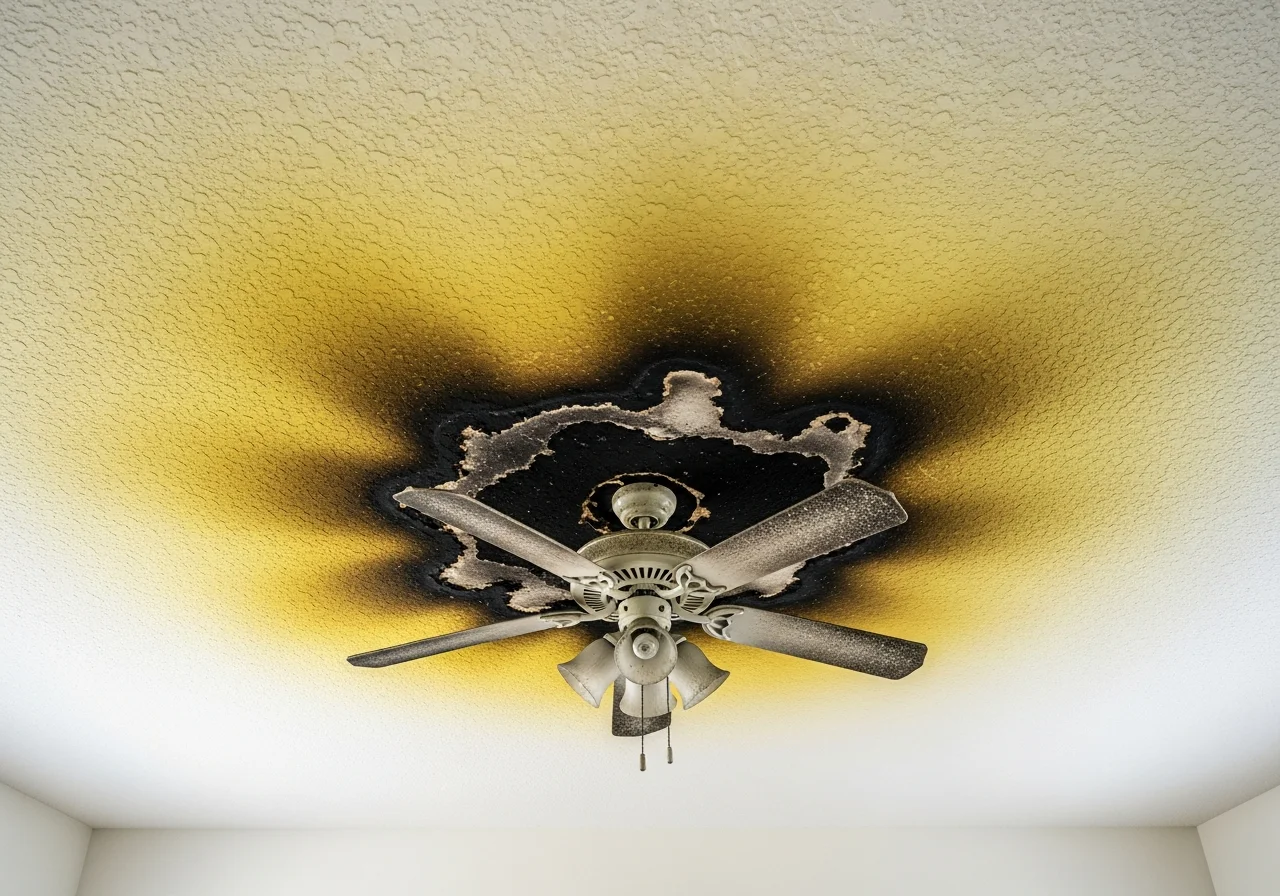
The most common fire type in Boca Raton homes. Protein fires from cooking produce an almost invisible, yellowish residue with an extremely pungent odor that penetrates every surface — often far beyond the kitchen. In Boca's open-concept homes with tile floors and stucco walls, the residue spreads rapidly and bonds chemically to porous surfaces. Protein soot is nearly invisible on light-colored stucco and tile but discolors significantly over time. Standard cleaning products and household methods will spread the residue and set the stain permanently.
Professional Cleaning Approach
Requires enzymatic cleaners and specialized degreasing agents. Thermal fogging with protein-specific solutions is typically needed for odor elimination in CBS wall cavities.
Natural Material Soot (Wood, Paper, Cotton)
When Boca Raton homes with wood-framed roof trusses, wood cabinetry, or attic insulation burn, they produce dry, powdery, gray-black soot. This type is lighter and easily disturbed by air movement — it spreads throughout the entire home via the central AC system that runs year-round in South Florida. In homes with forced-air HVAC, soot from a fire in one room can contaminate ductwork and distribute residue to every room within hours. The tile and terrazzo floors common in Boca homes are more forgiving than carpet, but soot settles into grout lines and textured surfaces.
Professional Cleaning Approach
HEPA vacuuming first (never wipe dry soot — it smears), followed by chemical sponge treatment, then wet cleaning with appropriate detergents. Tile grout requires specialized extraction.
Synthetic Soot (Plastics, Polymers)
Modern Boca Raton homes — especially in newer communities like Boca Falls, Saturnia, and Lotus — contain significant synthetic materials: engineered flooring, foam insulation, PVC trim, synthetic carpeting, and plastic fixtures. When these materials burn, they produce thick, black, sticky soot that is extremely difficult to remove. In CBS construction, synthetic soot penetrates the porous stucco finish and becomes trapped in concrete block cavities. This is the most hazardous soot type, containing toxic compounds including hydrogen cyanide and dioxins.
Professional Cleaning Approach
Requires solvent-based cleaners specifically formulated for petroleum-based residues. Multiple cleaning passes on stucco surfaces are standard. PPE is critical due to toxic compounds.
Local Risk Factors
Fire Risks Specific to Boca Raton Homes
Boca Raton's housing stock — from 1960s CBS block homes in established neighborhoods to
modern gated communities and beachfront condominiums — creates distinct fire risk
profiles. Understanding which risks apply to your property helps you prepare and ensures
your restoration company knows the construction type from the first call.
Aging CBS Electrical Systems (1960s-70s Homes)
High
Boca Raton's mid-century CBS (concrete block and stucco) homes — concentrated in neighborhoods like Boca Raton Square, Boca Islands, and Royal Oak Hills — were built with electrical systems designed for window AC units and basic appliances. Decades of panel upgrades, added circuits, and DIY modifications have left many homes with mismatched wiring, overloaded circuits, and connections hidden inside CBS wall cavities. Electrical fires in these homes smolder behind concrete block walls for hours before detection, filling wall cavities with smoke residue that is extremely difficult to reach and clean without partial demolition.
Peak season: Year-round
Kitchen & Holiday Cooking Fires
Most Common
Cooking fires are the leading cause of residential fire calls in Boca Raton. The open-concept floor plans common in Boca's newer gated communities — Boca Falls, Saturnia, Woodfield Country Club — allow kitchen fire smoke to travel rapidly through the entire living area and into HVAC ductwork, contaminating rooms far from the fire origin. During the winter holiday season, Boca's seasonal population surge means more cooking in unfamiliar kitchens, more deep-frying turkeys outdoors near lanai screens, and more candle use — all driving a spike in residential fire calls from November through February.
Peak season: Nov – Feb peak
Space Heater Fires During Cold Snaps
Seasonal
South Florida homes are not built for cold weather. When winter cold fronts push overnight temperatures into the 30s and 40s, Boca Raton residents pull out portable space heaters that have been in storage for months. These heaters are placed too close to drapes, bedding, and furniture on tile floors that conduct cold — and many are older models without tip-over shutoffs. Because Boca homes lack central heating, residents run multiple space heaters simultaneously, overloading circuits in older CBS homes that were never designed for that electrical load.
Peak season: Dec – Feb
Electrical Overloads in Aging Condos
High
Boca Raton's extensive condo inventory — from Boca West's towers to beachfront high-rises along A1A — includes buildings from the 1970s and 1980s with original electrical infrastructure serving units now filled with modern appliances, smart home systems, and EV chargers. Overloaded circuits, aging aluminum wiring, and shared electrical risers mean a fire in one unit can spread smoke through HVAC plenums and elevator shafts to dozens of units. Condo fire restoration involves HOA coordination, multi-unit smoke remediation, and Florida condominium association compliance requirements.
Peak season: Year-round
Our Fire Restoration Process
How We Restore Boca Raton Homes After Fire Damage
Fire restoration is more complex than water or mold because it involves multiple damage
types simultaneously — structural fire damage, soot contamination, smoke odor, and water
from fire suppression. Our process addresses all four in a coordinated sequence.
01
Emergency Board-Up & Securing
Hours 1-4
We secure your Boca Raton home against weather, theft, and further damage. This includes boarding windows, tarping damaged roof sections, and securing doors. In South Florida, where afternoon thunderstorms can develop daily from May through October, an unsecured fire-damaged home can sustain thousands in additional water damage from a single storm passing through exposed roof trusses and stucco openings.
02
Damage Assessment & Documentation
Day 1-2
Our IICRC-certified team performs a comprehensive walk-through documenting every affected area with photos, video, and moisture readings. We classify the fire type (protein, natural, synthetic), assess structural integrity of CBS block walls and concrete tie-beam construction, and create a detailed scope of work. This documentation becomes the foundation of your insurance claim — formatted exactly how South Florida adjusters expect to see it.
03
Water Extraction & Drying
Days 1-5
Fire suppression water is addressed simultaneously with soot stabilization. We extract standing water from slab-on-grade floors, set up commercial dehumidifiers and air movers, and monitor drying daily. In Boca Raton's humid climate, this step is critical for preventing secondary mold growth — which can begin within 24 hours on the same surfaces already weakened by fire damage and heat exposure.
04
Soot & Smoke Removal
Days 3-10
Professional soot removal uses chemistry matched to the specific soot type. HEPA vacuuming removes loose particulate, chemical sponges lift embedded residue, and wet cleaning with specialized detergents addresses remaining contamination. Every surface is treated — stucco walls, popcorn or smooth ceilings, tile, cabinetry, fixtures, and structural members. Boca Raton's CBS construction requires specialized techniques to clean porous stucco without damaging the finish.
05
Odor Elimination
Days 5-14
Smoke odor elimination uses thermal fogging for CBS wall cavities, ozone for sealed spaces, and hydroxyl generation for occupied areas. For Boca Raton's concrete block construction, we often use injection techniques to treat smoke trapped inside hollow block cores — a step unnecessary in wood-frame homes but critical for achieving complete odor elimination in South Florida CBS construction.
06
Reconstruction & Restoration
Weeks 2-8+
Once cleaning and odor treatment are verified complete, we handle full reconstruction: drywall, stucco repair, tile, cabinetry, painting, electrical, plumbing, and finish work. Florida Building Code requires any reconstruction to meet current code standards — meaning electrical, plumbing, hurricane strapping, and impact-window requirements may all apply to fire reconstruction, potentially adding scope but significantly improving your home's resilience.
The Hidden Damage
Water Damage From Firefighting: Often Worse Than the Fire
Many Boca Raton homeowners are shocked to discover that fire suppression causes more
damage to their home than the fire itself. A single fire hose delivers 150 to 250
gallons of water per minute. A residential sprinkler head activates at 17 gallons per
minute and may run for 30 minutes or more before being shut off. That water saturates
drywall, subfloors, insulation, and personal property — and on Boca Raton's
slab-on-grade construction, it pools across tile and terrazzo floors with nowhere to
drain.
In Boca Raton's CBS homes, fire suppression water seeps into hollow concrete block
cavities through cracks in stucco and around window and door frames. The water becomes
trapped inside these walls — invisible from the surface but creating a perfect
environment for mold growth in South Florida's 74% average humidity. Within 24 hours,
this hidden moisture begins feeding mold on the same surfaces already weakened by
heat. You're now dealing with fire damage, water damage, and mold risk simultaneously.
Palm Build's fire restoration team handles water extraction and structural drying as
an integrated part of the fire cleanup process — not as a separate project that adds
weeks and thousands to your timeline. Our technicians are cross-trained in both fire
and water damage restoration, so one team manages the entire scope.
How We Permanently Eliminate Smoke Odor in Boca Raton Homes
Smoke odor is the most persistent aspect of fire damage — and South Florida's humidity
makes it worse. Masking products do not eliminate smoke odor. They temporarily cover it.
Professional odor elimination requires treating the source at the molecular level using
methods matched to Boca Raton's CBS construction and the specific materials in your
home.
Thermal Fogging
Heated deodorizing agents are converted into a fog that penetrates materials the same way smoke did — through microscopic pores, cracks, and cavities. This is the most effective method for Boca Raton's CBS construction, where smoke becomes trapped in hollow concrete block wall cavities and porous stucco finishes. The fogging agent chemically neutralizes odor molecules rather than masking them. Multiple applications are often needed for CBS homes where smoke has penetrated the full wall assembly.
Best for: CBS wall cavities, porous stucco, deep penetration in block construction
Ozone Treatment
Ozone generators create O3 — a highly reactive oxygen molecule that breaks down odor compounds at the molecular level. Ozone treatment is extremely effective but requires the space to be completely unoccupied (including plants and pets) during treatment. We use ozone for sealed, evacuated spaces like closets, interior rooms, and enclosed areas where concentrated treatment can reach maximum effectiveness. In Boca Raton condos, ozone is particularly effective for treating individual units with sealed boundaries.
Best for: Sealed spaces, condo units, heavy odor concentration
Hydroxyl Generation
Hydroxyl generators produce hydroxyl radicals — the same molecules that naturally purify outdoor air via sunlight — to break down odor compounds. Unlike ozone, hydroxyl treatment is safe for occupied spaces. We use this method in areas where occupants or workers need to be present, and as continuous treatment during the multi-day cleaning process. This is particularly valuable for Boca Raton projects where the homeowner is coordinating insurance and contents decisions on-site, or in condo buildings where adjacent units remain occupied.
Best for: Occupied spaces, condo buildings, ongoing treatment during restoration
Boca Raton Pricing
Fire Damage Restoration Costs in Boca Raton
Fire restoration costs in South Florida run higher than the national average due to
Florida Building Code upgrade requirements, CBS construction complexity, and elevated
material and labor costs in Palm Beach County. Building material costs averaging
$200-$300 per square foot and the requirement to bring reconstruction up to current
Florida Building Code standards (including wind mitigation) affect the final cost
significantly. The good news: fire is one of the most comprehensively covered perils
under FL homeowners insurance.
Kitchen Fire (Contained)
Smoke and soot cleanup, minor repairs, odor elimination
$5,000 – $15,000
Single-Room Fire
Structural repair, CBS wall remediation, full restoration
$30,000 – $80,000
Major Structural Fire
Multi-room, roof truss damage, full reconstruction
$50,000 – $150,000+
Our Work
Boca Raton Fire Restoration: The Process in Action
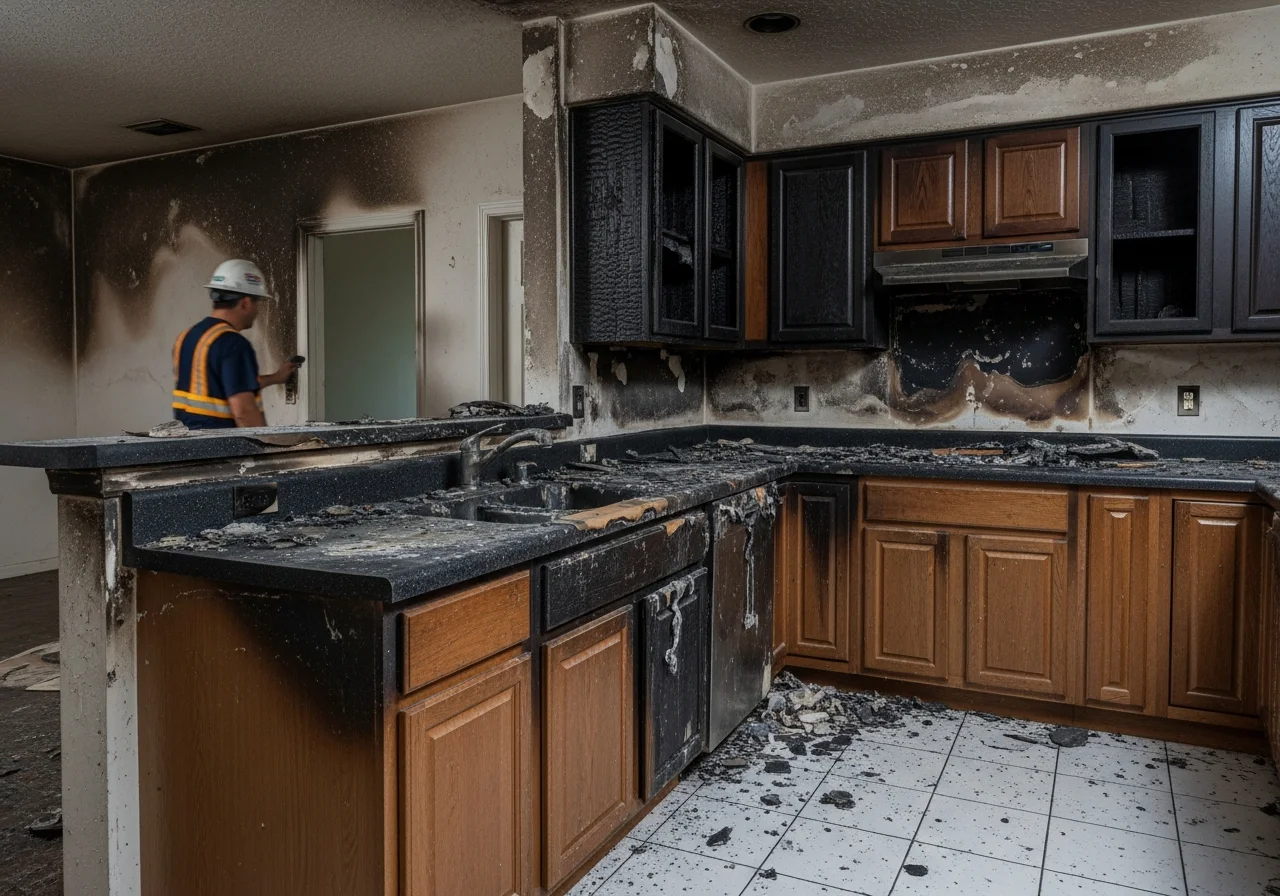
Kitchen fire damage with charred cabinets and soot coating on stucco surfaces
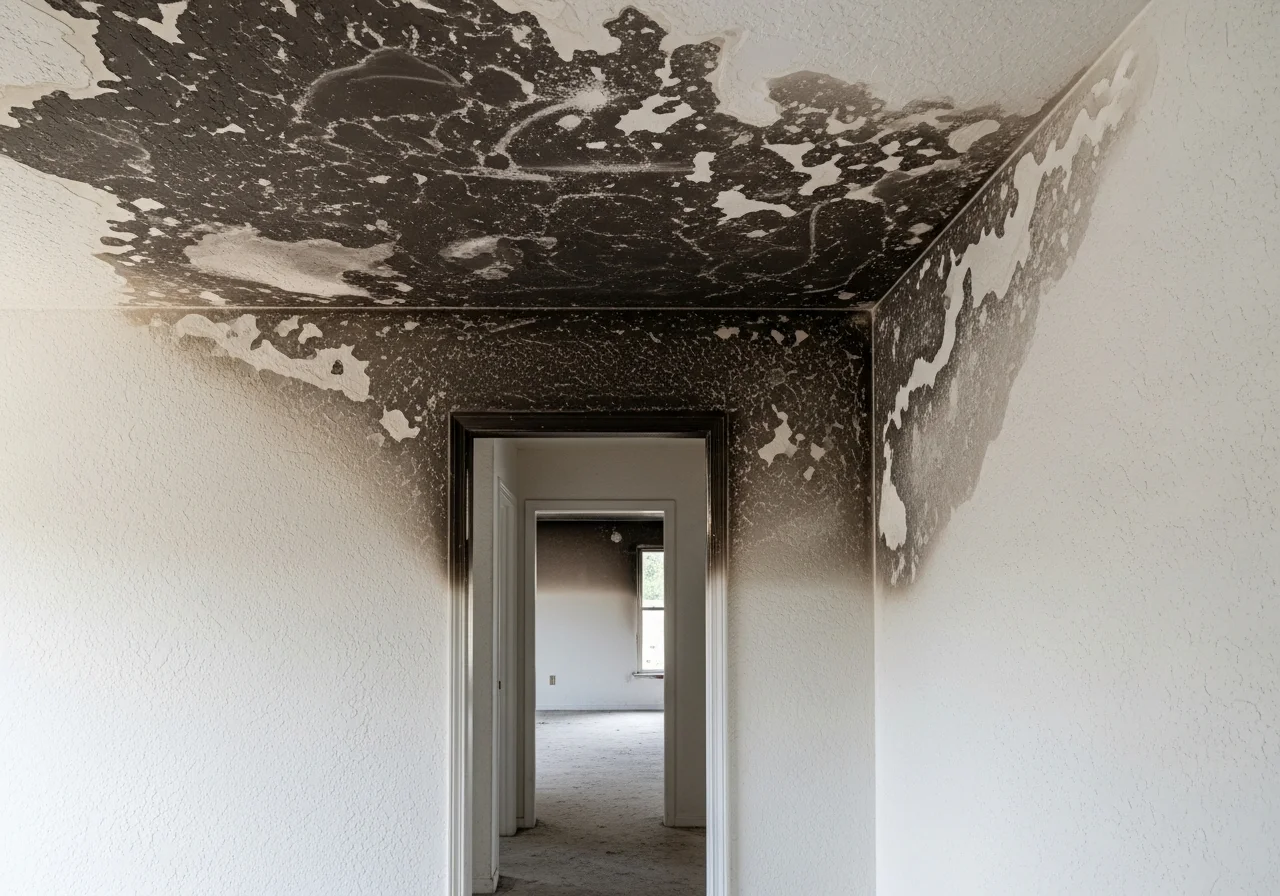
Soot penetration into porous stucco walls requiring specialized CBS cleaning
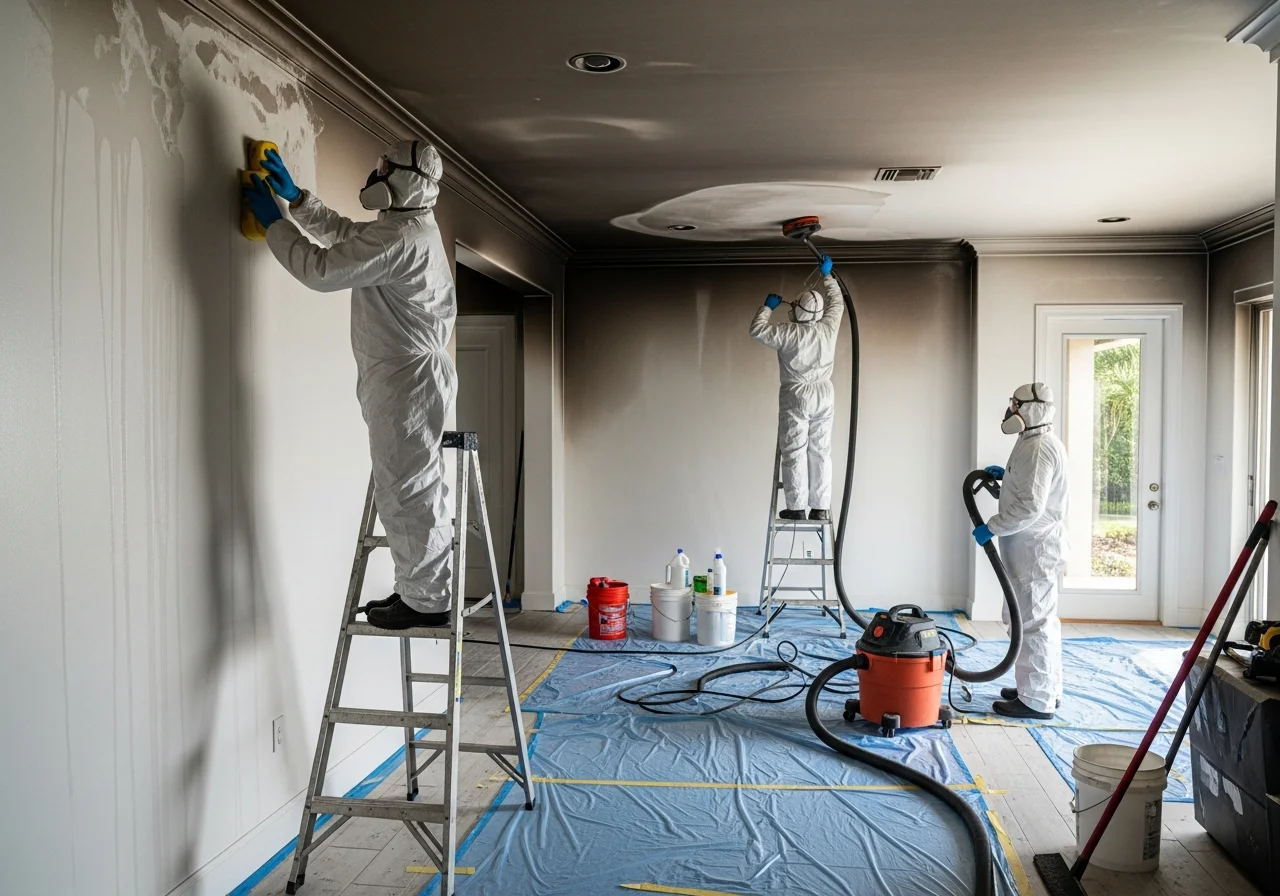
Professional soot removal with HEPA vacuums and chemical sponges on tile and stucco
After: Fully restored with new finishes, paint, and repaired stucco
Insurance Coverage
Fire Insurance Claims in Boca Raton: What's Covered
Fire is one of the most comprehensively covered perils under Florida homeowners
insurance policies. Unlike water or mold damage — which face significant coverage
restrictions in Florida — fire claims under a standard HO-3 policy rarely face coverage
disputes. Boca Raton homeowners pay an average of $4,000 to $8,000 annually for
homeowners insurance (among the highest in the nation due to hurricane risk), and that
coverage absolutely includes fire damage. Here's what's covered.
Structural repair and reconstruction to pre-loss condition
Professional soot and smoke cleaning of all affected surfaces
Water damage from fire suppression (extraction and drying)
Contents restoration or replacement (furniture, electronics, clothing)
Additional Living Expenses (ALE) for temporary housing during restoration
Debris removal and hazardous material disposal
Florida Building Code upgrades required during reconstruction (with ordinance-and-law endorsement)
Palm Build Manages Your Fire Claim
We work directly with your insurance adjuster from the first inspection. Our fire damage
documentation — structural assessments, soot type classification, moisture readings,
photo evidence, and detailed scopes of work — is formatted exactly how South Florida
adjusters and carriers expect to receive it. With Florida's complex insurance landscape
and frequent carrier changes, having a restoration company that understands FL-specific
documentation requirements gets your claim approved faster.
Why Boca Raton Homeowners Choose Palm Build After a Fire
Deerfield Beach Office — Minutes Away
Our South Florida operations hub at 786 S Military Trail in Deerfield Beach puts us minutes from any Boca Raton address. We're on-site in 30-45 minutes — not waiting for a regional franchise to dispatch from Miami or West Palm. Board-up, tarping, and soot stabilization begin the same night.
IICRC Fire & Smoke Certified
Every crew lead holds current IICRC Fire and Smoke Restoration Technician (FSRT) certification. We follow the S540 standard for professional fire and smoke damage restoration procedures — critical for both proper remediation and insurance claim documentation.
CBS Construction Specialists
Boca Raton's predominant CBS (concrete block and stucco) construction requires specialized fire restoration techniques that differ significantly from wood-frame homes. Our team understands how smoke travels through block cavities, how soot bonds to stucco, and how to remediate CBS walls without unnecessary demolition.
FL Insurance Documentation Experts
Florida's insurance landscape is uniquely complex — frequent carrier changes, assignment of benefits regulations, and strict documentation requirements. Our fire damage documentation is formatted exactly how South Florida adjusters and carriers expect to see it, reducing back-and-forth and getting your claim approved faster.
Full Reconstruction to FL Building Code
From emergency board-up through final paint and punch list, Palm Build handles the entire project. Florida Building Code requires all reconstruction to meet current standards — including wind mitigation, impact-rated windows, and updated electrical. We manage the full permitting and inspection process with Palm Beach County.
Common Questions
Boca Raton Fire & Smoke Damage FAQ
How quickly should fire damage restoration begin in Boca Raton?
Immediately. South Florida's year-round humidity (averaging 74%) accelerates soot corrosion on surfaces and drives smoke odor deeper into CBS wall cavities with every passing hour. Palm Build responds within 30-45 minutes from our Deerfield Beach office to begin emergency board-up, soot stabilization, and water extraction before secondary damage compounds the loss.
Does homeowners insurance cover fire damage in Boca Raton?
Yes — fire damage is one of the most comprehensively covered perils under standard Florida homeowners policies (HO-3). Coverage typically includes structural repair, contents restoration, smoke and soot cleanup, temporary living expenses (ALE), and debris removal. While Boca Raton homeowners pay $4,000-$8,000 annually for insurance (driven by hurricane risk), fire coverage is fully included.
Why is fire damage in CBS homes different from wood-frame homes?
Boca Raton's predominant CBS (concrete block and stucco) construction creates unique challenges. Smoke infiltrates hollow concrete block cavities and becomes trapped — invisible from the surface but releasing odor compounds for months. Porous stucco finishes absorb soot deeply. Unlike wood-frame homes where walls can be easily opened, CBS remediation often requires injection techniques or partial demolition to access contaminated wall cavities.
How does Florida's humidity affect fire damage restoration?
Florida's humidity dramatically accelerates secondary damage after a fire. Moisture in the air reacts with acidic soot to form corrosive compounds that etch metal, glass, and stone faster than in dry climates. Fire suppression water trapped in CBS wall cavities feeds mold growth within 24 hours. And smoke odor molecules bind more aggressively to surfaces in humid environments, making each hour of delay significantly more costly.
Can smoke damage be cleaned from stucco walls without replacing them?
Often yes, but it depends on the fire type and how long smoke had contact with the surface. Protein soot from kitchen fires bonds chemically to porous stucco and requires specialized enzymatic cleaners. Synthetic soot from burning plastics may require multiple cleaning passes or partial stucco removal. Palm Build's technicians assess salvageability before recommending replacement — saving insurance costs where possible.
What about water damage from firefighting in slab-on-grade homes?
Fire suppression water on Boca Raton's slab-on-grade construction pools across tile and terrazzo floors with nowhere to drain naturally. The water seeps into CBS wall cavities, under baseboards, and into subfloor materials. We extract standing water, inject moisture detection probes into block walls, and set up commercial drying equipment — treating fire and water damage simultaneously to prevent mold.
Will fire reconstruction require Florida Building Code upgrades?
Yes. Florida Building Code requires any reconstruction to meet current code standards. This means fire-damaged areas may require upgraded electrical, impact-rated windows, hurricane strapping, and current insulation requirements during reconstruction. While this adds scope, it significantly improves your home's resilience and value. Palm Build manages the full permitting and inspection process with Palm Beach County.
What areas of Boca Raton does Palm Build serve for fire restoration?
We serve all of Boca Raton and surrounding Palm Beach County including Royal Palm Yacht & Country Club, Boca West, Broken Sound, Boca Falls, Boca Del Mar, Boca Pointe, Mizner Park, Royal Oak Hills, Boca Islands, Saturnia, Woodfield Country Club, and all neighborhoods from the beach to the Everglades.
Trusted Vendors
Trusted local pros in Boca Raton
Outside our restoration scope, these are the vetted, licensed contractors we trust
alongside our work. Personally evaluated, reference-checked, and recommended by Palm
Build.
South Florida's humidity accelerates soot corrosion and smoke penetration by the hour. Palm Build's Deerfield Beach team responds in 30-45 minutes with emergency board-up, soot stabilization, and water extraction — plus insurance documentation from the first call.