Insurance reconstruction follows a different financial path than standard construction. You do not pay out of pocket and get reimbursed — the insurance company pays based on approved scope. Understanding this flow prevents surprises: insurer approves scope, pays ACV (minus deductible), reconstruction proceeds, insurer releases depreciation after completion.
Insurance Reconstruction Guide
The Insurance Reconstruction Process Explained
Insurance reconstruction is where the most money is at stake and the most confusion exists. This guide explains how reconstruction claims work, what ACV and RCV mean in practice, how supplements are handled, and what to do when your mortgage company holds your funds.
- Xactimate
- Supplements
- Depreciation
- Code Upgrades
- FL · NC
What you need to know
ACV (Actual Cash Value) is what insurance pays upfront — the replacement cost minus depreciation based on the age and condition of what was damaged. RCV (Replacement Cost Value) is the full cost to replace with like kind and quality. The difference (depreciation) is withheld and released after you complete reconstruction and submit documentation proving the work was done.
Xactimate is the estimating software used by virtually all insurance companies. When your contractor writes estimates in Xactimate using the same line items, unit prices, and format the adjuster uses, scope negotiations happen faster. If your contractor submits a lump-sum bid instead, the adjuster has to convert it to Xactimate — which introduces interpretation differences and delays.
Supplements are additional requests submitted when hidden damage is discovered during reconstruction. Opening walls reveals damaged wiring, framing problems, or mold that was not visible during initial inspection. Supplements are normal and expected — not adversarial. Good documentation (photos, moisture readings, detailed line items) makes supplements easier to approve.
Code upgrade coverage (Ordinance and Law) is a separate policy provision that covers the cost of bringing reconstruction up to current building codes. If your 1985 electrical panel must be upgraded to current code during reconstruction, O&L coverage pays for the difference between replacing the old panel and installing a code-compliant one. Not all policies include this — check your declarations page.
Mortgage company involvement is the most common source of payment delays during reconstruction. When insurance checks include your mortgage company name, the lender may require: funds to be deposited in escrow, draw inspections at specific completion milestones (typically 33%, 66%, 100%), and signed lien waivers from the contractor. This process adds weeks to payment timelines.
Depreciation recovery has a deadline. Most policies require you to complete reconstruction and submit your claim for recoverable depreciation within a specific period — typically 180 days to 2 years depending on the carrier and state. Missing this deadline means forfeiting the withheld depreciation permanently. We track these timelines and ensure documentation is submitted well before expiration.
Additional Living Expenses (ALE) coverage pays for temporary housing, meals, and related costs while your home is being reconstructed. ALE typically covers the difference between your normal living costs and what temporary arrangements cost. Keeping receipts, staying within reasonable limits, and communicating with your adjuster about expected timelines protects this benefit throughout the reconstruction process.
From the Field
What this work actually looks like

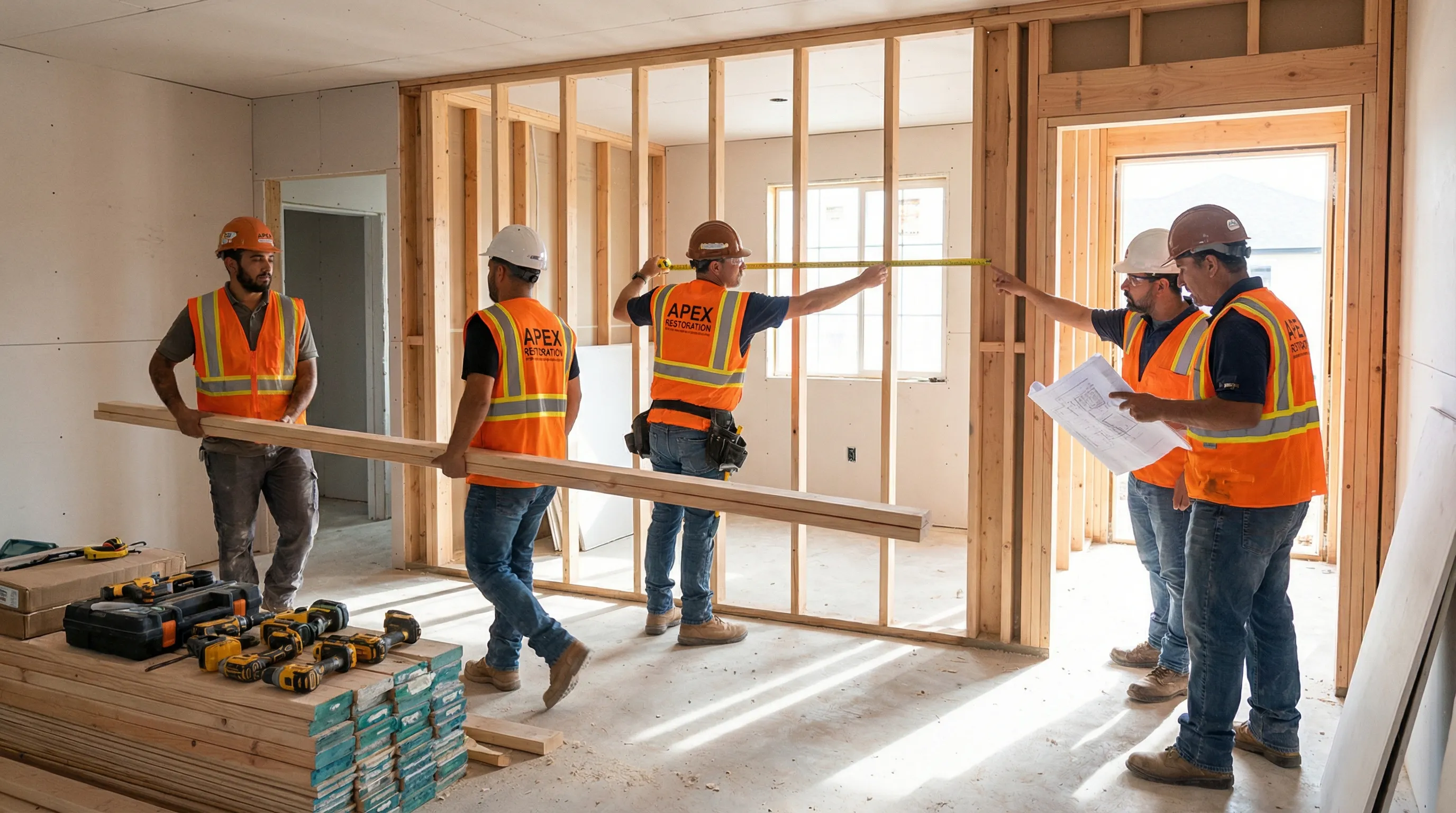
Scope review with insurance adjuster
Xactimate estimates use the same line items and pricing database the insurance company uses — eliminating the translation step that delays non-Xactimate bids.
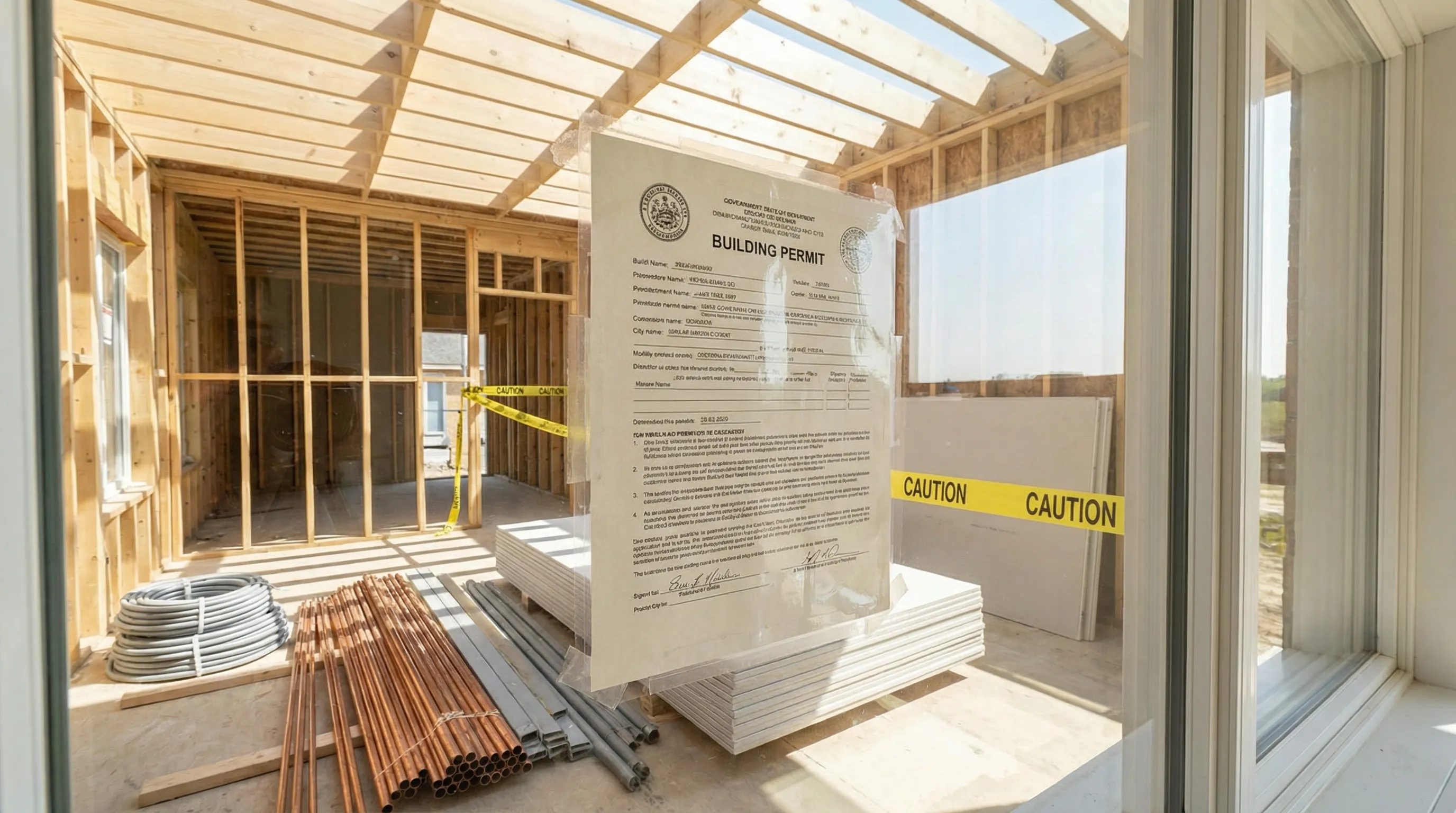
Permit management is part of the process
Building permits are pulled before work begins and inspections are scheduled at each milestone. Permit costs and inspection coordination are included in the reconstruction scope.
Reconstruction in progress
Work proceeds on approved scope while supplements for hidden damage are filed and processed in parallel — keeping the project moving without unnecessary delays.
Professional Process
How this work is done right
Each step ensures quality, code compliance, and a finished result that lasts.
Scope development and agreement
After mitigation, we develop a detailed Xactimate estimate covering every line item of reconstruction. This scope is submitted to your insurance adjuster for review and approval. We negotiate any differences in scope or pricing before work begins.
Insurance approval and ACV payment
Once scope is agreed upon, insurance issues the ACV payment (replacement cost minus depreciation, minus your deductible). If a mortgage company is listed, they receive and manage the funds. We coordinate draw releases to keep work on schedule.
Reconstruction with supplement management
Reconstruction proceeds per the approved scope. When hidden damage is discovered, we document it immediately, submit supplements with photos and supporting data, and continue work on approved areas while supplements are processed.
Completion and depreciation recovery
After reconstruction is complete, we submit final documentation — completion photos, certificate of occupancy, final invoice — to your insurance company. They release the withheld depreciation. Mortgage escrow releases final draw after their inspection.
Cost Guidance
What to expect on pricing
Costs vary by damage extent, material selections, and location. These ranges reflect typical projects in our service areas.
Your out-of-pocket cost
Your deductible
For covered losses, your responsibility is typically limited to your policy deductible. Insurance covers the rest of the approved reconstruction scope. Upgrades beyond like kind and quality are at your expense.
Supplement approval rate
85 – 95%
Well-documented supplements with photos, moisture readings, and clear Xactimate line items are approved at high rates. Vague or poorly documented supplements are more likely to be denied.
Depreciation recovery timeline
2 – 6 weeks
After submitting completion documentation, depreciation recovery typically takes 2-6 weeks. Mortgage company escrow processes can add additional time to final payment.
Regional considerations
Florida
Florida insurance market has unique challenges: higher deductibles (often percentage-based for hurricane losses), Assignment of Benefits regulations, and strict claims filing deadlines. Code upgrade coverage is especially important in Florida due to post-Andrew building code requirements that trigger significant upgrades during reconstruction.
North Carolina
NC insurance claims follow standard processes but local municipality permit timelines vary widely. Charlotte, Raleigh, and smaller towns have different inspection scheduling and approval speeds. Energy code upgrades triggered during reconstruction may qualify for Ordinance and Law coverage.
South Carolina
SC coastal properties may have separate wind and flood policies with different carriers and different claims processes. Reconstruction after hurricane damage often involves coordinating two claims simultaneously. Flood insurance (NFIP) has different coverage limits and depreciation rules than standard property insurance.
Related Guides
Connect this work with the bigger picture
Ready to start your rebuild?
Get a free reconstruction estimate. We assess damage, develop scope with your insurance company, and manage the entire rebuild.