888-245-5155
Call Now 24/7
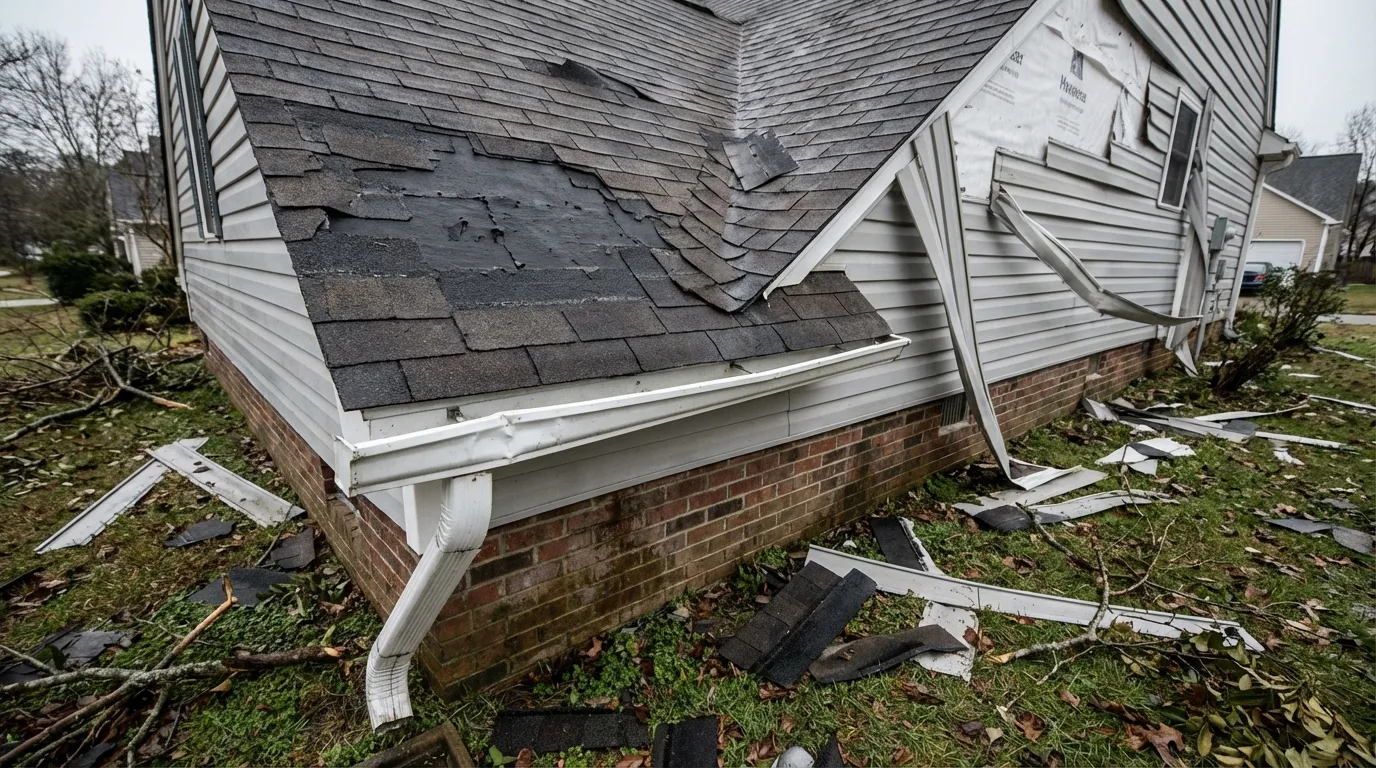
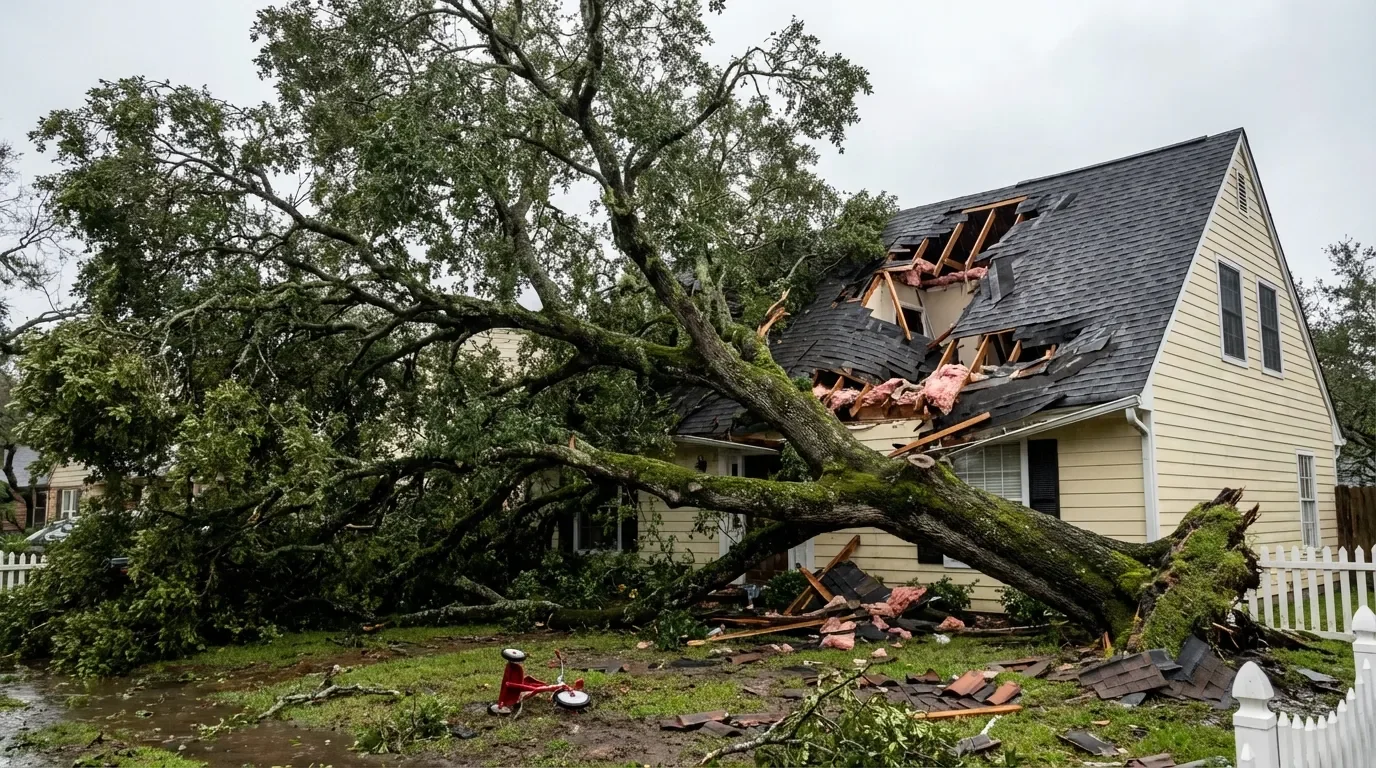
Severe wind damage to residential roof and siding from tornado or severe thunderstorm

Storm & Hurricane Damage Guide

Tornado & Severe Weather Restoration

Tornadoes and severe thunderstorms produce concentrated destruction: EF-scale winds that can level structures in seconds, golf-ball hail that destroys roofs and vehicles, and debris fields that span entire neighborhoods. The Southeast experiences more tornadoes than most people realize.

  • Tornado Cleanup
  • Hail Damage
  • Severe Storms
  • Structural Rebuild

First-Hour Priorities

What to do immediately

Step 1

Do not enter tornado-damaged structures

Tornado damage can compromise load-bearing walls, floor systems, and foundations in ways that are not visible from outside. Wait for a structural assessment before entering. Gas leaks and downed electrical lines are common in tornado debris.

Step 2

Check for gas leaks and electrical hazards

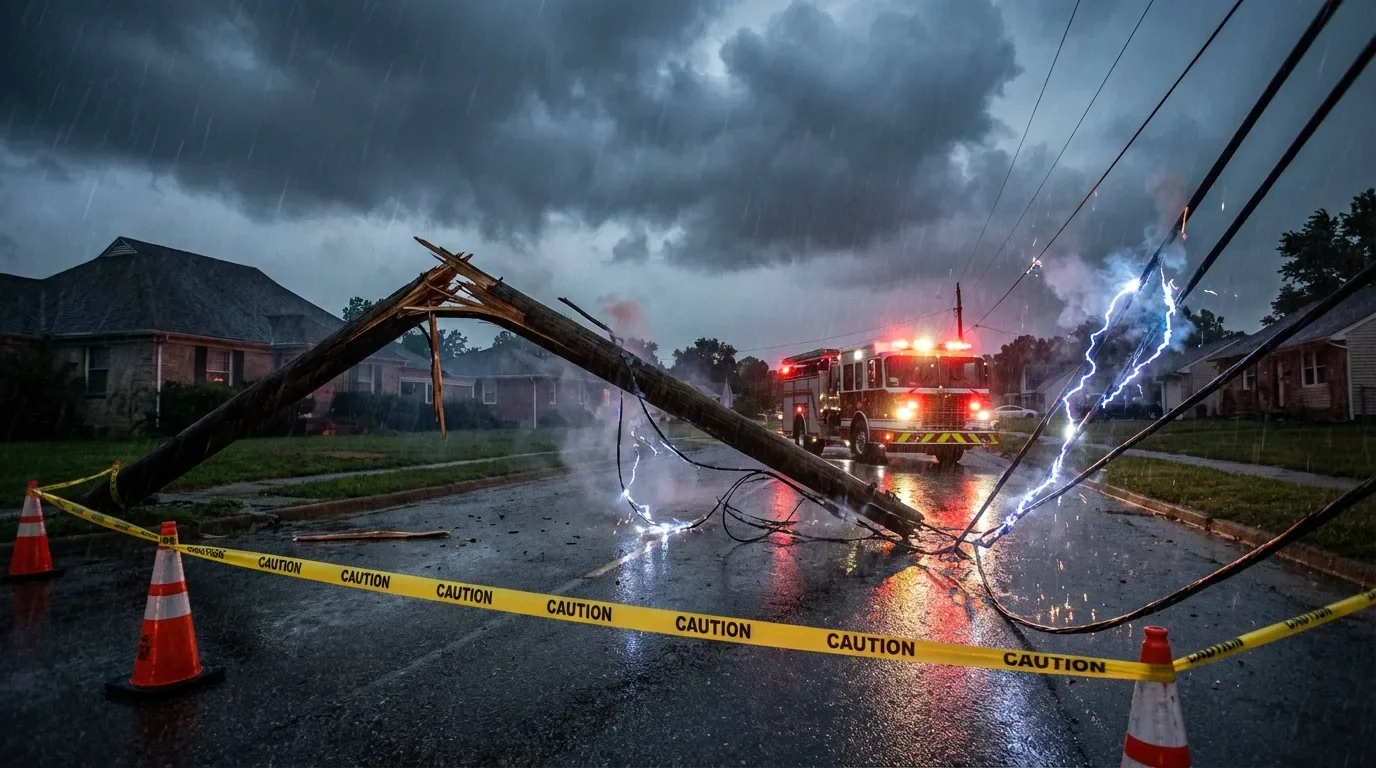
If you smell gas, leave immediately and call 911. Do not flip light switches or use any electrical devices in a tornado-damaged structure. Downed power lines may be hidden under debris—assume all wires are live.

Step 3

Document the entire debris field

Tornado damage documentation should include the full scope: structural damage, displaced contents, vehicles, landscaping, fencing, and outbuildings. Walk the entire property perimeter with photo and video before any cleanup begins.

Step 4

Secure the perimeter and protect undamaged areas

Board up any openings and tarp exposed areas to prevent rain damage. If the structure is compromised, focus on protecting undamaged sections and salvageable contents rather than attempting structural repairs.

Field Visuals

Scenarios, equipment, and restoration examples

These examples show the conditions and response patterns our teams evaluate during active storm damage restoration.

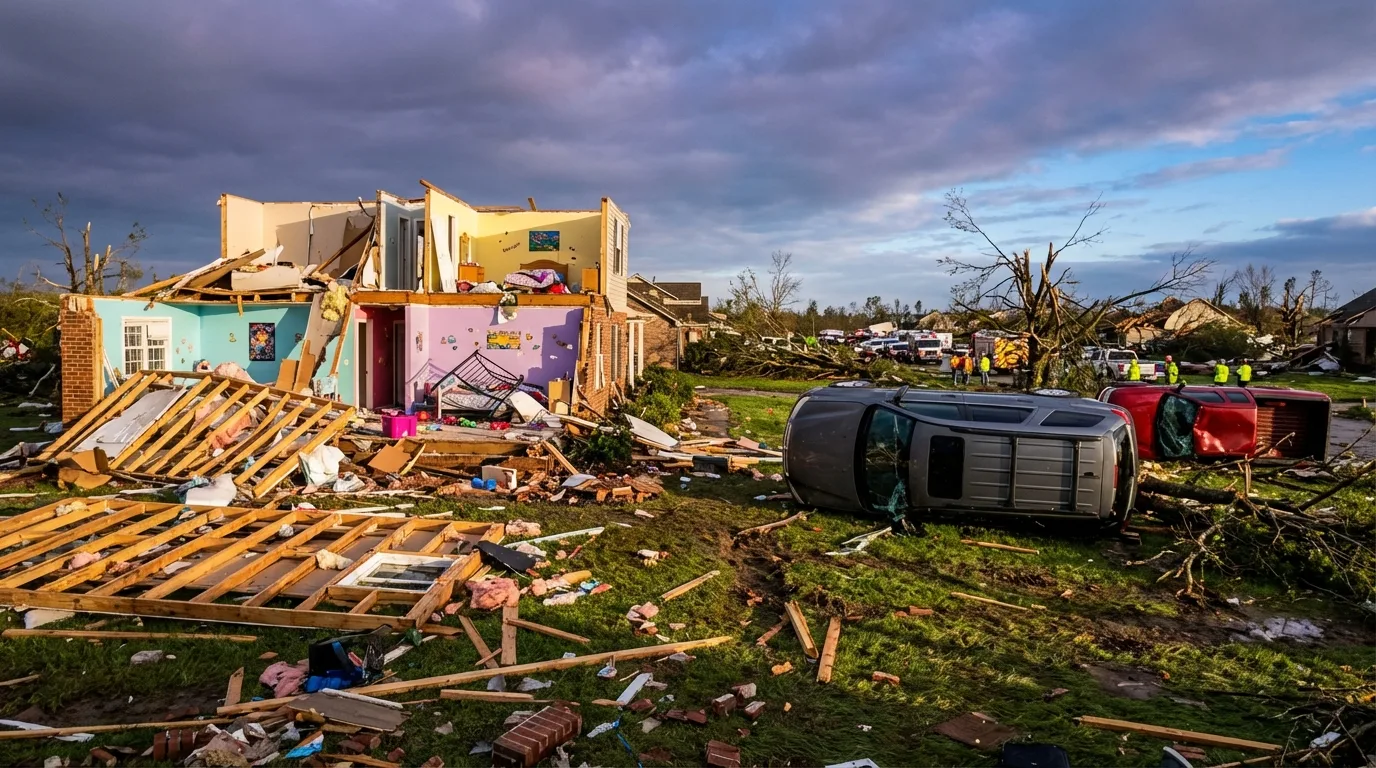
Massive debris field in residential area after EF3 tornado with splintered building materials

Tornado Debris Field

EF3+ tornadoes scatter debris across entire neighborhoods. Professional debris removal separates salvageable materials, hazardous waste, and general debris before reconstruction begins.

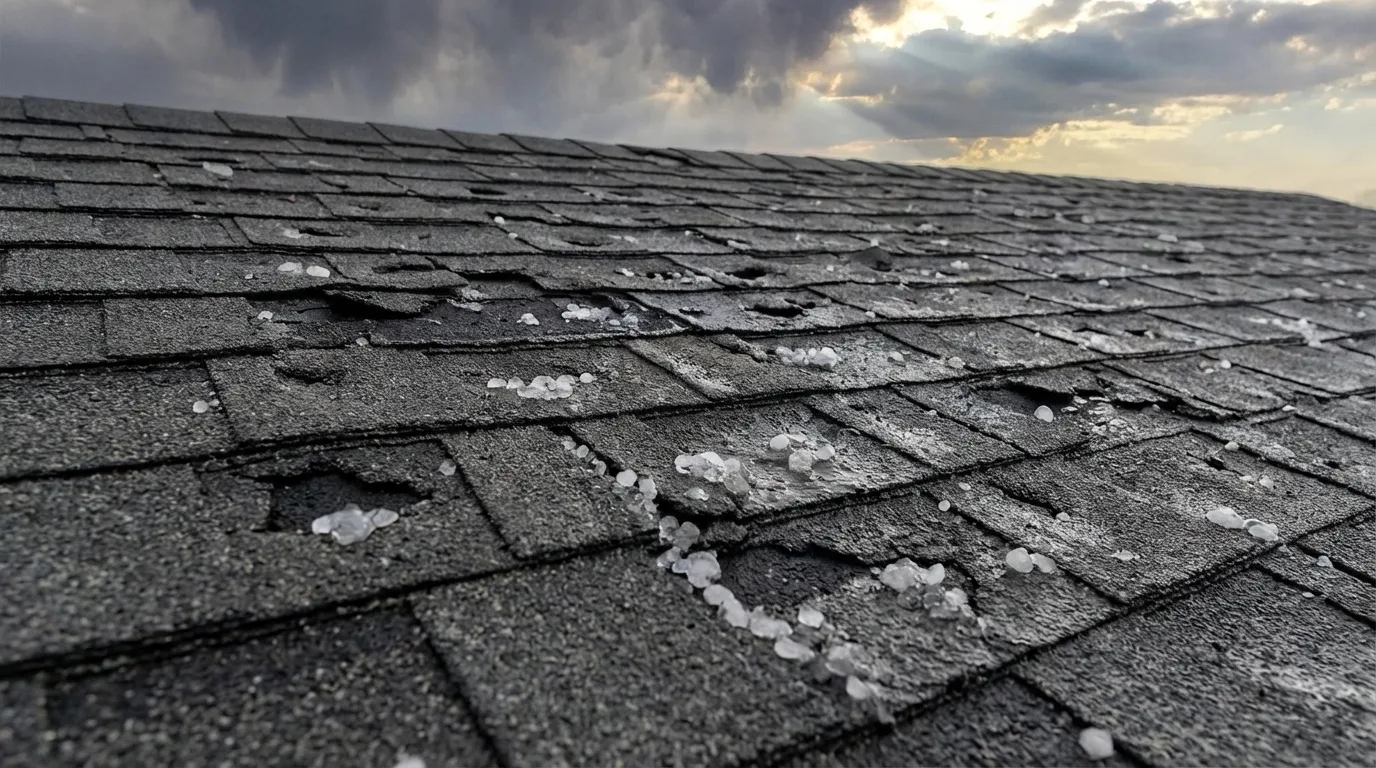
Close-up of severe hail damage to roof shingles showing impact dents and granule loss

Hail Impact Damage

Hail impacts are often invisible from the ground. Close inspection reveals granule loss, denting, and cracking that compromises the roof's water barrier over time.

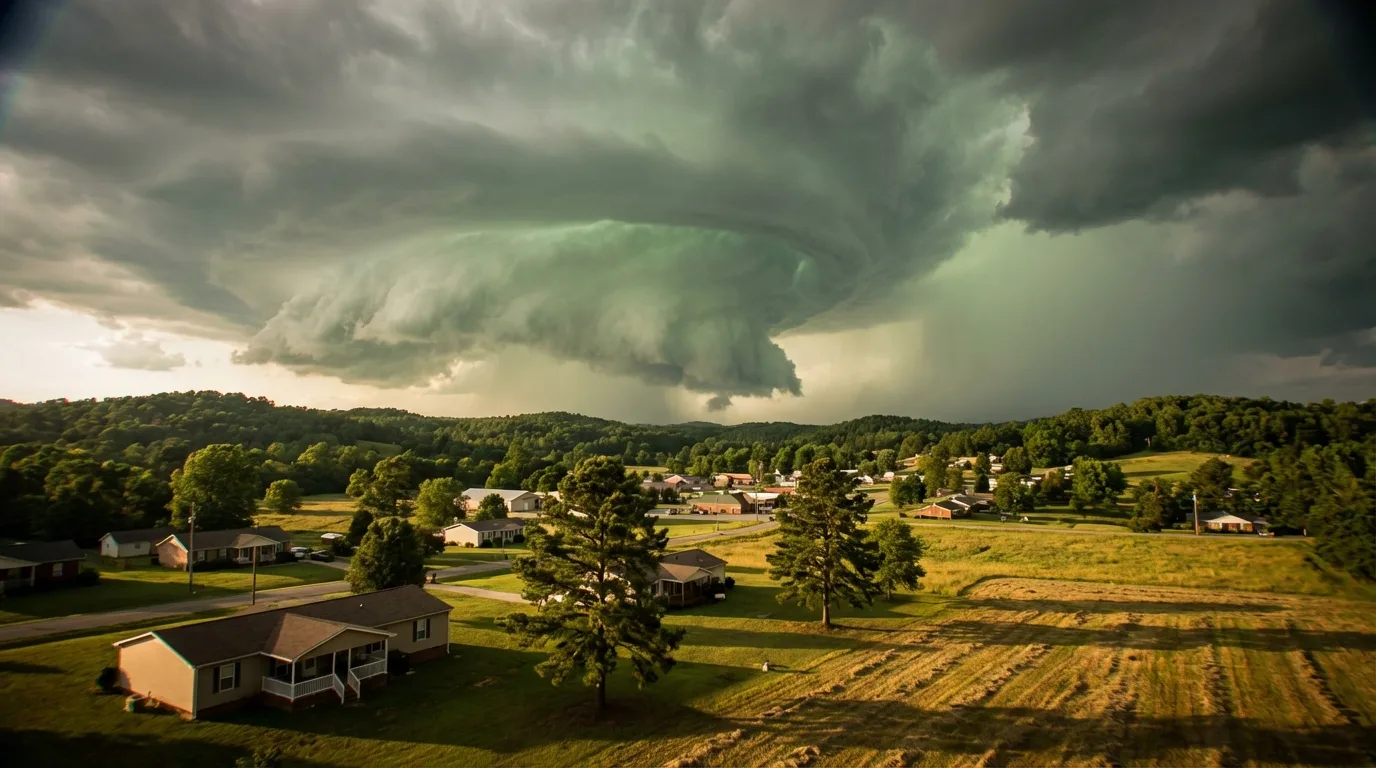
Dramatic supercell thunderstorm approaching a Carolina town with rotating wall cloud

Severe Weather Approaching

The Southeast experiences more tornadoes than most realize. Supercell thunderstorms produce concentrated destruction including EF-scale winds and large hail.

Technical Workflow

How professional restoration progresses

This sequence keeps decisions measurable, documented, and aligned with insurance requirements and safe reconstruction.

Structural Safety Assessment

Licensed engineers evaluate foundation integrity, load-bearing wall stability, and roof system condition. Tornado forces create unique failure patterns—twisting, uplift, and lateral displacement—that require specialized assessment.

Debris Removal & Site Clearing

Professional debris removal separates salvageable materials, hazardous waste, and general debris. Heavy equipment clears large structural elements. The site is prepared for reconstruction with proper grading and drainage.

Hail Damage Assessment

Hail damage to roofing requires close inspection—most hail impacts are not visible from the ground. We document granule loss, denting, cracking, and fractured underlayment that compromise roof integrity over time.

Reconstruction to Current Code

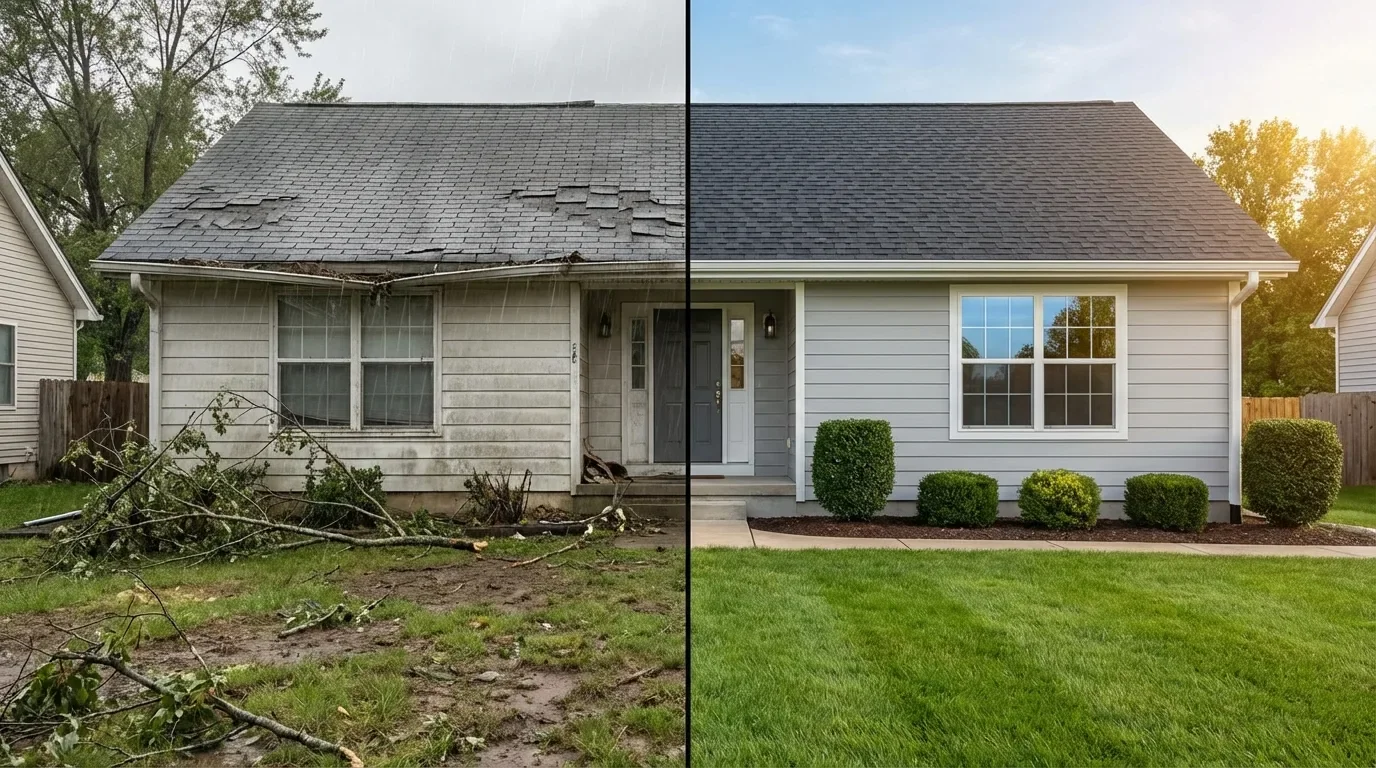
Tornado-damaged properties must be rebuilt to current building codes. In many cases, this represents a significant upgrade from pre-tornado construction, including improved wind resistance, updated electrical and plumbing, and modern insulation standards.

Regional considerations

North Carolina

NC sits in "Dixie Alley"—the Southeast's tornado corridor. Charlotte and the Piedmont see multiple tornado warnings annually. Severe thunderstorms with straight-line winds exceeding 80 mph are more common than tornadoes but cause similar damage patterns.

South Carolina

SC experiences both coastal tornadoes (spawned by hurricanes and sea-breeze fronts) and inland severe weather. The Pee Dee region and Midlands are particularly active during spring severe weather season (March-May).

Florida

Florida leads the nation in tornado count, though most are EF0-EF1 from thunderstorm and hurricane-spawned twisters. Waterspouts moving onshore cause localized but intense damage along the Atlantic coast and Gulf coast.