Water categories and contamination risk
The IICRC S500 standard defines three
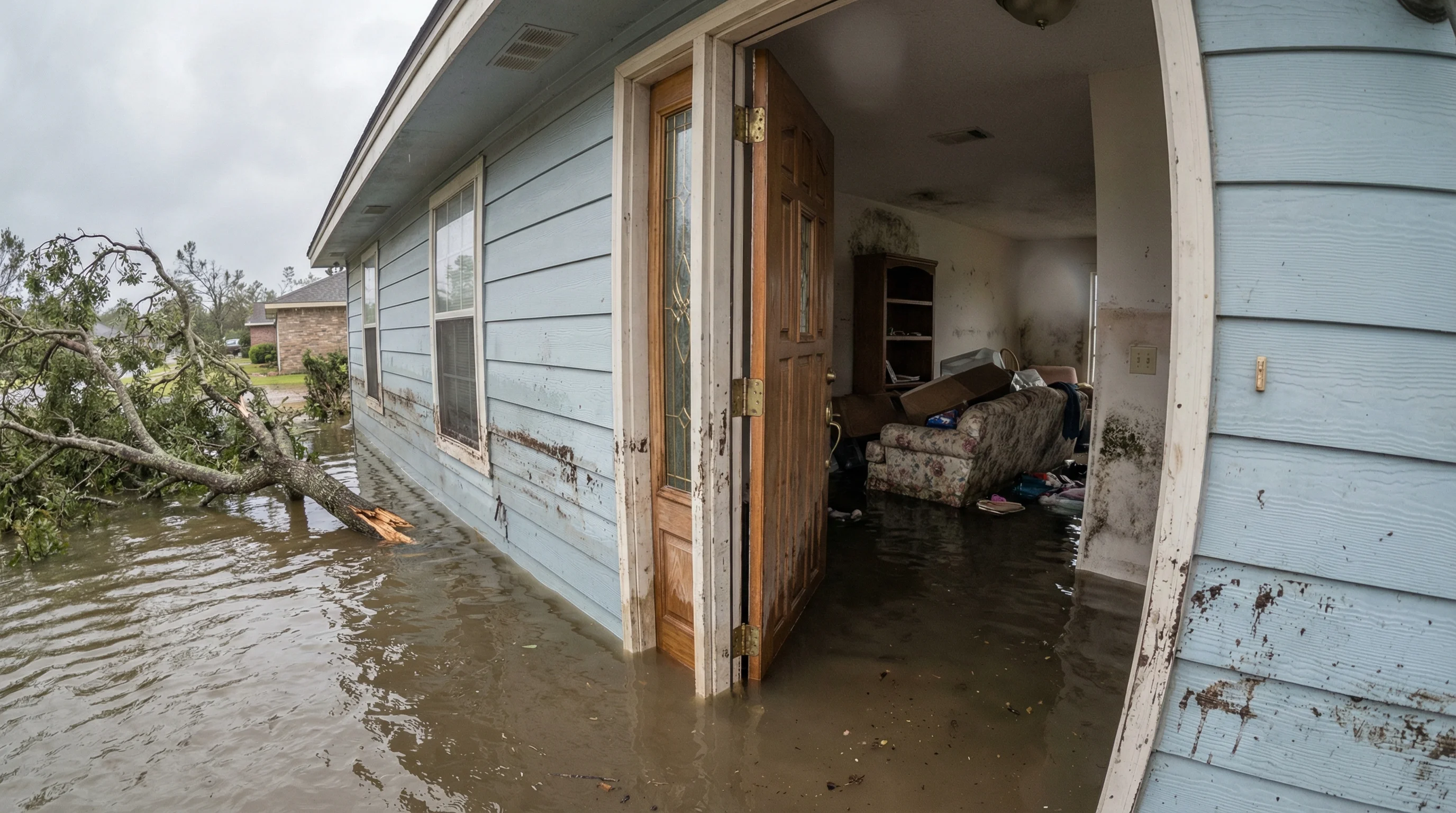
categories of water that govern every decision in flood cleanup. Category 1 originates from a sanitary source such as a broken supply line and poses minimal health risk if addressed quickly. Category 2, sometimes called gray water, contains significant biological or chemical contamination from sources like washing machine discharge, dishwasher leaks, or aquarium failures. Category 3 is the most severe classification and includes sewage backups, exterior floodwater, storm surge, and any water that has contacted soil, agricultural chemicals, or decaying organic material. Most flood events involving exterior water entry are classified as Category 3 by default. Critically, water does not stay in one category. Clean water left standing for 24 to 48 hours in warm conditions will degrade as bacteria multiply, organic material decomposes, and building materials begin to break down. This is why rapid response and early classification are essential to controlling both safety risk and project cost.
Demolition decisions and material salvage
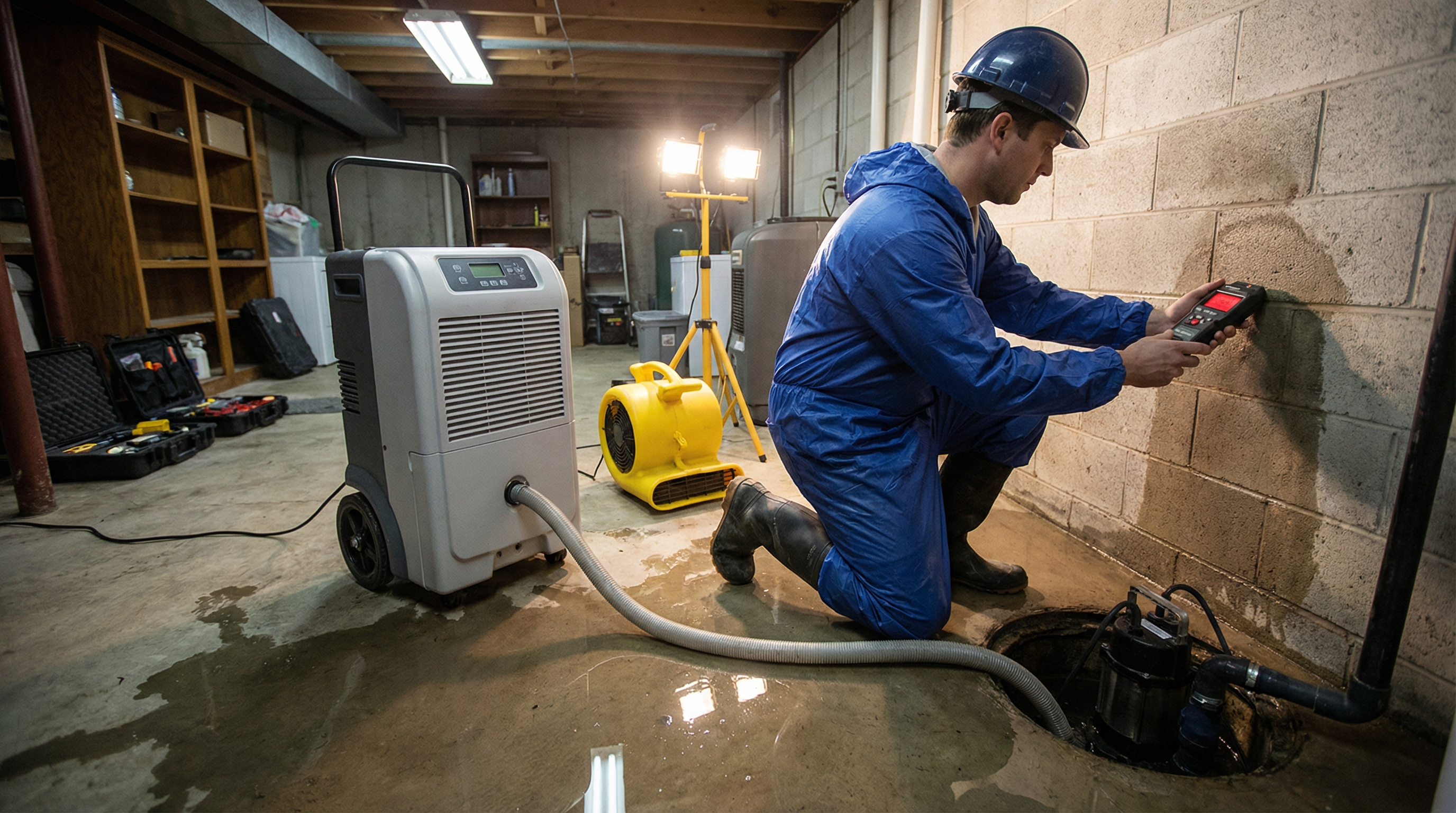
One of the most consequential decisions in flood cleanup is determining which materials must be removed and which can be cleaned, treated, and dried in place. The general rule is that porous materials exposed to Category 3 water cannot be decontaminated and must be discarded. This includes standard drywall, fiberglass insulation, carpet padding, particleboard, and most engineered wood products. Removal cuts are typically made 12 to 24 inches above the visible waterline to account for capillary wicking, which draws moisture upward through porous materials beyond the actual flood level. Non-porous and semi-porous materials such as concrete block, dimensional lumber framing, and solid hardwood can often be retained after proper cleaning, antimicrobial application, and verified drying. Making these determinations correctly avoids two equally costly errors: removing materials unnecessarily, which inflates reconstruction costs, and leaving contaminated materials in place, which creates long-term health risks and potential mold liability.
The critical timeline for mold prevention
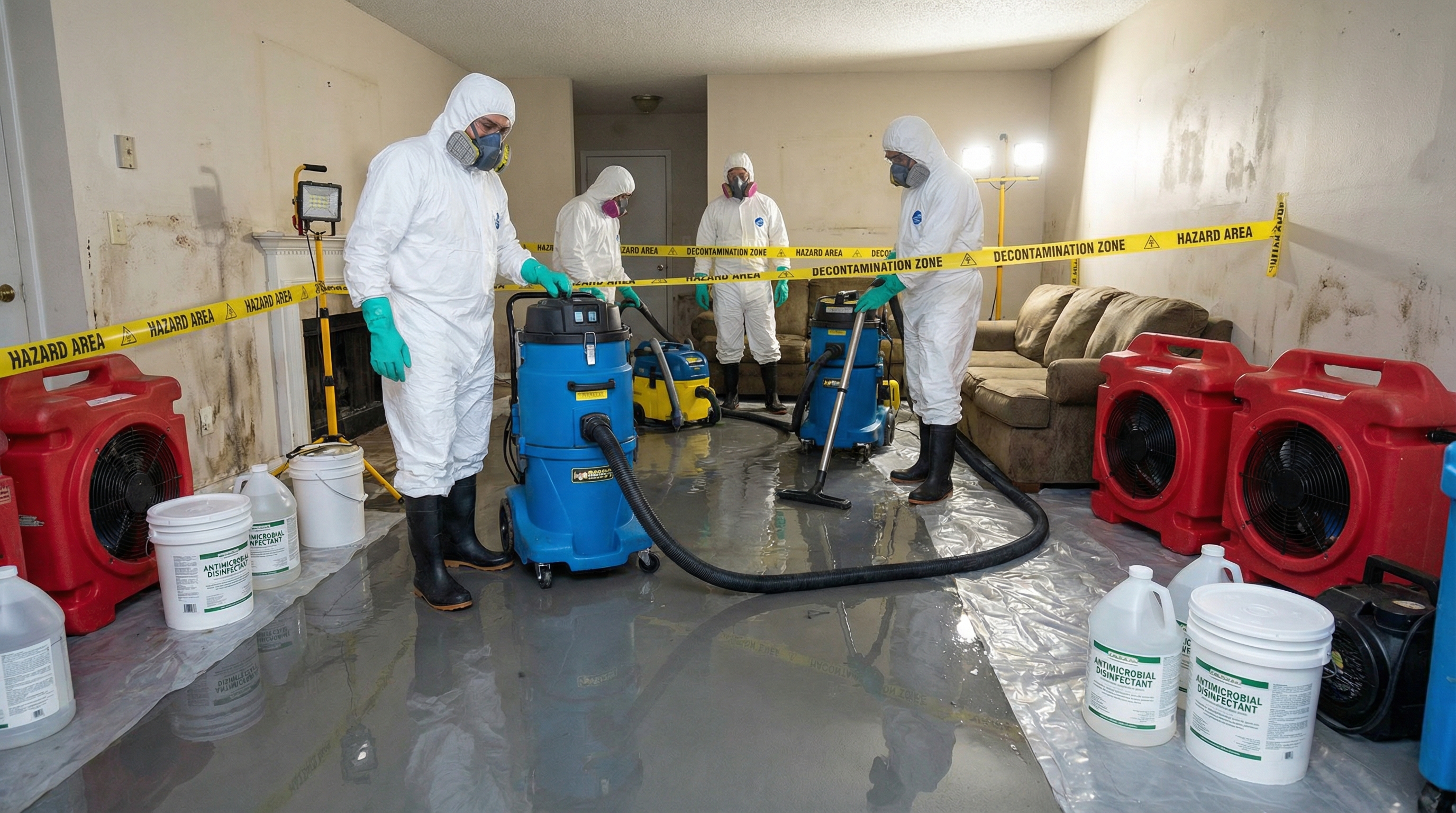
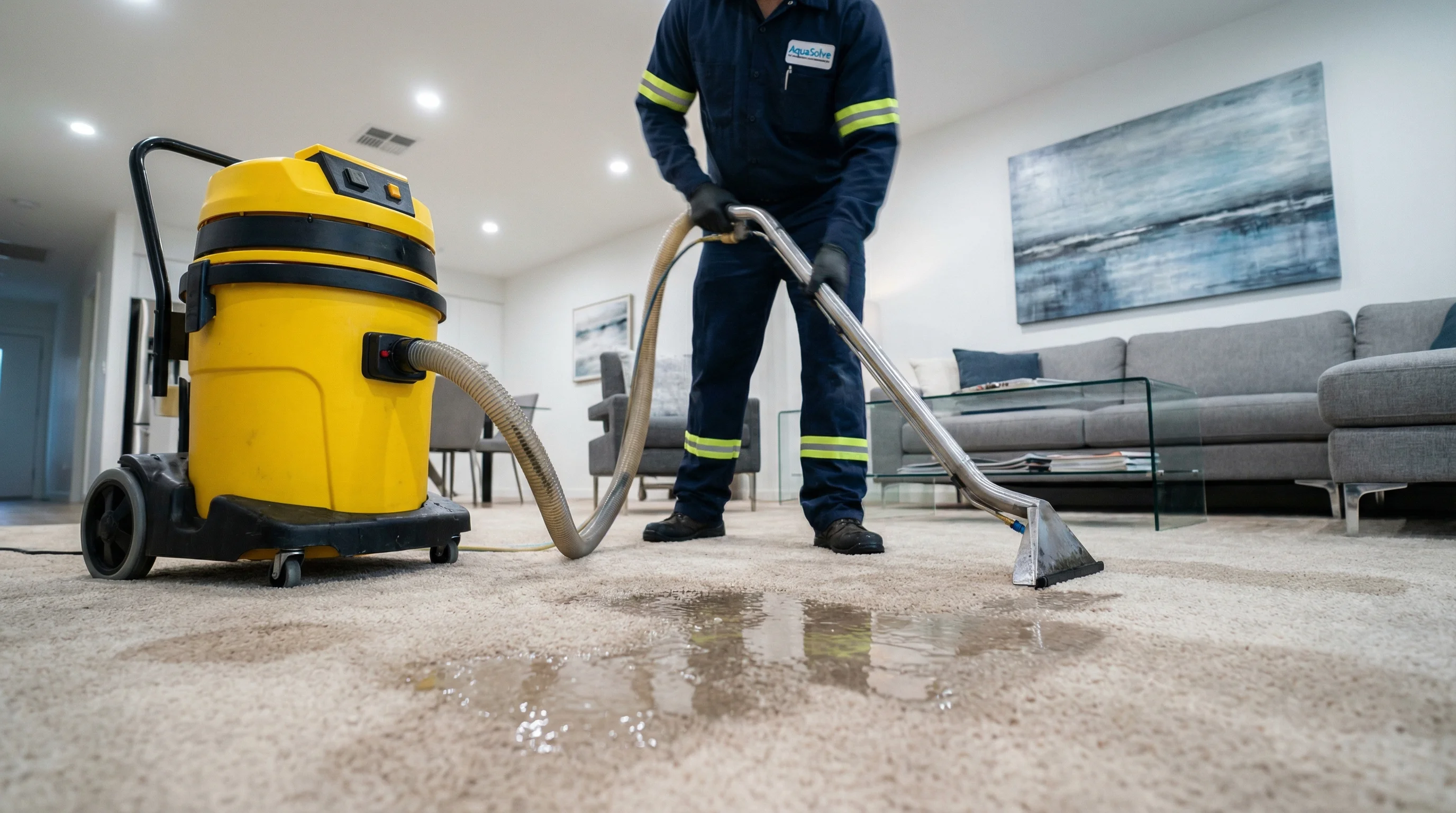
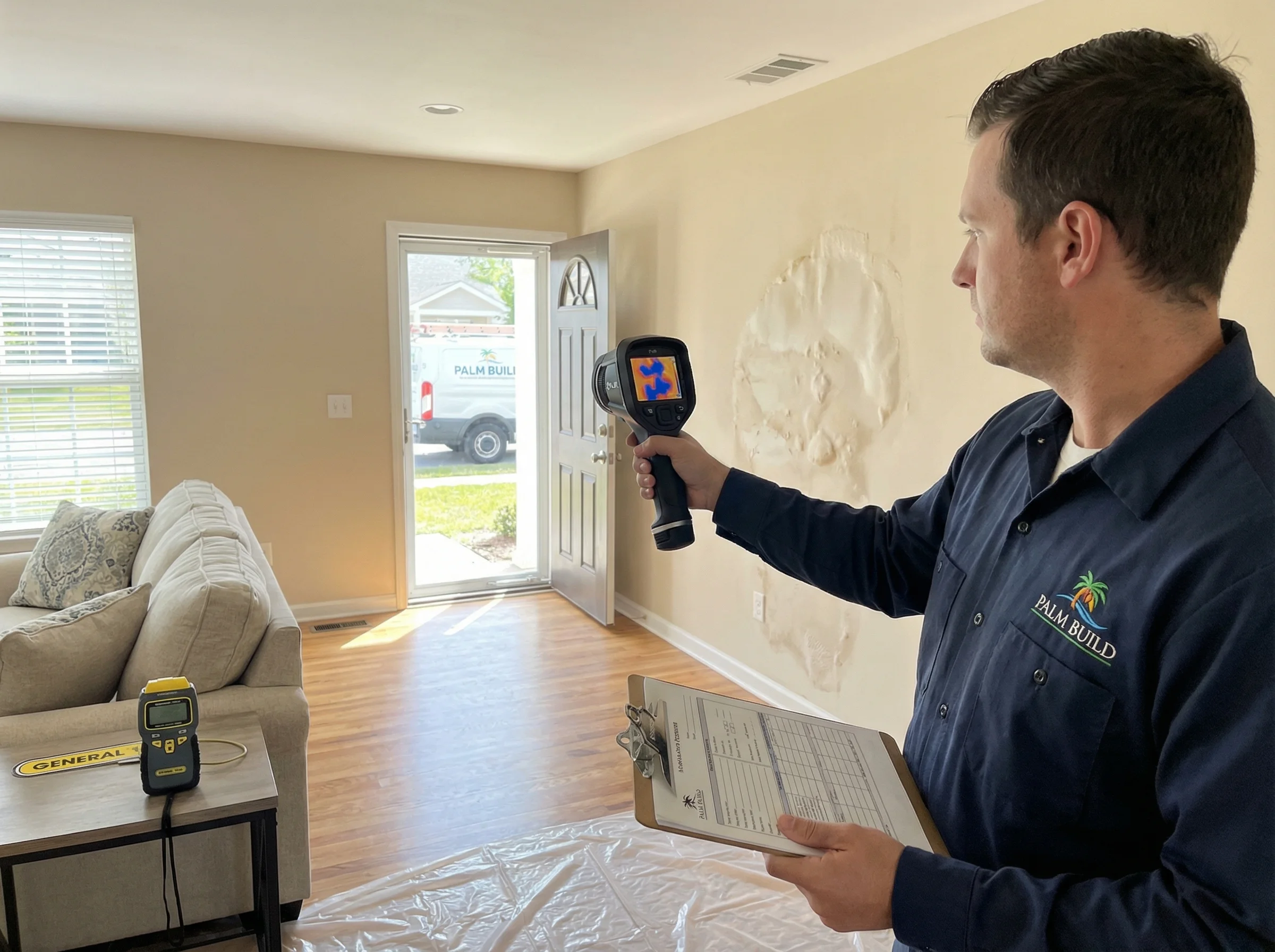
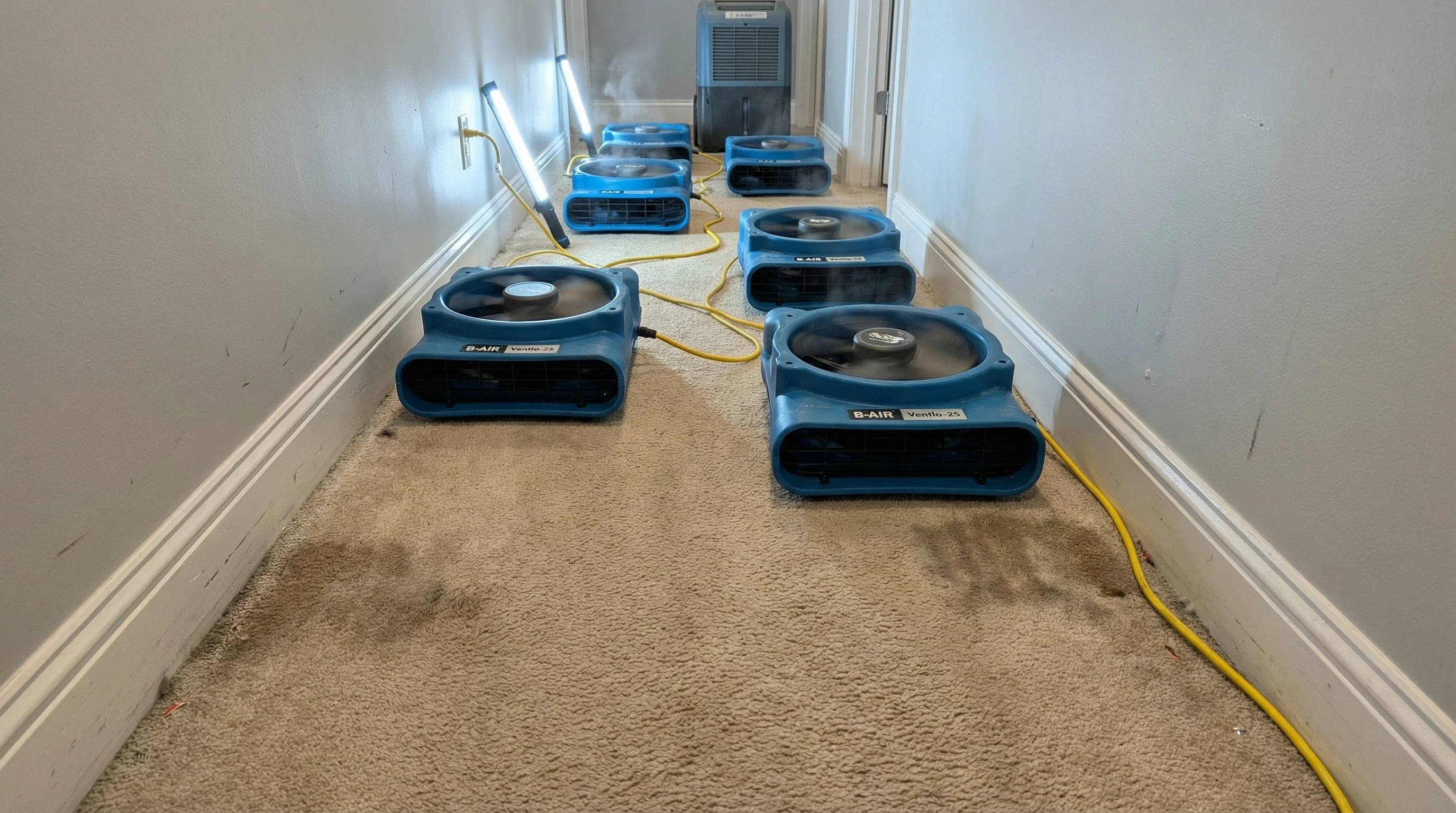
Mold colonization can begin within 24 to 48 hours of water exposure in warm, humid environments, which describes the conditions present in virtually every flood loss. Once established, mold remediation adds significant cost and complexity to the project and may require separate containment, air filtration, and post-remediation verification protocols. The single most effective mold prevention measure is rapid water removal followed by immediate deployment of commercial drying equipment. Every hour that extraction is delayed extends the drying timeline and increases the probability that mold remediation will become part of the project scope. For this reason, restoration professionals prioritize getting extraction equipment running within the first hours of a flood event, even before the full demolition plan is finalized. Drying begins the moment standing water is removed, and daily moisture documentation provides the objective evidence needed to confirm that conditions never reached the threshold where mold growth is likely.