888-245-5155
Call Now 24/7
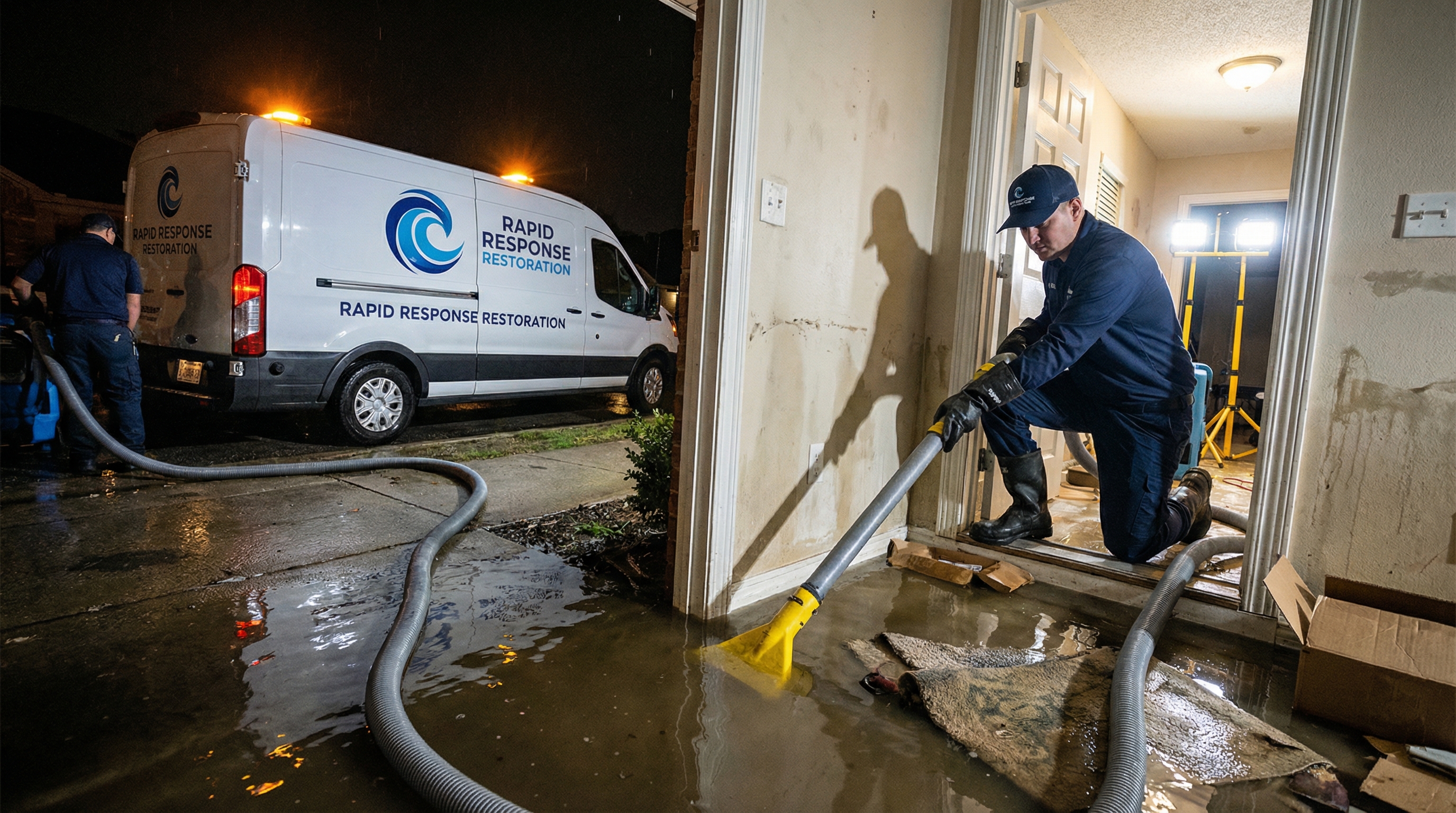
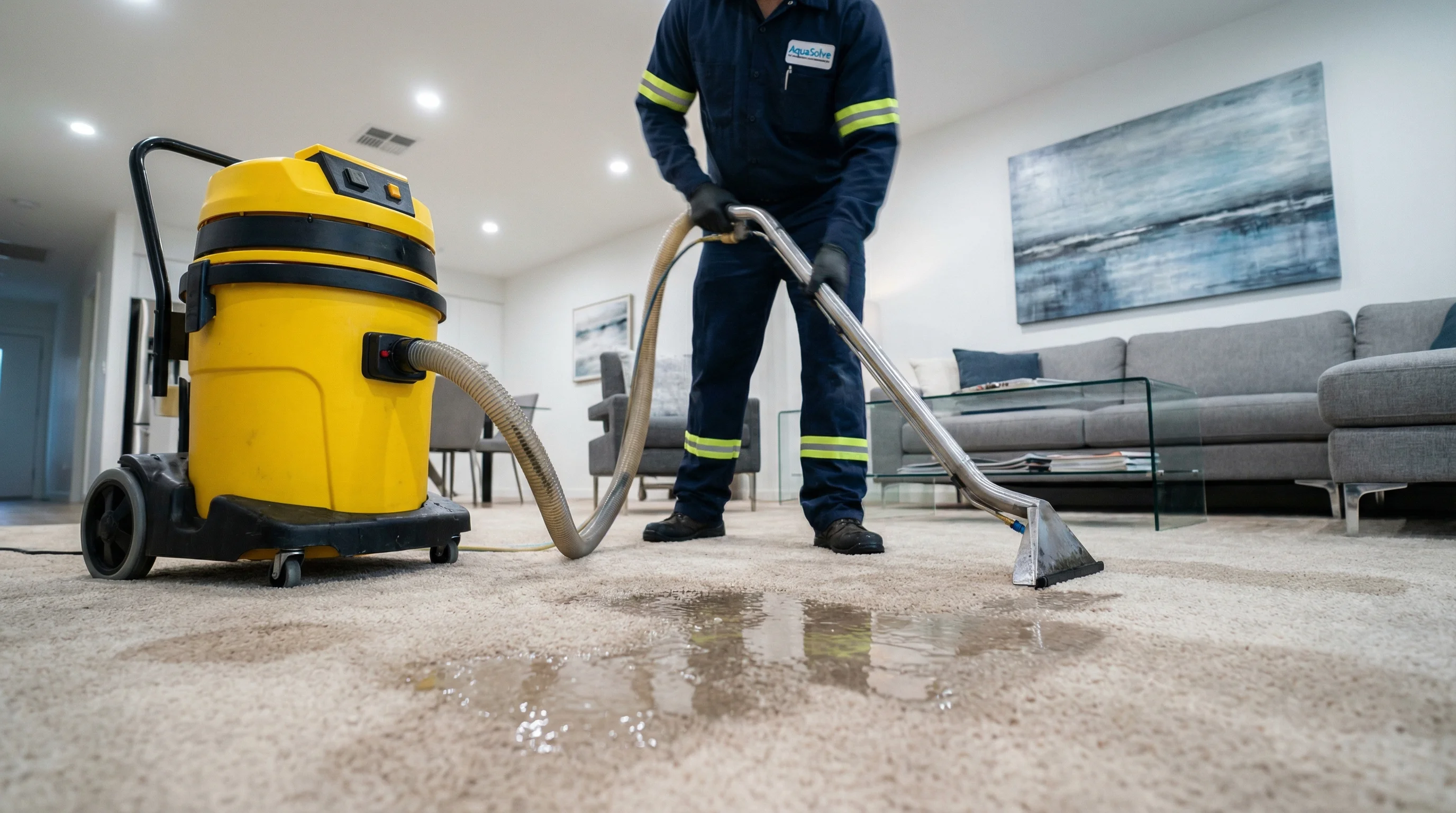
Restoration technician performing emergency water extraction in living space

Water Restoration Sub-Guide

Emergency Water Extraction: What Happens When We Arrive

Extraction speed drives the entire mitigation timeline. This guide explains arrival workflow, equipment deployment logic, and how teams prevent hidden spread during active losses.

  • First 60 Minutes
  • Commercial Extraction Tools
  • Moisture Mapping
  • 24/7 Dispatch

First-Hour Priorities

What to do immediately

Step 1

Secure hazards and active source control

Confirm electrical and slip hazards, then stop active supply or overflow where safely possible before broad extraction begins.

Step 2

Map spread before aggressive movement

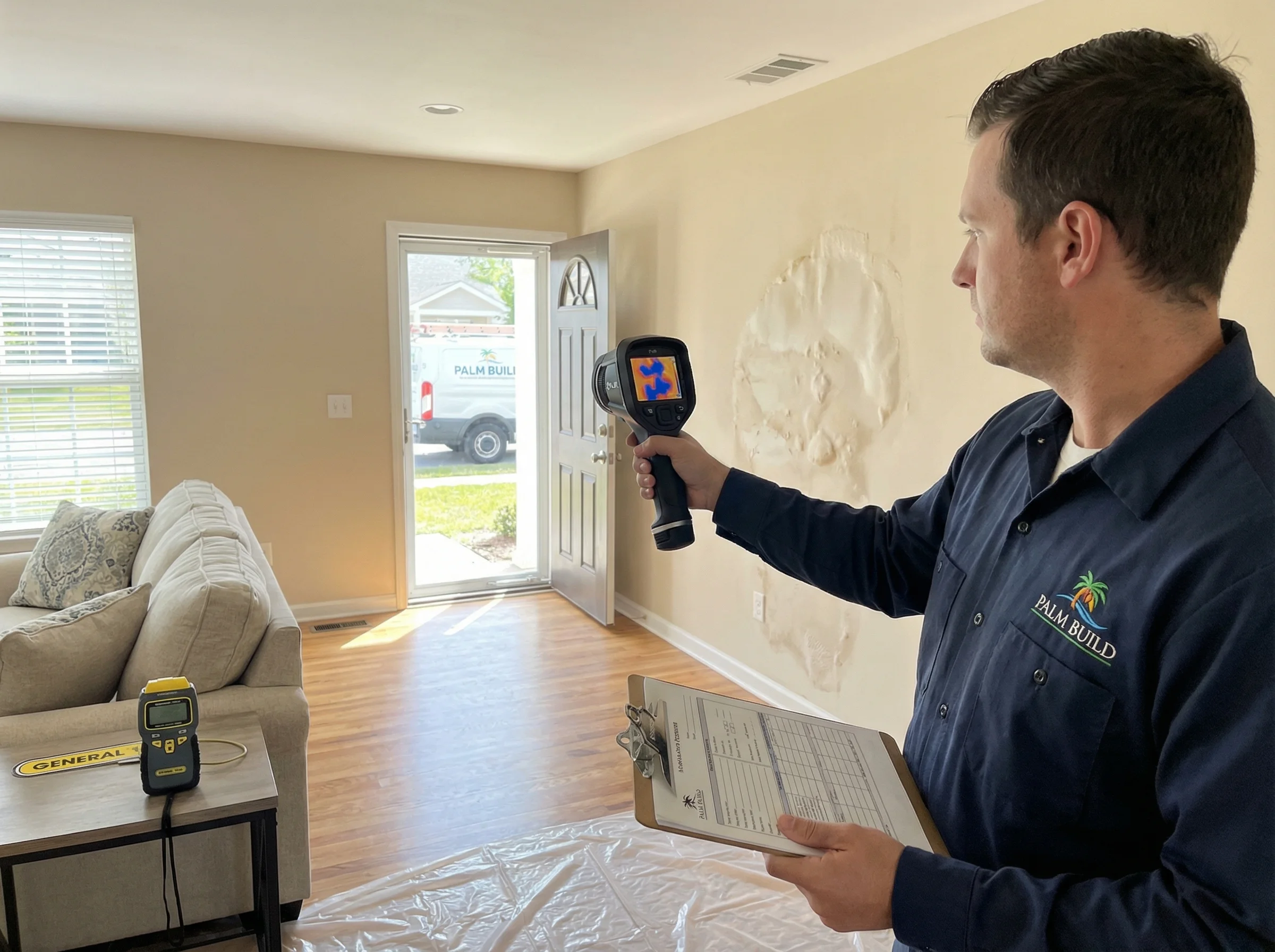
Teams identify migration paths into adjacent rooms, under cabinets, and below finished flooring to avoid leaving hidden saturation behind.

Step 3

Run high-capacity extraction first

Bulk liquid removal with professional equipment lowers evaporation burden and shortens the structural drying phase.

Step 4

Stage drying and documentation immediately

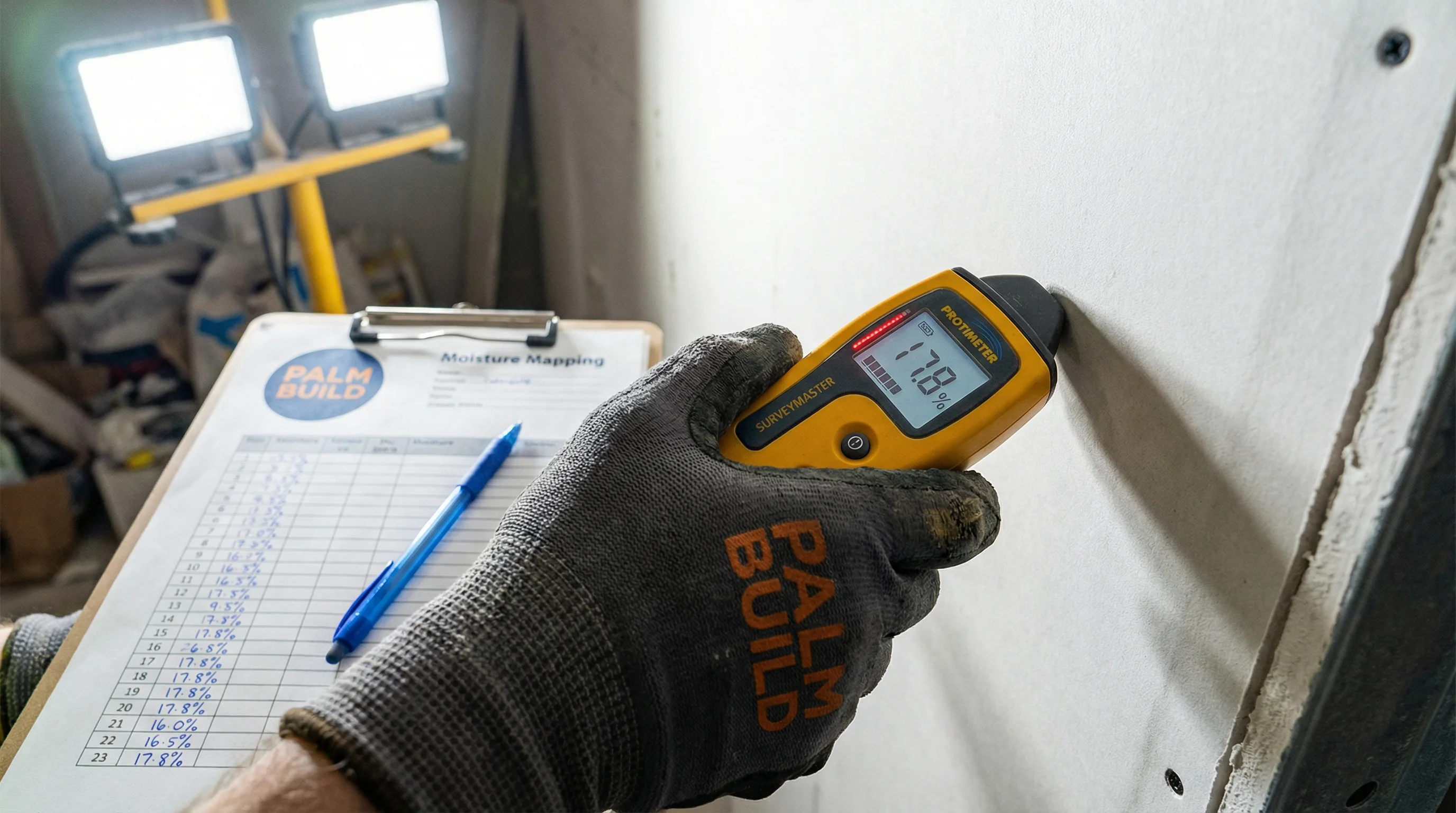
As extraction completes, dehumidification and airflow strategy starts with moisture logs for owner and insurance visibility.

Field Visuals

Scenarios, equipment, and mitigation examples

These examples show the conditions and response patterns teams evaluate during active water losses.

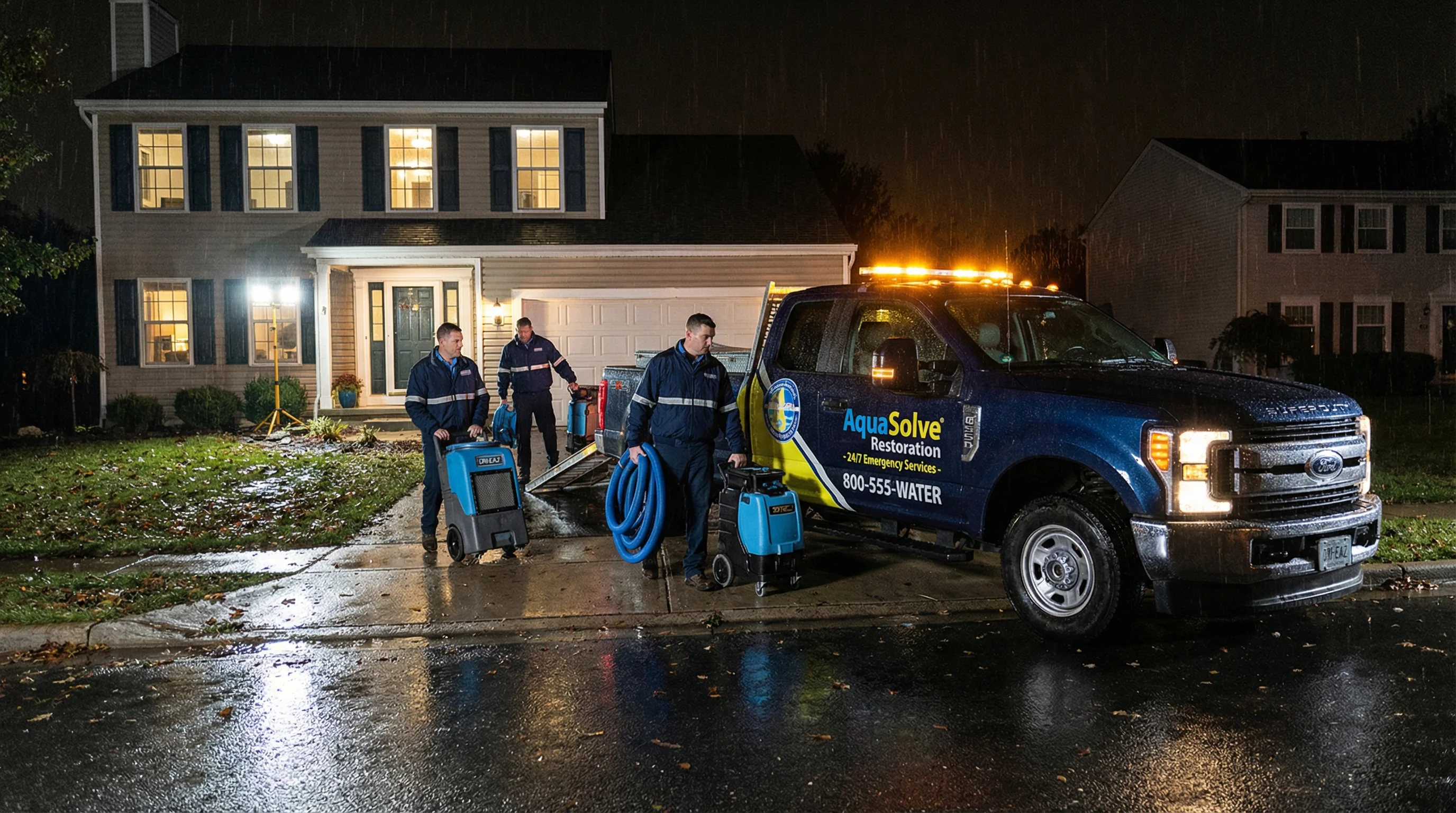
Night dispatch team arriving for emergency water mitigation

Night And After-Hours Dispatch

Rapid arrival windows are critical for reducing migration during active leaks and large interior water releases.

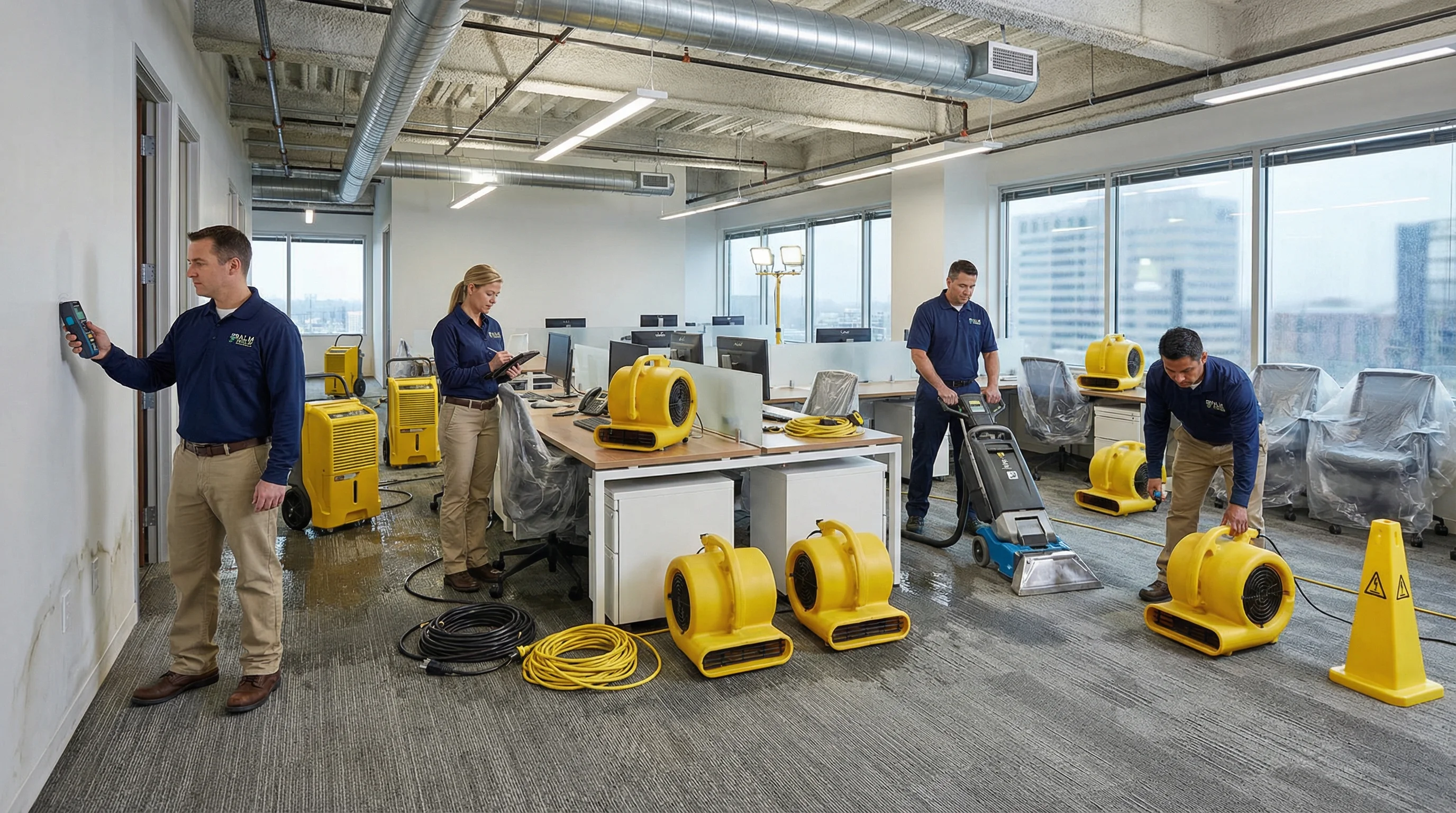
Commercial extraction crew staging equipment in a corridor

Commercial Extraction Staging

Large-footprint losses require route planning, zoning, and equipment sequencing before full extraction begins.

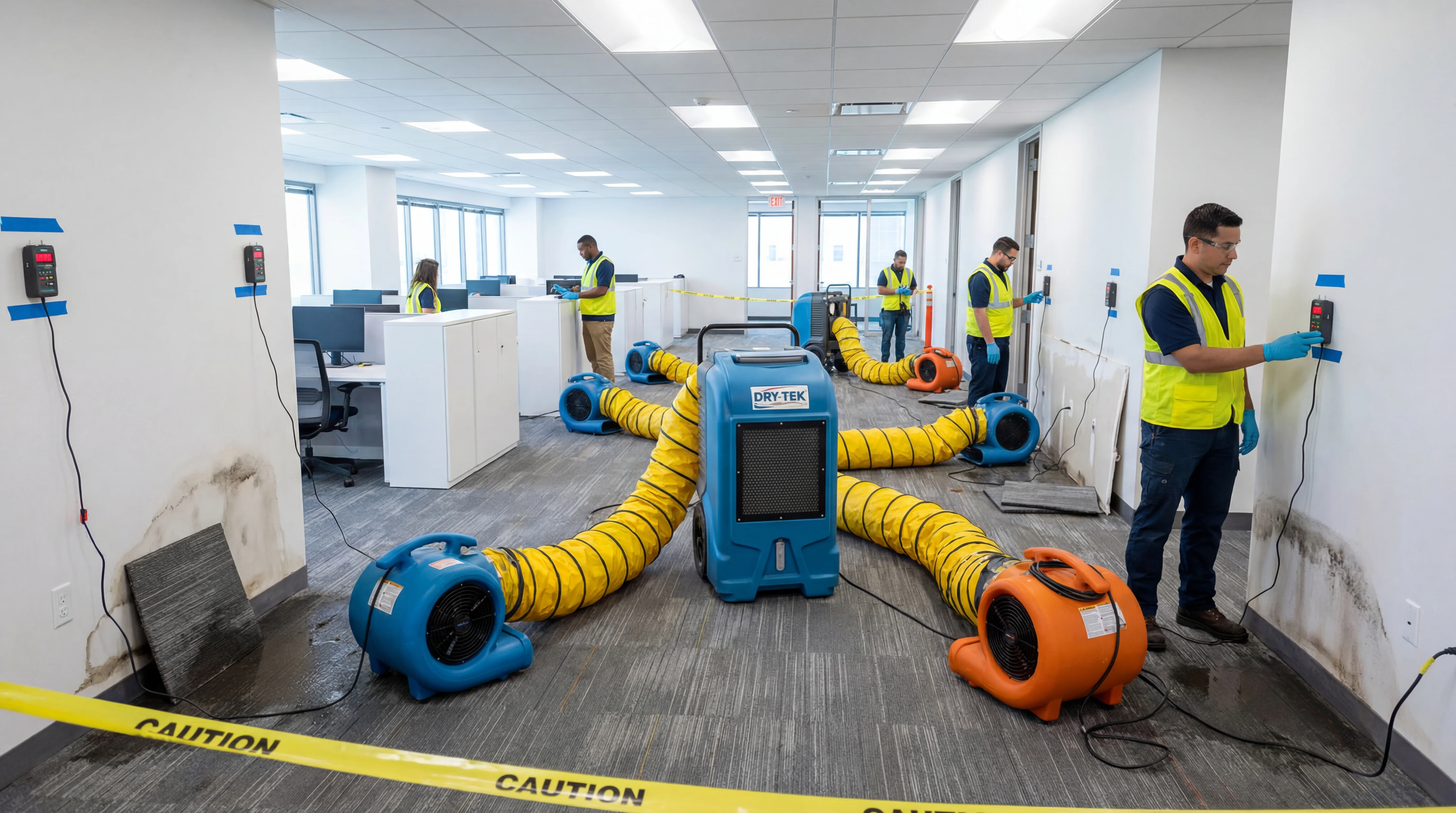
Drying equipment setup immediately after extraction operations

Extraction-To-Drying Handoff

Professional teams move directly from liquid removal into dehumidification to keep momentum and prevent rebound moisture.

Technical Workflow

How professional mitigation progresses

This sequence keeps decisions measurable, documented, and aligned with a safe transition to reconstruction.

Rapid triage and moisture baseline

Initial readings establish wet-zone boundaries and inform equipment quantity, placement, and containment decisions.

Extraction by material and surface type

Crews choose weighted extraction heads, wands, or pump-out methods depending on flooring, depth, and contamination profile.

Contents stabilization and protection

Salvageable contents are elevated or moved to dry zones to reduce transfer and secondary material damage.

Drying handoff with measured targets

Extraction transitions into structural drying with defined target ranges and daily monitoring checkpoints.

Regional operating notes

South Florida

Humidity increases reabsorption risk, so extraction must be paired quickly with dehumidification to maintain drying momentum.

Charlotte / Metrolina

Freeze-thaw events can create sudden multi-room losses where high-volume extraction is needed before walls and subfloors hold moisture.

South Carolina

Storm-driven intrusions often demand combined exterior and interior extraction sequencing during active weather windows.

Need extraction right now?

We dispatch with high-capacity extraction equipment and drying setup support 24/7.