Step 1
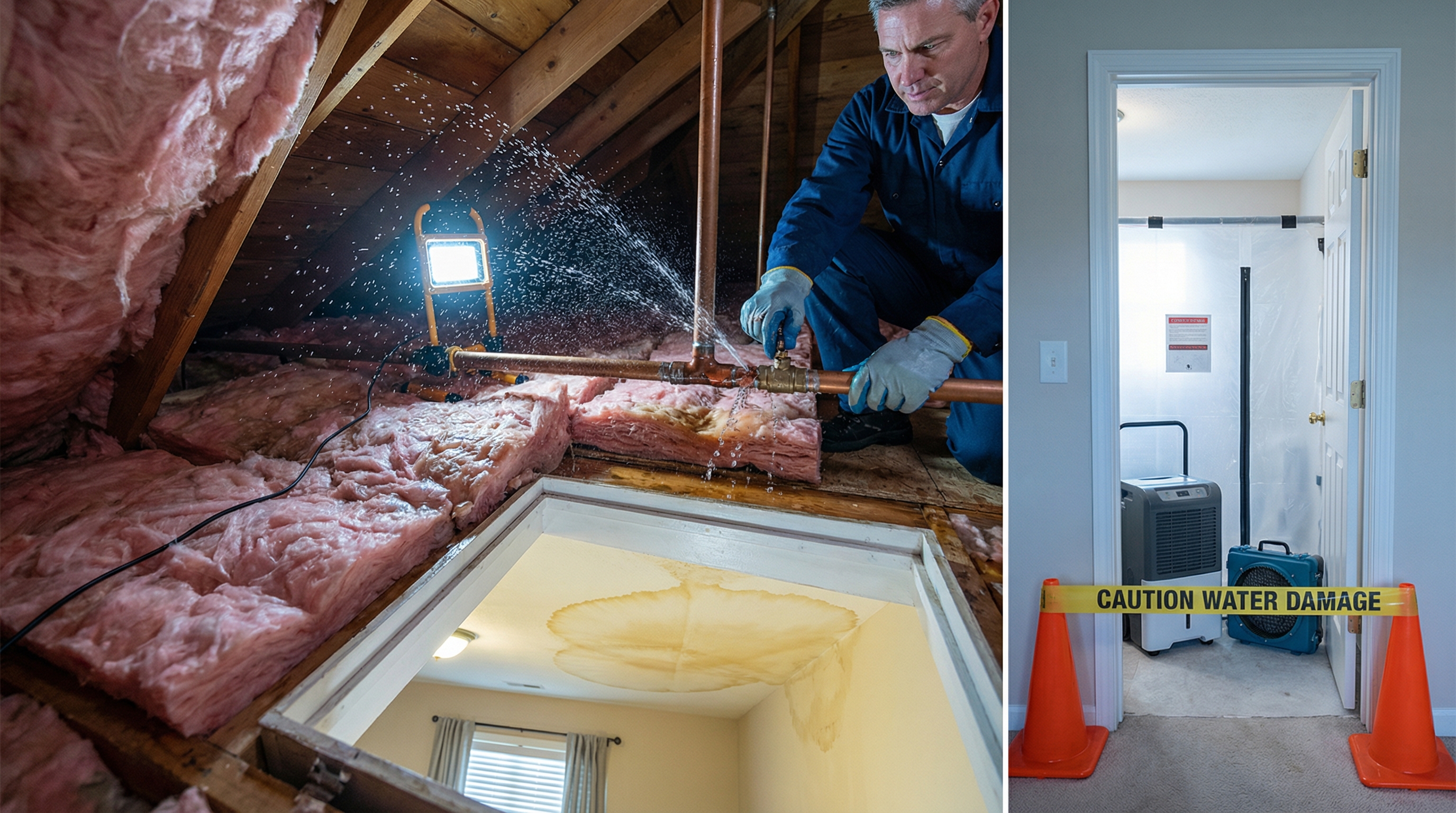
Shut main supply and isolate power in affected zone
Source control is first priority. If water is near outlets or fixtures, isolate electrical risk before entering wet spaces.
Water Restoration Sub-Guide
Burst pipes can release significant volume in minutes. This guide focuses on source shutdown, immediate extraction strategy, and the documentation steps that protect both structure and claim clarity.
First-Hour Priorities
Step 1
Source control is first priority. If water is near outlets or fixtures, isolate electrical risk before entering wet spaces.
Step 2
Photograph the failed line, damaged finishes, and water migration before cleanup alters conditions.
Step 3
Burst pipe losses often travel under flooring and through wall cavities, so contiguous zones must be addressed together.
Step 4
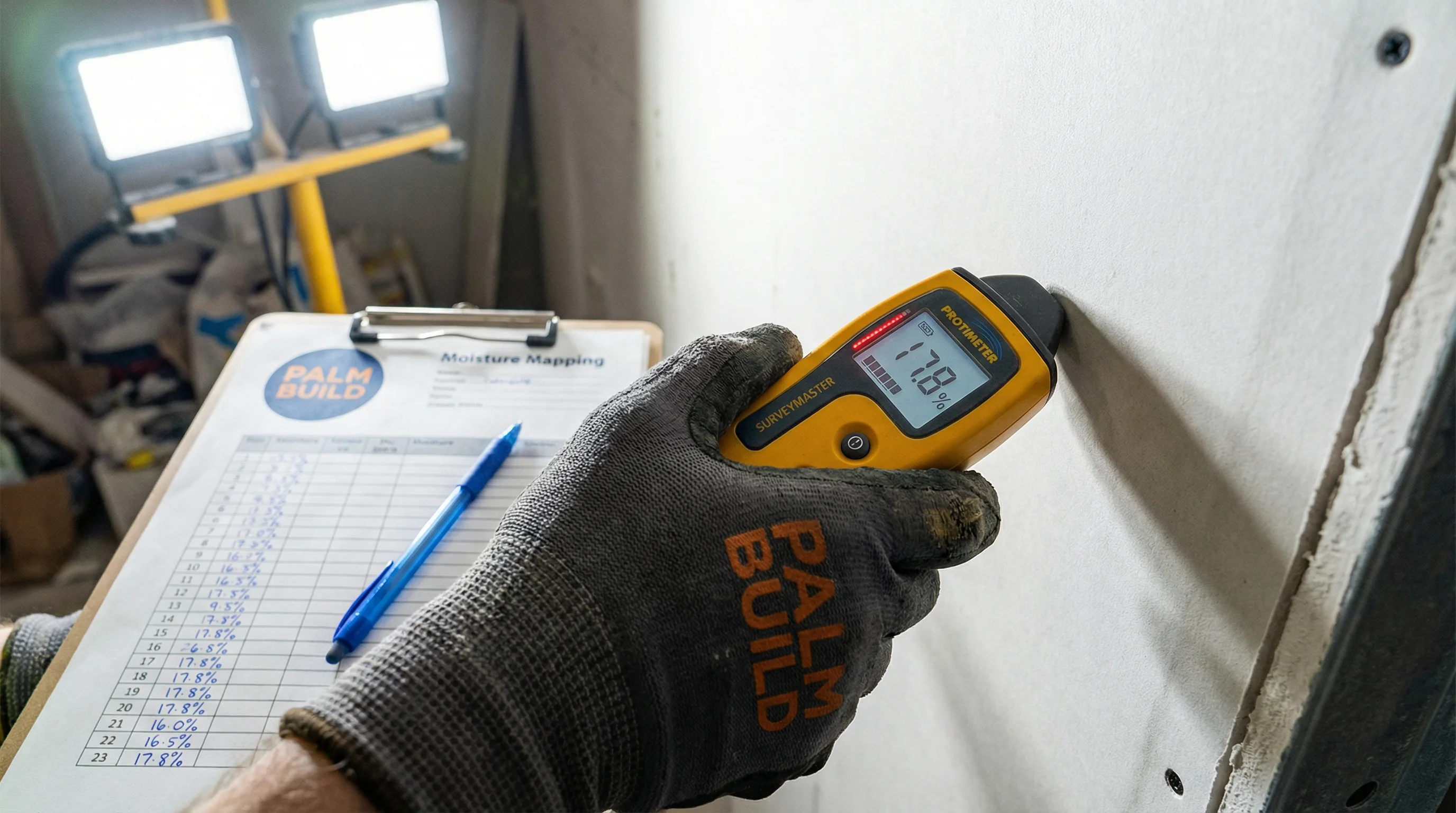
Meter checks in lower walls, framing, and subfloors confirm whether selective demolition is needed before rebuild.
Field Visuals
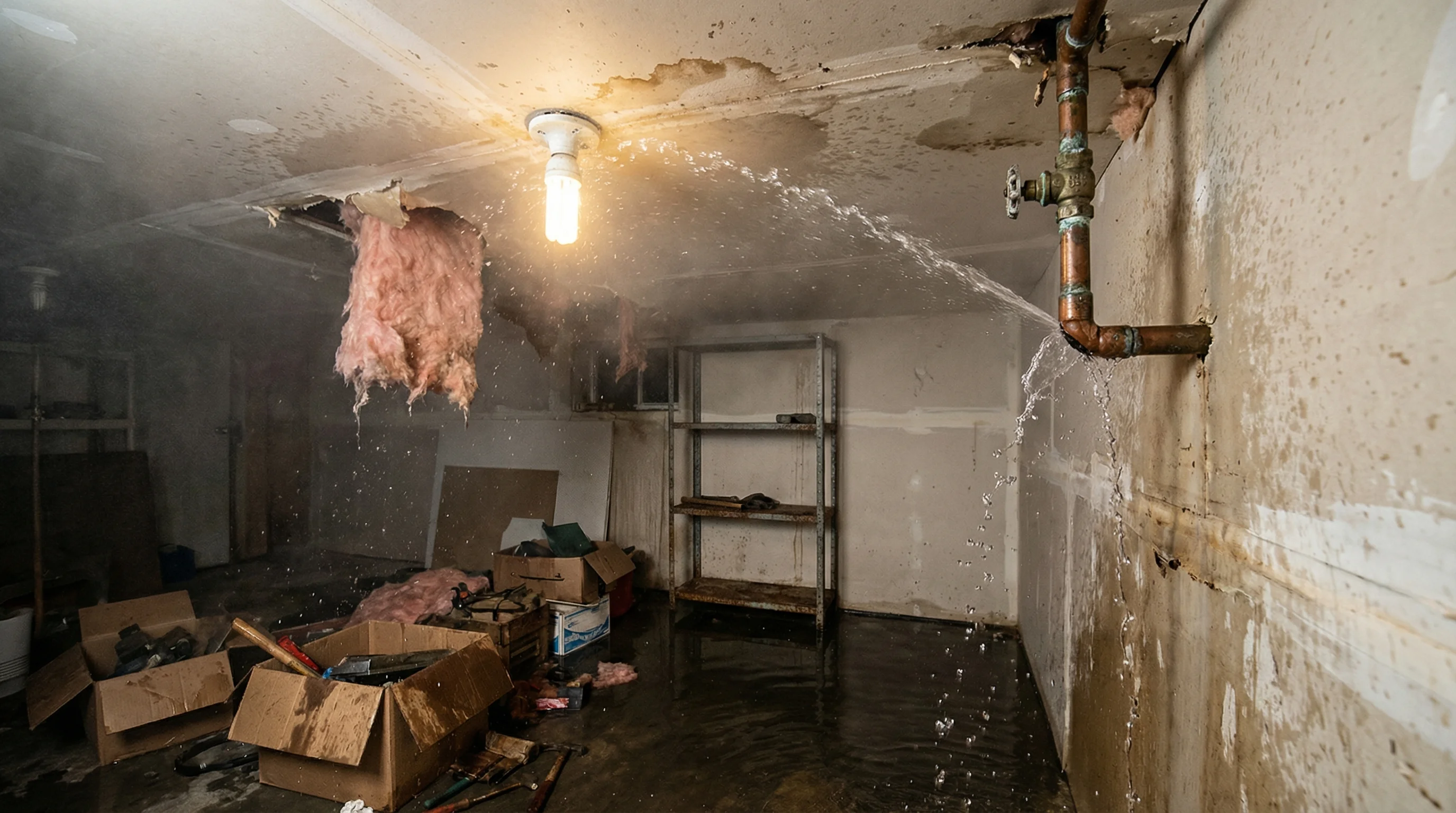
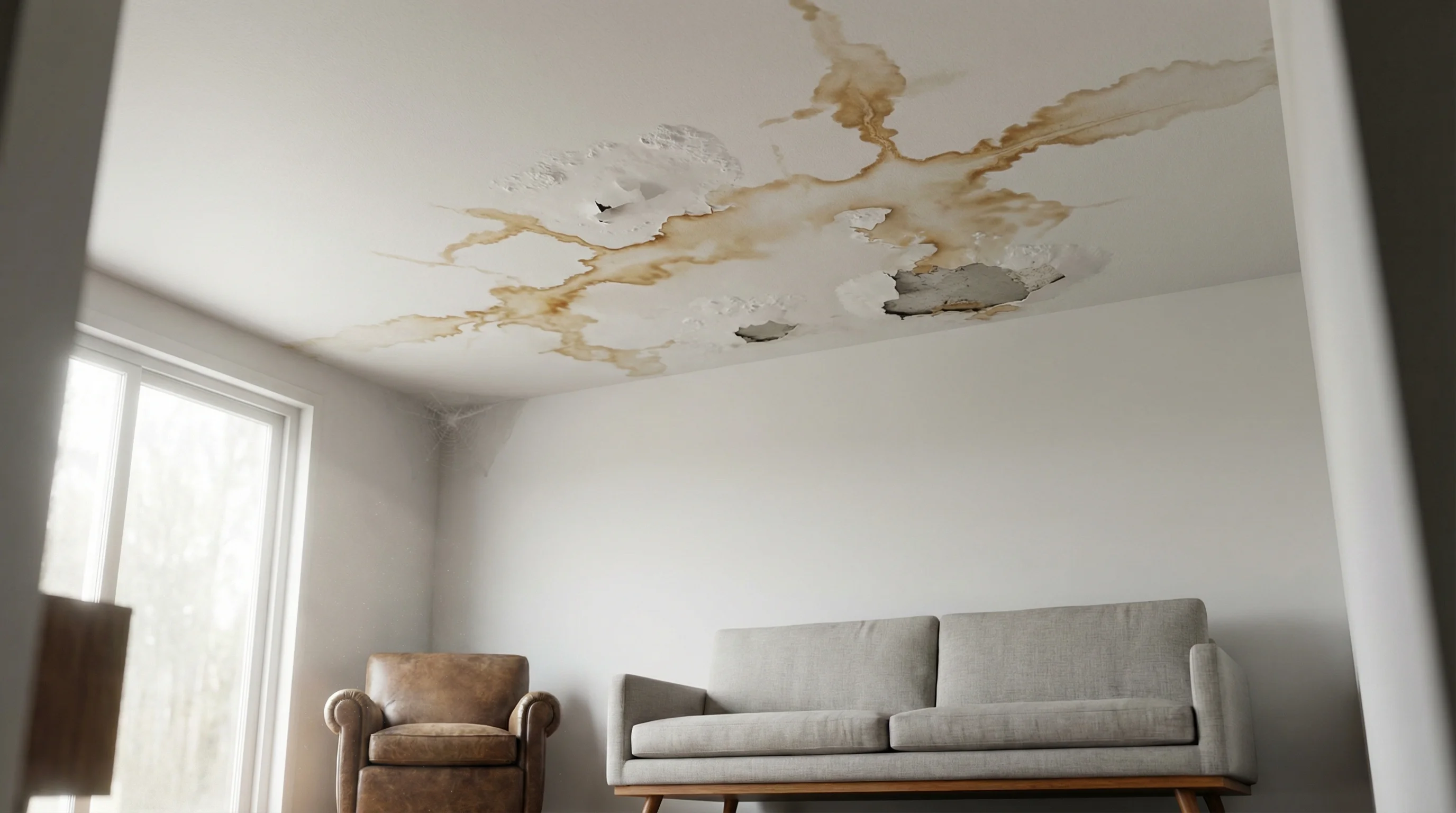
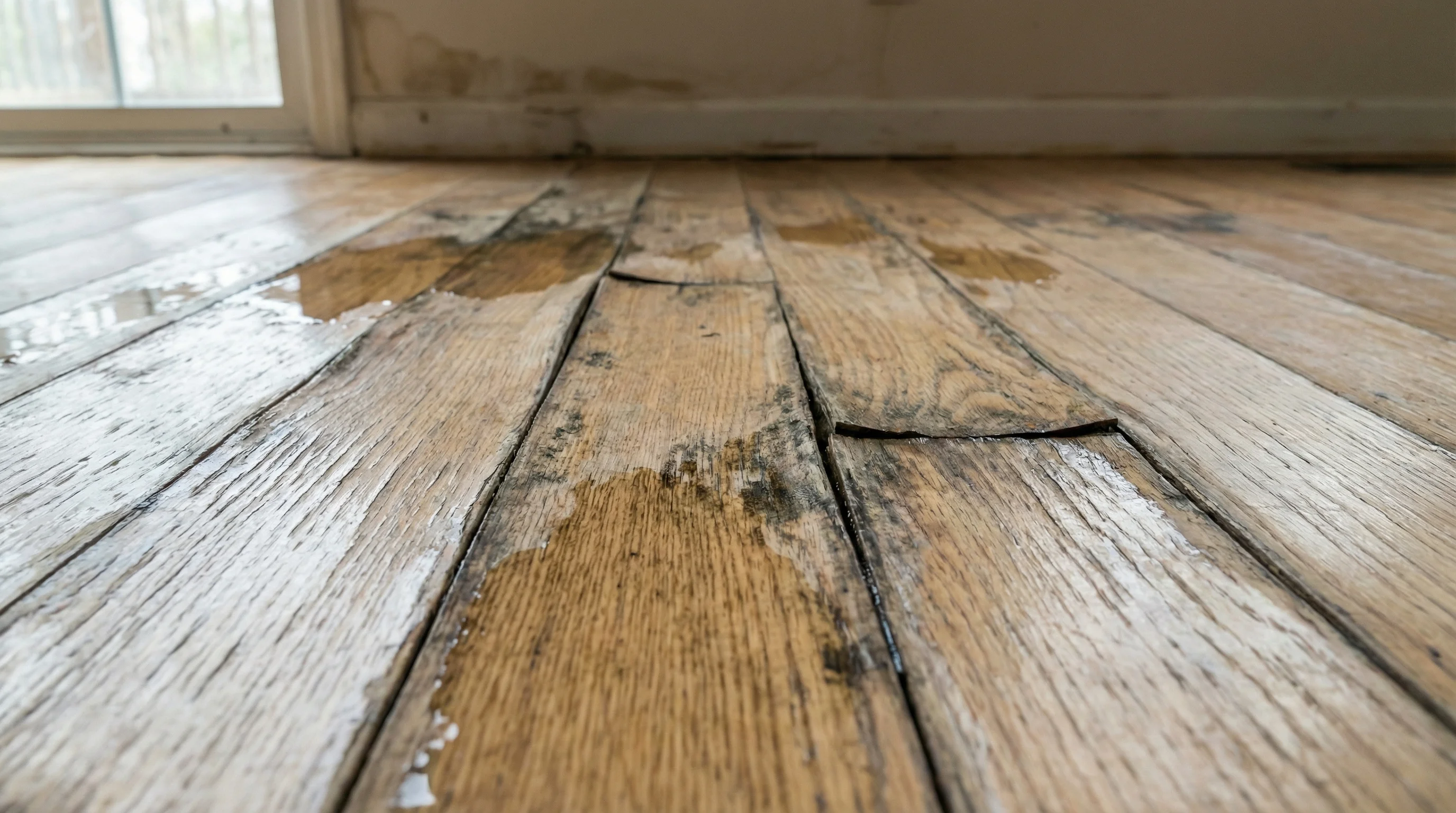
These examples show the conditions and response patterns teams evaluate during active water losses.
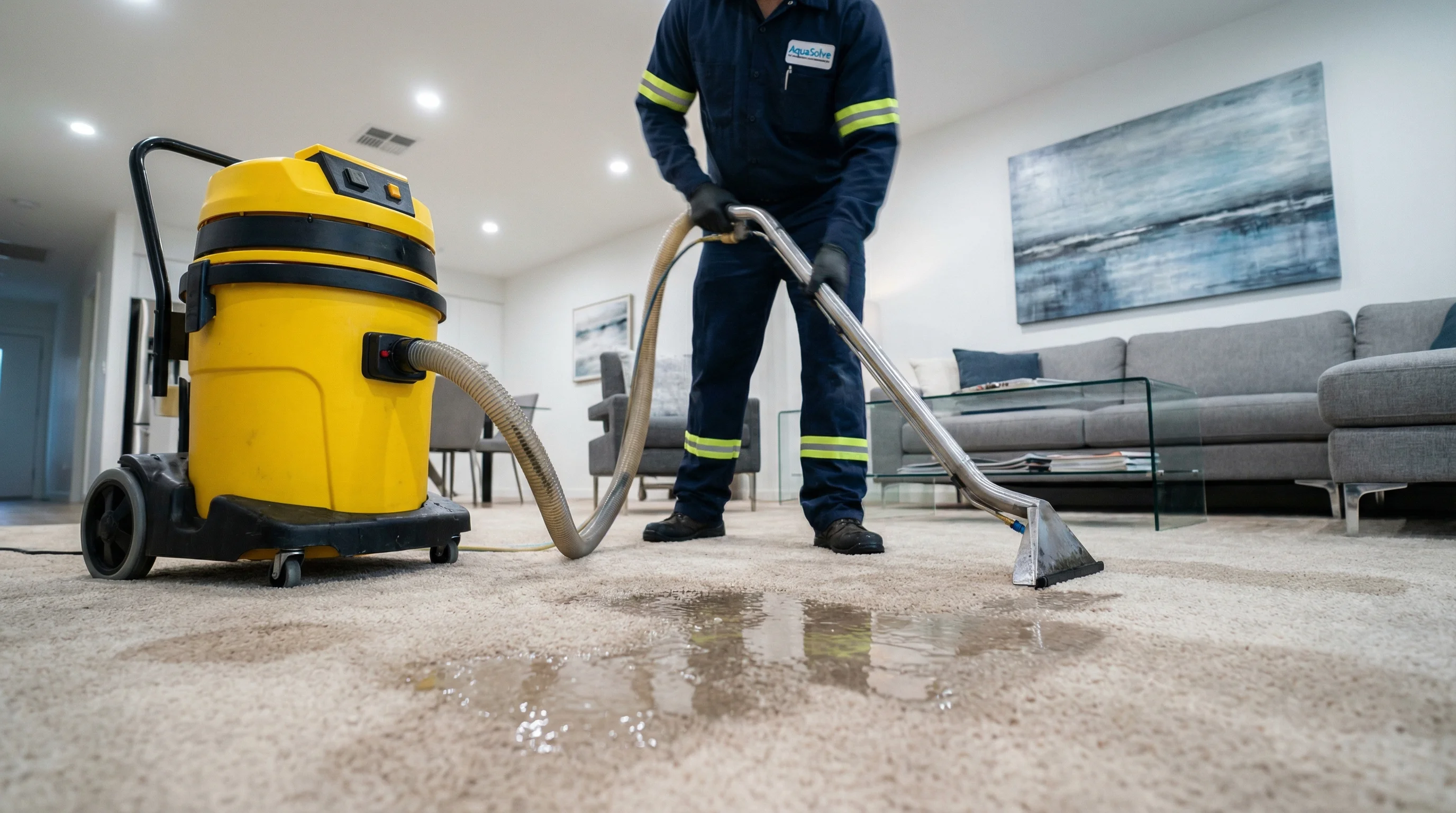
Source shutdown and hazard control must happen immediately before extraction and content movement start.
Upper-floor line breaks can track through ceiling cavities and wall bays long before pooling becomes obvious.
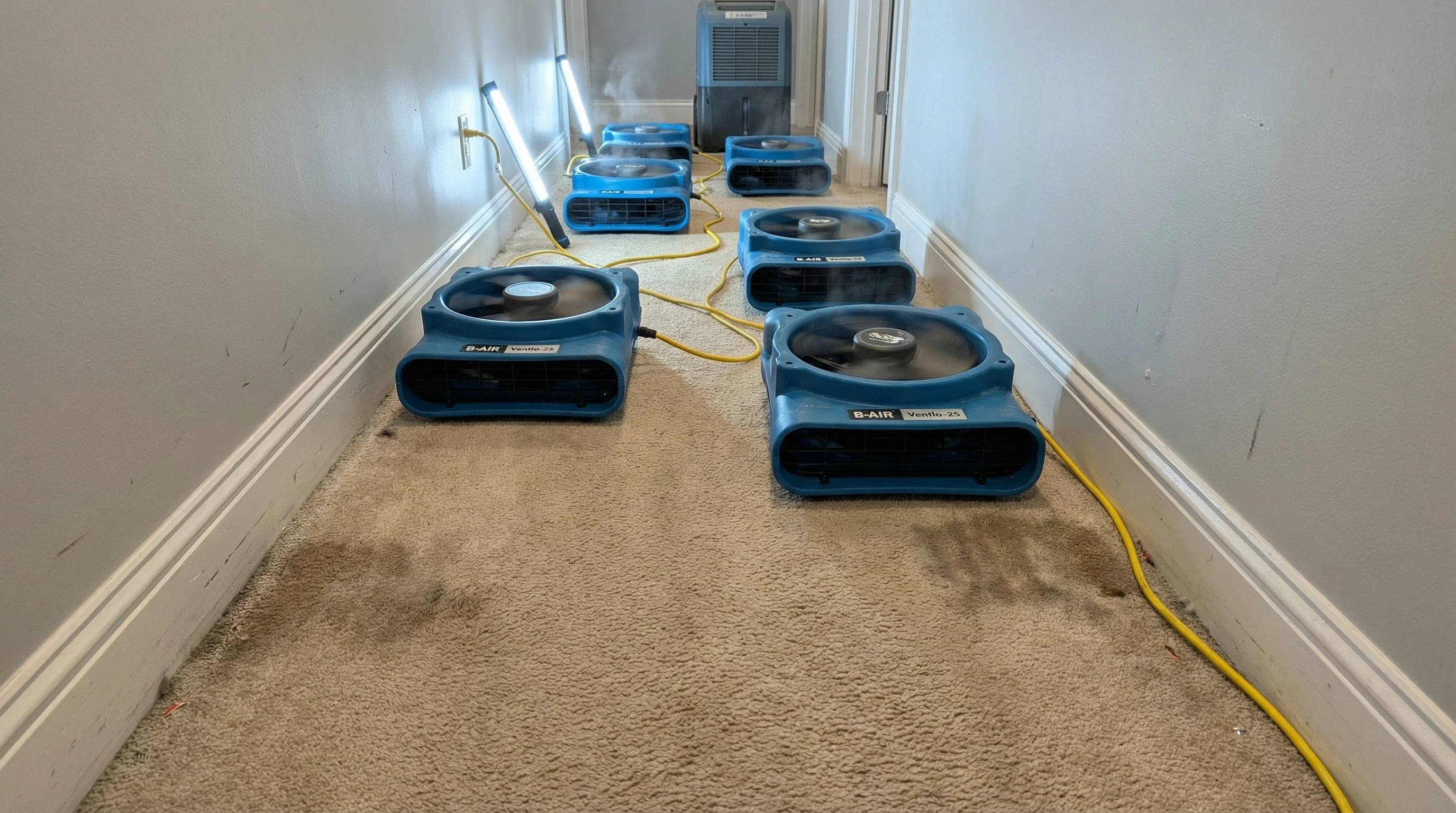
Delays in extraction frequently turn a contained line break into widespread flooring and baseboard replacement.
Technical Workflow
This sequence keeps decisions measurable, documented, and aligned with a safe transition to reconstruction.
Teams document line location and cause context to support repair coordination and insurer reporting.
High-volume removal starts in primary pooling areas, then moves to secondary migration zones and adjacent rooms.
Finish materials are evaluated for salvage based on water duration, class, and measurable moisture retention.
Daily moisture logs inform transition timing into repairs and reconstruction without hidden residual wetness.
Charlotte / Metrolina
Winter cold snaps and thaw cycles are a major burst-pipe driver, especially in attic and crawl-space lines.
South Florida
Aging lines, pressure fluctuations, and appliance connections create non-freeze burst and split-line events year-round.
South Carolina
Both cold-weather exposure and coastal storm conditions can trigger line failures in vulnerable structures.
Continue Your Research
Call now for immediate extraction and moisture stabilization.