Understanding the process
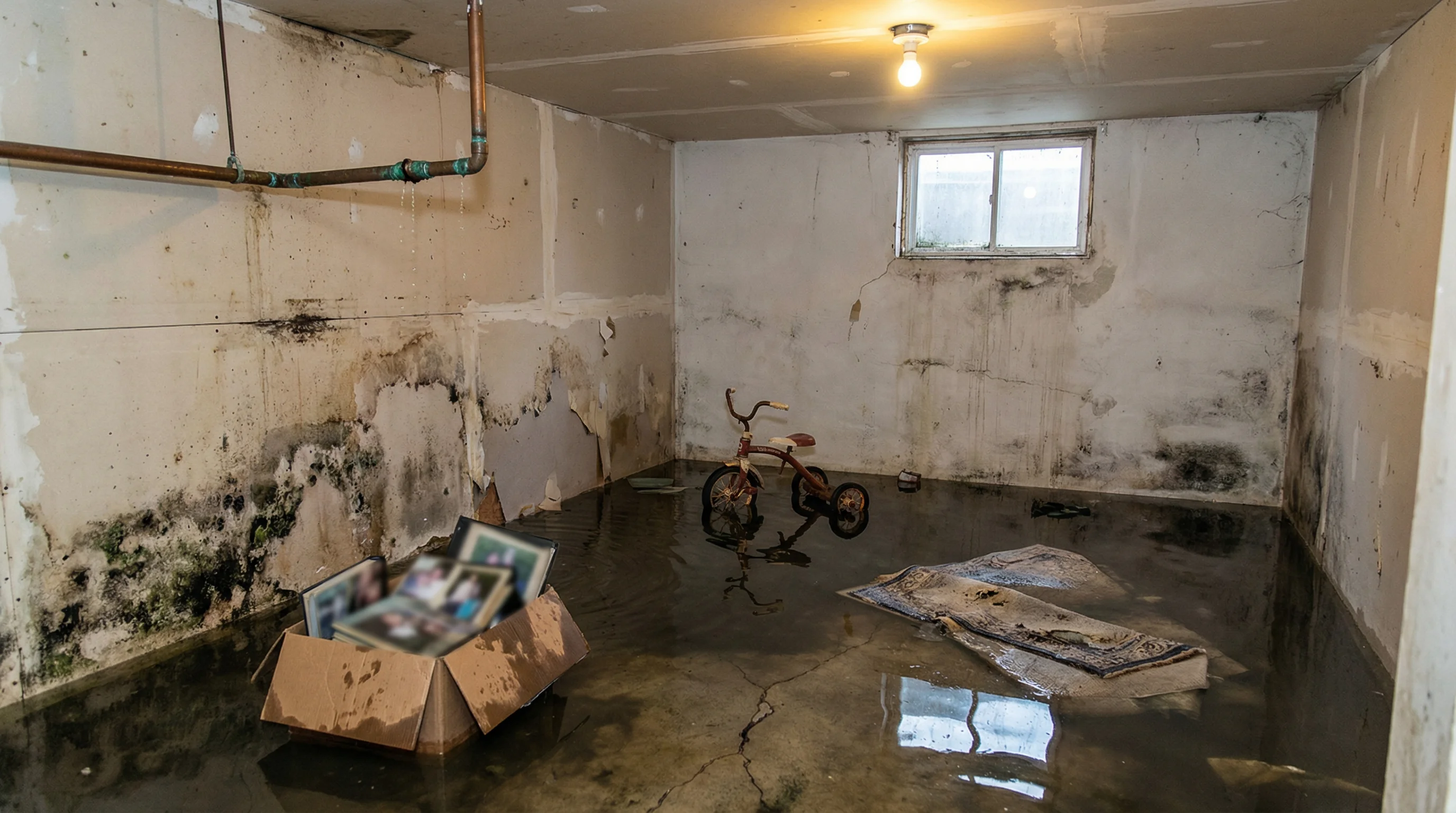
Basements and below-grade spaces are uniquely vulnerable to water damage because of their relationship with the surrounding soil and groundwater. Hydrostatic pressure, the force exerted by water in saturated soil against foundation walls and floor slabs, is the primary driver of water intrusion in these environments. When the water table rises during heavy rain, snowmelt, or prolonged wet weather, that pressure can force water through foundation cracks, cold joints where the slab meets the wall, and any unsealed utility penetrations. Even well-constructed foundations are not fully waterproof, and aging structures with deteriorated damp-proofing or absent drainage tile are especially susceptible.
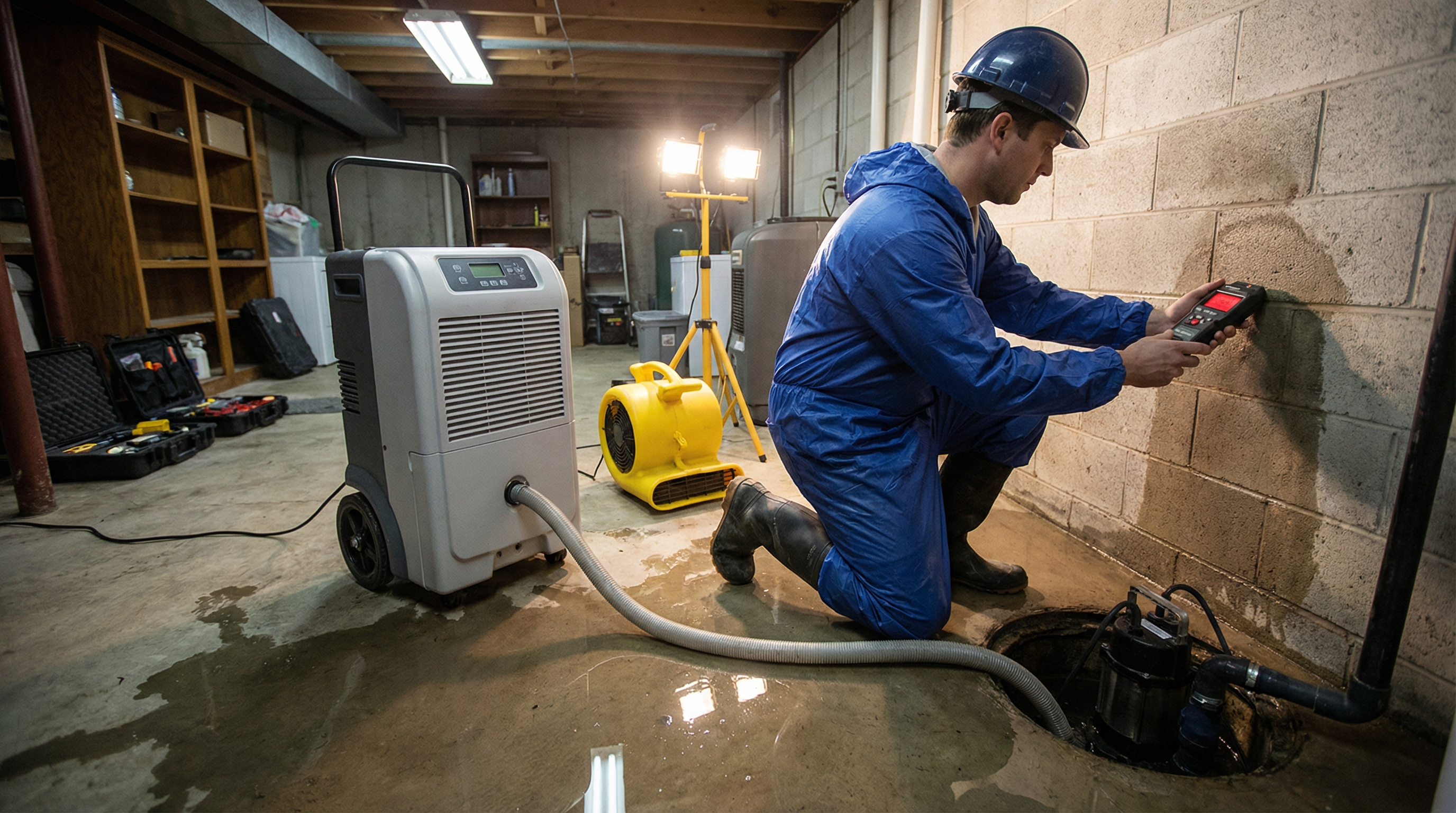
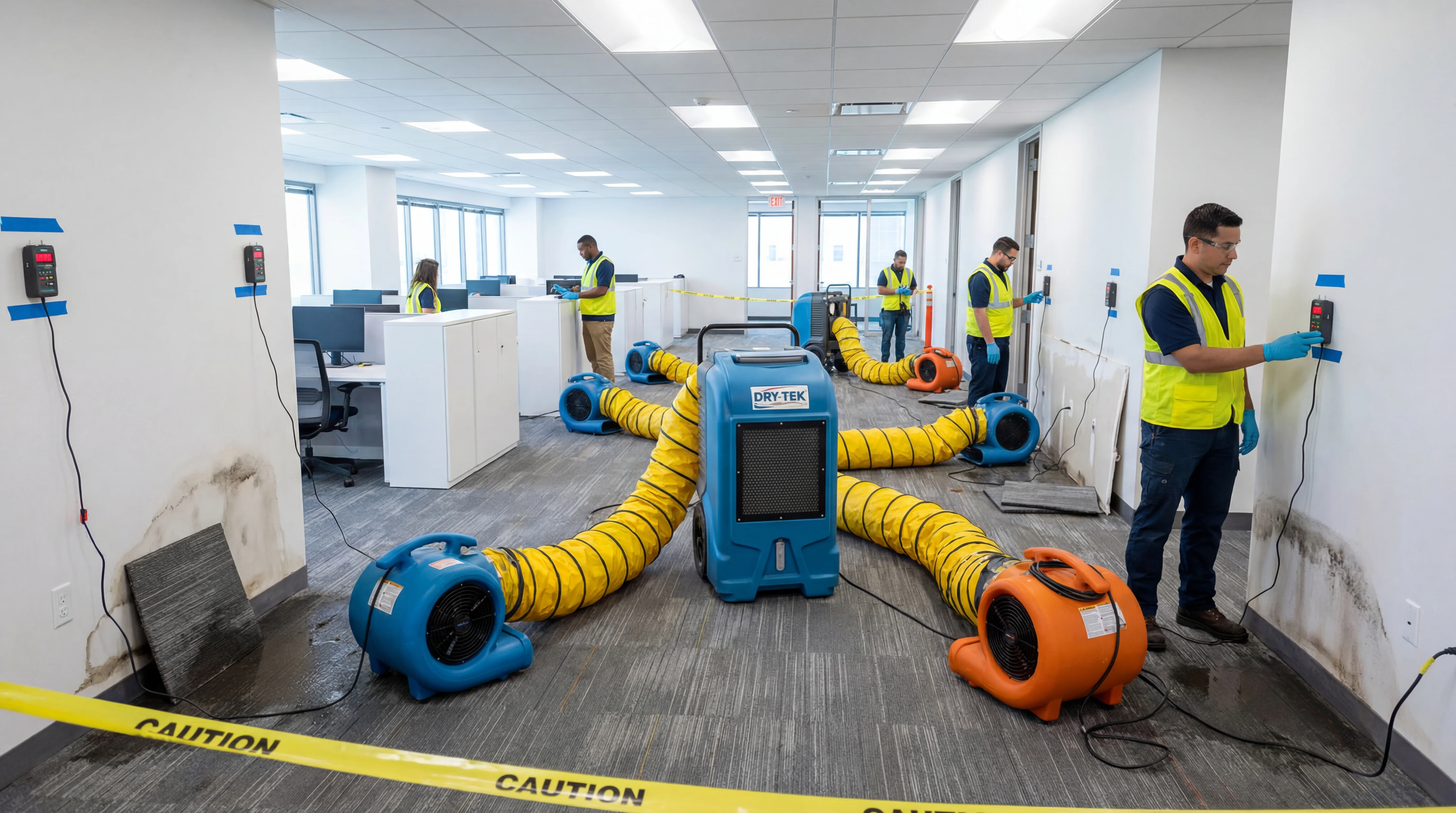
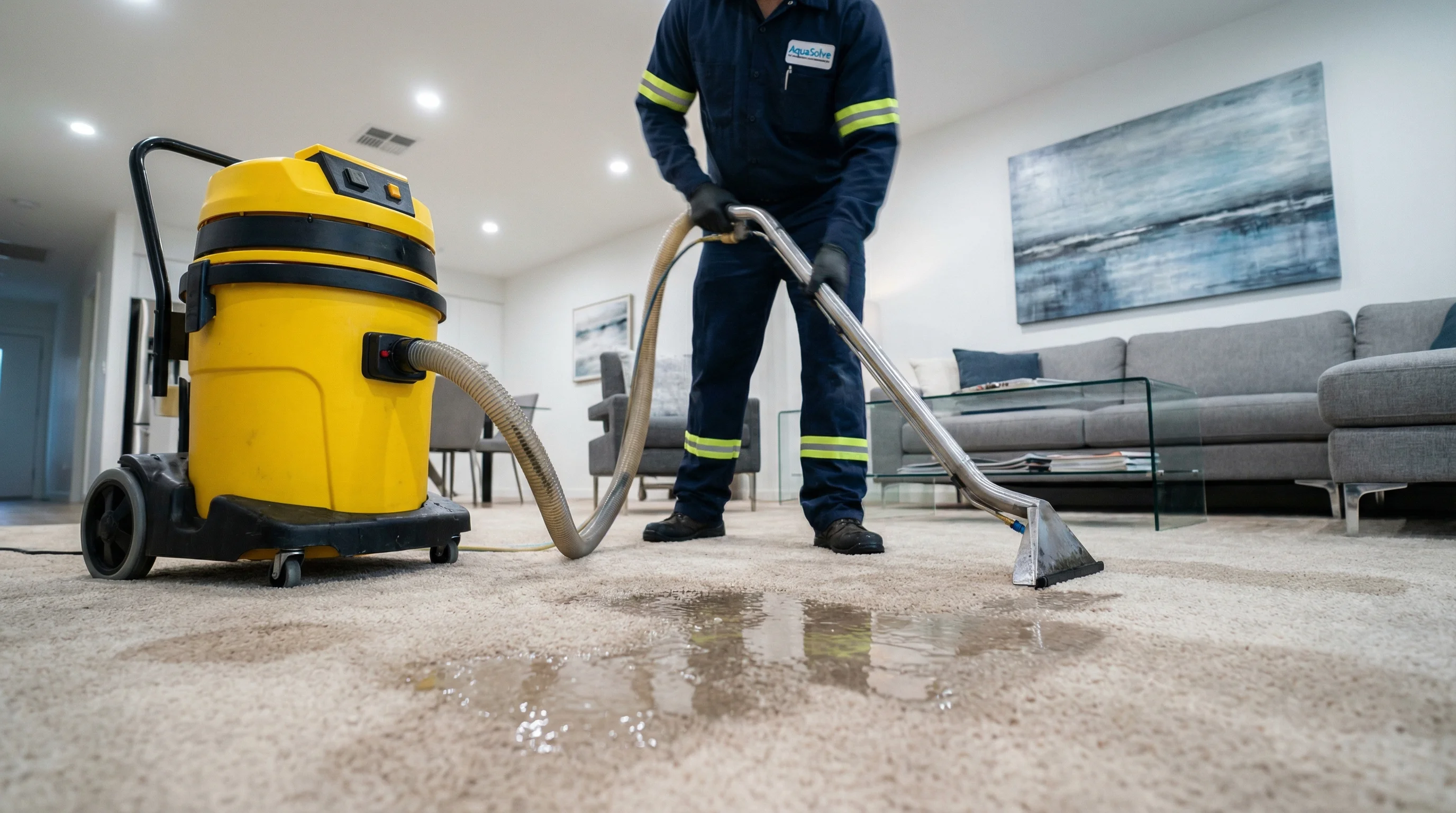
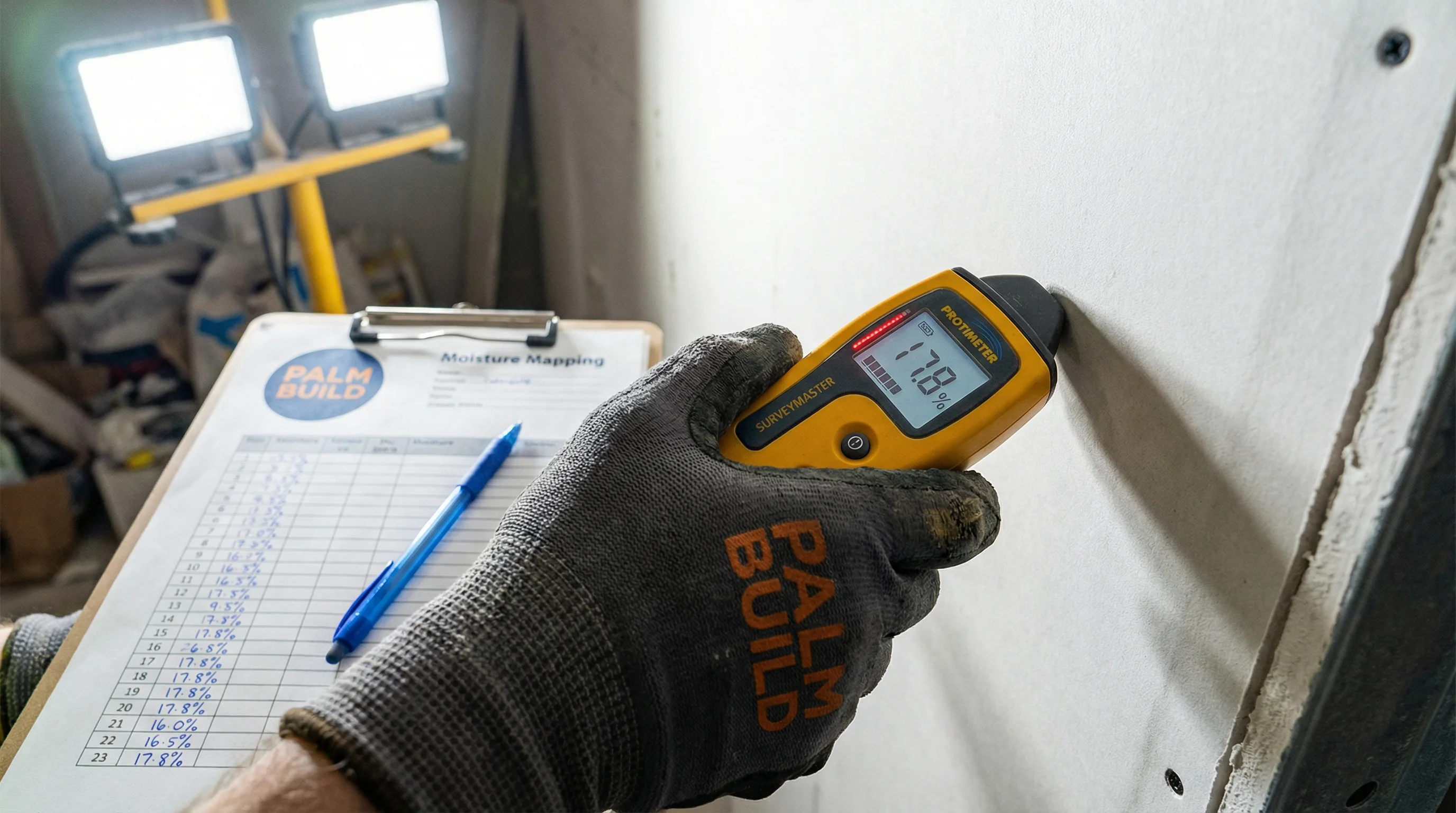
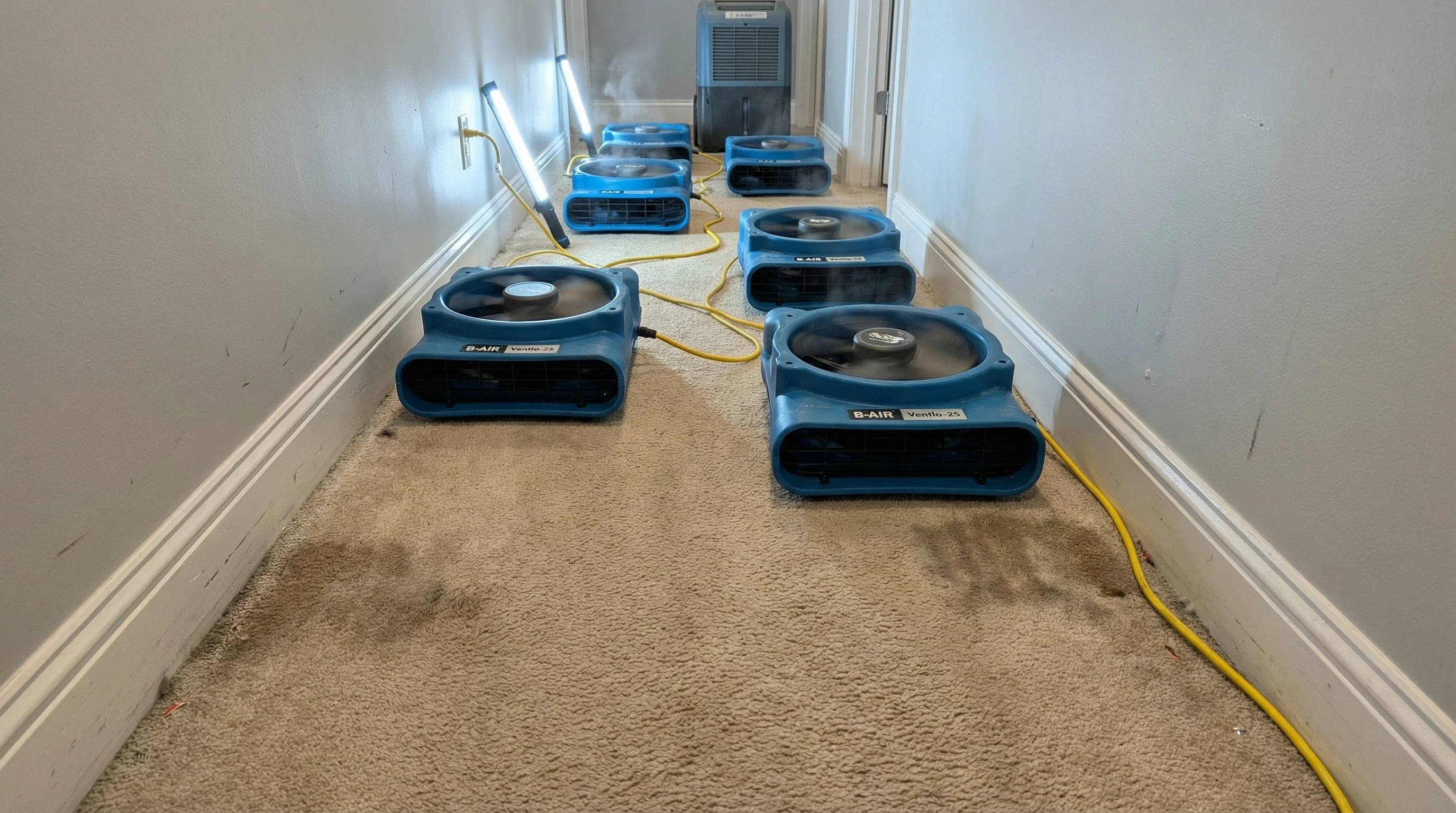
Once water enters a basement, it behaves differently than it does on above-grade floors. Below-grade spaces have limited natural ventilation, lower ambient temperatures, and are bounded by concrete and masonry that absorb and release moisture slowly. This means drying takes longer, relative humidity remains elevated for extended periods, and the conditions that support mold growth are established more quickly. Moisture does not simply evaporate from a concrete slab the way it would from a wood subfloor on a ventilated upper level. Water trapped beneath flooring, inside wall cavities between drywall and foundation walls, and within the concrete matrix itself can continue migrating for days or weeks after the visible water has been removed. Professional drying protocols for below-grade losses account for these dynamics with higher dehumidification capacity, extended equipment run times, and more frequent moisture mapping.
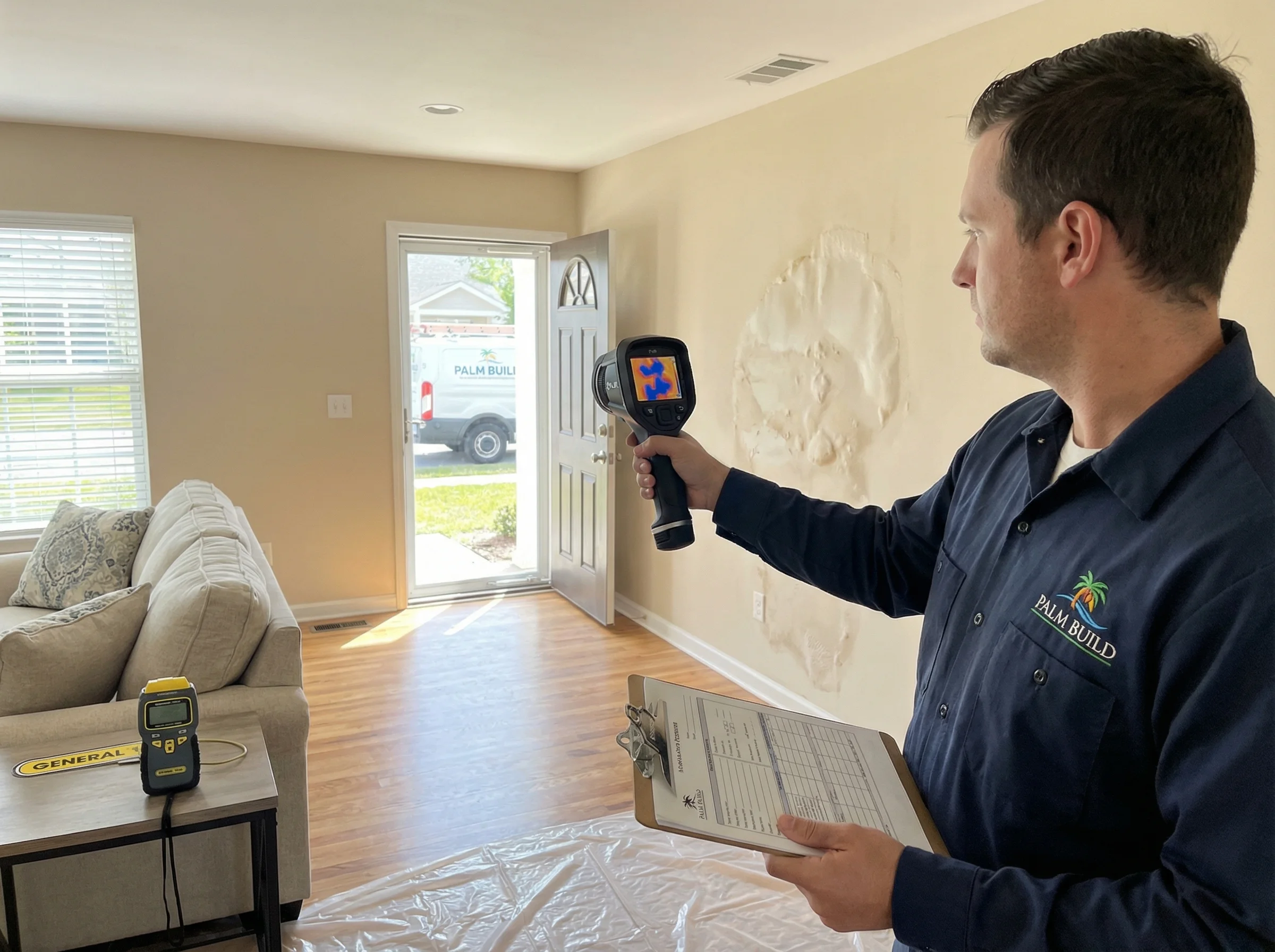
It is important to distinguish between emergency water restoration and long-term waterproofing. Restoration addresses the immediate loss: removing water, drying the structure, preventing mold, and preparing the space for reconstruction. Waterproofing, which may include exterior drainage corrections, interior perimeter drain systems, sump pump upgrades, or foundation wall encapsulation, addresses the underlying conditions that allowed water to enter in the first place. While both are critical, they are separate scopes of work with different contractors, timelines, and budgets. Restoration teams can identify indicators that waterproofing upgrades should be evaluated, such as chronic efflorescence on foundation walls, recurring sump pump cycling, or evidence of previous water intrusion, but the waterproofing assessment and installation should be planned independently to ensure each scope is executed properly.