Emergency board-up is the single most important step a property owner can take in the hours
immediately following a fire. Once the fire department leaves, the building is exposed to the
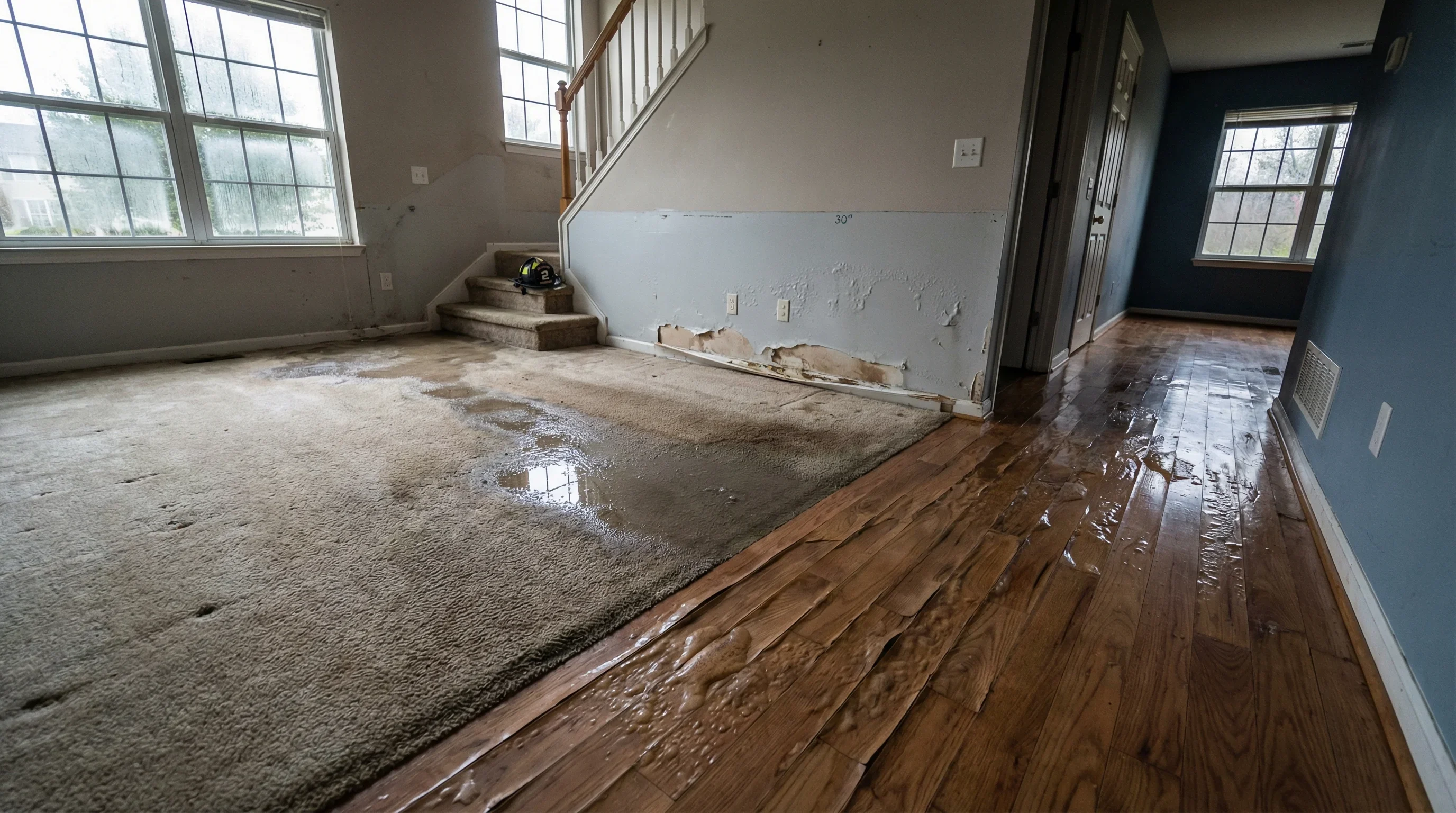
elements, trespassers, and animals. Rain entering through broken windows or fire-damaged
roofing can saturate drywall, insulation, and flooring within hours, creating conditions for
mold growth and compounding the original fire loss with secondary water damage. Beyond weather,
unsecured properties are targets for theft and vandalism, and many insurance policies explicitly
require policyholders to take reasonable measures to protect the property from additional loss.
Failing to secure the building promptly can jeopardize claim coverage for damages that occur
after the initial fire event.
The scope of board-up work differs significantly between residential and commercial properties.
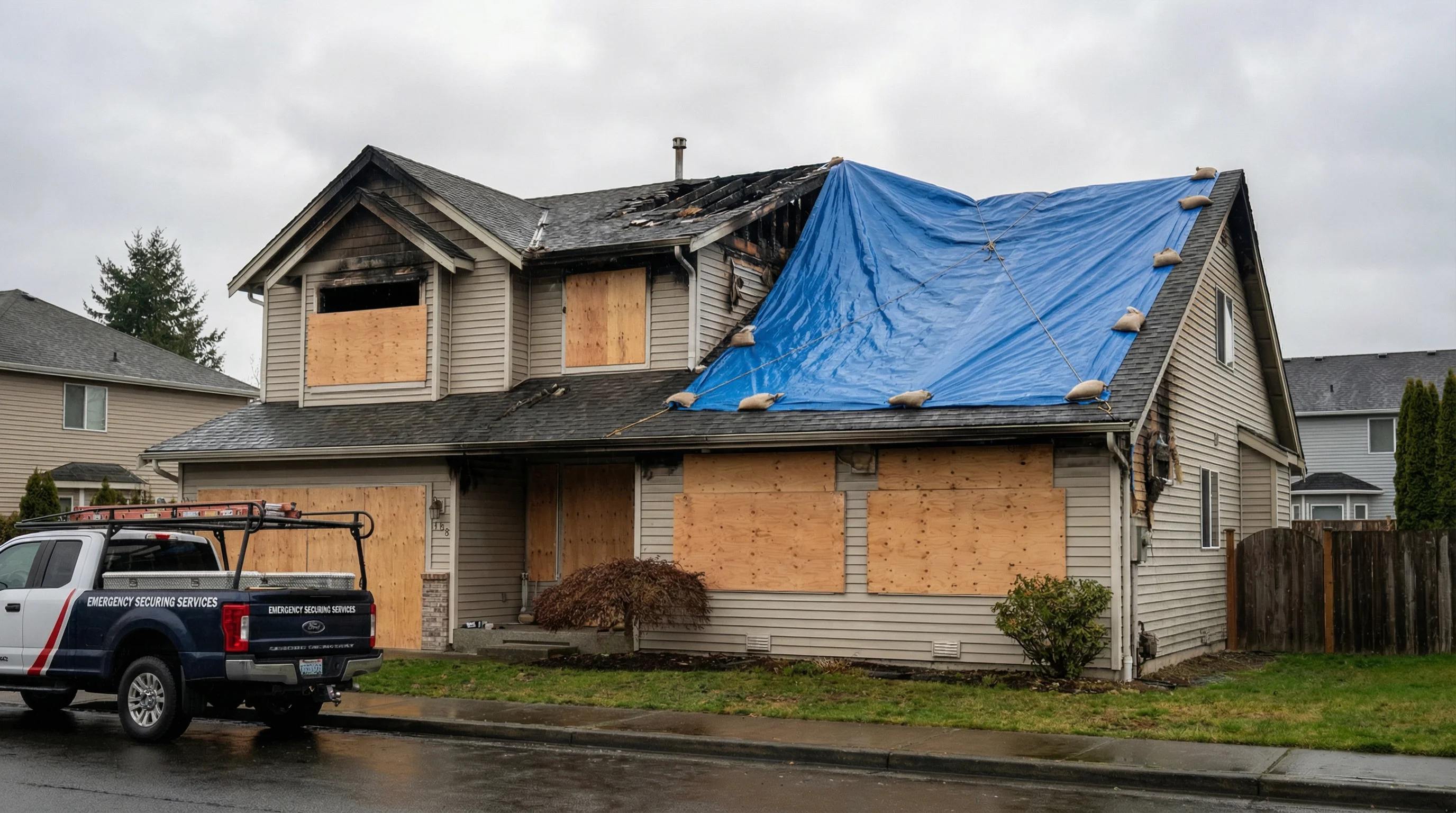
A typical home may require securing six to twelve window and door openings along with a section
of roof tarping. Commercial properties, by contrast, often involve large glass storefronts,
roll-up dock doors, rooftop HVAC penetrations, and multi-story facades that demand heavier
materials, lift equipment, and larger crews. In both cases, the goal is the same: create a
sealed, weather-tight barrier that prevents further loss while preserving the interior
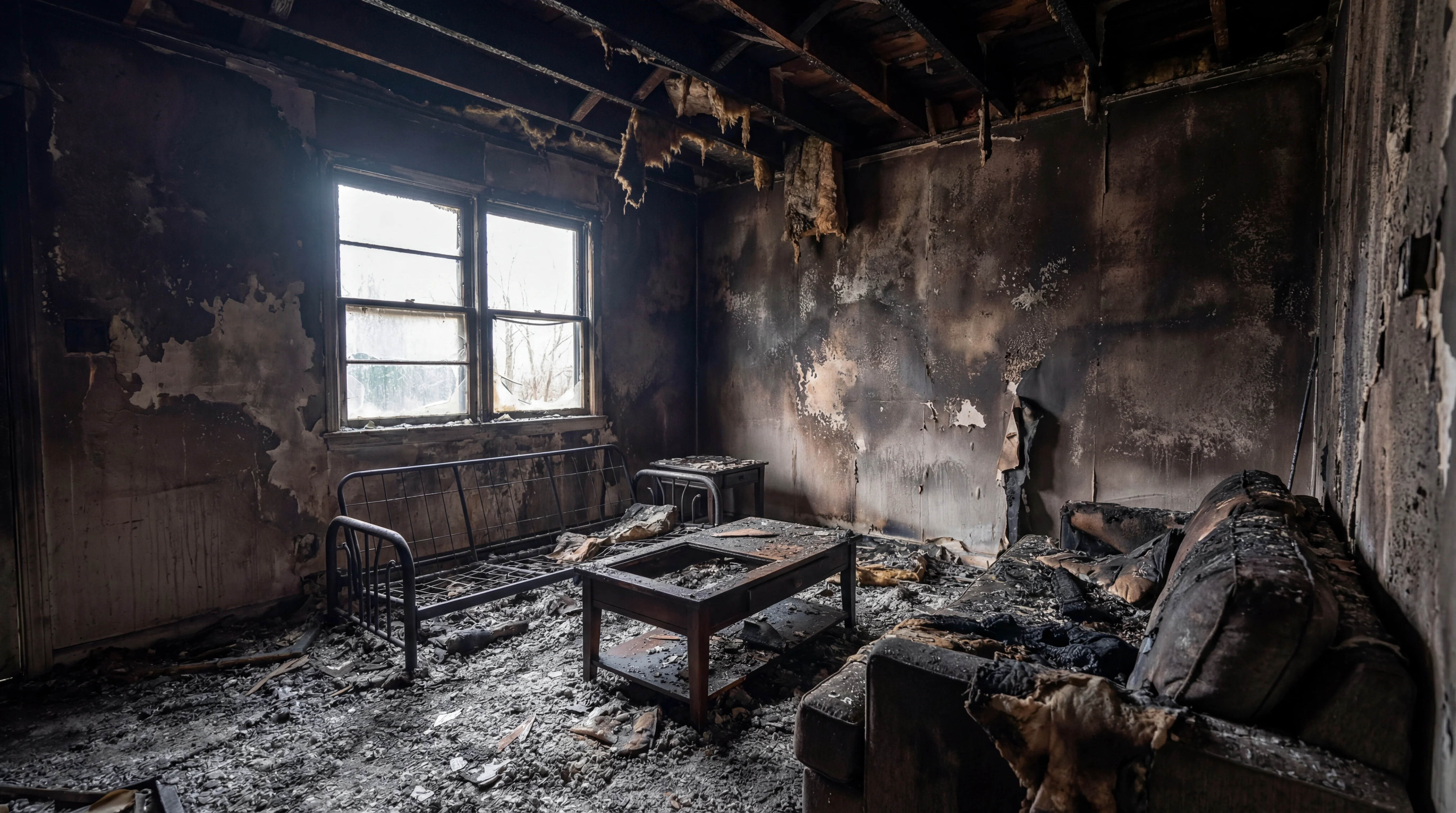
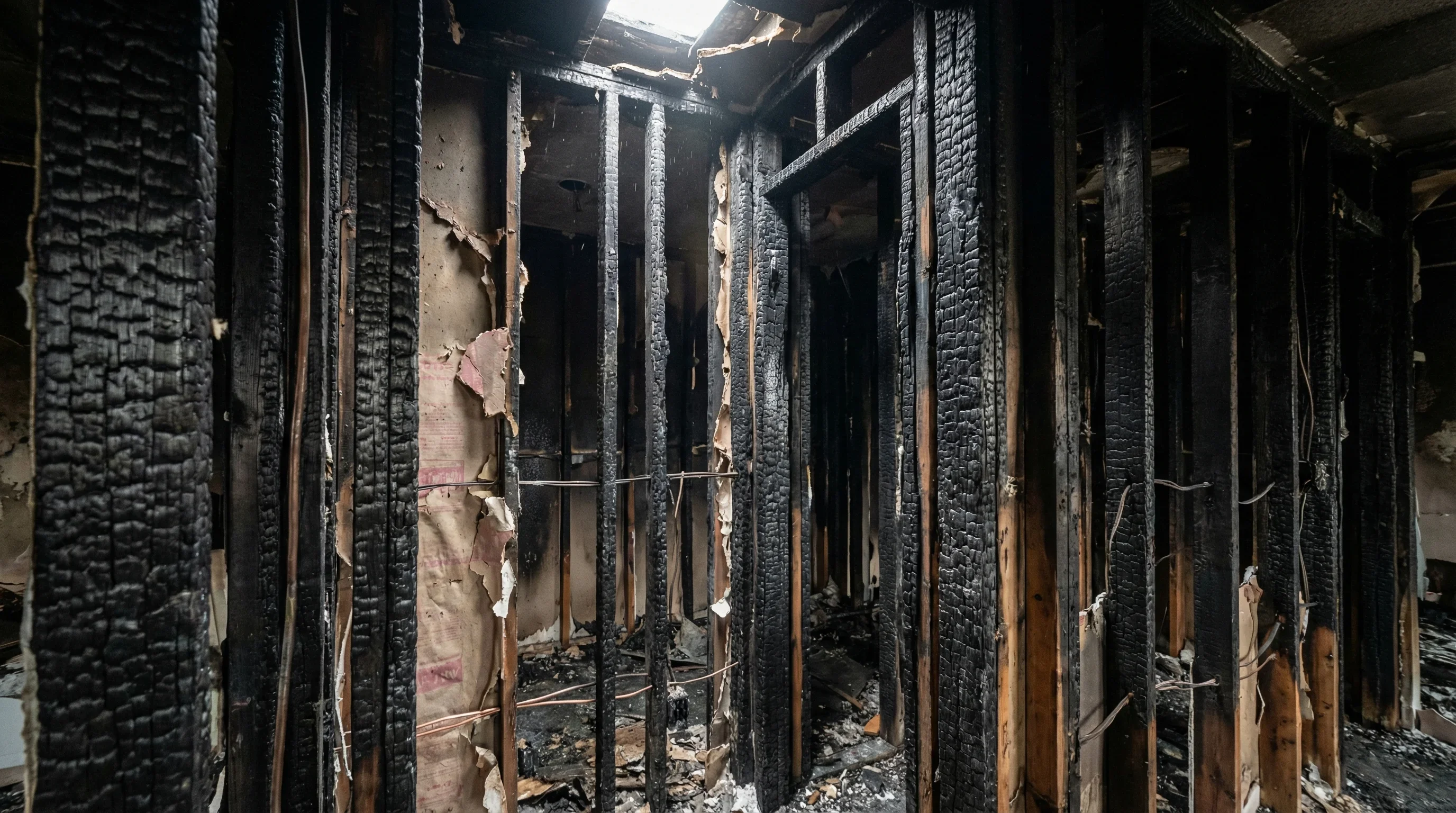
conditions for insurance adjusters to inspect. Proper board-up avoids disturbing fire patterns,
char evidence, and smoke residue that adjusters and investigators rely on to determine origin,
cause, and damage extent.
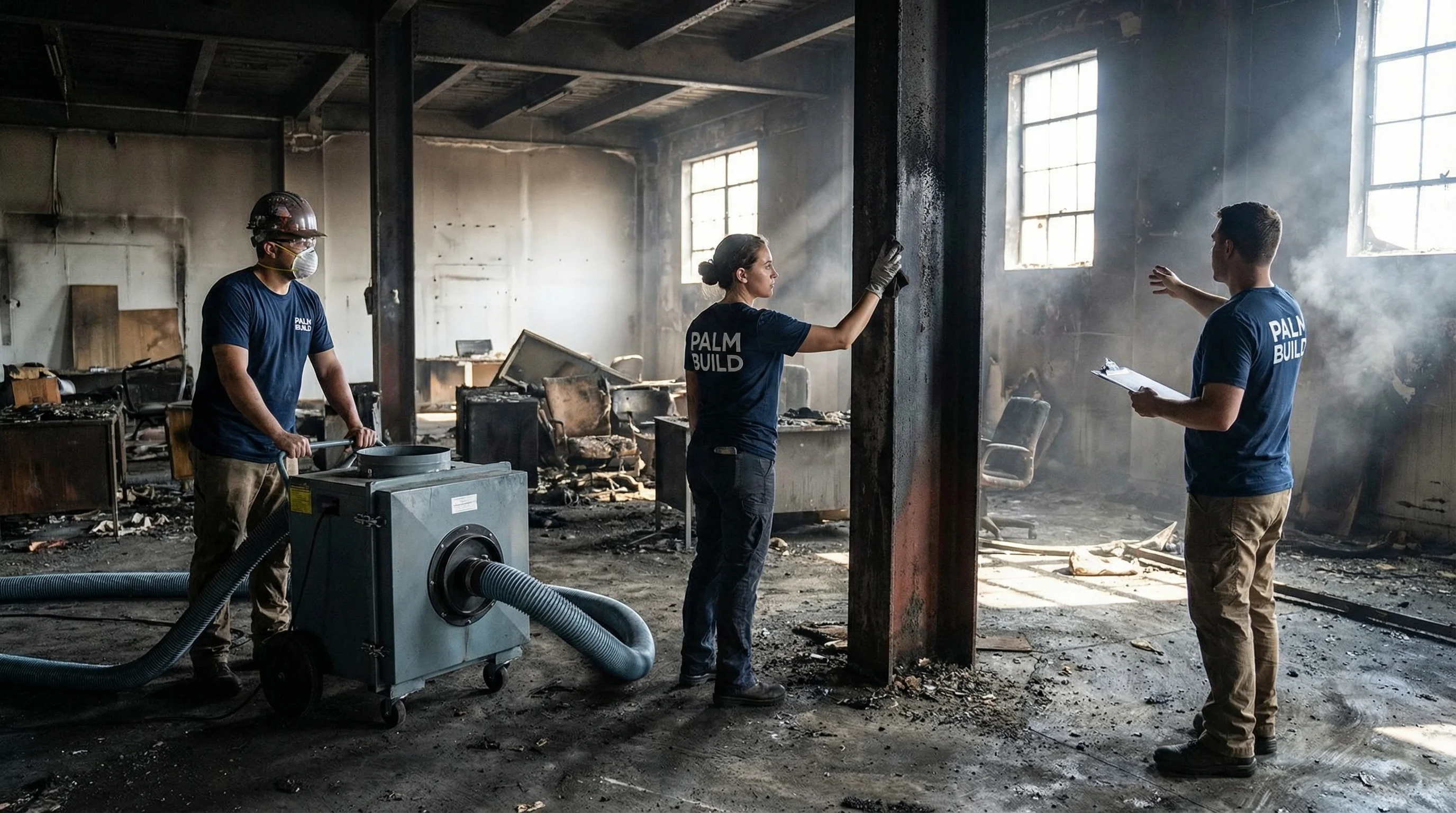
Board-up is not the end of the process—it is the transition point into full restoration. Once
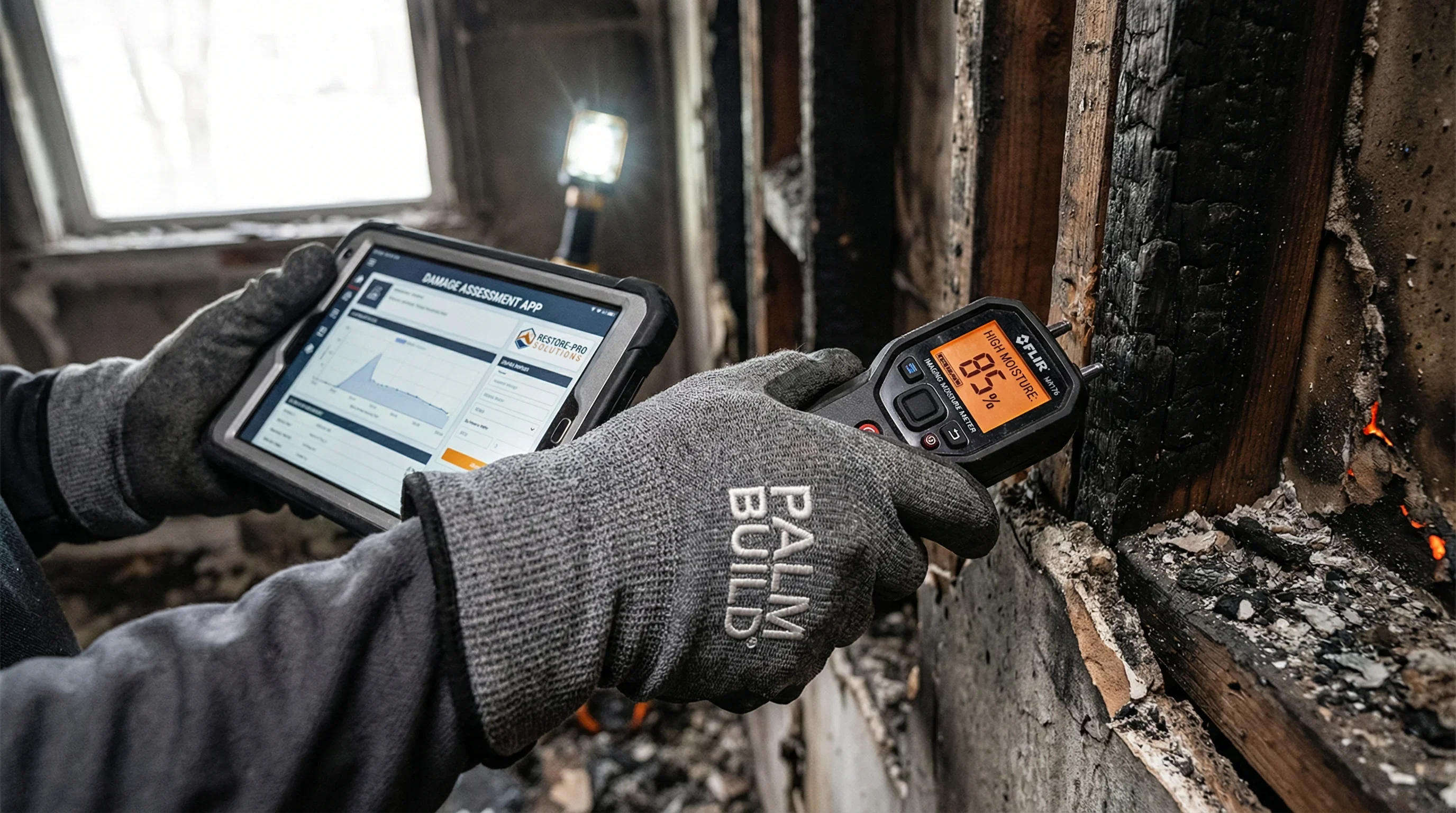
the property is secured, the restoration team can begin controlled interior assessments,
including air quality testing, structural engineering evaluations, and detailed damage mapping.
A well-executed board-up preserves the property in a stable condition that allows insurance
adjusters, engineers, and restoration professionals to work methodically rather than rushing to
prevent ongoing deterioration. From this stabilized state, the project moves into smoke damage
cleaning, odor removal, structural repairs, and ultimately reconstruction, with each phase
building on the foundation of a properly secured building.